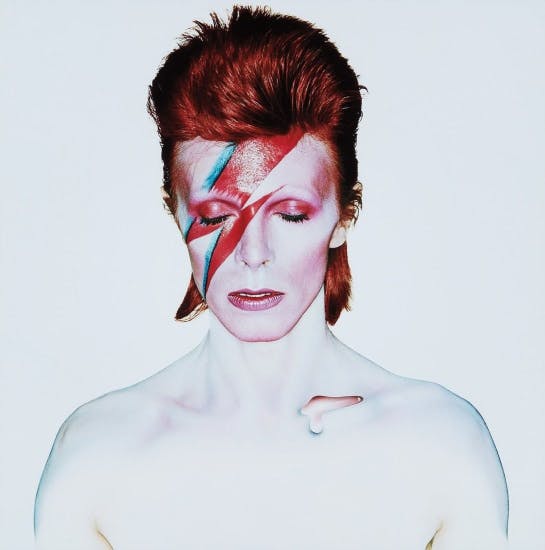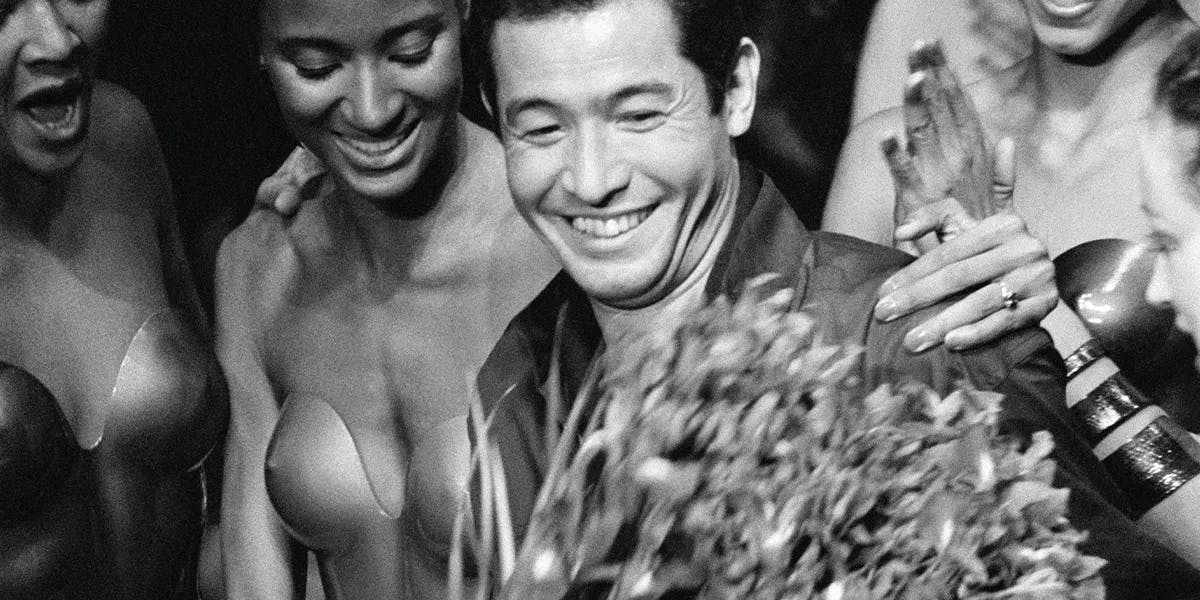
Terrible experiences can lead to either losing courage or living life to the fullest. Issey Miyake chose the second option and through realizing his potential and genius became one of the most seminal personalities of the fashion scene of the late 20th century.
Born on April 22, 1938 in Hiroshima, he witnessed the atomic bomb drop seven years later, which killed most of his family members. His mother died three years after the catastrophic incident from complications of radiation sickness. Miyake himself suffered spinal cord damage that left him with a limp, but he never brought it up as he didn't want to be famous as the fashion designer who survived the atomic bomb. In general, private things stayed private with Miyake.
Related: The 8 Most Popular Fashion Brands
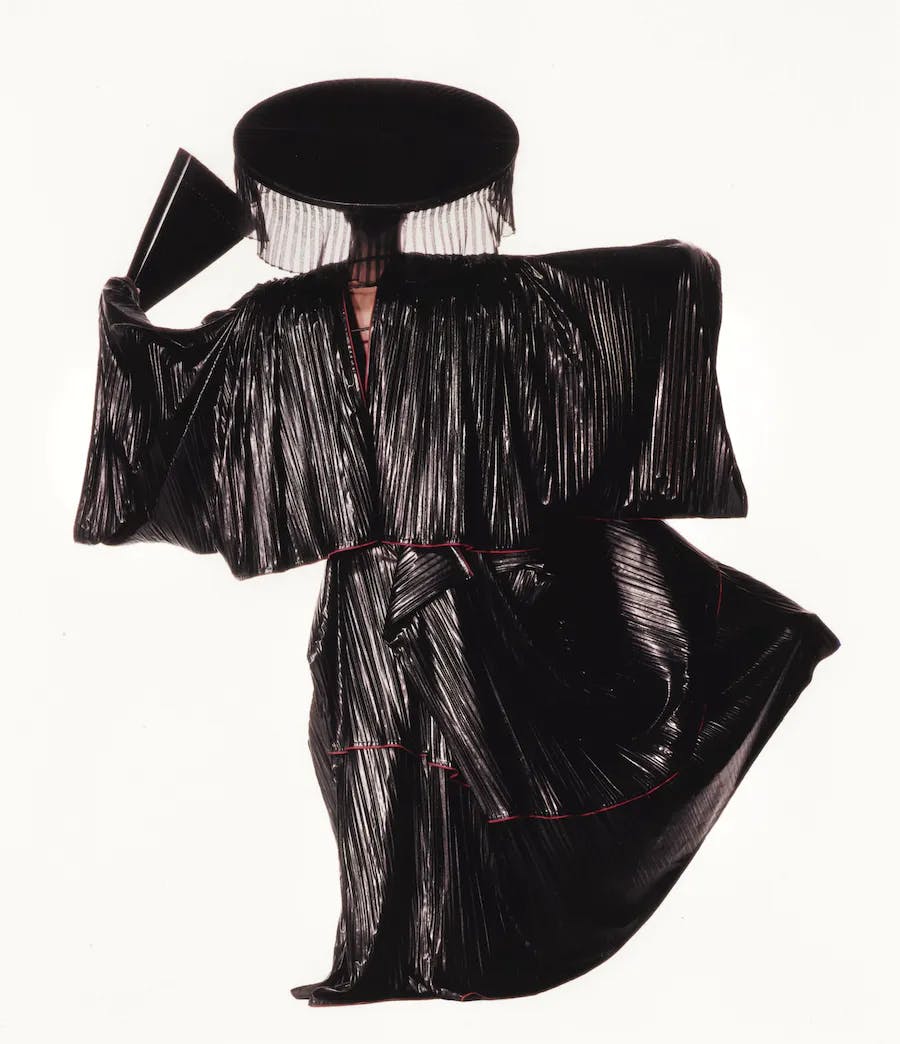
After graduating in graphic design from the Tama Art School in Tokyo in 1964, he went to Paris, where he worked for the fashion houses of Guy Laroche and Hubert de Givenchy. He also came into contact with the art scene there and was particularly interested in the works of Constantin Brâncuşi and Alberto Giacometti. Art played an important role in his designs; he didn't create fashion but clothing that only finds its perfection through being worn.
Related: A Fashionable Friendship: Audrey Hepburn and Hubert de Givenchy
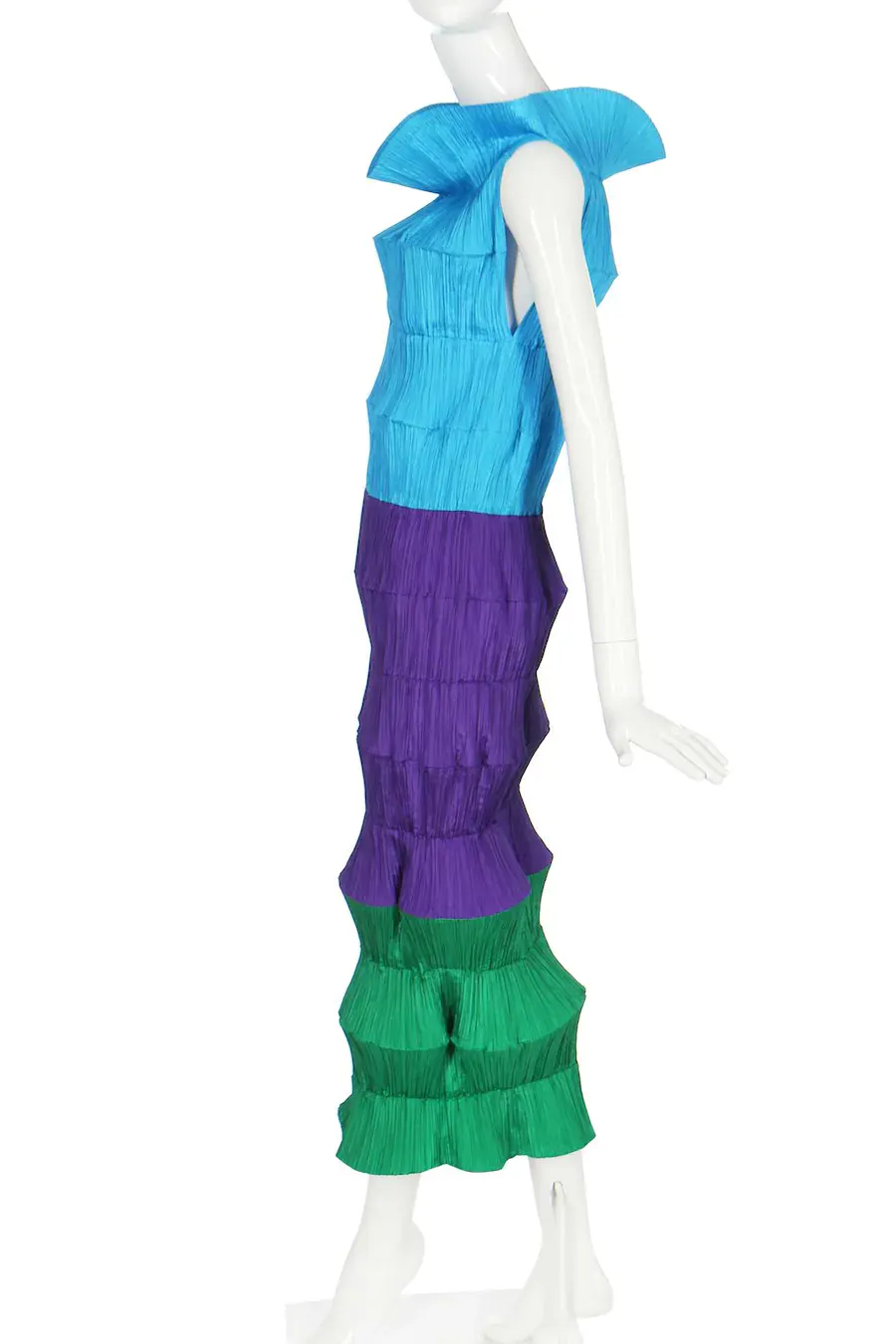
In 1970 Miyake founded his own fashion company in Tokyo, and his first collection was presented in New York the following year. He finally had his big break in the 1980s when he presented clothes in Paris that, with their minimalism and gender-neutral, flowing designs, differed significantly from the overloaded fashion of that era. Pleated creations became his trademark, and in 1993 they had their own collection, Pleats Please. What was special was the reverse manufacturing process, in which the garments were first cut and sewn and only then pleated. The folds are somewhat reminiscent of the wraps worn by Christo, who Miyake had been friends with since the late 1960s.
Related: Haute Couture: Fashion Meets Art
He also collaborated with British ceramic artist Lucie Rie, culminating in the 1989 exhibition Issey Miyake Meets Lucie Rie, shown in Tokyo and Osaka, as well as his 1989/90 collection, which featured some of the ceramic buttons Rie created during World War II.
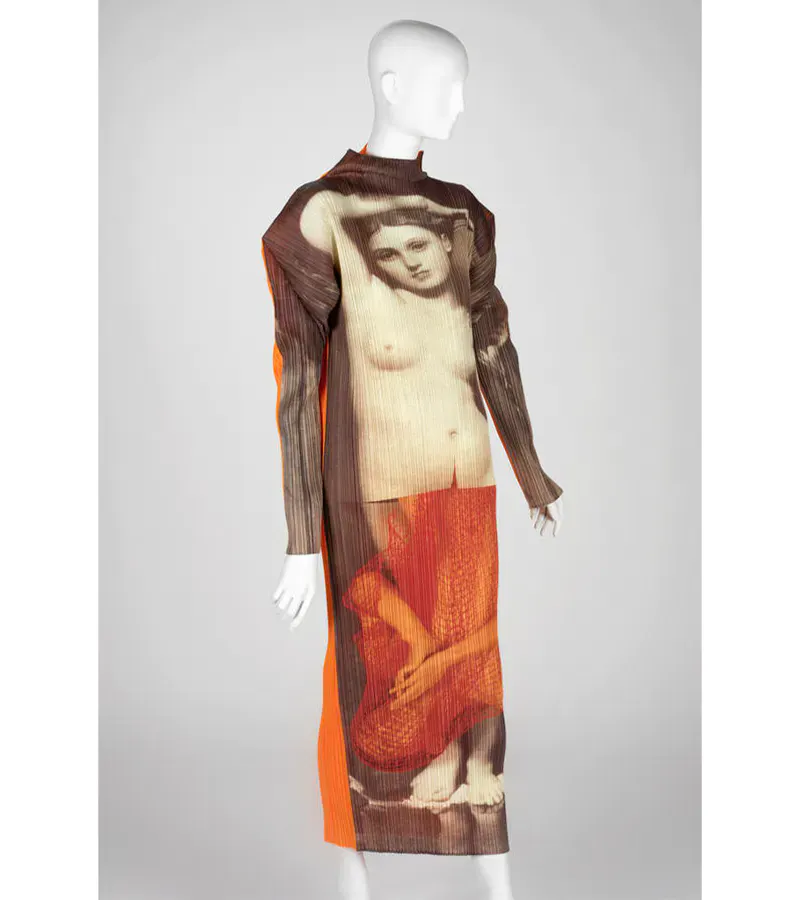
Issey Miyake's designs are characterized by experimentation and innovation. In addition to art, it was the traditional clothing of his native Japan that inspired him again and again. This was the case in 1997 with the A-POC collection. Here the name says it all, because A-POC is the abbreviation for "a piece of cloth" and that's all it takes for these individually designed creations.
Related: The Art of Fashion: Fashion in Art
Shortly thereafter, he retired from an active role in his fashion empire, but continued to take the reins in the background and worked on other projects, such as founding the 21_21 Design Sight museum in Tokyo. In 2016, the National Art Center in the Japanese capital honored Miyake's 45-year career with a major retrospective.
On August 5, 2022, Issey Miyake died from complications of liver cancer in Tokyo at the age of 84.
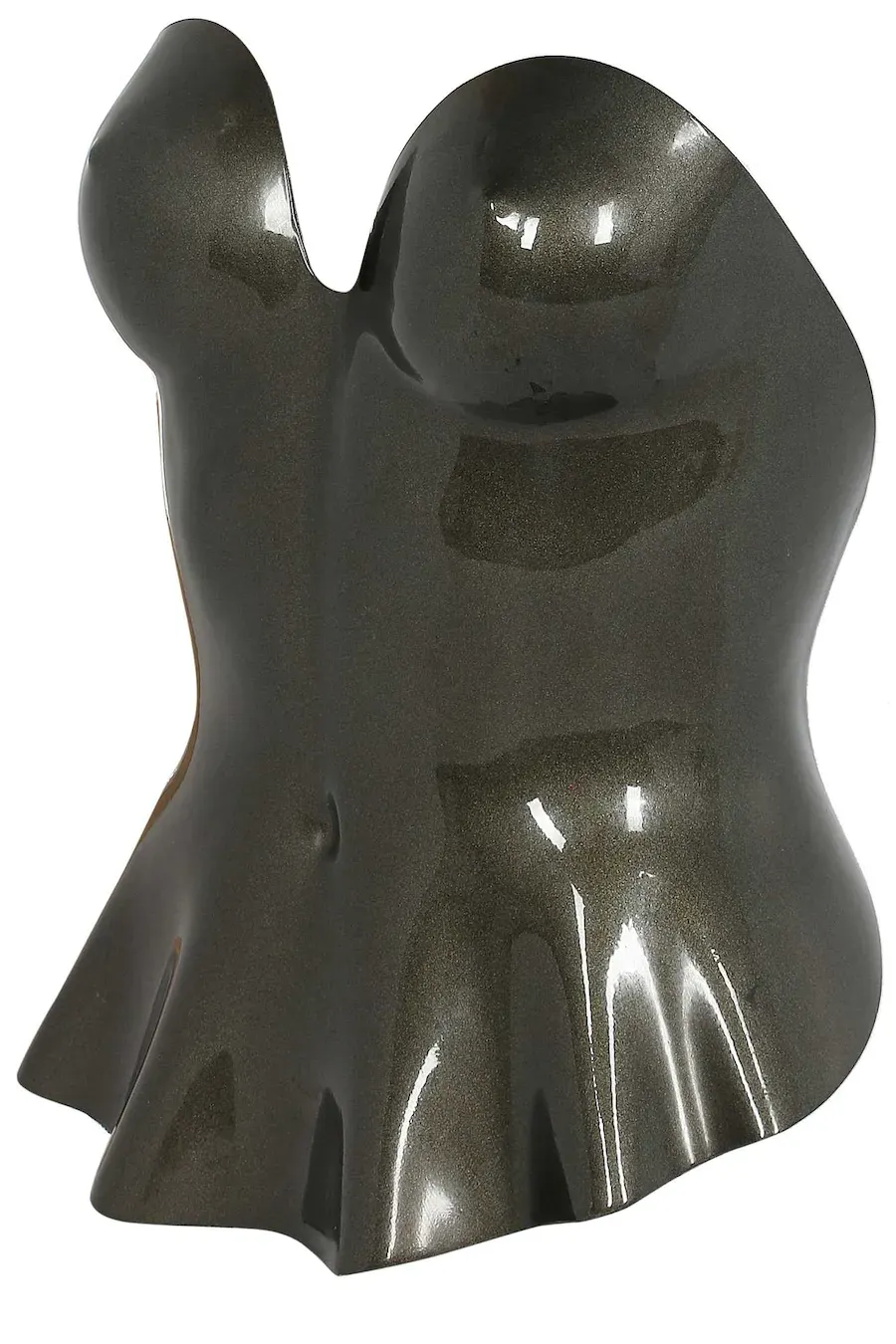
Issey Miyake's futuristic creations are part of major museum collections devoted to fashion design, including the Metropolitan Museum of Modern Art, the Victoria & Albert Museum and the Kyoto Costume Institute. Ingenious designs such as the Flying Saucer dress, the Tattoo Body bodysuit and his iconic plastic tops molded after the female torso can be admired there.
Related: 8 Must-See Design Museums Around the World

However, Miyake's most recognizable design is one not many know to be his, but is associated with another icon: Steve Jobs. The Apple co-founder fell in love with a simple black turtleneck sweater by the Japanese fashion designer in the 1980s and asked him to make a few copies for him. Jobs received around a hundred of these sweaters, which became his trademark from then on.