
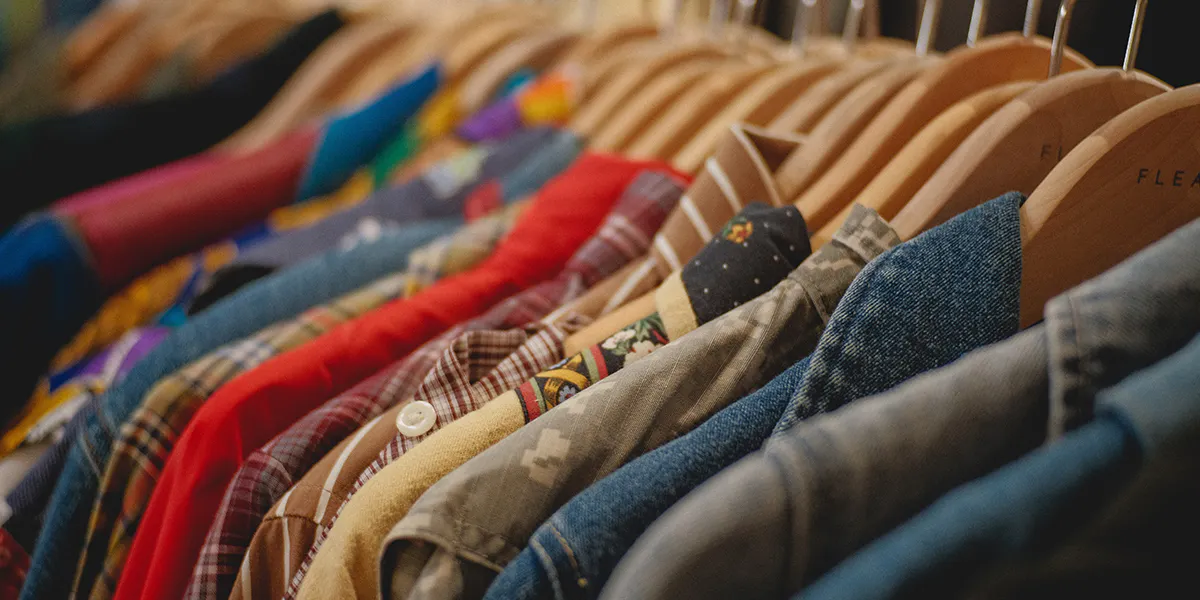
Vintage clothing has had something of a revival in recent years. It is said that fashion styles will always come round again – 1970s flares and platform boots were just as popular in the 1990s, thanks to the likes of The Spice Girls. Because these vintage clothes have lasted this long, you can pretty much guarantee that they were built to last and will remain quality purchases. Fast fashion nowadays sees corners cut, inferior materials and less care and attention in manufacture, as time is of the essence to meet bulk orders and demands.
What is the impact on the planet?
One of the biggest, and possibly most surprising, concerns is that fast fashion is responsible for up to 10% of global carbon emissions. Lowering one’s carbon footprint is high on the agenda for a lot of businesses and individuals, but this figure is more than international flights and maritime shipping combined, according to the UN Alliance for Sustainable Fashion. That’s a hugely damaging and lasting impact for something that won’t last very long itself, either through wear and tear or being discarded in favor of something else.
Related: 10 Reasons to Buy Vintage
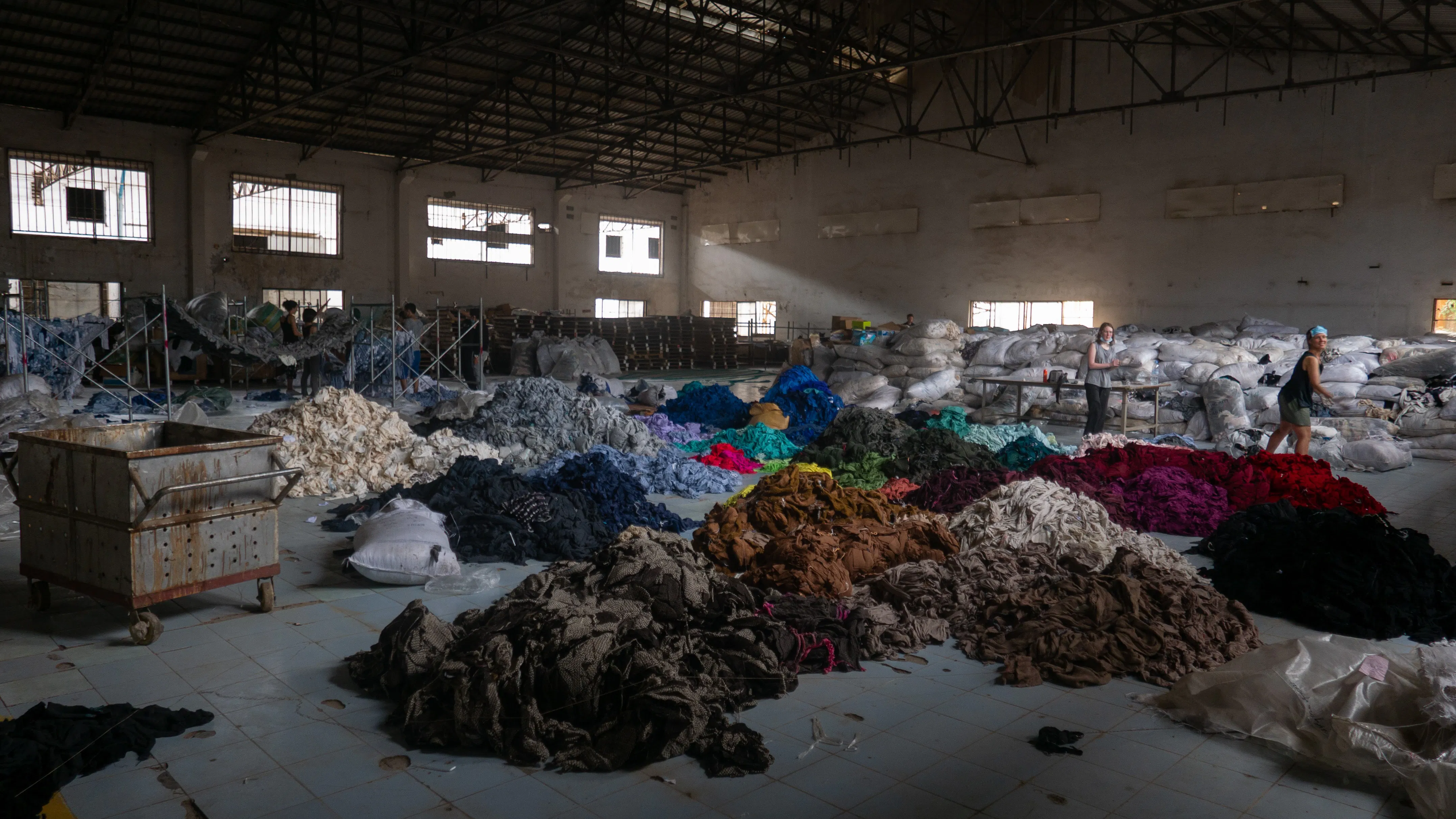
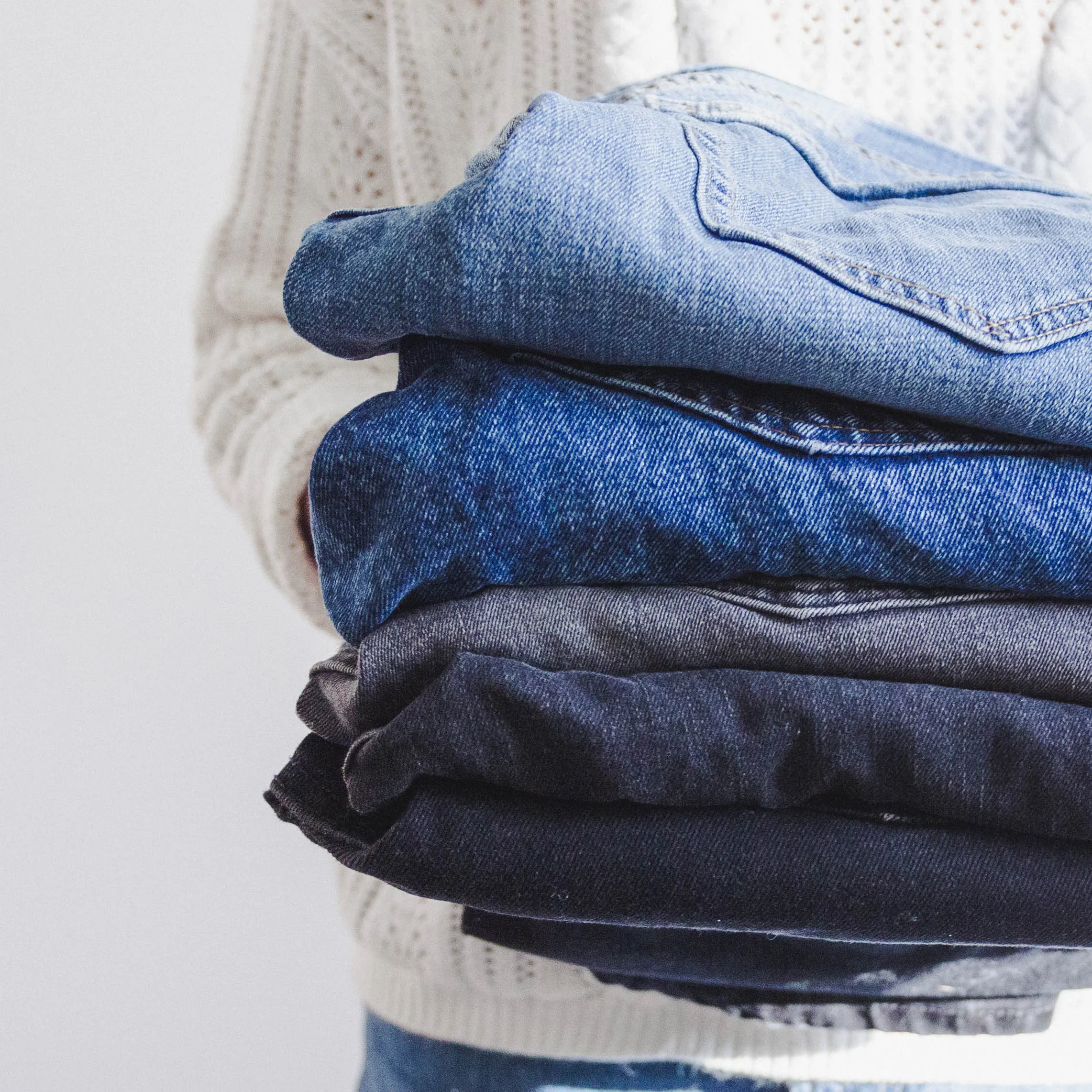
The production of garments also uses a massive amount of water; the second biggest industry for consumption. This is down to a mixture of fibre production, yarn preparation and finishing and dyeing – all vital components of manufacturing clothes, but ones which could be avoided if people didn’t rely on so-called fast fashion to keep up with trends at a much-reduced price. To make a new pair of jeans – just one pair – can use up to 2,000 gallons of water. This is water we don’t have to spare.
Sustainable fashion
Stella McCartney and Vivienne Westwood are sustainability advocates and their designs incorporate textile materials and vegan alternatives to the likes of leather. They use their collections and catwalk shows to promote awareness and concentrate on the social and environmental impacts of each piece they make, throughout its lifecycle. Using organic cotton, linen and hemp as well as natural rather than synthetic rubbers has helped put these designers at the forefront of the sustainability fashion design movement.
Related: The 8 Most Popular Fashion Brands

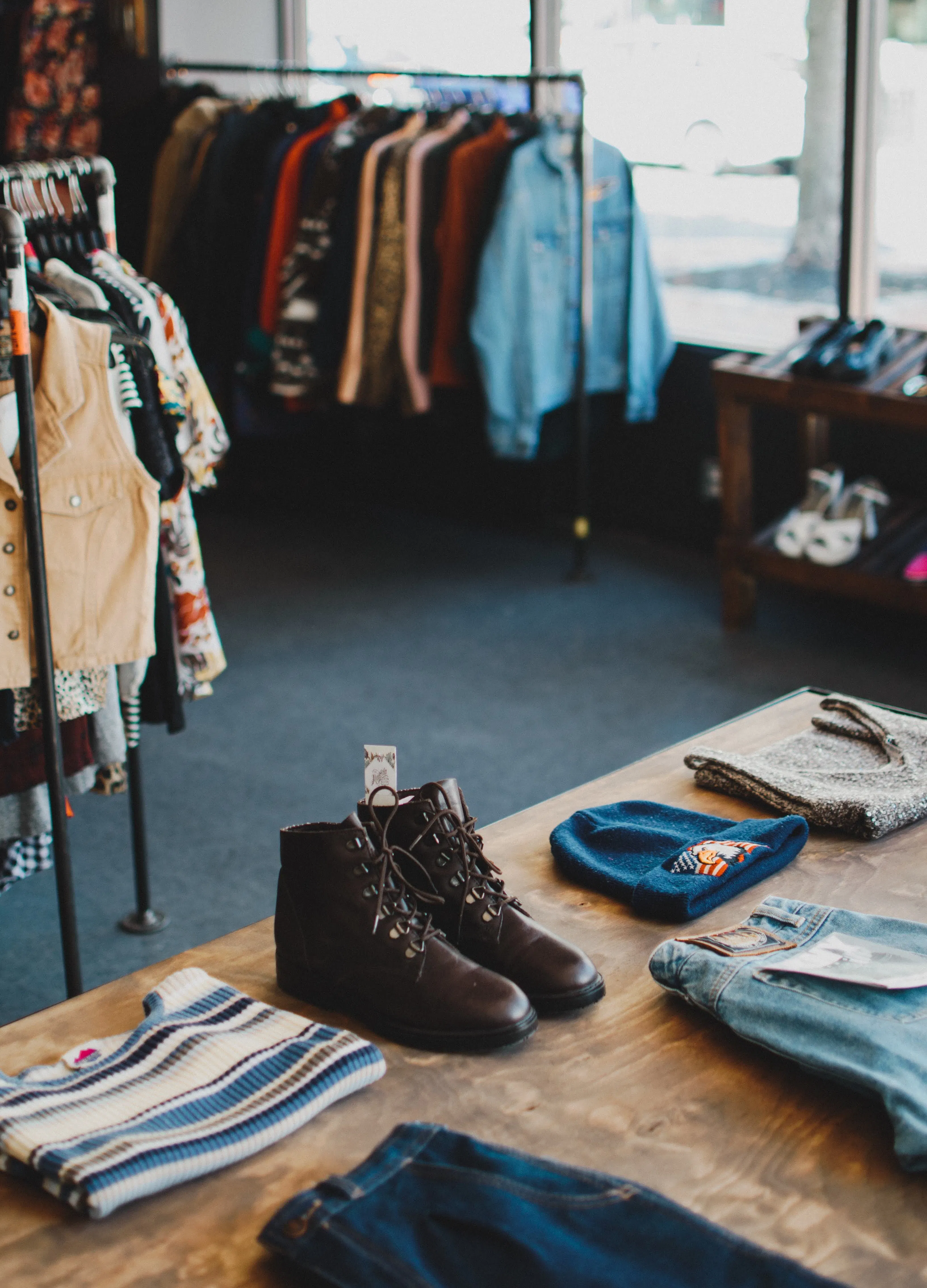
As well as your typical charity shops, which take in a large amount of discarded and unwanted clothes each year, specific vintage retailers are now seeing the industry as big business and cashing in on the social agenda, while doing their bit for climate change.
Sustainable retailers won’t just stop with selling second-hand items though, most will have some sort of environmental policy in place which will permeate their entire business model. They will likely be using technology to run their business with the likes of card readers for small businesses to take payments, which cut down on paper receipts and invoices, and will automatically send electronic versions to a specified email address.
Buying at auction
It may be an unusual method of buying clothes, but some can often be found at auction if they are from a particular designer or are a unique piece – perhaps something that appeared in a film or TV show or was worn by a celebrity.
Related: Worth Millions: Behind the Appeal of Celebrity Memorabilia
Jewelry is a highly popular auction item, with each trinket having its own personal history. Gold will always be valuable, and second-hand jewelry is as good, if not better than its newer rivals, as designs are very particular to the era in which they were made, including Victorian, Georgian and the Art Deco movement, to name just three. Having an original piece from these periods is something to be treasured and, equally, handed down as heirlooms to your descendants.

Upcycling techniques
If you are buying pre-loved fashion, there are a myriad ways of upcycling it so it conforms to your own tastes, using other secondhand items or anything else you may have laying around. A lot of vintage retailers will take it upon themselves to upcycle some garments that they sell. But, you could easily upcycle your existing clothes to give them a new lease of life too.
Related: It’s in The Bag: The Handbag Collectors’ Market
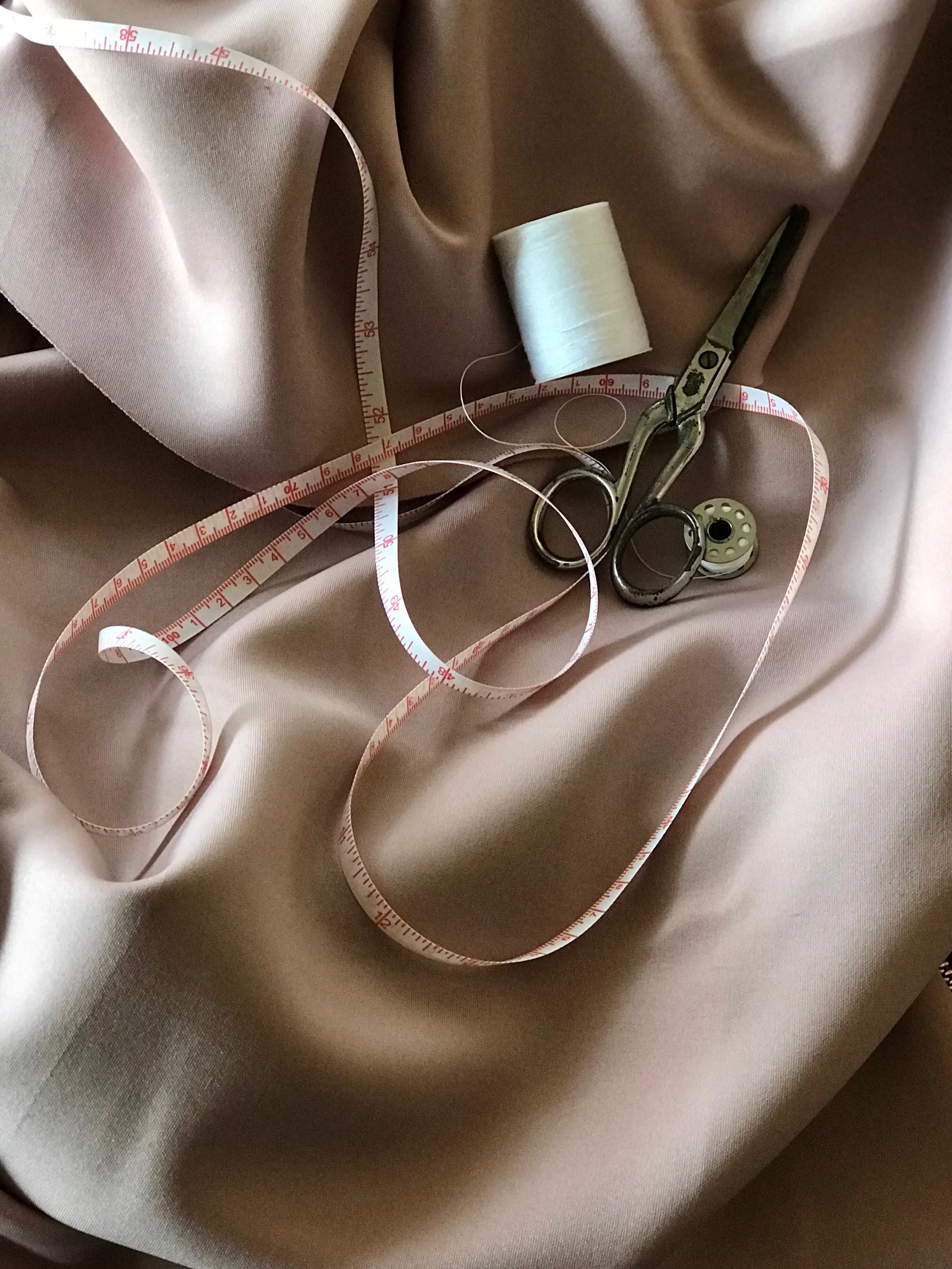
It could be something as easy as cutting the legs off an old pair of jeans to create a pair of denim shorts. For something which requires a bit more effort and perhaps knowing your way around a sewing machine, your old cotton T-shirt could be made into a handy tote bag. Alternatively, embroider some new patterns onto a jacket, using just a needle and thread and your own imagination.
Unique styles and individuality
One of the main benefits of vintage clothing for the fashion conscious is that it is almost certainly going to be a unique piece. Unlike fast fashion, which is usually large orders of the same garment produced and sold in bulk, you won’t turn up to a party and find you are wearing the exact same item as someone else.

Some of the big items that have commanded huge prices when they have gone under the hammer include Kate Winslet’s red dress from Titanic which sold for $330,000 and the red jacket that Michael Jackson wore in his Thriller video that fetched an incredible $1.8 million. You might not be able to afford these, but vintage items from the likes of luxury brands Dior and Chanel can still be picked up at auction for more acceptable prices, and will only go on to gain in value.
Want articles like this straight to your inbox? Subscribe to our free newsletter!

The nature of vintage or retro fashion means it is also more easily tailored to your own individual style, whether that is 1960s boho chic, 1990s neon or 1920s flapper girl, or anything and everything in between. You will stand out in a crowd and may even set your own fashion trend, as well as being on trend when it comes to the matter of reducing your impact on the planet.
Final thoughts
Even if we each bought just one or two vintage clothing or accessories pieces a year, instead of buying new, the potential positive impact on the planet would be greatly increased. Cutting down on water waste, sending textiles to landfill, and reducing the transportation, import and export of goods around the world using carbon emitting vehicles would all play their part in making the fashion industry more eco-conscious.
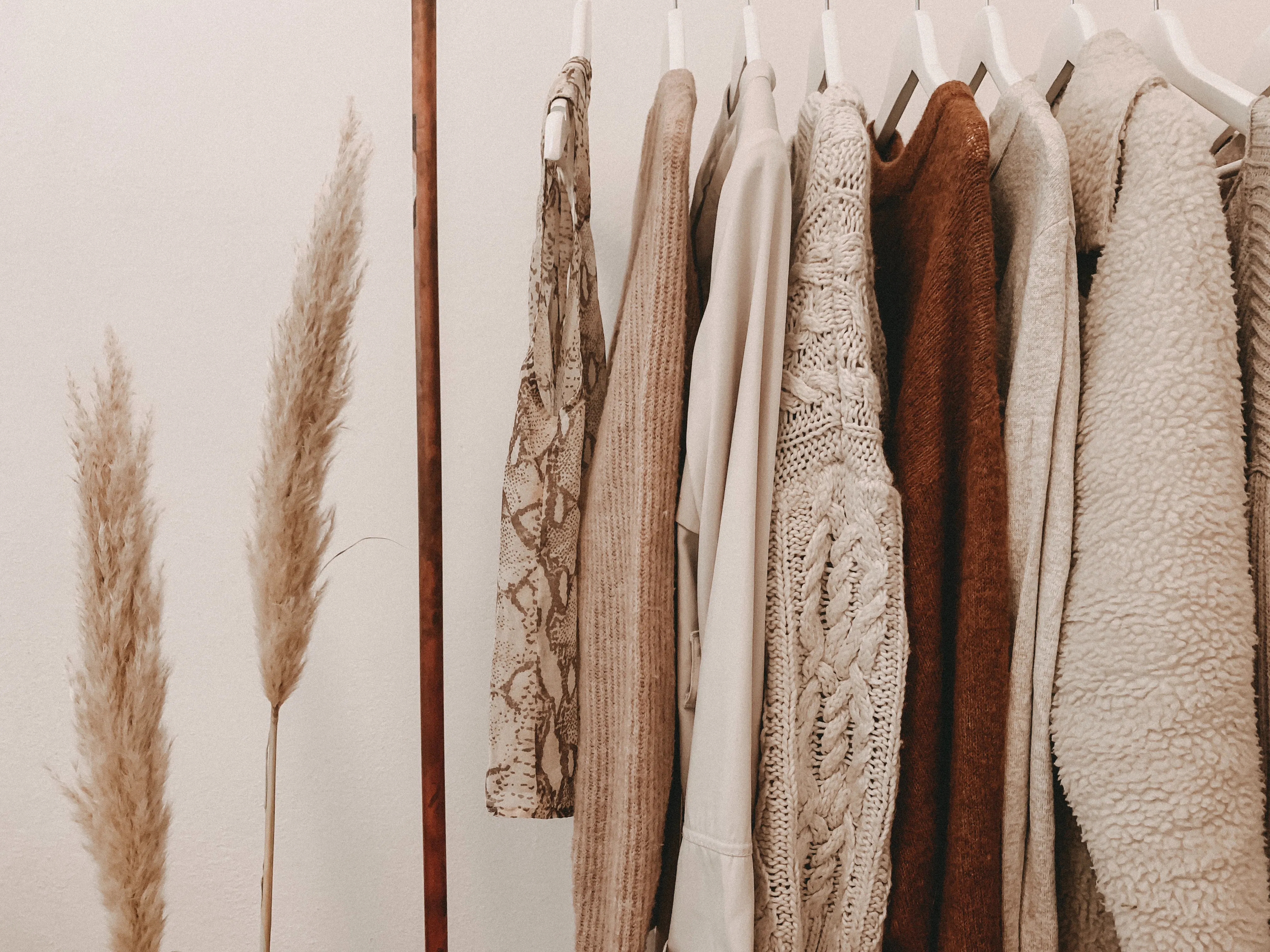
There are, of course, some companies who already use eco-friendly materials in manufacture and have adopted a technological approach to their ‘paperwork’, but so much more can be done. As consumers, it is up to us to change our buying habits and go back to basics.
Find more articles on Barnebys Magazine
Article by Jacob Lane.
Jacob Lane is a fashion and lifestyle writer from London, who writes about the developments and innovations around sustainability in the industry. Connect with Jacob on Twitter.