
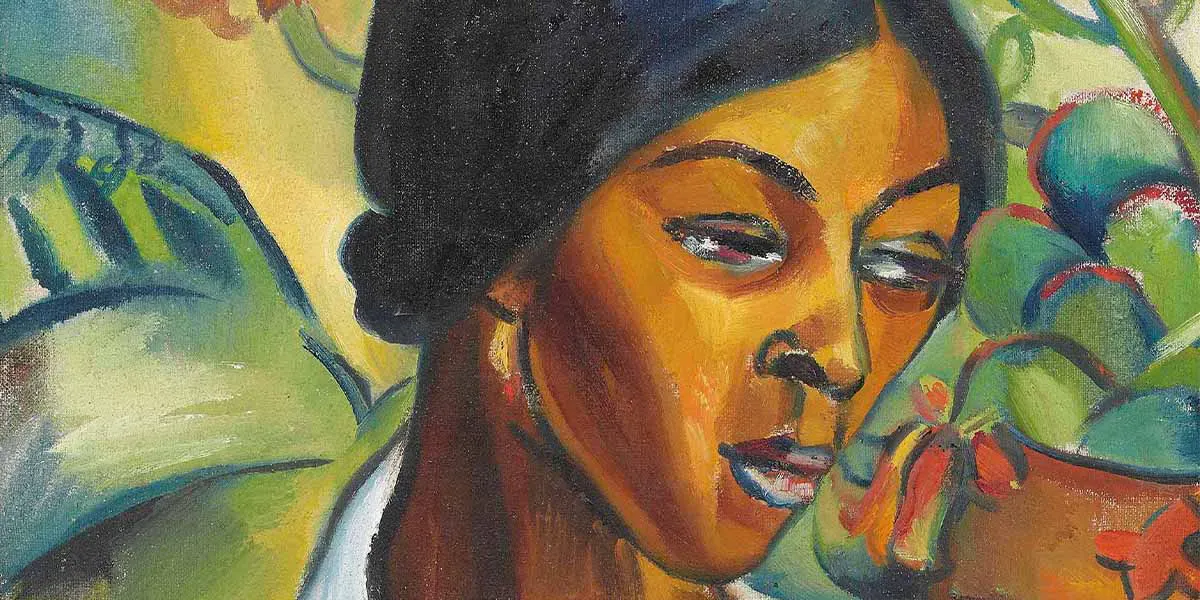
In November 2017, the collective interest of South African critics and collectors was roused by the figure of Freda Feldman when two 1943 portraits painted by Irma Stern were displayed and sold in Johannesburg. This muse not only inspired Stern to create six paintings, but the letters between Feldman and Stern became a valuable resource for both historians and the general public to become more intimately acquainted with the artist.
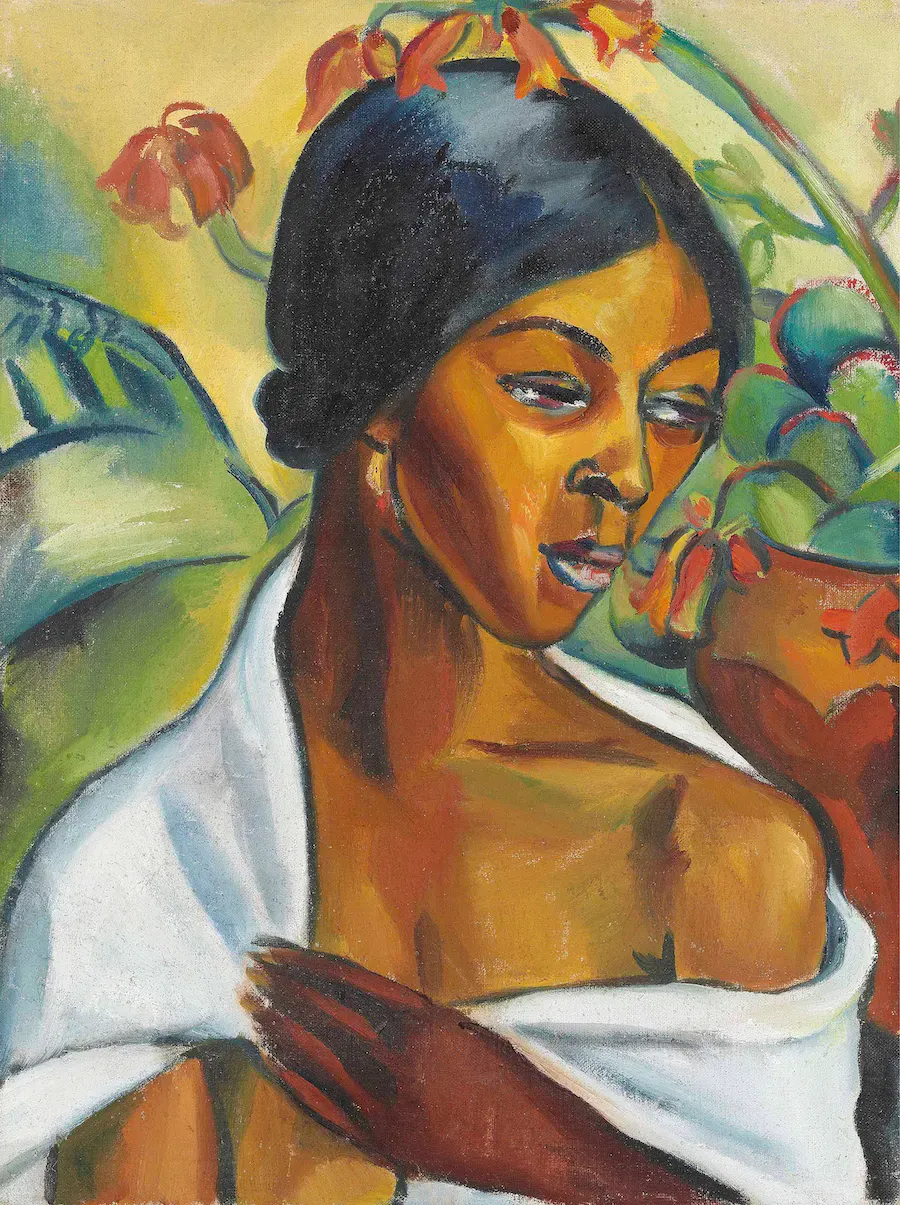
Using these letters, Feldman’s daughter Mona Berman wrote a not-entirely-flattering memoir about Stern in 2003, and Berman admitted that her vision of the artist as demanding and interfering was a reflection of her childhood perspective rather than her adult one. However, despite her criticisms of the artist’s egocentrism, impetuousness, and scorn for incompetence, Berman testified to a deep relationship between the two women. On the surface they had nothing in common – Stern who came from a wealthy, well-educated background, while Feldman was neither worldly nor sophisticated.
Related: The 15 Most Expensive Female Artists
This special relationship sparked numerous rumors and speculations both during the women’s lifetimes and after their deaths. Some claimed that the artist carried a torch for Freda’s husband Richard, a prominent member of the Labour Party whom she met in 1926; others insinuated that the two women were more than just good friends. One thing is certain; Feldman has largely contributed to the preservation of Irma Stern’s house and her legacy. She helped turn Stern’s Cape Town home into a museum at the start of the 1970s, and it remains a destination where visitors can see dozens of works, decorations and furniture typifying the aesthetics of the late artist. This cultural contribution that is no doubt worth the five million South African rand (over $365,000) at which the two portraits were valued.
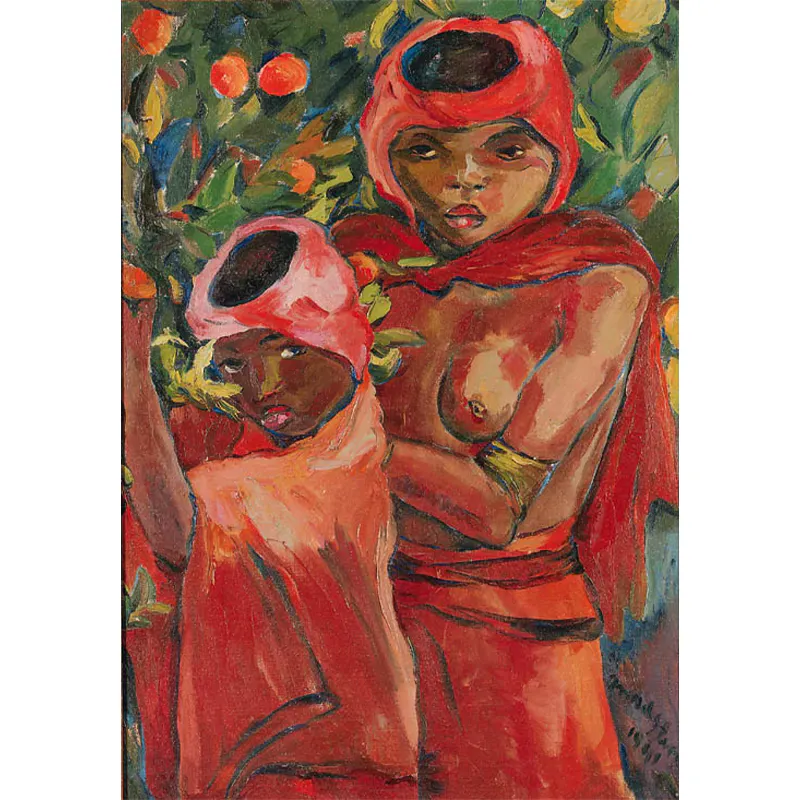
Born in 1894 in Schweizer-Reneke, the Transvaal region where Afrikaners held sway at the time, Irma Stern and her parents moved to their homeland of Germany at the end of the Second Boer War (1899-1902) during which her father was briefly imprisoned by the British. Stern studied art at the Weimar Academy and the Levin-Funcke Studio before meeting the German Expressionist Max Pechstein in 1917, whose influence had an immediate impact on her work. Stern became involved with the Expressionists and exhibited work for the first time in Berlin in 1919, before her family returned to Cape Town the following year.
Want articles like this directly to your inbox? Subscribe to our free newsletter!
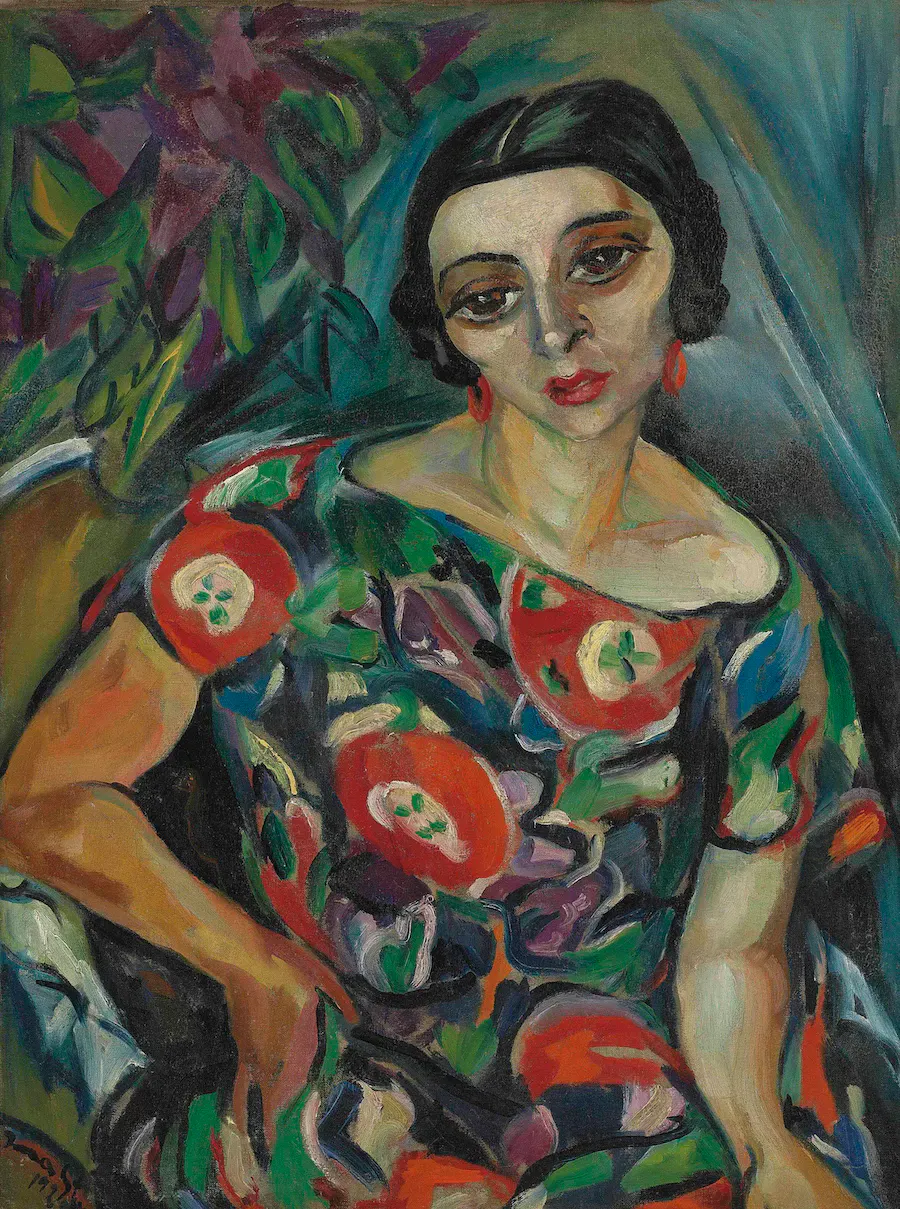
Stern’s first modern art exhibition in her birth country failed to be the success she hoped for. However, she persisted, freeing herself in all areas of her life. In 1934 she divorced her husband, Dr Johannes Prinz, who had been her tutor before their marriage in 1926. Her path of artistic and personal freedom echoed her aspirations for political freedom in the Rainbow Nation. She dreamed of traveling the world, and Stern’s portraits and landscapes were enriched by her many voyages within Africa, including to Senegal, Zanzibar, Belgian Congo, and Swaziland, as well as her return trips to Europe.
Related: 6 Sensational Attic Finds
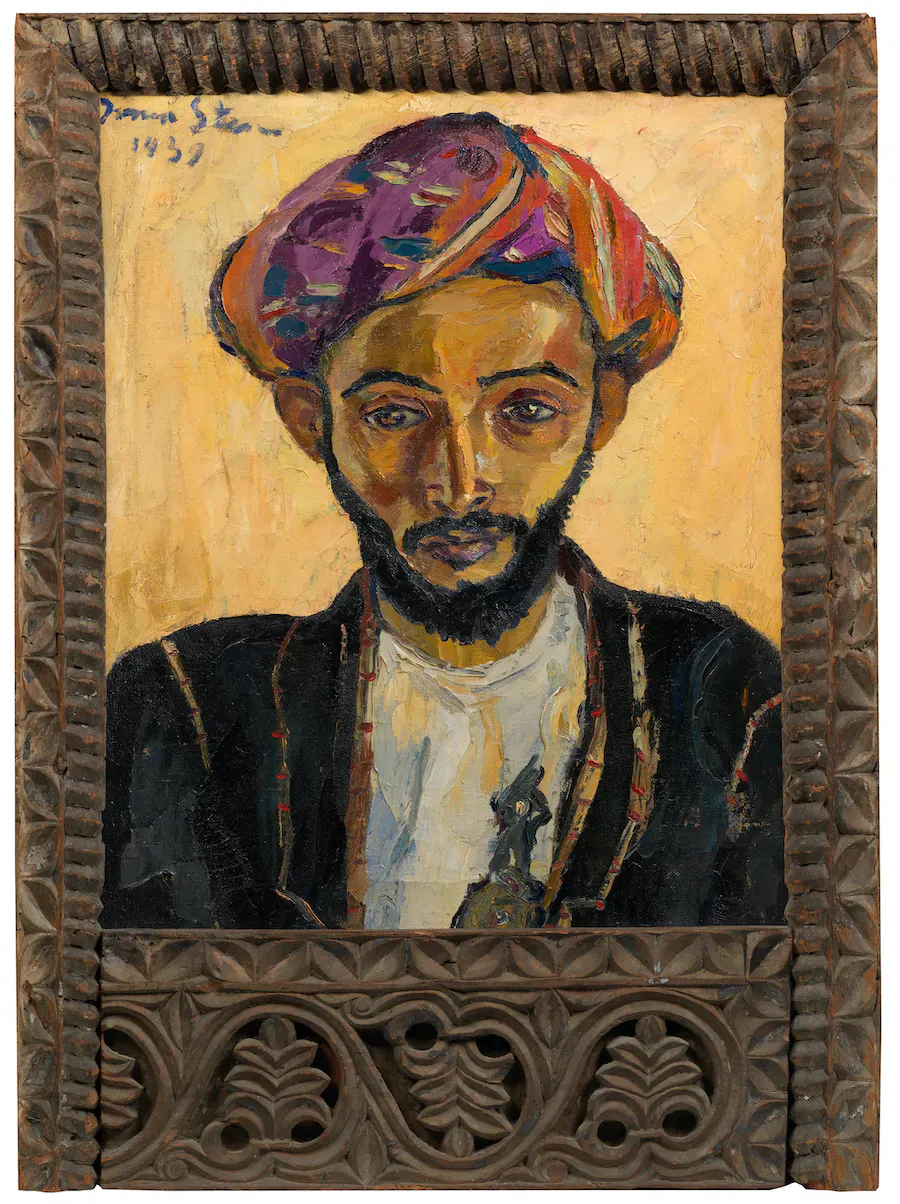
Considered to be her masterpiece, Arab in Black, painted during one of her first stays in Zanzibar in 1939, was rediscovered in 2015 in a London apartment under a pile of post-it notes and bills. Sold for $1.09 million by Bonhams, this painting had played a key role in Nelson Mandela’s court case at the end of 1950s, as its sale at the time helped to pay for the legal fees of the future president of South Africa.
Related: A Nelson Mandela Drawing Auctioned for Over $112,000
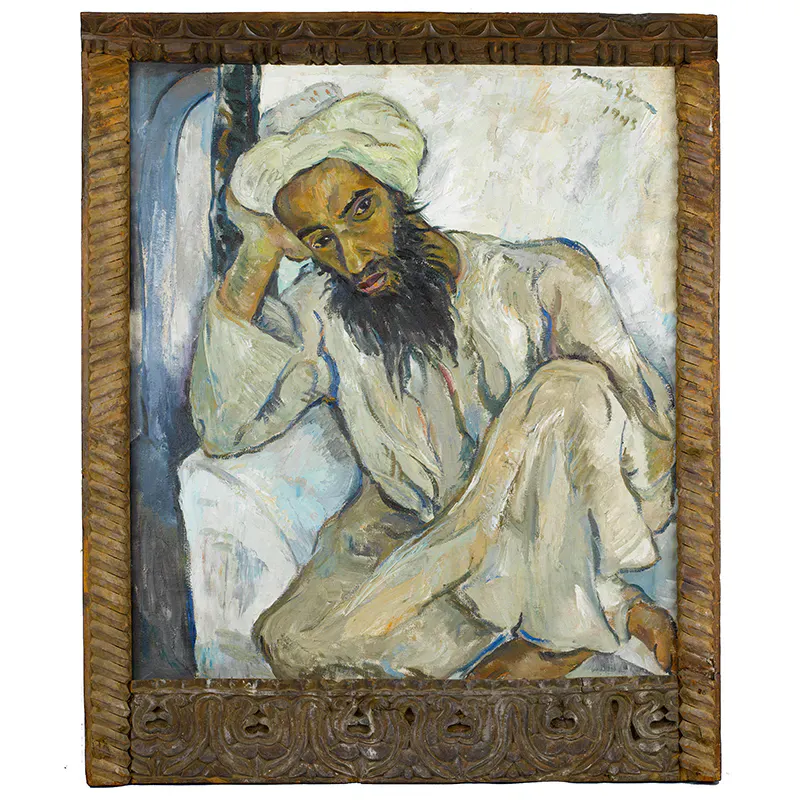
Nearly a hundred exhibitions featuring Irma Stern’s works were organized worldwide during her lifetime, and today, some of her paintings hang in the permanent collections of the greatest international museums. Her sales record was set when her painting Arab Priest (1945) fetched $3.97 million at Bonham’s in 2011.
Explore more on Barnebys Magazine
This is an updated version of the article originally published on December 20, 2019