
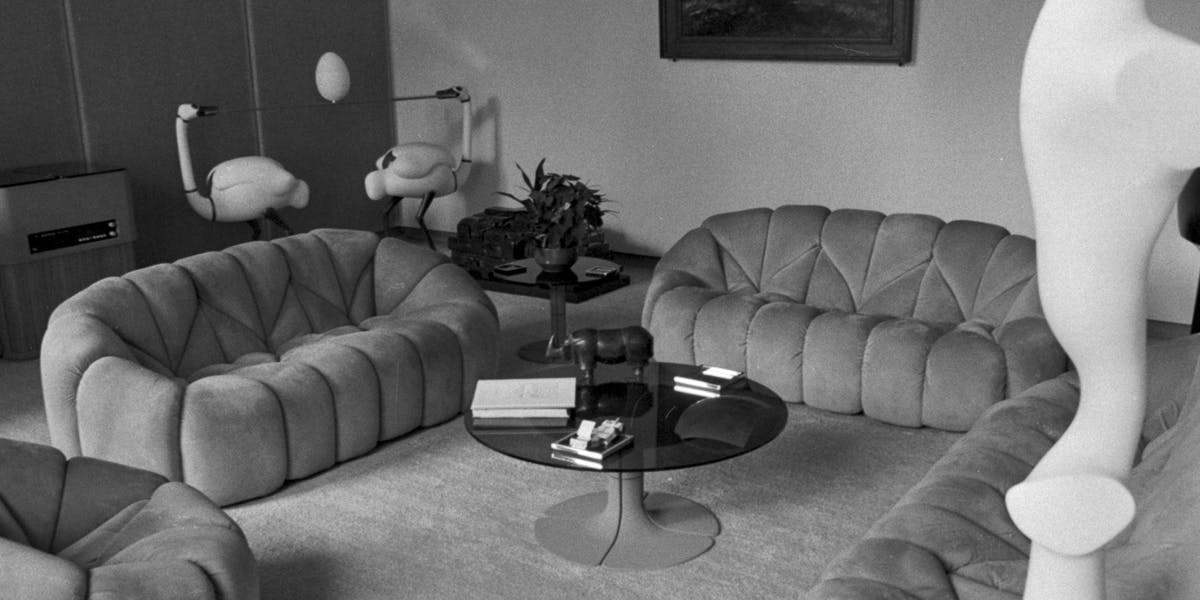
Pierre Paulin was born in Paris in 1927, where he later studied at the École Camondo, a school for interior design and architecture. He gained further experience in the atelier of Pierre Guariche and Michel Mortier.
Very quickly, this visionary artist understood that French design did not evolve as quickly with the new post-war lifestyles. In 1951, his trip to the Scandinavian countries will mark him and his production forever. In addition, the discovery of companies that very early embraced this search for modernity (such as Knoll and Herman Miller) strongly inspired him.
Related: A Brief History of Furniture Design
Paulin took all of these influences home with him and by the late 1950s developed a style that combined modernity and comfort. During this period Paulin was particularly interested in works made of wood by Scandinavian and American designers.
Related: The 10 Most Popular Furniture Designers
In 1953 he exhibited in the Salon des Arts ménagers (the Household Arts Show), an annual home design exhibition in Paris. His creations were inspired by the simplicity and lightness of Scandinavian furniture and were intended as "products for young households" , as he explained in a 2007 documentary.
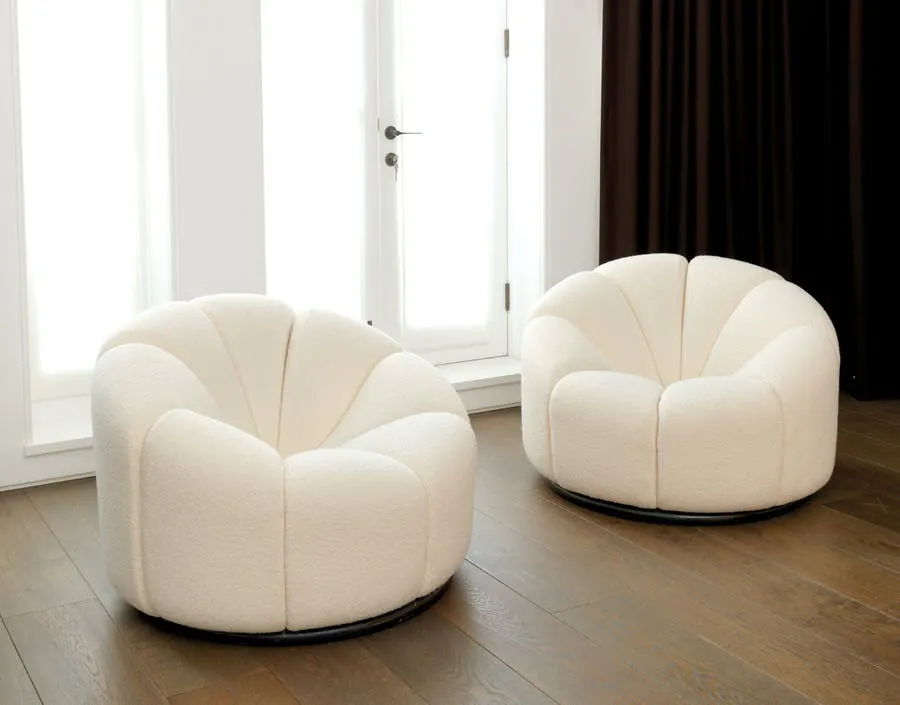
Between 1954 and 1958, Pierre Paulin worked with Thonet, followed by a collaboration with the Dutch company Artifort, for which he designed over 200 pieces of seating furniture.
It was during this period that he patented a stretch jersey that would remove demarcations and seams of his creations, the idea of the material directly inspired by a swimsuit.
Related: The Noguchi Table: Art Meets Function
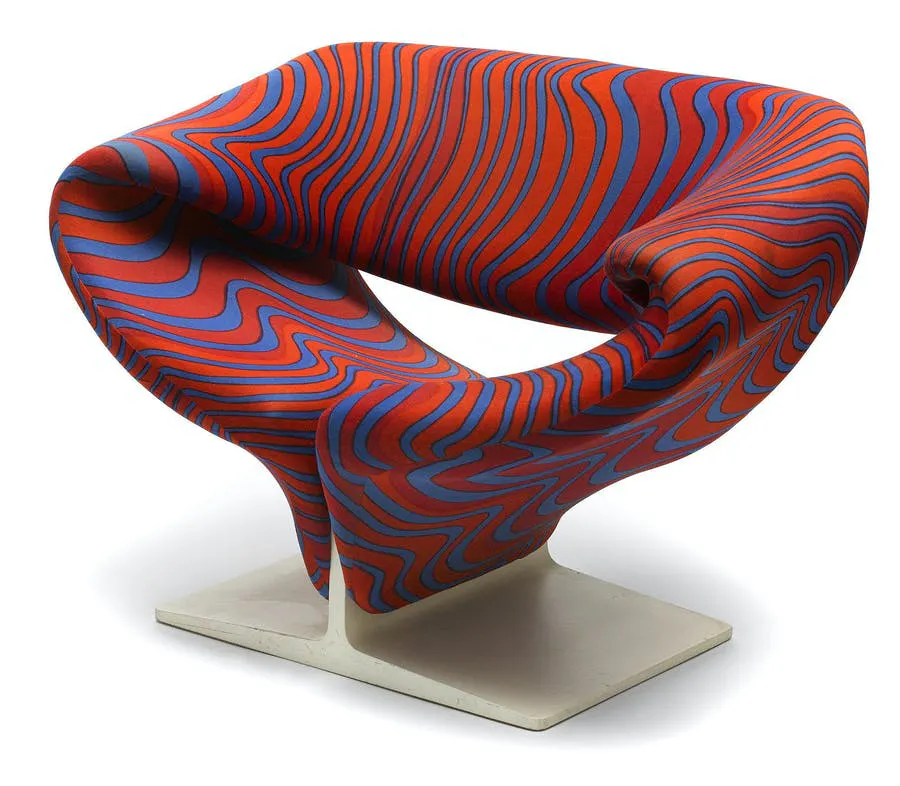
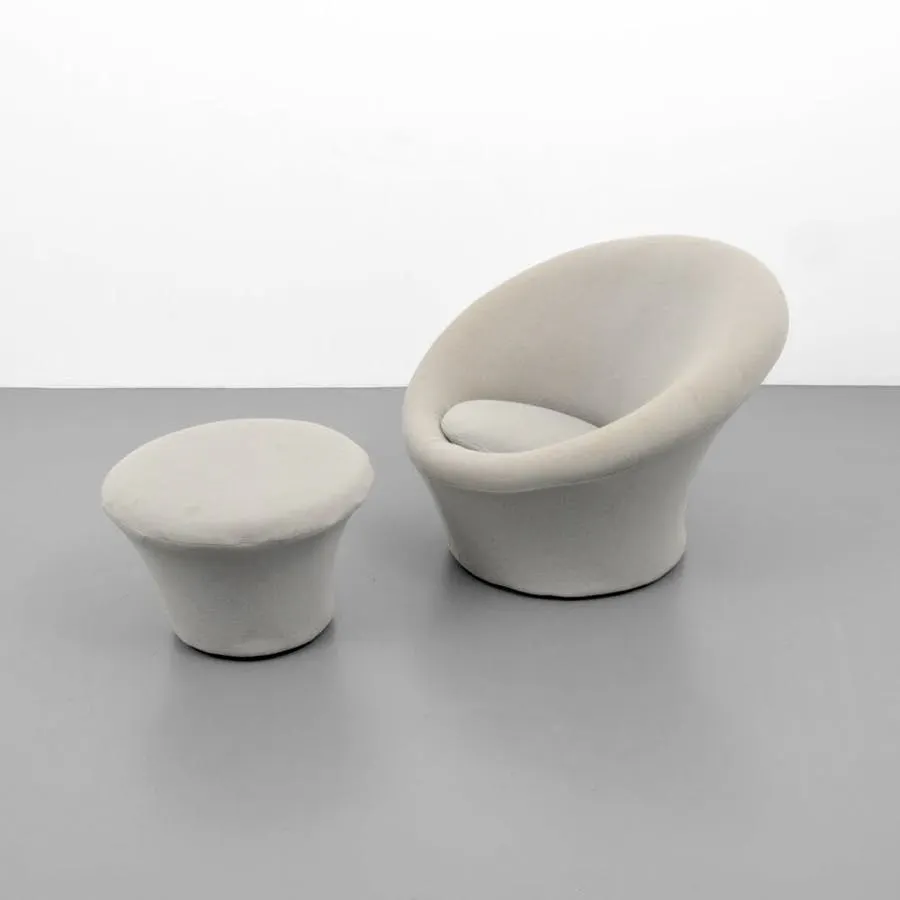
Little by little, the classic shapes of his furniture had to give way to new and organic shapes. The foam covers changed, adapted more and more to the human body and thus revolutionized the way of sitting. His Ribbon (1966), Mushroom (1963) and Tongue (1967) armchairs were very successful.
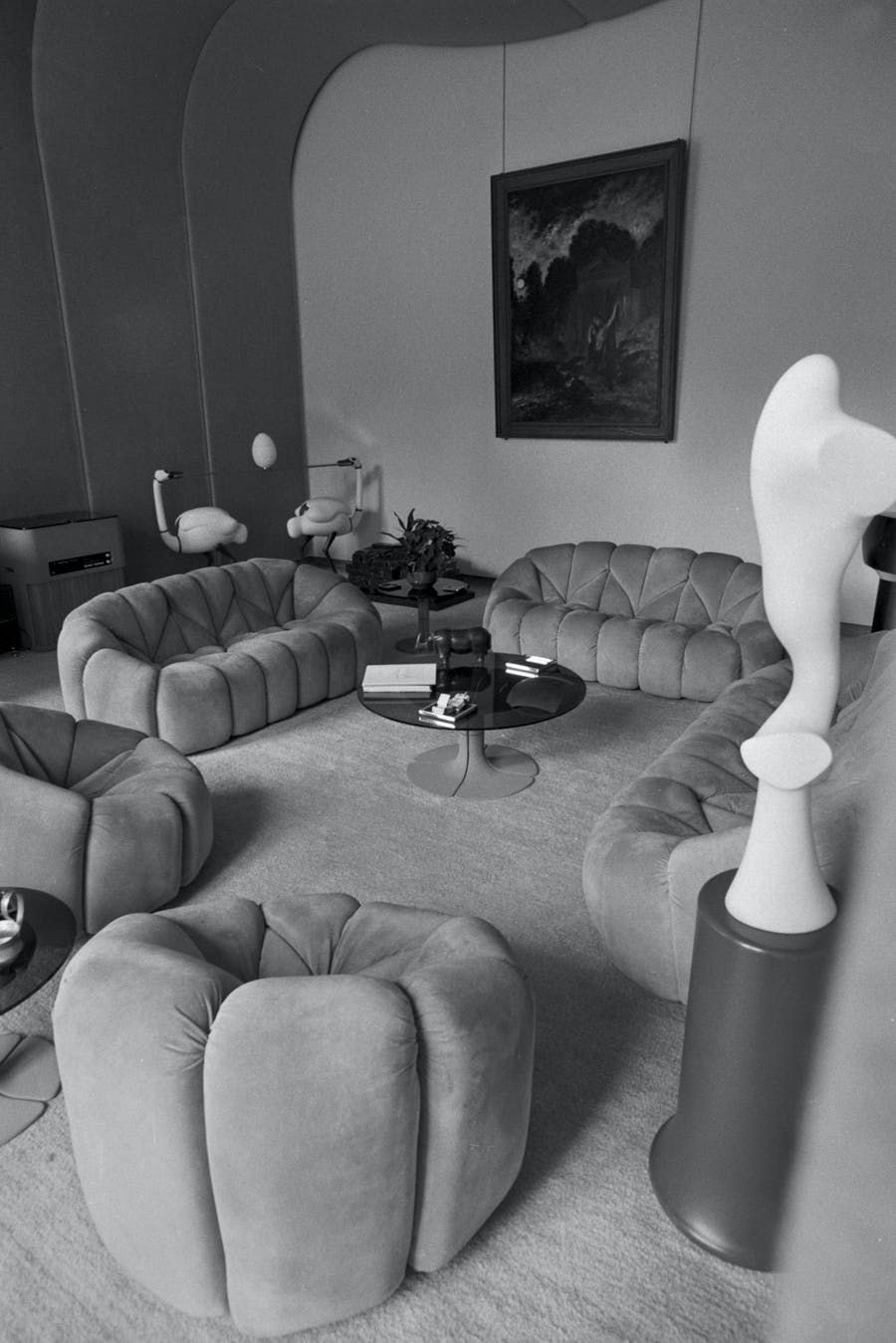
In 1970, Pierre Paulin began working with Mobilier National. A year later he became internationally known when he designed various pieces of furniture for the Elysée Palace on behalf of President Georges Pompidou, which were to mark "France's entry into modernity".
Related: 6 Giants of Mid-Century Modern Design
In 1975 he and his wife Maïa founded ADSA, the first French agency for global design.
Despite belated recognition (MoMA is the first museum to dedicate an exhibition to him in the mid-1960s), the mythical creations of Pierre Paulin are now exhibited in the largest design museums. In 2015, the Perrotin gallery devoted an exhibition of several weeks to him, while in 2016, the Center Pompidou presented a major retrospective spanning nearly 8,000 ft².