The sense of smell is one of the most complex and closely linked to memory. For many, certain scents bring memories to life — hawthorn and lilac evoke summer holidays, and freshly baked bread evokes feelings of safety and warmth. Today, perfume is a common commodity, and many of us have several favorites in our personal scent wardrobe. But it hasn't always been this way — throughout much of history, perfume was reserved for the nobility, upper class, and royalty, who were the only ones who could afford the precious drops.
What did perfume use to smell like? Here is a history of scent through ten eras.
1. Juniper, wine, and myrrh in ancient Egypt
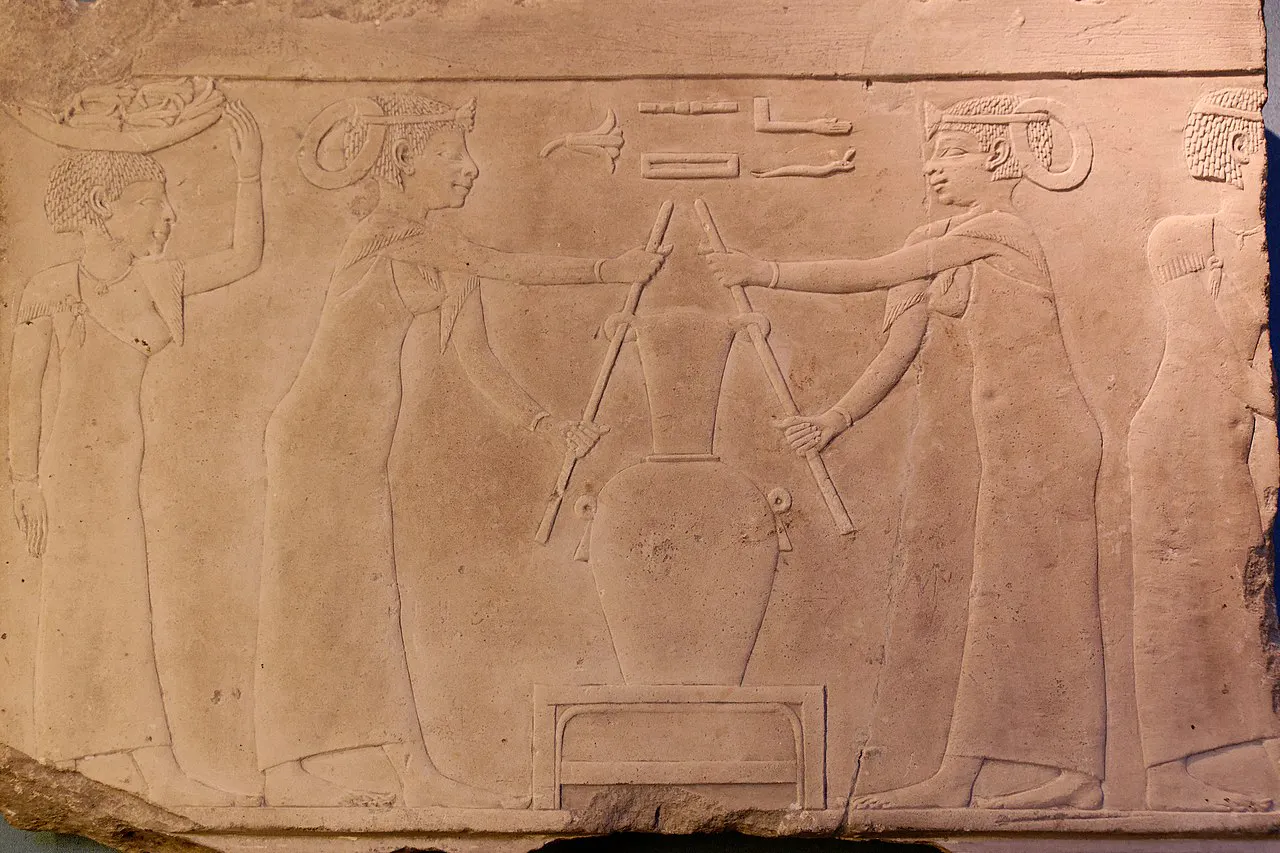
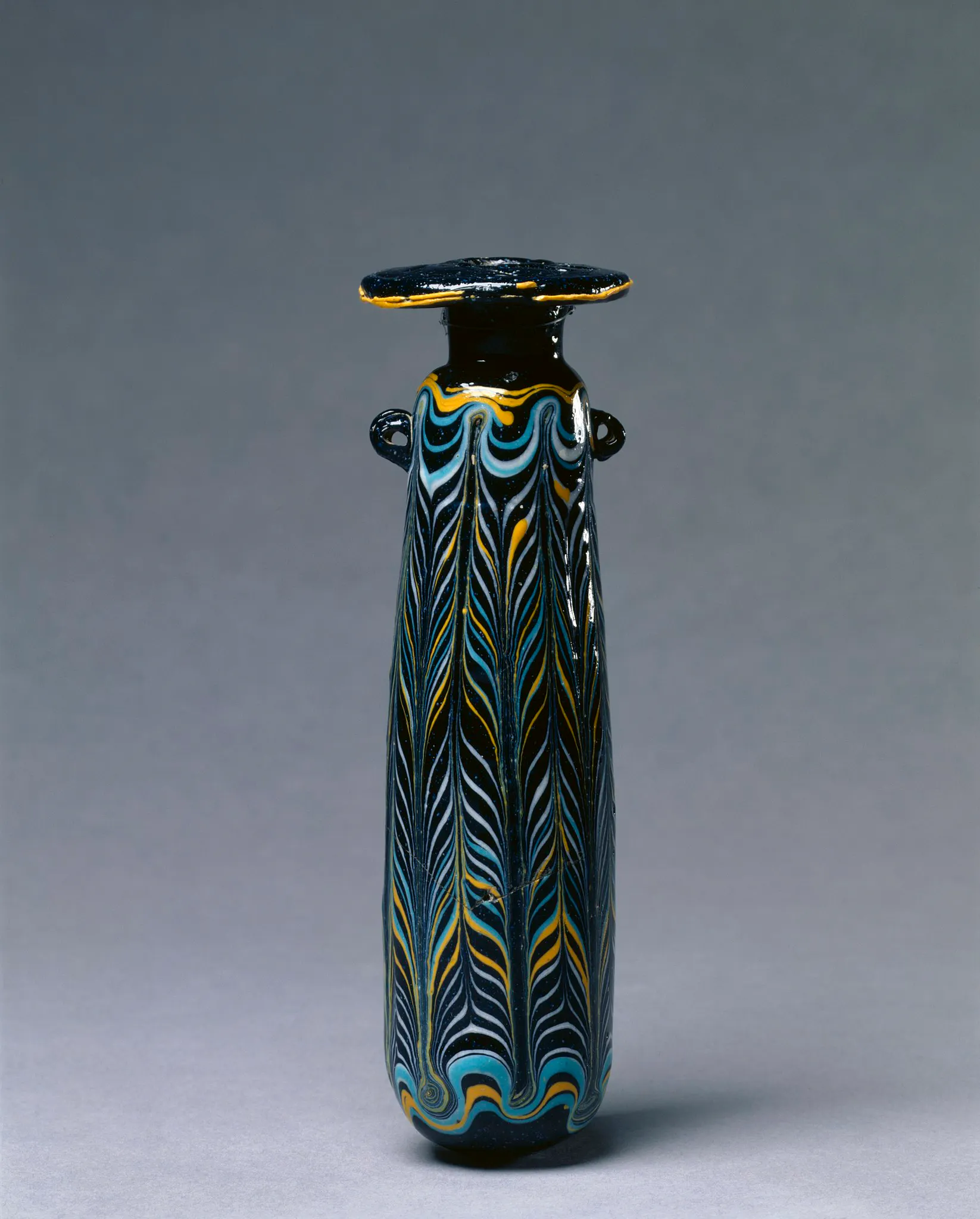
Perfume’s history begins in ancient Egypt, where fragrant substances were used in everyday life. Resin from pistachio trees was often burned during sacrifices and religious rites, and perfume was added to body oils and creams. The first actual evidence of perfume has been found in Mesopotamia, where the oldest known perfume bottles were made around 3000 BC.
One of the most frequently used scents in ancient Egypt was Kyphi, consisting of juniper, cinnamon, dried raisins, myrrh, wine, and honey, which were mixed in a vessel and then heated to enhance the fragrance.
2. Herbs and animals
By the 4th century BC, animal-derived substances began to be used in perfumes, making the scents stronger. Previously, herbs, flower petals, and seeds had formed the base, but now musk deer secretions, oil from civet cats' anal glands, ambergris from sperm whales, and castoreum from beavers were increasingly used. Many of these substances are still used in modern production but are now made synthetically.
3. Hungarian water
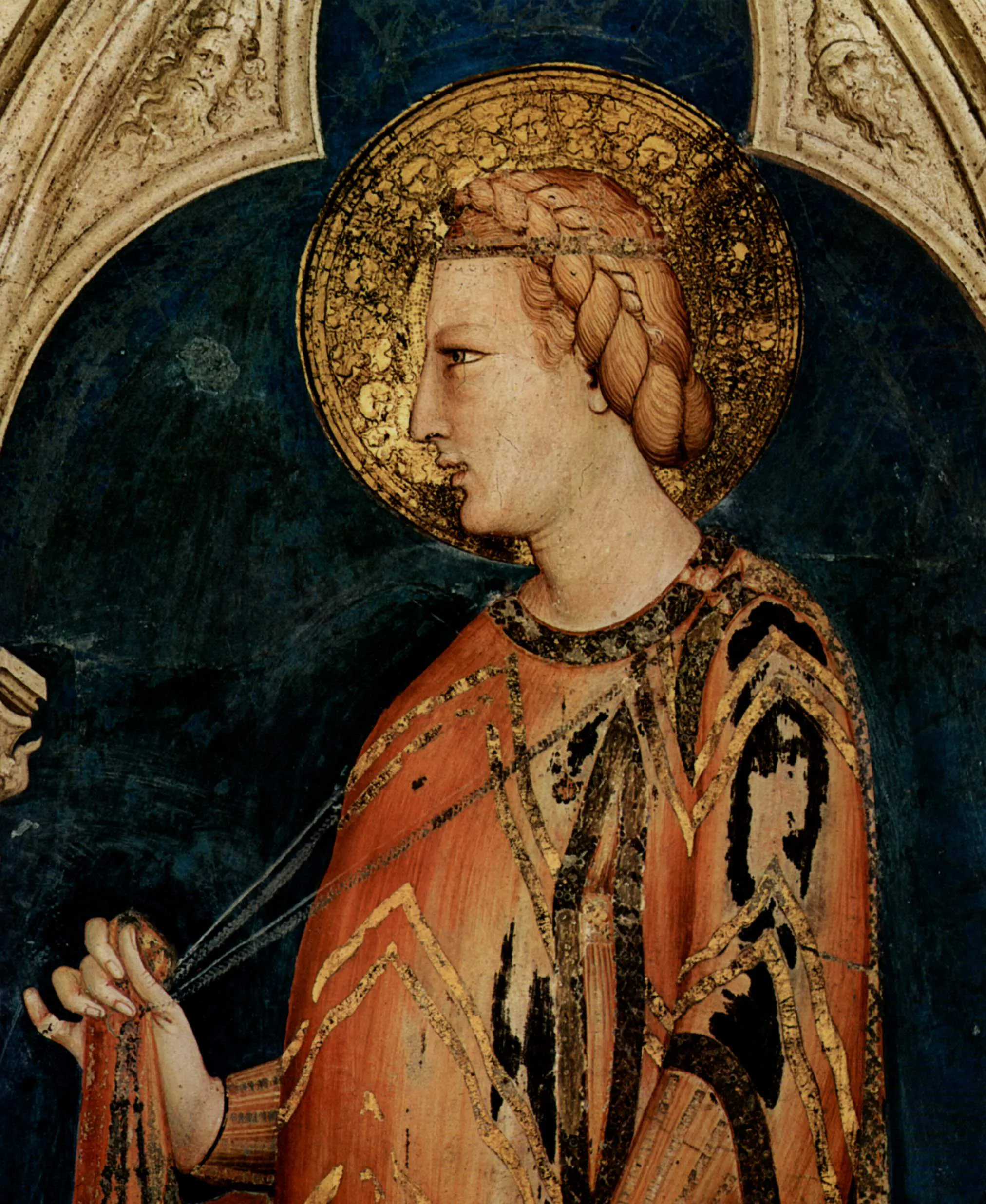
In the 12th century, fragrant oils began to be combined with pure alcohol, revolutionizing perfume making — the scents became more intense and the perfumes had longer shelf lives. The oldest known alcohol-based perfume was made around 1370 for Elisabeth of Poland. The perfume, which smelled of rosemary and thyme, reportedly made the 65-year-old queen so fragrant that she attracted several suitors. Elisabeth’s scent became known as 'Hungarian water' and gained great popularity.
During the Renaissance, heavier scents with musk and ambergris were highly sought after. Personal hygiene standards were very limited in the 16th century, and strong fragrances masked the more unpleasant odors.
Want more articles like this straight to your inbox? Subscribe to our free newsletter!
4. Eau de Cologne
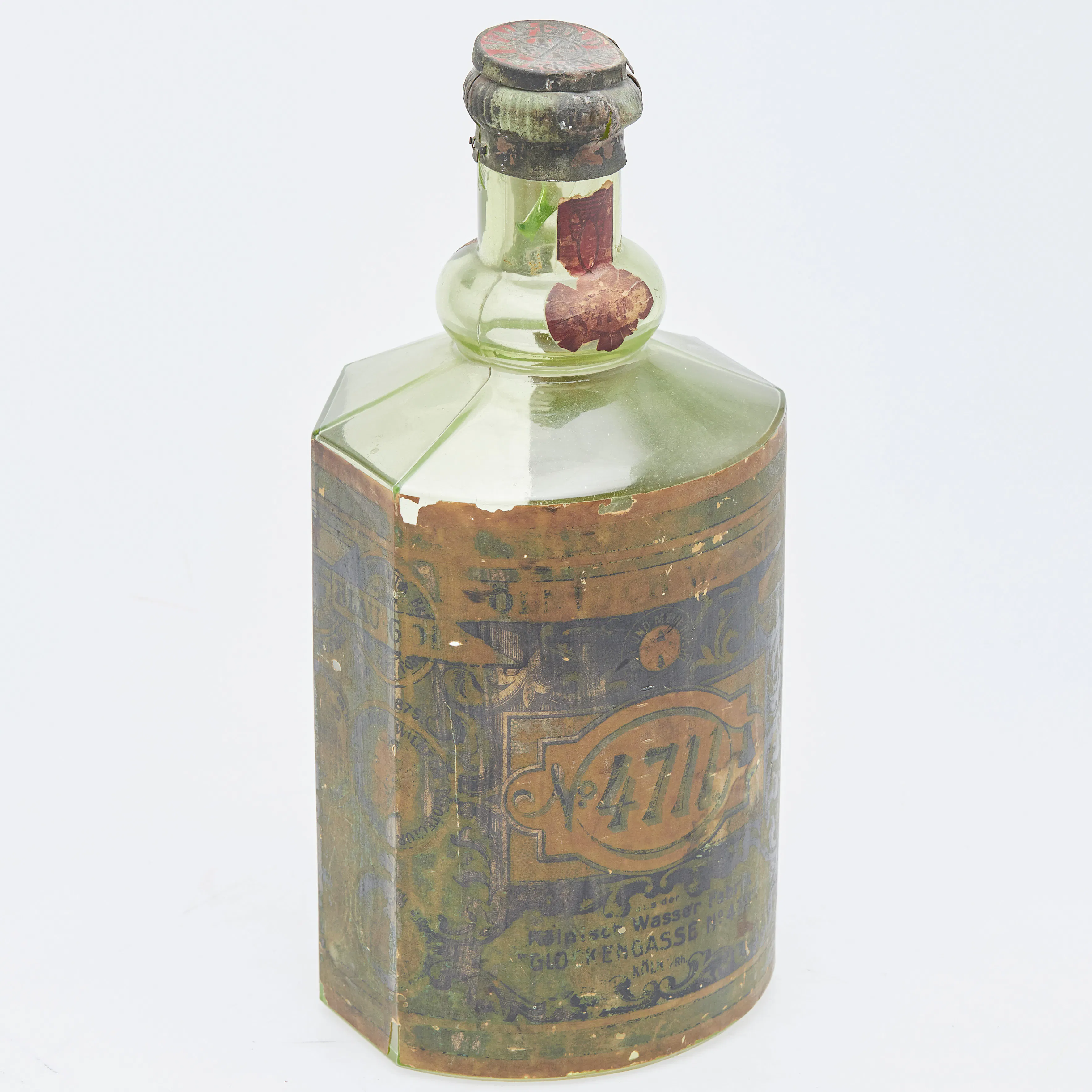
During the Seven Years' War, the French army occupied the German city of Cologne. In the early 1700s, Italian perfumer Johann Maria Farina had begun making a fragrant Eau de Cologne called Eau Admirable. When the French left Germany, they brought several new customs home, including Eau de Cologne, which became immensely popular at court and spread across the continent.
5. 120 liters of Eau de Cologne for the court
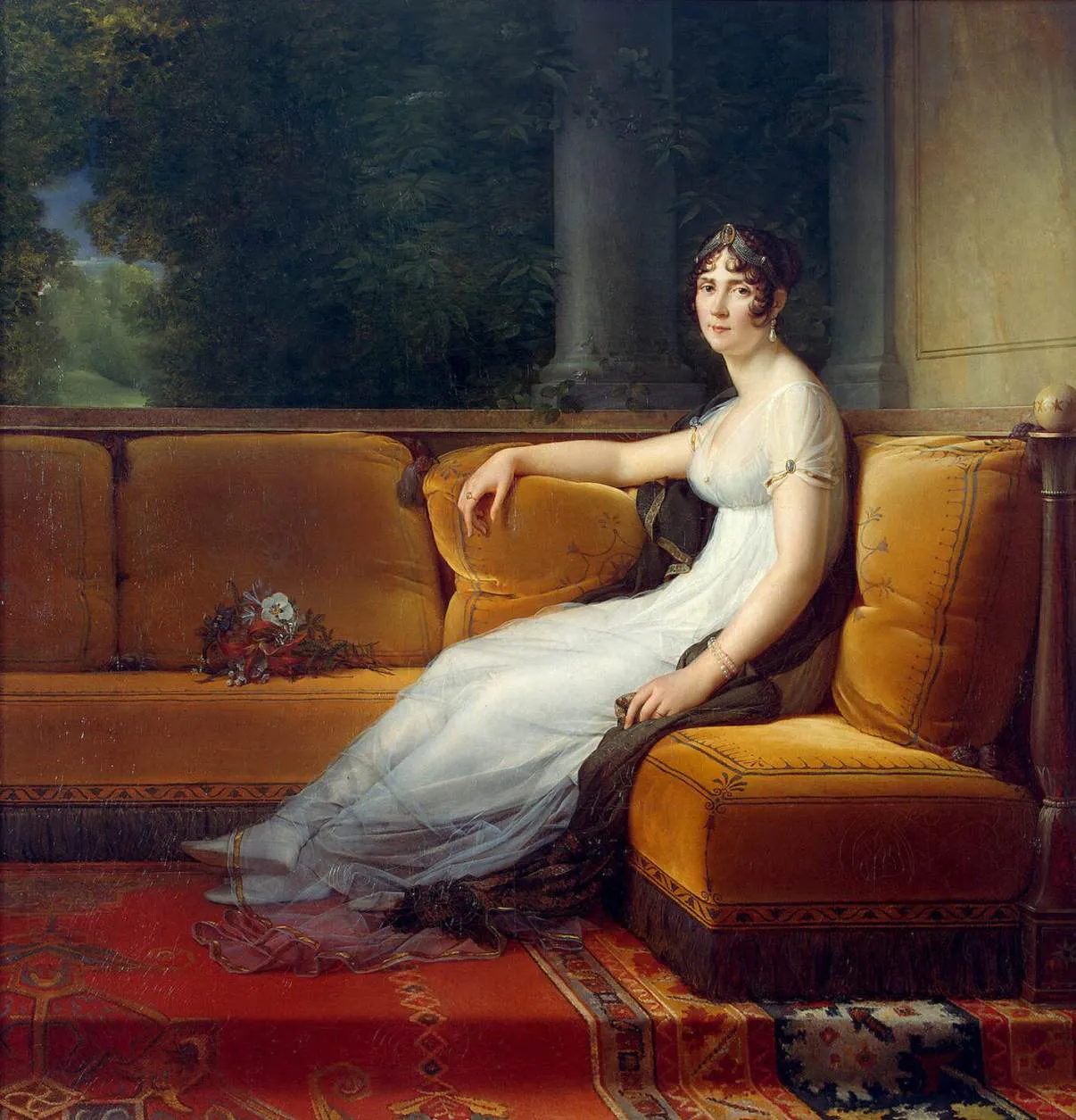
Napoleon had his own perfumer at court, Monsieur Tessiere. The French emperor was particular about scents and reportedly consumed (mainly by drinking) up to 120 liters of Eau de Cologne every month. His wife Josephine preferred very heavy scents and was eventually nicknamed 'la folle du musc' (the musk madwoman).
After Napoleon's fall and his exile to Elba, heavy scents were replaced by fresher ones. The English aristocracy became the main source of inspiration, and lighter, floral and citrus-based scents became popular as personal hygiene improved throughout Europe.
Related: 5 Portraits of Women in White
6. The French Revolution
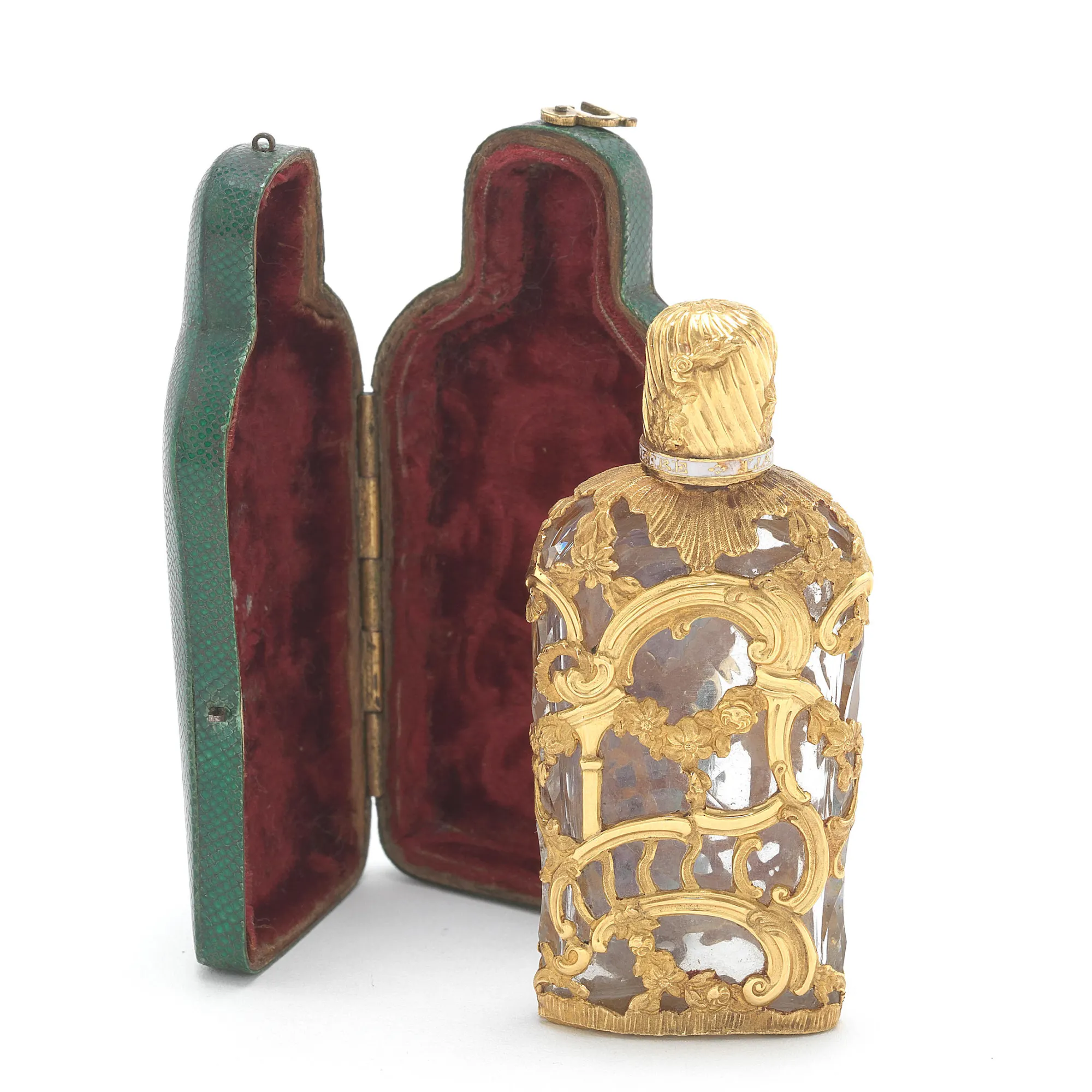
Despite the French dominance in the perfume market, the French Revolution in 1789 temporarily halted production. However, some tried to take advantage of the chaotic state of the country — one clever scent entrepreneur went so far as to name one of his perfumes Guillotine.
7. Synthetic substances and spray bottles
In the 19th century, perfume making was revolutionized yet again. The first spray bottle was created by Rimmel, transforming the way scented drops were sold. Rimmel also made its own labels, which set its bottles apart.
By the end of the century, the first perfume consisting of synthetic substances hit the market: Fougère Royale by Houbigant. Unlike the natural raw materials that had been used in the same way for hundreds of years, synthetic perfumes were much cheaper to produce, and increased access.
Related: René Lalique: Perfume Bottles into Artworks
8. Chanel No. 5
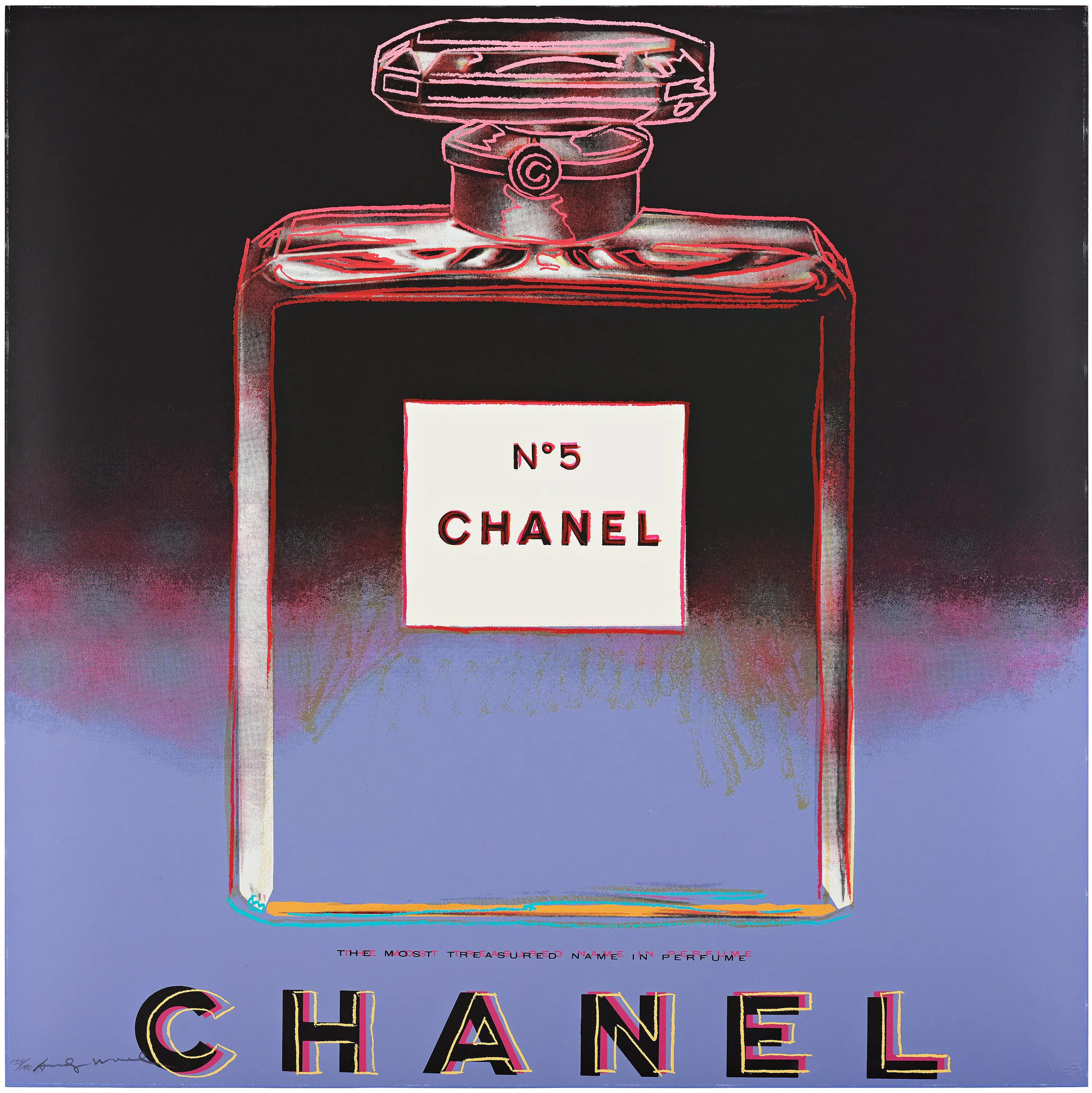
In 1921, Chanel No. 5 – one of the world’s most legendary perfumes – was created. The scent was created by Ernest Beaux, a chemist who had previously worked for the Russian Tsar. The perfume received its somewhat uninspired name from the start when the legendary designer Coco Chanel chose between several of Beaux's different compositions. The fifth composition was Chanel’s favorite, and the rest is history.
Related: Chanel: French Fashion Par Excellence
9. Eau de homme
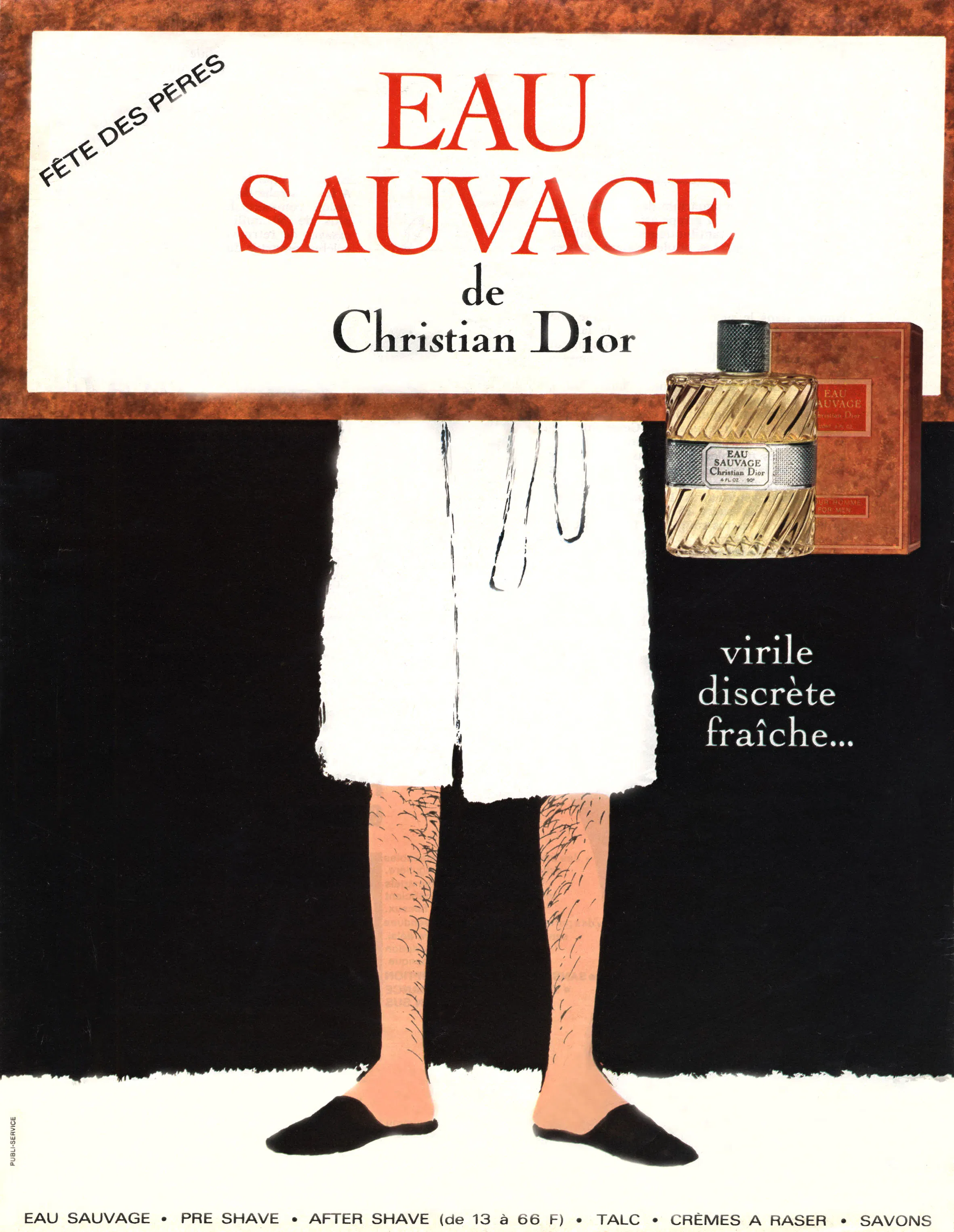
It wasn’t until the mid-20th century that dedicated fragrances for men existed. Originally, perfumes had been unisex. In the 1960s, Edmond Roudnitska created Eau Sauvage for Dior, made with oakmoss and hedione. To this day, it remains one of the best-selling men's fragrances.
10. From signature scent to perfume wardrobe
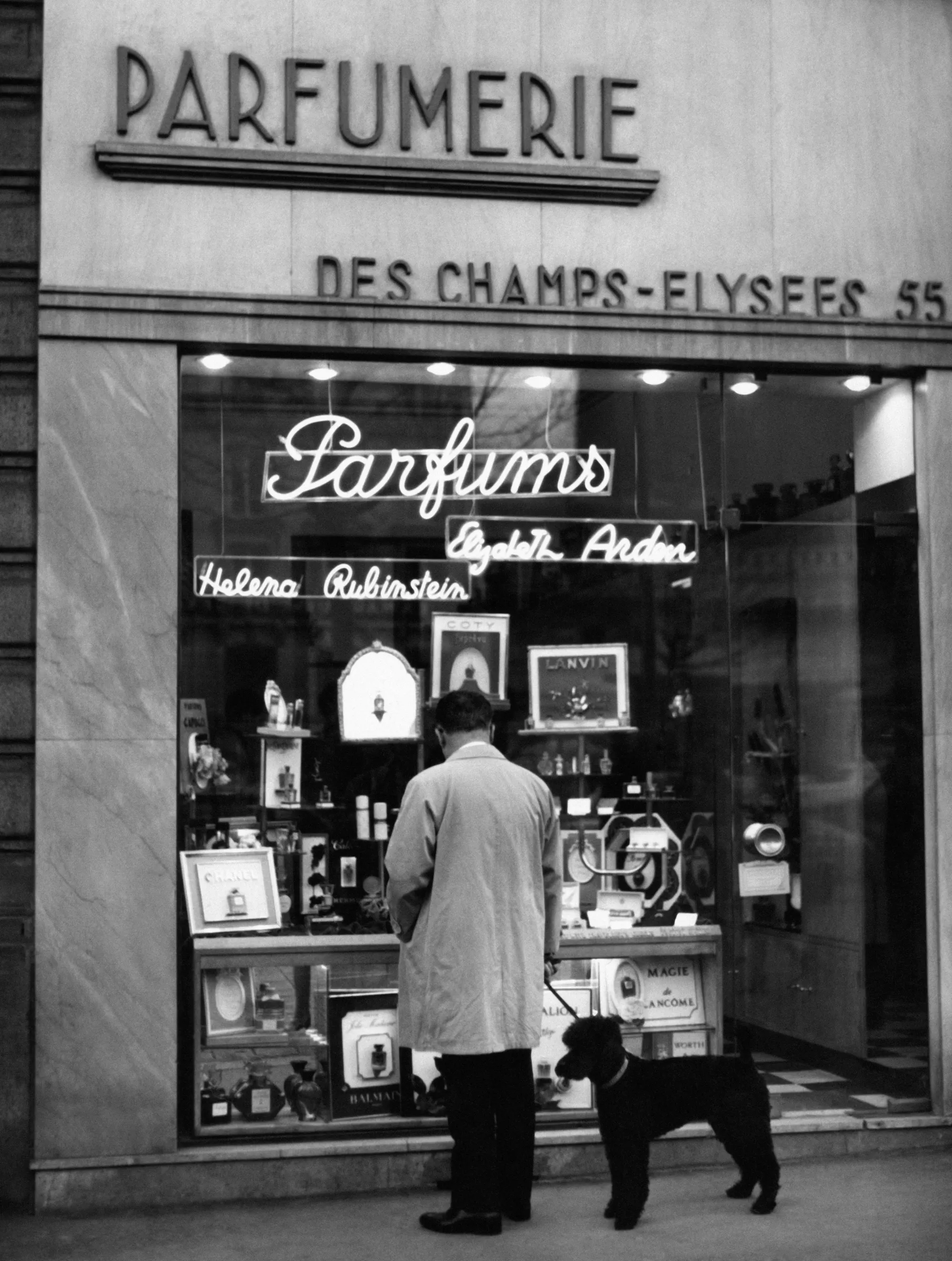
From expensive drops reserved for society’s elite to beloved classics for the masses, the history of perfume is certainly fascinating. Throughout the 20th century, many people talked about signature scents, meaning a perfume that complemented one’s personality, style, and character throughout their life. But it doesn't have to be so limiting. Today, there are many small perfume houses with a variety of exciting scents to discover for those who are curious and do not wish to be defined by a single fragrance.