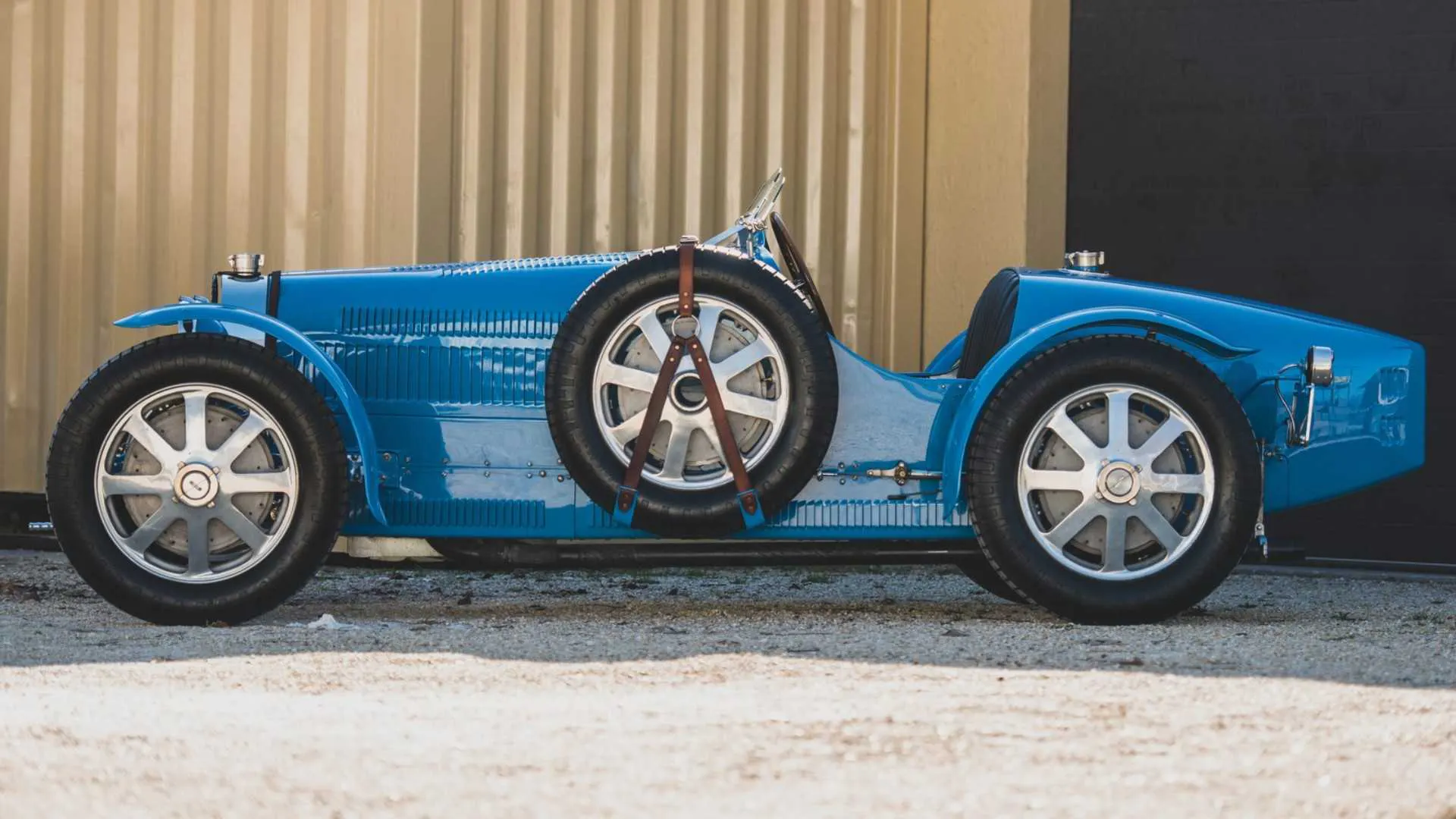
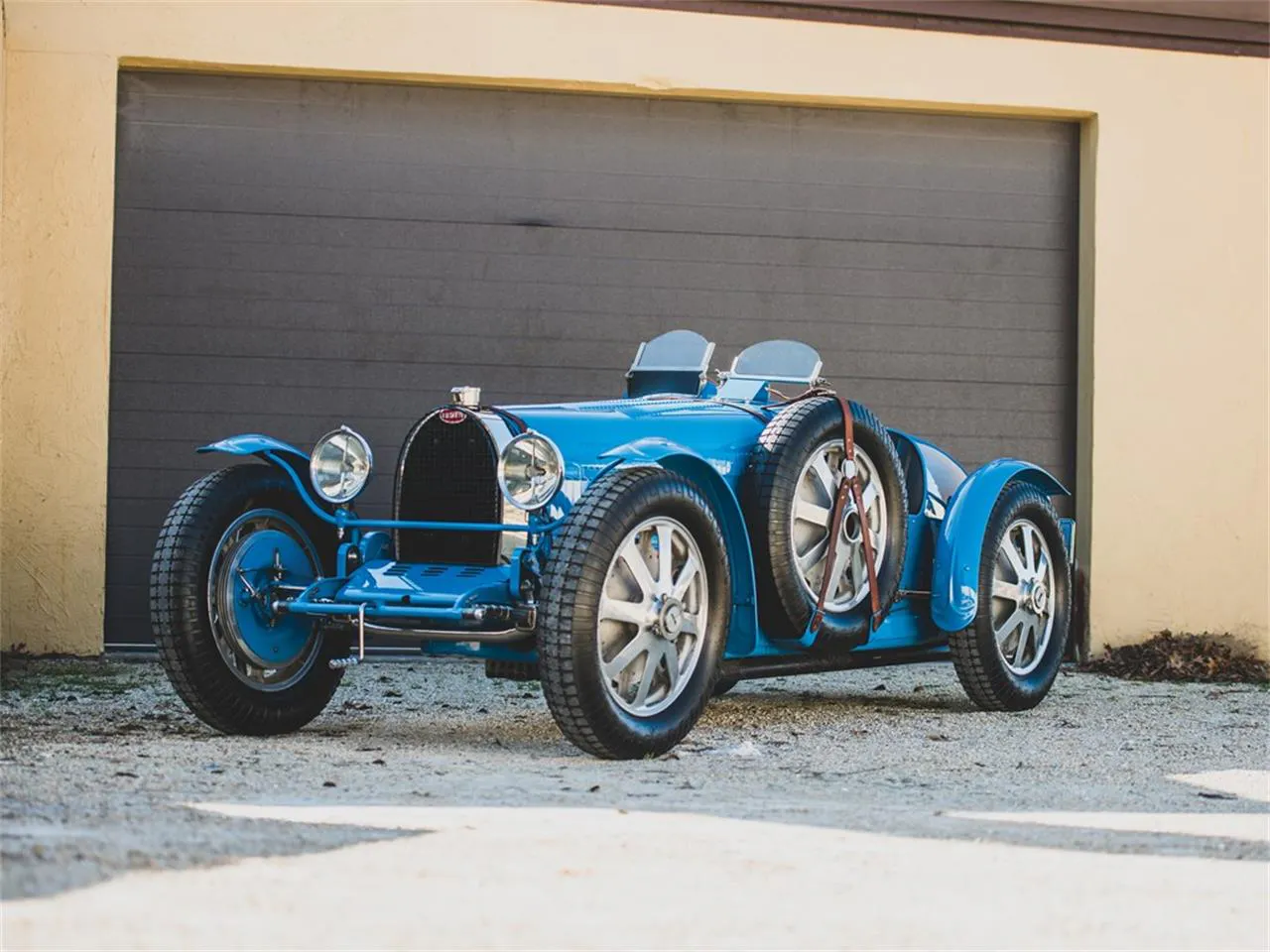
Bugatti chassis number 51153 is documented in the records of the factory in April 1933 as the first of a batch of five Type 51s slated for build. It was prepared as a factory entry for the 1933 Grand Prix season. In the records are many clarifications and numerous repair notes regarding engine teardowns and rear axle ratio changes.
In 1931, the Bugatti Type 51 was introduced as the latest iteration of the company’s time-honored two-seat race car design that originated with the Type 35. The engine architecture Ettore Bugatti had licensed from Harry Miller’s successful Indianapolis race cars. The Type 51 engine featured a dual-overhead cam version of the supercharged straight-eight, now enlarged to 2.3 liters.
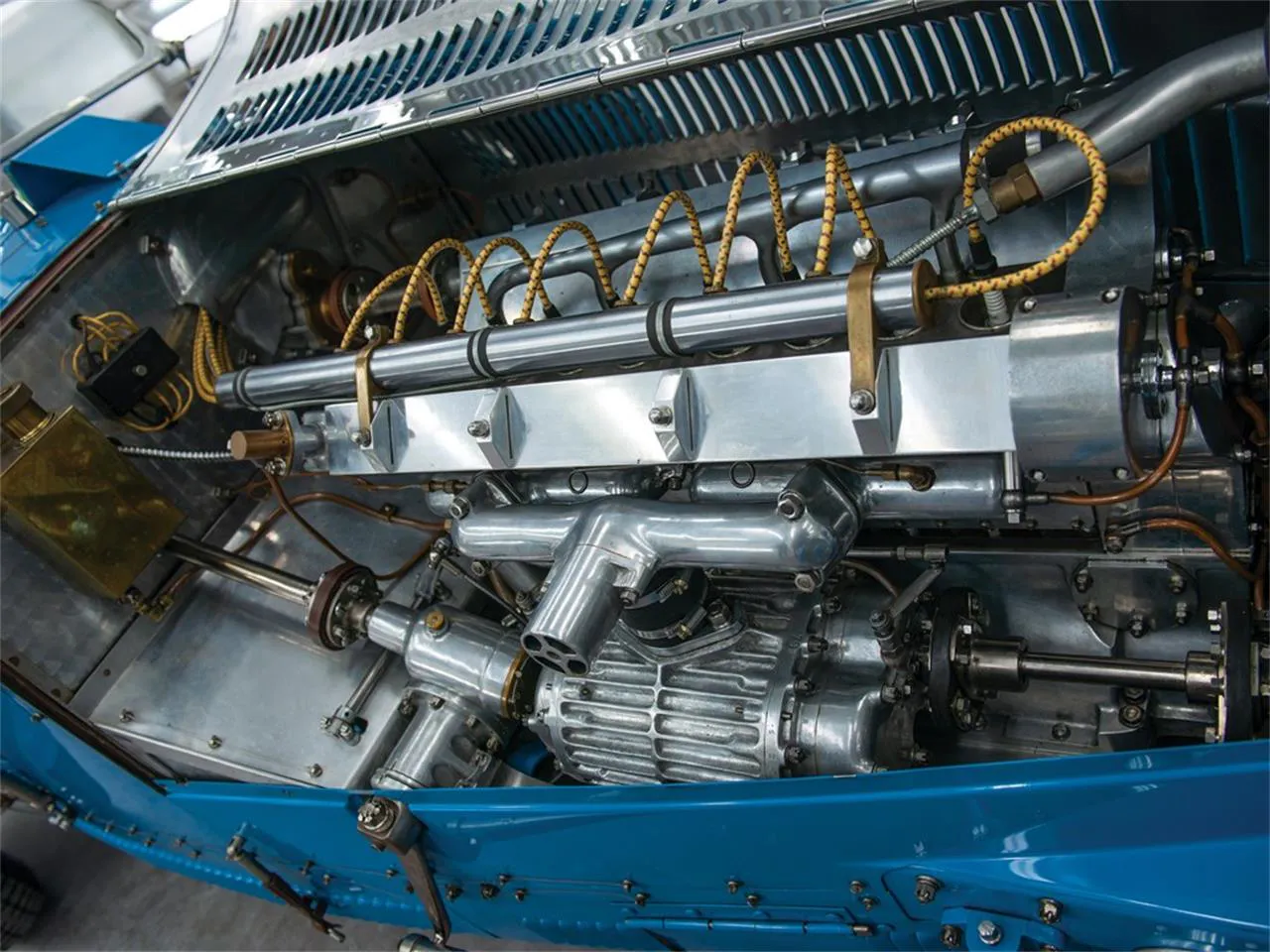
Though it was not competitive with the newer and more technologically advanced race cars from Italy and Germany, the Type 51 was a long-term success with Bugatti enthusiasts and vintage racers. A total production of around 40 examples were built by 1934. The Type 51 model is widely considered the high point of Bugatti’s race car designs.
The Type 51 was registered to Automobiles Ettore Bugatti of Molsheim on July 4, 1933. It came to serve as a factory race and test car for a total of nine months. At the time, race cars were not generally tracked by chassis number, which makes it difficult to unequivocally distinguish one factory car from another, but it is believed that 51153 likely participated in several important races while driven by the famed Bugatti driver René Dreyfus.
On July 9, 1933, Bugatti entered three Type 51 cars, driven by Achille Varzi, René Dreyfus, and William Grover-Williams for the Belgian Grand Prix. At the race, they managed to finish 2nd, 3rd, and 6th, respectively. At the Dieppe Grand Prix six days later, Dreyfus placed 2nd while Williams’ car retired early. As drivers often retained the same car throughout the season, it is reasonable to assume that Dreyfus drove 51153 to his 2nd-place finish at the Nice Grand Prix on August 6 and at the Coppa Acerbo in Pescara the following week. Dreyfus may also have been driven the car at the Czechoslovakian Grand Prix on September 17, where the Frenchman finished 4th.
At the end of the 1933 season 51153 was mechanically overhauled at the factory in Molsheim. At this time an extremely rare rear-axle ratio, 11 × 55 was fitted, the only recorded use of such a ratio in Bugatti racing history. Mr. Sewell’s conclusion to this high-torque low-speed ratio may have been intended for the 1934 Monaco Grand Prix on April 2, where Pierre Veyron finished 9th in a Type 51.
In early April 1934, in preparation for sale, the Type 51 was mechanically renewed again by the factory. On April 13 it was recored as sold to Turin resident Giovanni Alloatti. Mr. Alloatti entered his new Type 51 at the Targa Florio on 20 May, but unfortunately was out of the race following an accident on the second lap. The Bugatti was returned to the factory for repairs, at this time the current frame, number 256, might have been installed. This frame was originally for a Type 35.
In December 1936, the records show that the Bugatti was exported to England by Jack Lemon Burton. After being in storage during the beginning of the war, chassis 51153 was in 1942 sold to Allan Arnold, of the coach builder company Arnold of Manchester. At the end of the war, Mr. Arnold began modifying the Bugatti for sprint and hill climb racing. He replaced the coach work with a lightweight two-piece body with cycle fenders, probably designed and built at the Arnold coach works.
The car was entered at various events in northern England over the following two years. During two appearances at the Shelsley Walsh hill climb it sat a best time record, it raced at Prescott three times, and at Brighton once. In early August 1947 the car set a course record of 14.8 seconds at the Hartlepool quarter-mile sprint. Through 1949 additional modifications were undertaken that included the installation of an ENV pre-selector gearbox, Newton telescopic shock absorbers, externally actuated Lockheed hydraulic brakes, and dual external exhaust pipes. Arnold also experimented with a two-stage supercharger from a Type 50. It raced at sprints at Weston-super-Mare and Queensbury.
In May 1950 Arnold sold the Bugatti to J. Wilkins, who reinstalled the original gearbox, and participated in the 1951 Nottingham Sports Car Club meet at Gaston. Chassis 51153 next passed to J.M. Pratt, the owner of a garage near Brampton, before being acquired by Jim Barry of Heywood, Lancashire. Around 1959 car was imported to the US and offered by the Vintage Car Store in New York. Now in a bobtail racing body previously used on chassis 51152.
In Hugh Conway’s 1962 Bugatti Register the Bugatti chassis 51153’s next owner was Lynn Mayfield of La Jolla, California. In 1963 Mayfield sold the car to the well-known Bugatti enthusiast Raymond Jones, of Michigan. Jones reportedly purchased 50 Bugattis according to Conway’s important register, second only to the Schlumpf brothers’ acquisition spree. Chassis 51153 was the fourth Bugatti that Jones acquired during this period, and in 1967 he sold the Type 51 to his friend Ernest “Jack” Nuttle, who planed to restore the car.
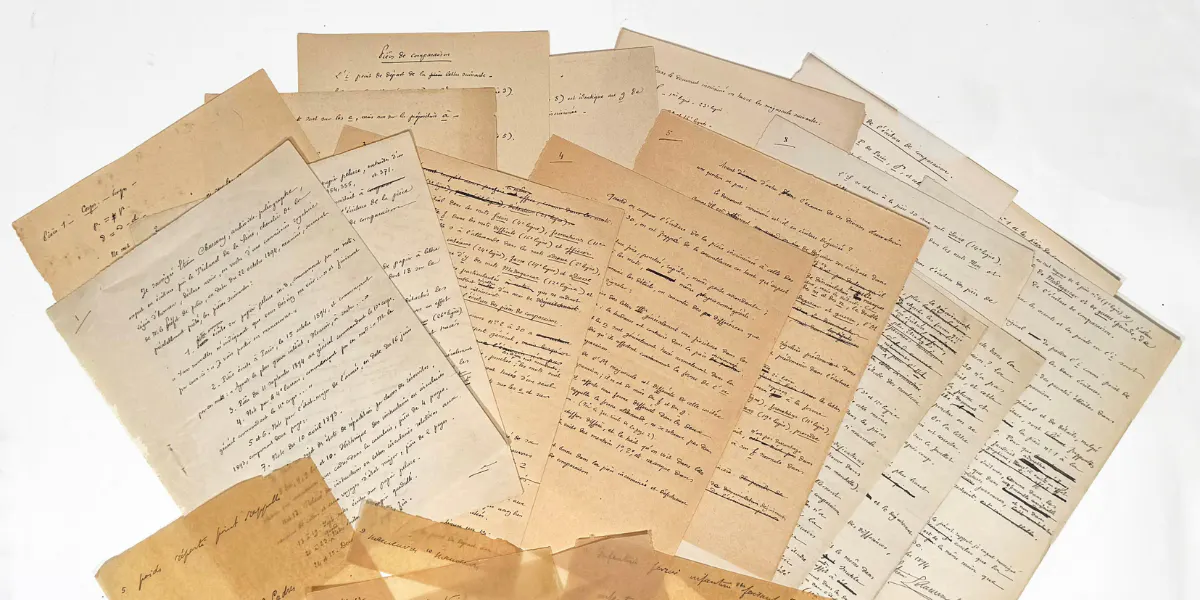
As many mechanical components were no longer in perfect order, Nuttle traded several to Jones for fresher substitutes handpicked from other Bugattis in his stock. For this reason, many of the original elements, including the engine and chassis frame, were eventually installed by Jones onto one of his other projects. This other chassis was later purchased by Lord Raglan in the late 1970s and eventually built into a well-known race car in Great Britain. The extensive report compiled by Bugatti historian David Sewell details the history and composition of the chassis 51153, known as the “Nuttle” Type 51. This includes correspondence from Sewell to then owner Peter Mullin and well-known Bugatti restorer Jim Stranberg that the car retains its original chassis plate which is affixed to the original bulkhead.
In 1973, with a faithful recreation body mounted the restoration of 51153 was completed. Jack Nuttle used the car for some 10 years before selling it to Bob Shaw of Antioch, Illinois. Acquired by the esteemed collector Bill Jacobs in 1986, the Bugatti subsequently passed to Peter Giddings and then Joe Masin of California before being sold in 1994 to preeminent marque collector Peter Mullin.
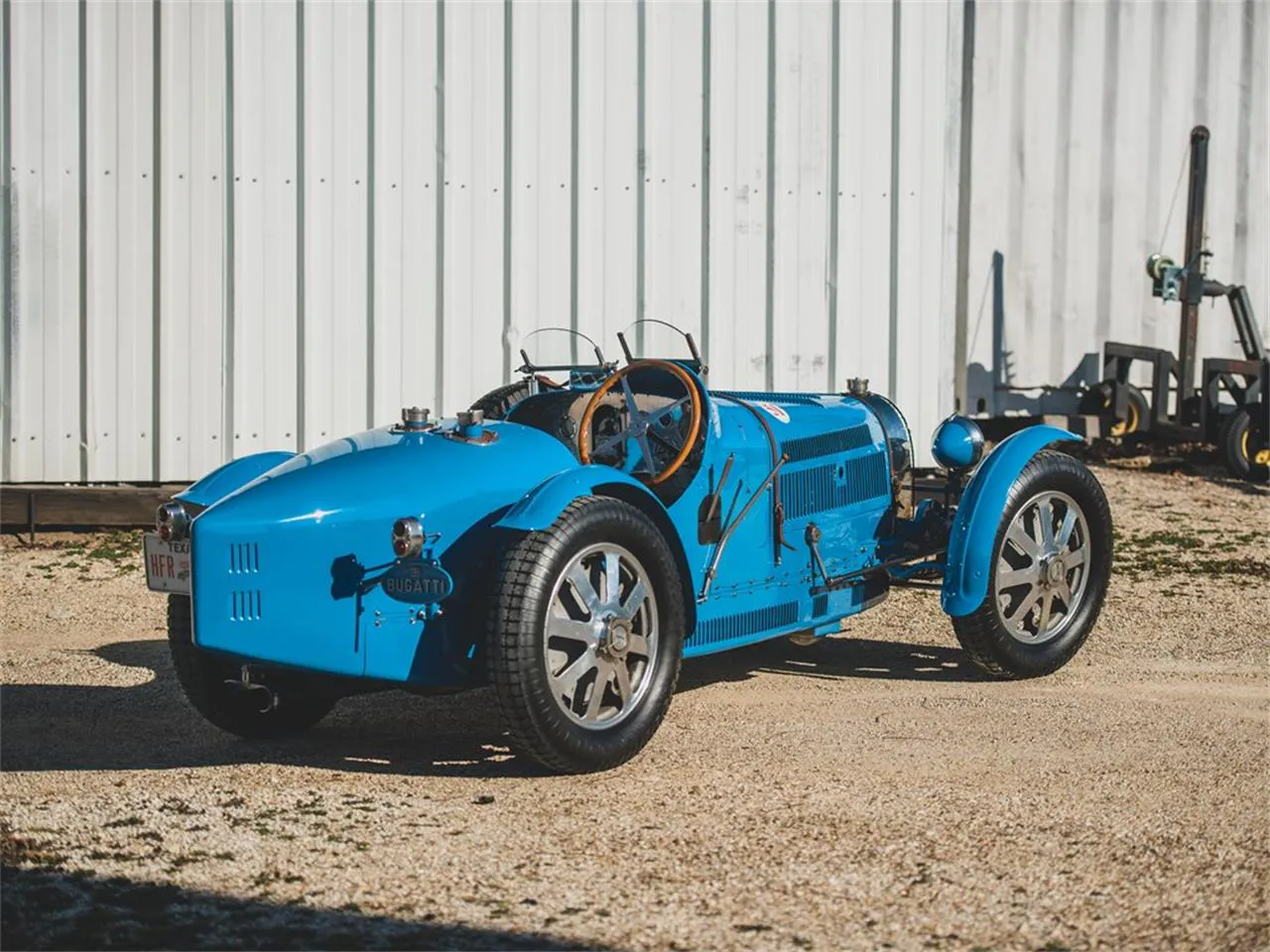
This Type 51 possesses the most legitimate claim as the authentic 51153, despite that the “Raglan” Type 51 bears many of this car’s original components and has often been identified with this chassis number. According to Sandy Leith, the registrar of the American Bugatti Club, “The Nuttle T51 [this car] contains the single most important element of chassis 51153; that of continuous history. Whatever parts came and went over the course of its lifetime prior to the ownership of Raymond Jones and after the restoration by Jack Nuttle, the car was and is chassis 51153.”
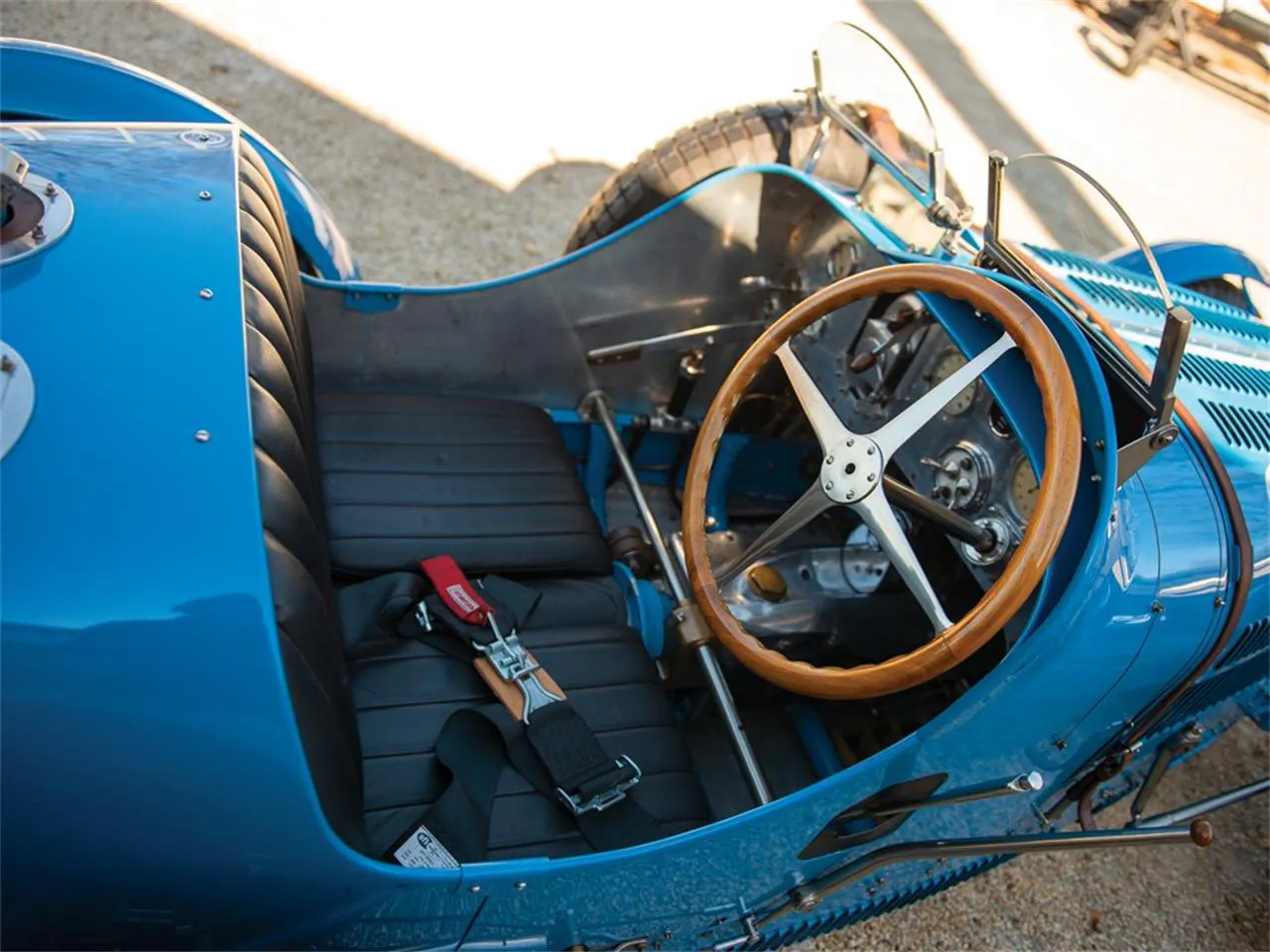
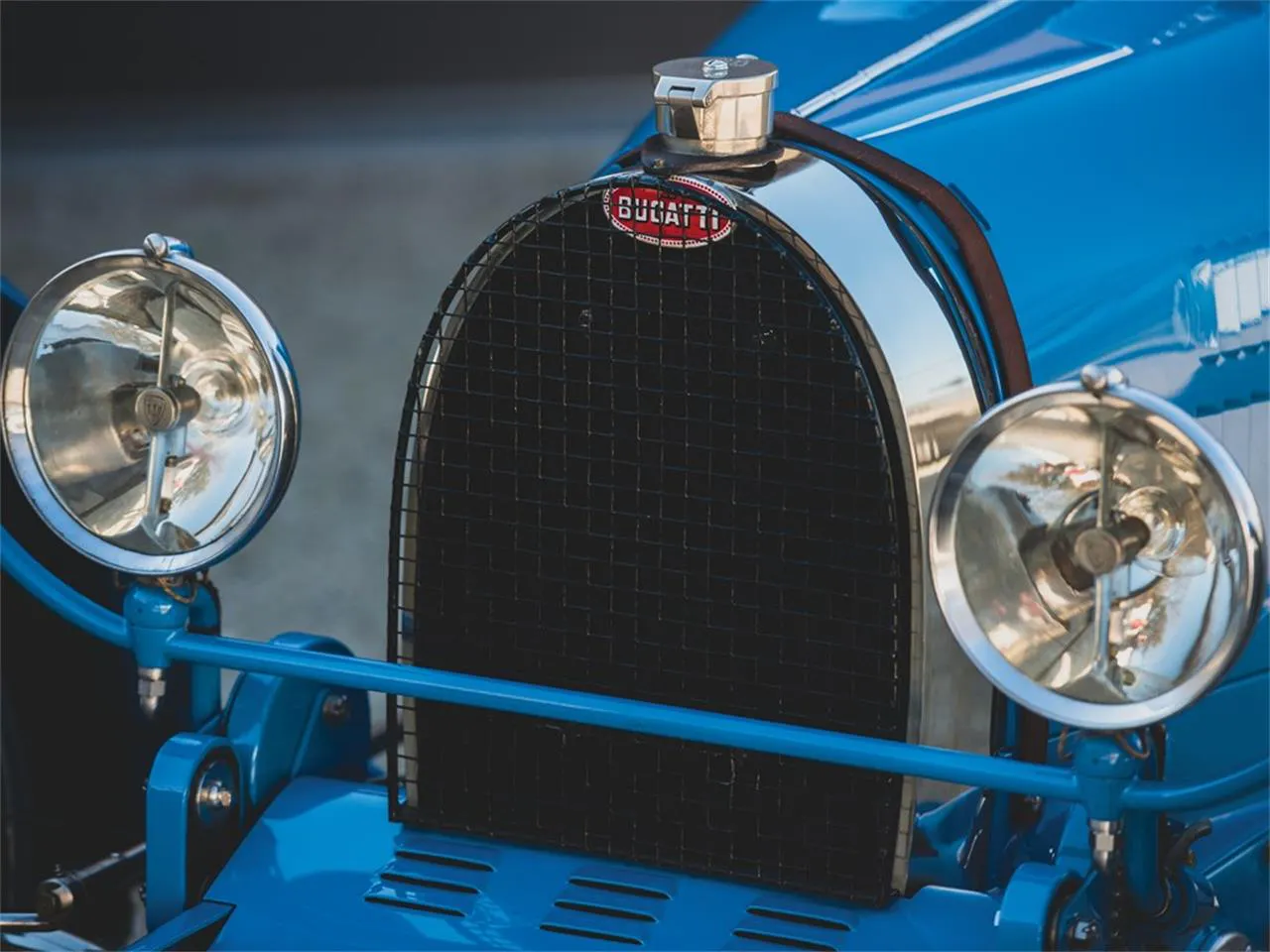
1933 Bugatti Type 51 Grand Prix
Chassis number: 51153
Engine number: 20
Frame number: 256
• One of four cars used by the 1933 factory team of Varzi, Dreyfus, and Williams
• Former 17-year ownership by Bugatti collector Peter Mullin
• Documented with FIVA passport
• Full report by Bugatti historian David Sewell
Sold for $758,500 at RM Sotheby’s at Amelia Island in March 2019.