I got to see the good, the bad and the ugly – and ultimately learn to recognize the difference.
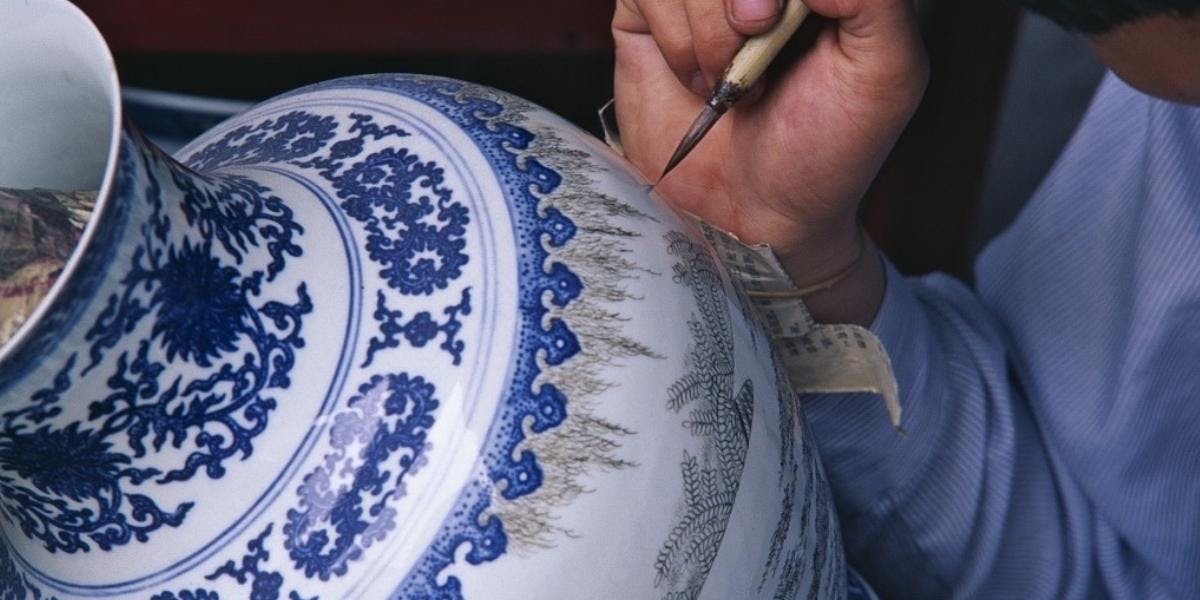
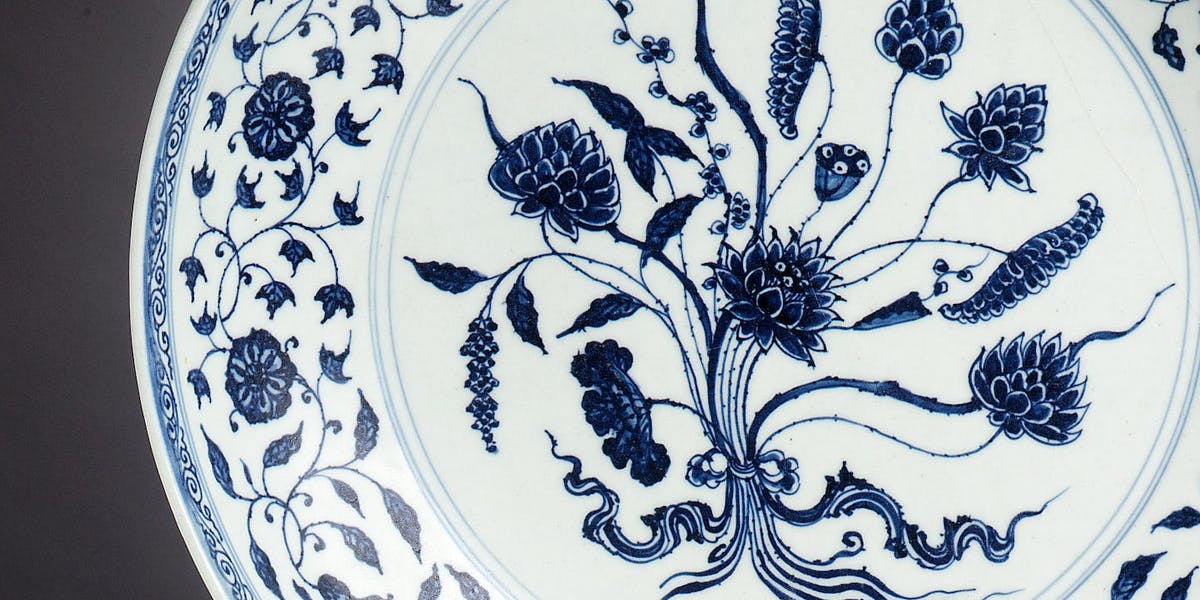
Although I may not have appreciated it sufficiently at the time, I was extremely privileged to have worked at one of the world’s great auction houses for a number of years. During my time at Sotheby’s in London’s Bond Street, I got to see and handle some of the most important pieces of Chinese porcelain and works of art the world has known. Pieces that were not only of national museum quality, but things that had been treasured by emperors, kings and queens. Not only did I get to discuss such objects with world experts in their field, but the sheer quantity of items that came through the doors for appraisal ensured that I got to see the good, the bad and the ugly – and ultimately learn to recognize the difference.
There was only one negative aspect to this extraordinary education and that was the acquisition of rather expensive taste in one’s own field. In the early noughts when I left, it was considered too expensive for the auction house to process anything worth less than £1,000, which is still about a month’s rent for a room within commuting distance of central London.
Related: Jade: An Asian Talisman
Having taken time off to raise a family, I got back into the business in 2007 with freelance consultancy work and a bit of dealing. There is often a fine line between collecting and dealing, and I am lucky to be married to someone who is very understanding of this. To begin with, it was very strange being on the other side of the rostrum, as a buyer. One often worries about over paying for something or can feel foolish for not bidding high enough.
Buying at auction is changing all the time and, with more sales becoming live online, it can often feel overwhelming. My advice to anyone setting out to start a collection would be as follows:
Explore historic collections
Always keep your eye in by visiting good museums. In the UK, The British Museum has wonderful collections and is the home of the Sir Percival David Foundation. Have a good look at the collection and spend time with all the things which really appeal to you. The Victoria and Albert Museum also has an excellent collection. Regional museums with good Chinese collections include The Ashmolean Museum in Oxford, The Fitzwilliam in Cambridge and The Asian Art Museum in Bath.
Handle the objects
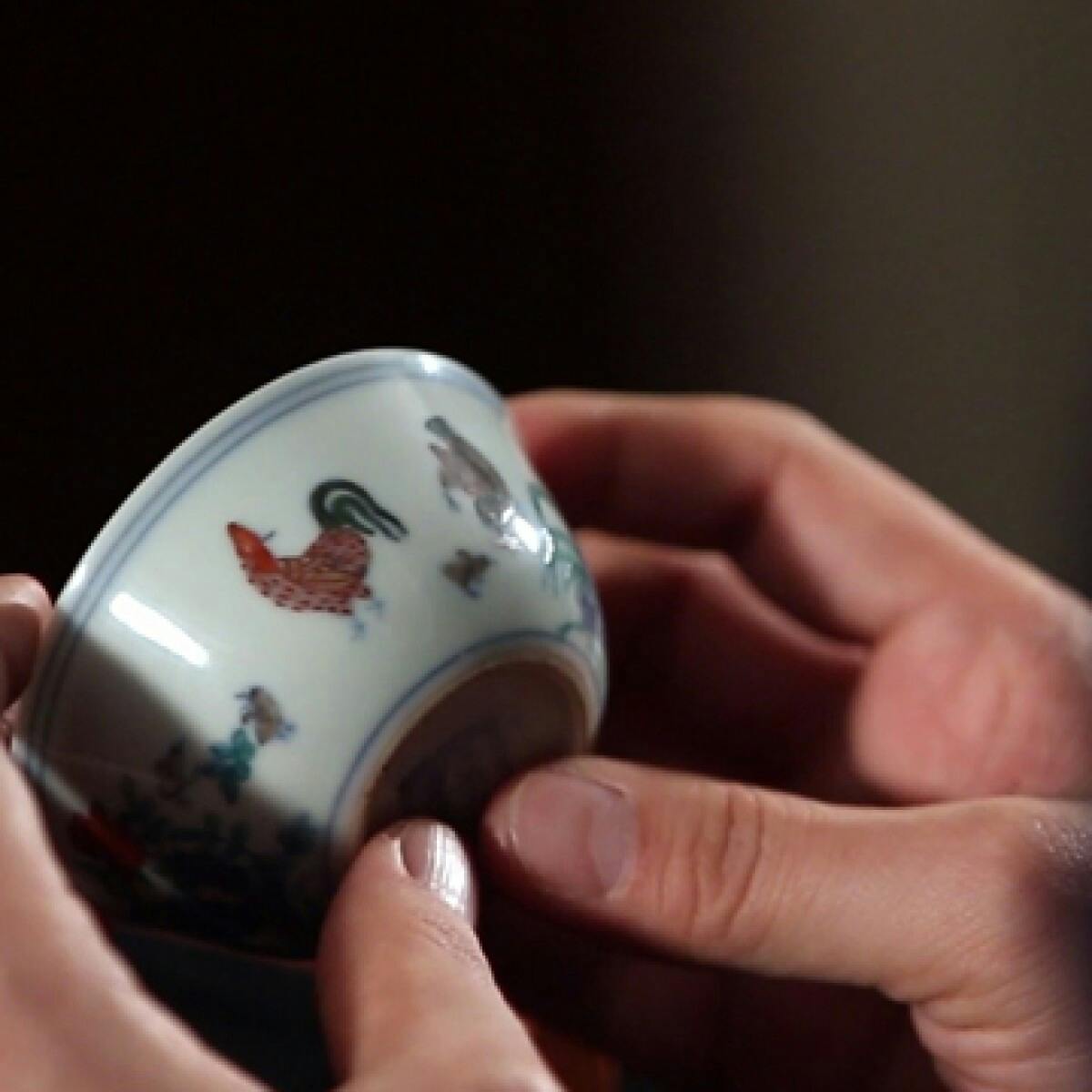
It’s also worth going to the viewings of the main auction houses in London, such as Sotheby’s, Christie's and Bonhams to get your eye in. Often at these viewings, you can ask to handle things. This is most important, so that you can get to feel the weight of an object in your hands. Spend time looking at the unglazed sections of the foot of a piece of porcelain, look at the polish of the glaze or of a jade carving.
Related: The Story of the Staffordshire Dog Figurines
With carvings, ask yourself how the item might have been carved. Was it carved by hand or by a machine? Was it polished by hand or by a machine? Look at the wear, does it look realistic or do you think it has been faked? Most importantly, read up on the things you like and things that interest you. The experts can guide you as to which books to read. You can often buy these books as lots in specialist sales.
Get to know the specialists
Get to know the experts at the auction houses and don’t hesitate to ask them questions. Most will be happy to share their knowledge with you, even if they are a bit rushed off their feet at times. There are some very good regional auction houses out there too, for example, in the UK, Woolley and Wallis, Dreweatts, Lyon & Turnbull and Bearnes, and of course these county auction houses have the space to sell more affordable items, because they don’t have the costly London overheads.
Don’t rush into things
One mistake I made early on was driving all the way to a distant regional auction house in the hope of finding a sleeper or a bargain. Because I had driven so far, I thought it was a waste not to buy something. I ended up with a piece I didn’t like very much and it wasn’t much of a bargain either. That’s not to say that sometimes it’s worth going further than others might. It can be a bit of a gamble and all part of the roller-coaster learning curve.
Compare auction house and dealer catalogues – and experts
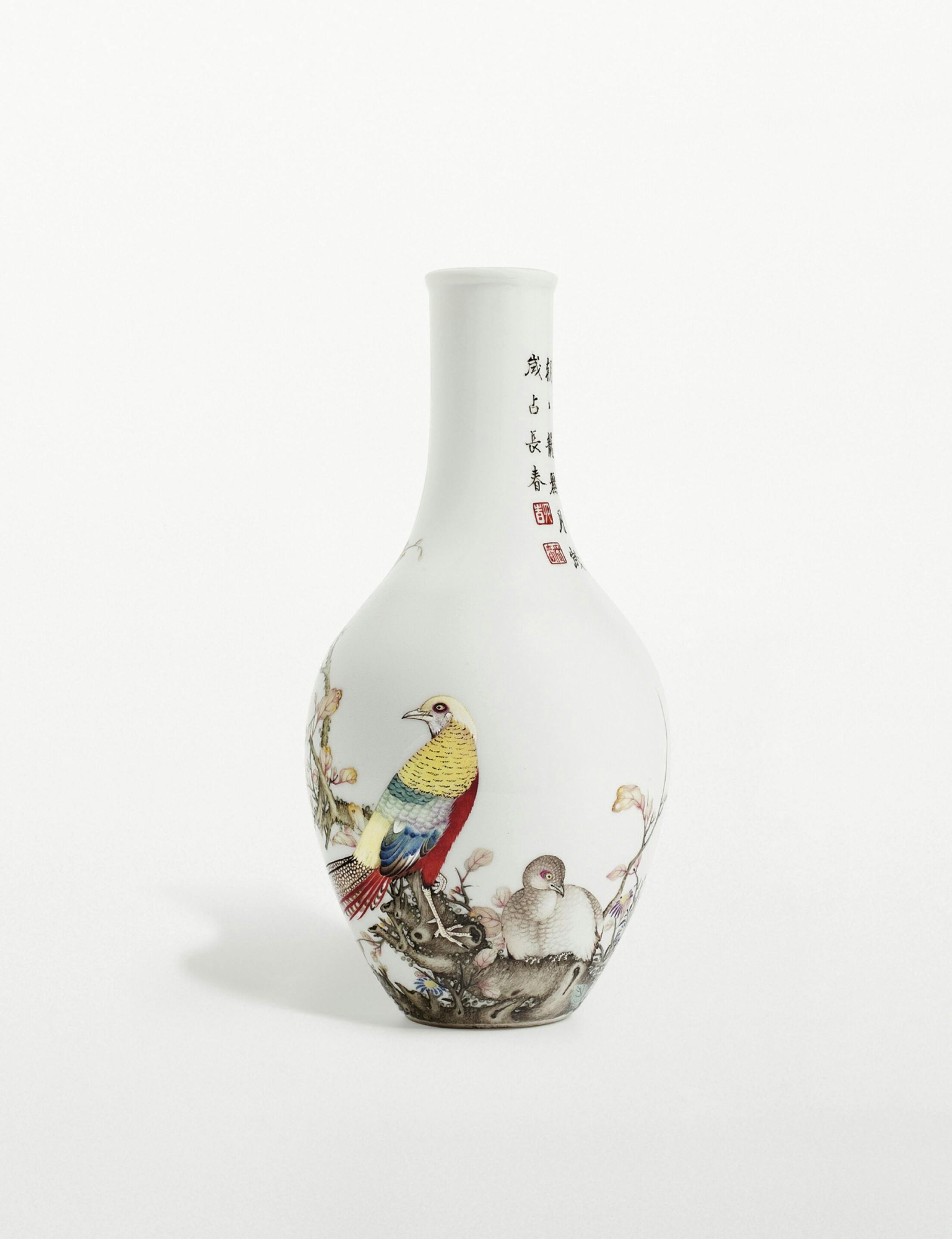
Of course, auction houses aren’t the only way to acquire. There are some wonderful dealers out there too and at least with a dealer you can take your time over something and have a haggle. Ask the dealer about their credentials: how did they become an expert and so on. It’s important you build up trust. Did they learn their trade at a reputable auction house or with a dealer? An expert is only as good as his or her training. If you are unsure about something they are trying to sell you, ask about provenance and/or go away and have a think. The expert in the local auction house might know the item, so it could be worth asking their opinion. They should be happy to help, as it is always in their interest to build up a relationship with new collectors.
Visit reputable fairs
Reputable antiques fairs, which have a vetting system, are also a good way to purchase good pieces. Many dealers can no longer afford central London rates and so take stands at these fairs instead. Examples are the BADA fairs in the UK and Haughton International in the US. Dealers must present their pieces for vetting by a recognised authority in their field. They are an excellent opportunity to network, shop around and compare objects without having to march all over town.
Examine the condition – and don’t be afraid of an imperfection
In the field of Chinese ceramics, particularly Imperial or Chinese-taste porcelain, condition has a huge importance and impact on value. If you aren't too fussy about the odd hair crack or tiny chip, then this is very good news for you. The value of such imperfect pieces can be reduced by around 90% by a small chip or hair crack. For this reason, there are plenty of imperfect pieces out there waiting to be bought. Their beauty and the craftsmanship that went into them can be appreciated just as much.
Related: 5 Things You Didn't Know About Ceramics
Sometimes you can commission a good restoration or just display the item so that the crack doesn’t show. You would be the only person to know, so you can keep this information to yourself when you show off your collection to your friends. Always request a condition report before placing a bid or buying from a dealer.
Compare earlier and later versions
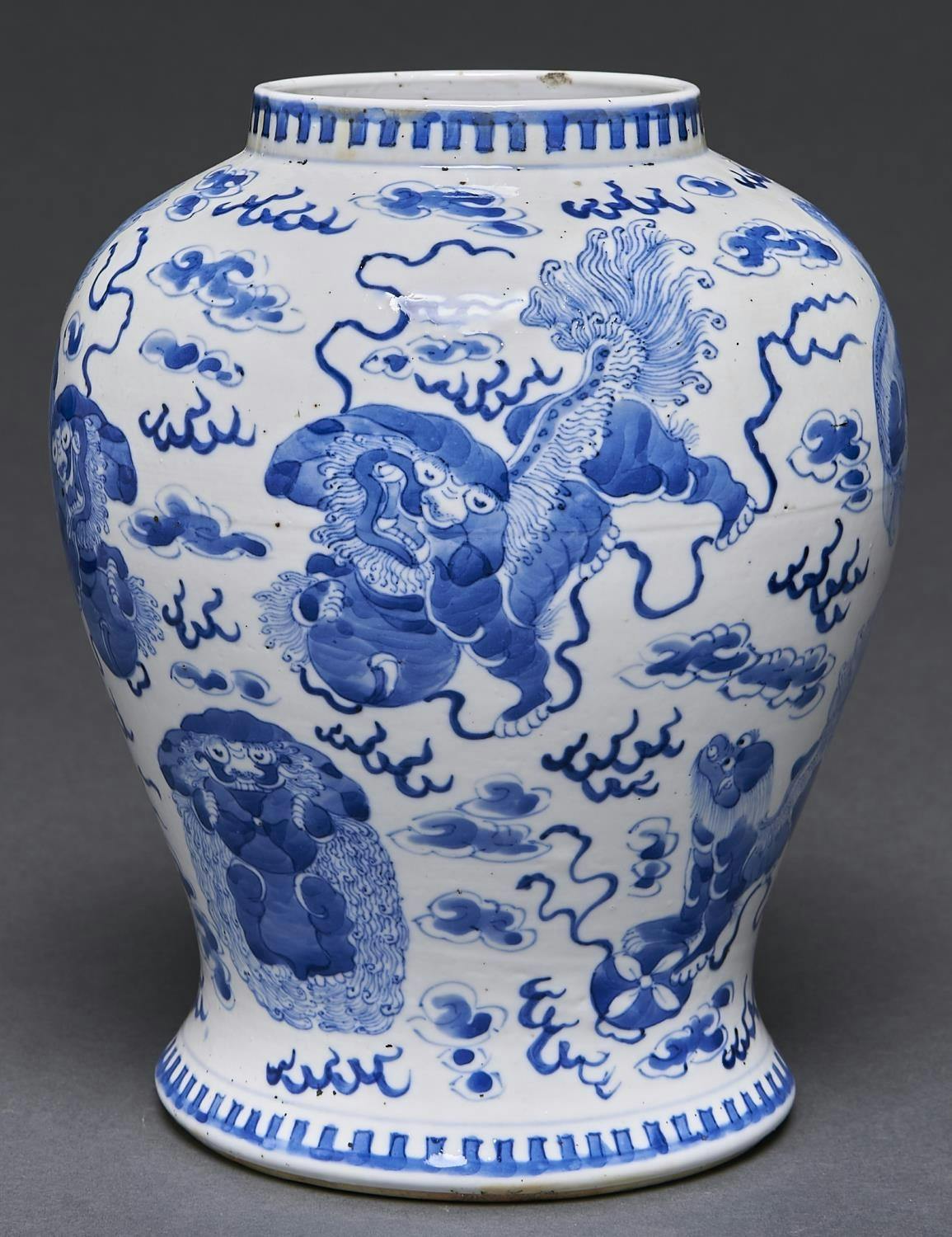
Another way of buying a less expensive version of something you like is to buy a later version. Modern fakes aside, of course.
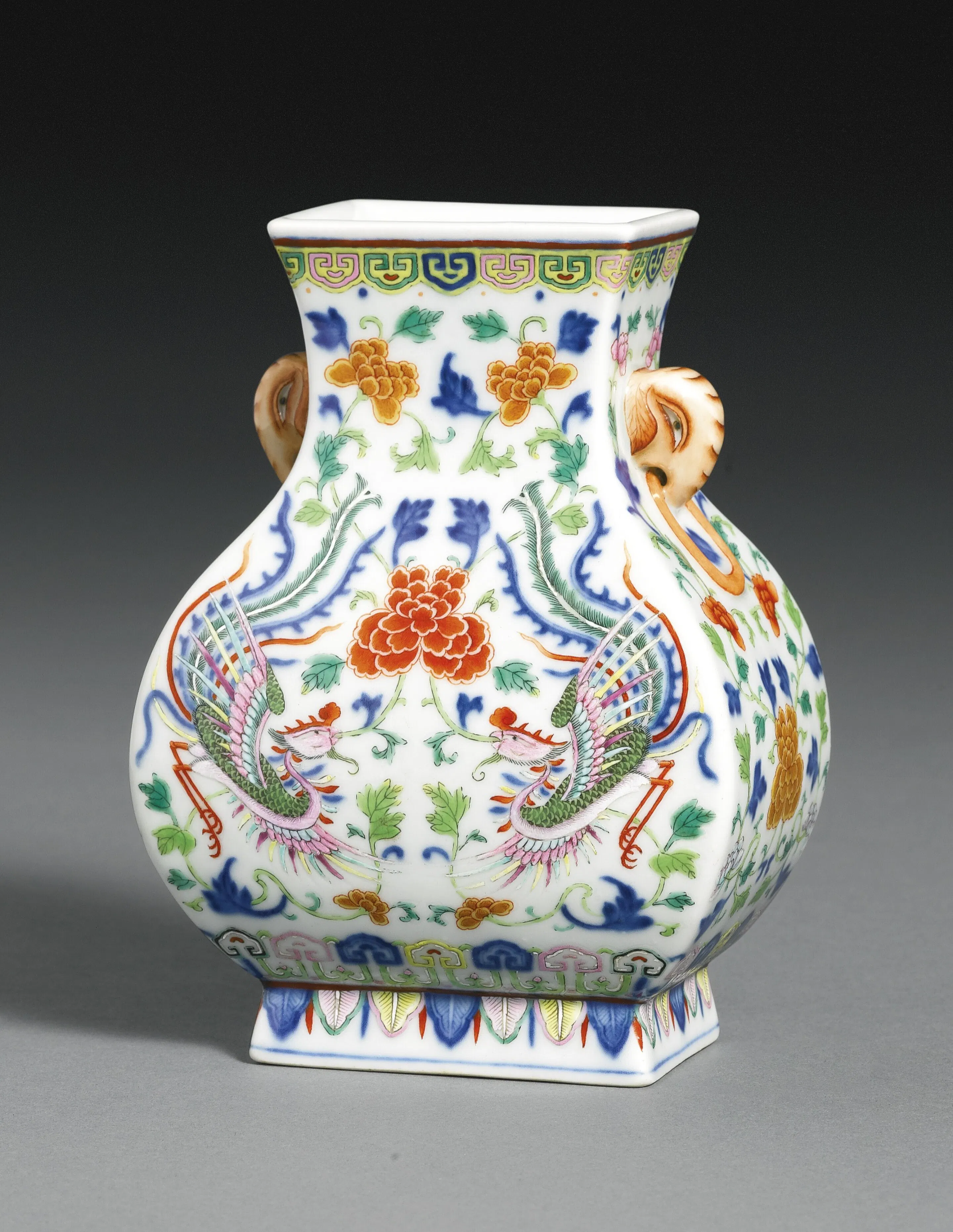
The Chinese have always emulated treasures from the past. For example, Tang Dynasty (618-907) sancai pottery has been emulated in both the Ming (1368-1644) and the Qing (1644-1912) dynasties. Ming-style blue-and-white items were regularly reproduced in the Qing dynasty.
Related: Kintsugi: The Beauty of ‘Golden Scars’
Another example is Song Dynasty (960-1279 AD) monochromes. I love these, but good genuine Song Dynasty pieces are often out of my price range, so I would buy an 18th/19th-century example instead – they can still be extremely elegant. Unlike modern fakes, these later Ming or Qing copies are not meant to deceive, even if they have an earlier imperial mark. They were created out of reverence for objects made during a particular period or reverence for a particular emperor.
Watch out for modern fakes
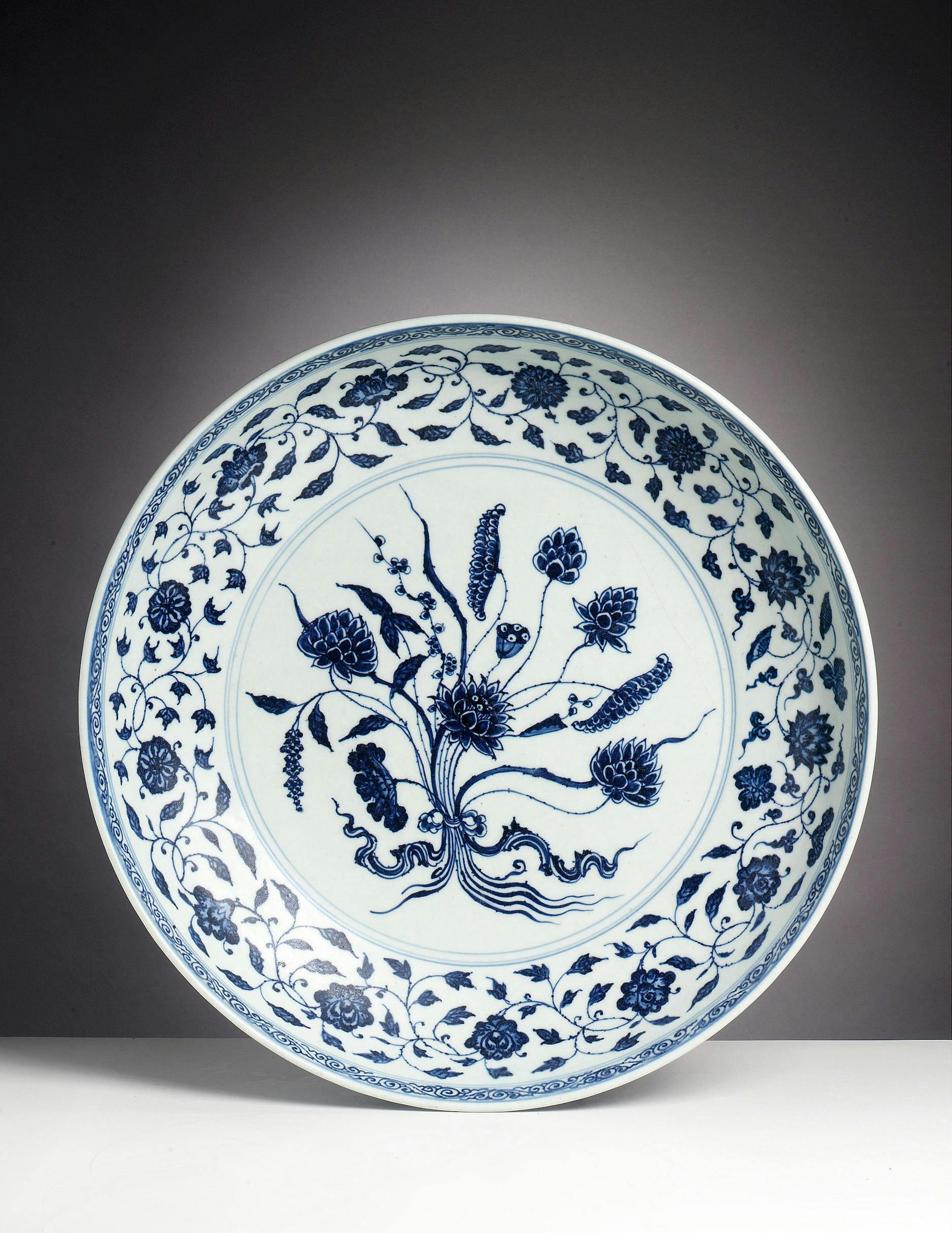
Do be careful about modern fakes, however. These are often made explicitly to deceive. If you buy at a reputable auction house or dealer, there will be a guarantee, so if something is subsequently found to be fake, you should get your money back. When you’re starting out, buying straight off the Internet isn’t such a good idea. Unless you really trust the expert involved and have requested an extensive condition report, stay well clear.
Related: Porcelain Dolls: Toys Turned Collectables
Once you become a bit more confident about your chosen area of collection, you could break out of your comfort zone and look for ‘sleepers’ in the lesser known antique shops and auction houses. These are increasingly harder to find, with almost everything having a photograph on the web, but it can be quite fun and satisfying if you get it right.

Buy what you like
The most important rule for collecting, however, is that you must really like what you buy. Don’t buy something just because you think it might be a bargain – acquire a taste for it first. You may find that your taste will change or broaden over time. If you decide to change your field of collection for some reason, the fact that you liked a piece to begin with means it is more likely someone else will want to buy it in the future. It really doesn’t matter whether your taste is narrow or broad, just enjoy the journey.
Explore more collecting guides and tips with Barnebys Magazine
Article by Diana Darwall
Diana Darwall worked in the Chinese Department at Sotheby's London from 1989 to 2000, where she became an expert and eventually ran the Chinese Export Porcelain and Works of Art sales. Since leaving to bring up her family, Diana has been dealing, collecting and undertaking freelance consultancy work.