
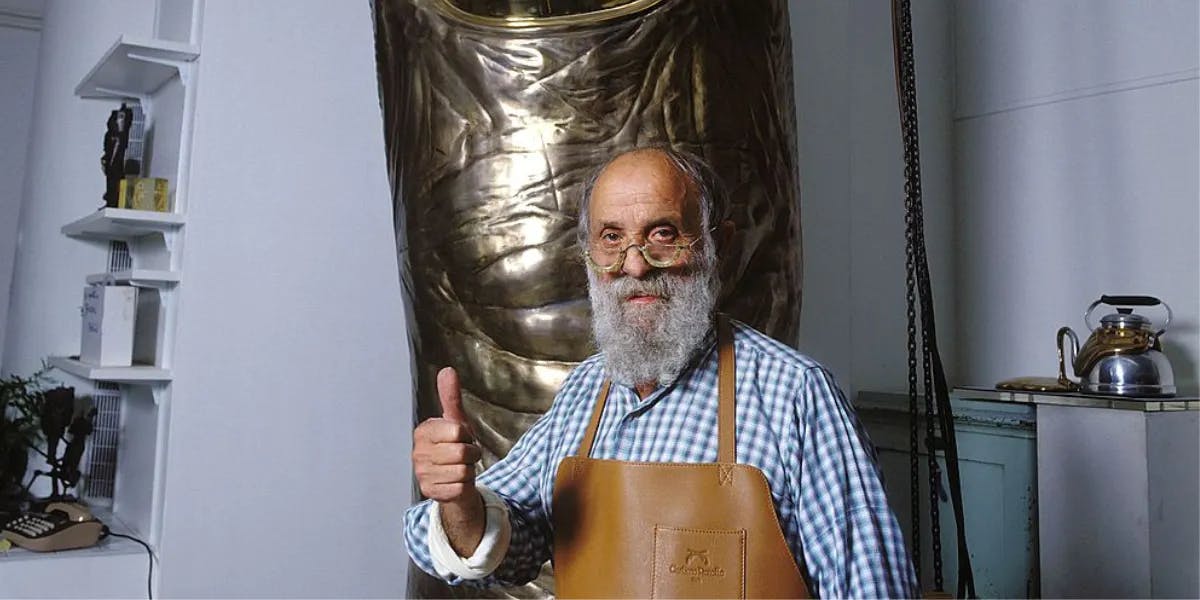
César Baldacinni, known as César, was born in Marseille in 1921 to Italian immigrants. He made the decision to leave school at the age of 12 to start working. However, his determination to become a sculptor pushed him to resume his art studies three years later, when he enrolled in evening classes at a local art school. In 1943, he obtained a scholarship to the Beaux-Arts in Paris. However, when stone was too expensive to make his sculptures, César decided to use scrap metal, such as bolts, tubes, and screws. He was joined the New Realism movement in France in 1961, which had been co-founded the year prior by Yves Klein. The movement combined aspects of the Italian Arte Povera movement, which used raw, unprocessed materials, and the Materialist movement, which incorporated "found" objects into their works. César was inspired by Picasso, Germaine Richier and Alberto Giacometti.

In 1954, the Galerie Lucien Durand had organized his first solo exhibition, and his first compression sculpture was exhibited in 1958. Several national museums also acquired his sculptures, thus allowing him to achieve a certain recognition. He would still remain distant from the world of art, which tended to snub him.
Related: The Intimate World of Artists' Jewelry
From the 1960s, César used a hydraulic press (which is used to compress cars) to create his sculptures, expanding the concept of what it means to be a sculptor.
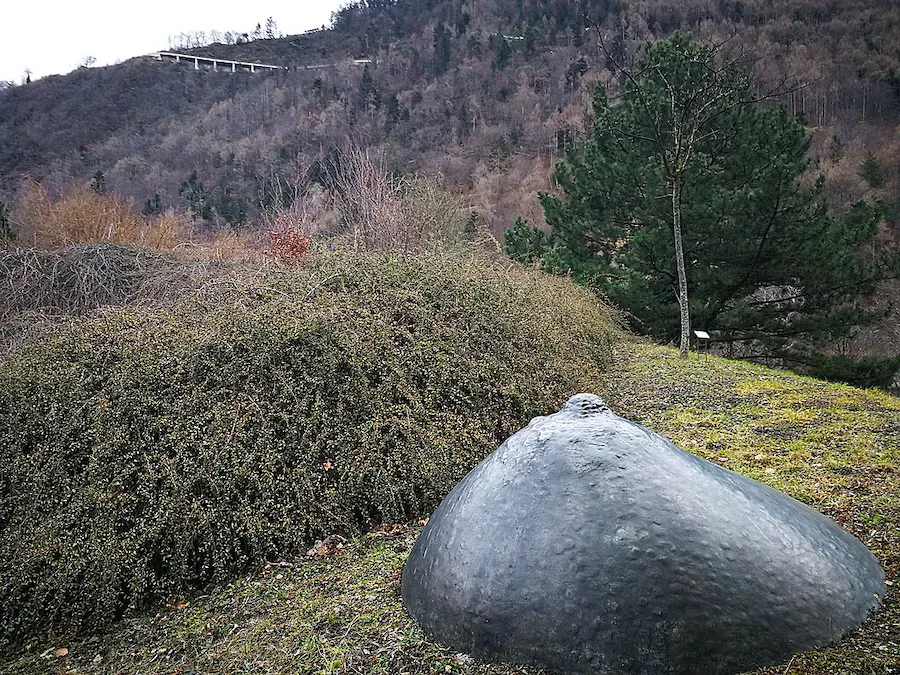
Among his most notable compressions is a work made from thousands of crushed fake Cartier watches that had been confiscated by customs authorities. Another sensational piece, Sein is a meticulous cast of a cabaret dancer's breast. He also made a cast of his own thumb, Le Pouce reproduced in various sizes for commercial purposes. A 40 foot high version stands proudly at La Défense. However, César's most monumental and impressive creation is a colossal barrier constructed from compressed automobiles, weighing a staggering 520 tons, that was presented for the first time at the Venice Biennale in 1995.
Want more articles like this straight to your inbox? Subscribe to our free newsletter!

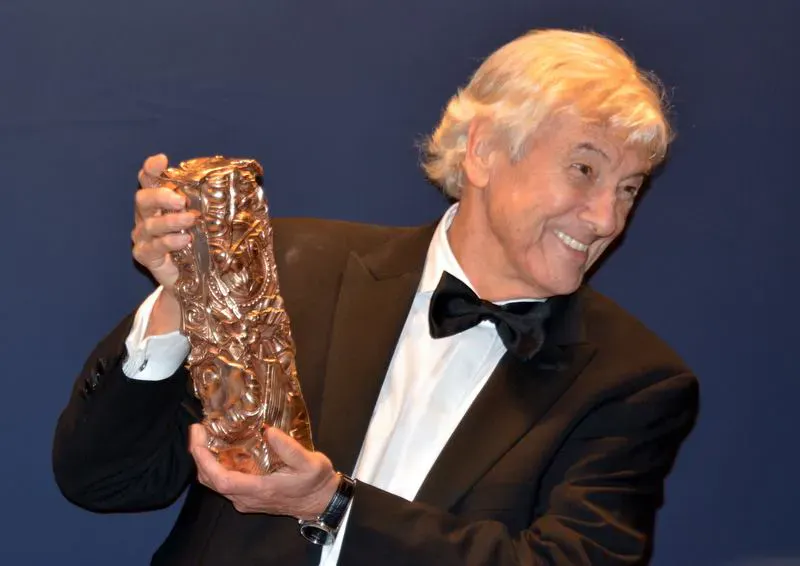
The film industry approached him in 1975 to design a golden statuette characterized by its distinctive style of compression called the César, the national film award of France. In 1993, he was made an officer of the French Legion of Honor. He died five years later in Paris.
Related: Accommodation Meets Art: 7 of the Most Creative Hotels in the World
His works are an indictment of industrialization and overconsumption and have notably drawn comparisons to the iconic Pop art of Andy Warhol. Despite these parallels, César adamantly refuses to be boxed in or influenced by the classifications of the art world. His first major retrospective was at the Center Pompidou in 2018, 20 years after his death, which allowed the general public to analyze César's legacy. Can a compressed car create emotion? What about a molded and enlarged thumb? Despite (or maybe because of) the many questions that his art provokes, his sculptures sell for several hundred thousand dollars today.