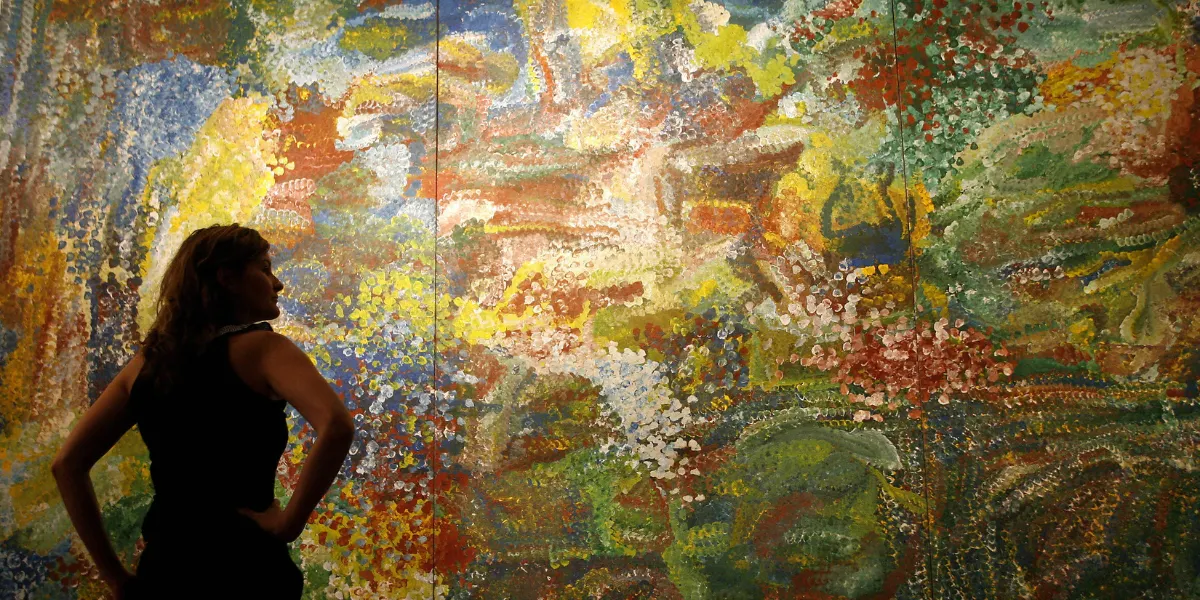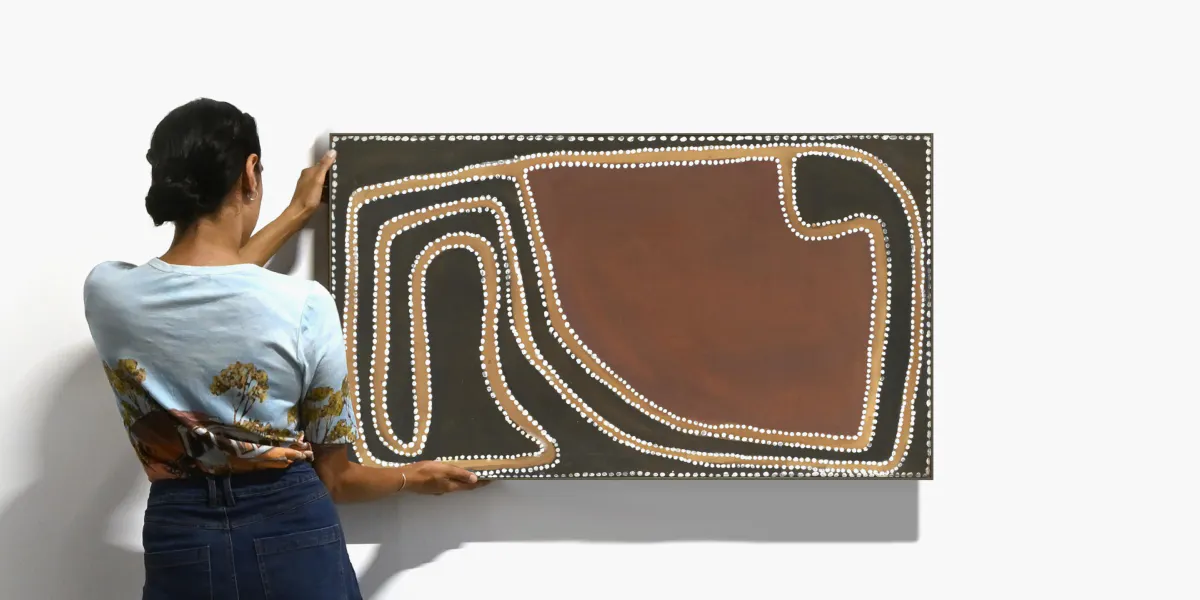
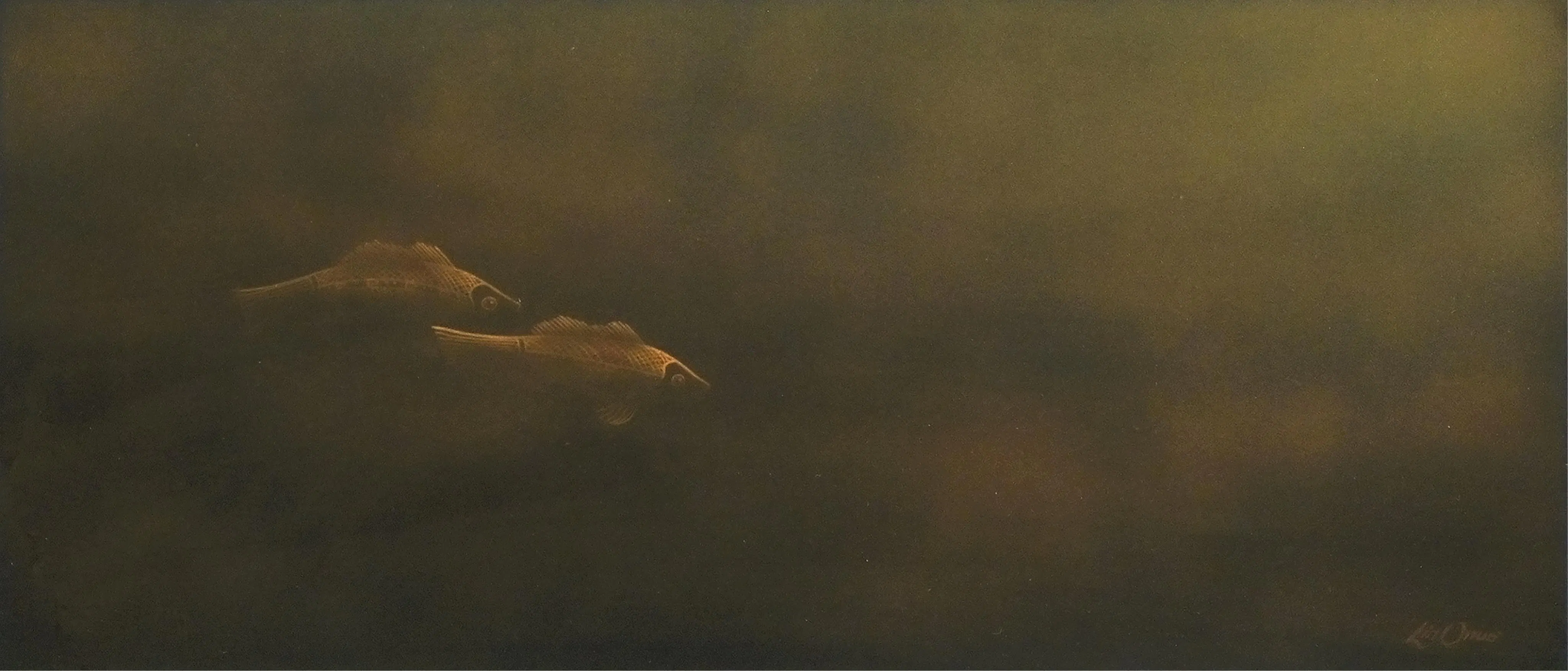
As global attention intensifies around Indigenous Australian art, Art Leven, Australia’s leading First Nations-focused auction house, prepares to unveil its bi-annual First Nations Fine Art Auction in Sydney on Tuesday 17 June 2025 at 7:00PM (AEDT). Formerly known as Cooee Art, the gallery has long championed First Nations voices and made international headlines in 2017 with the record-breaking AUD $2.1 million sale of Earth’s Creation I by Emily Kame Kngwarreye, the highest price ever achieved for a painting by an Australian female artist. This June, one of her most important early works, Ankara Merne – Intekwe, painted in 1990, leads a sale featuring 82 works by major figures such as Rover Joolama Thomas, Lin Onus, Ronnie Tjampitjinpa, and a collection of rare early Papunya Boards.
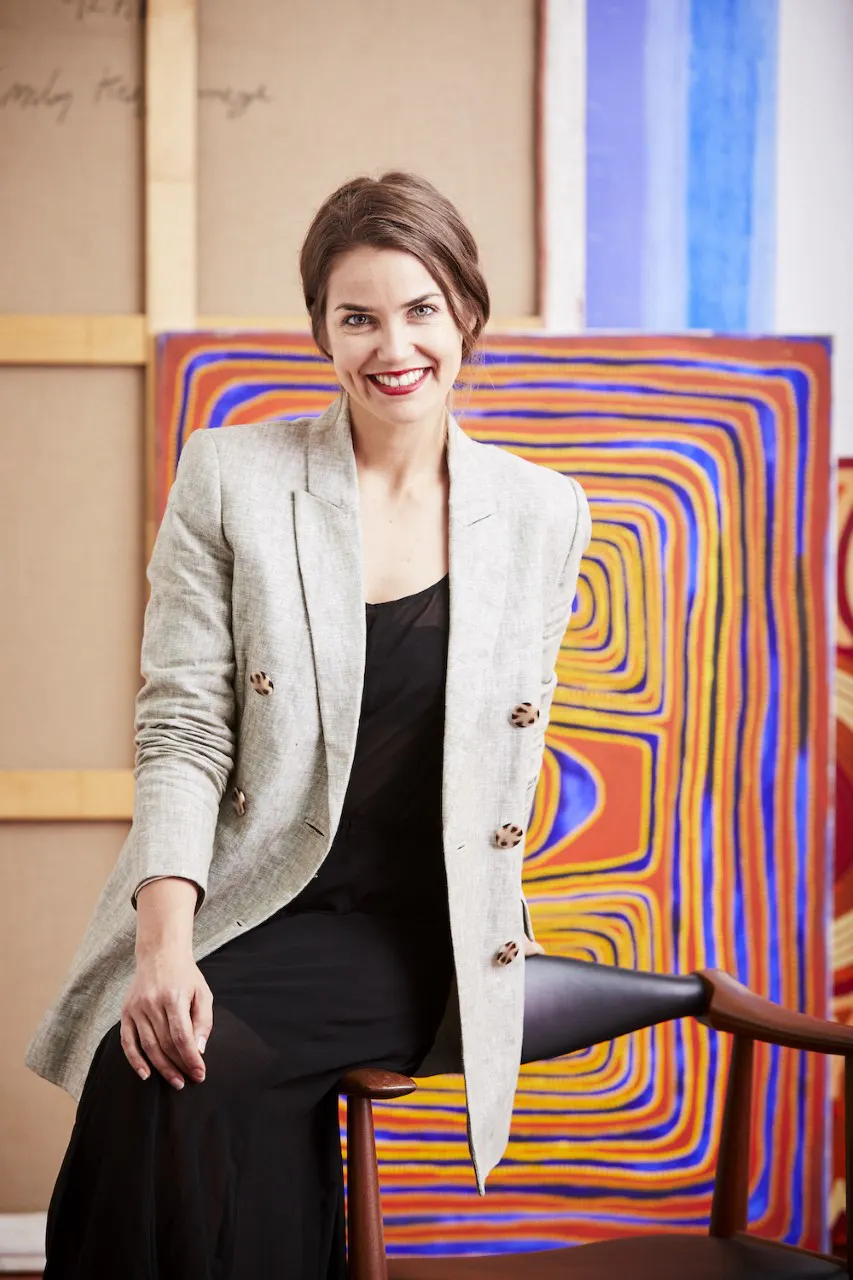
The sale comes at a pivotal cultural moment, ahead of two landmark exhibitions: The Stars We Do Not See at the National Gallery of Art in Washington D.C. and Kngwarreye’s highly anticipated retrospective at London’s Tate Modern. In this interview, Mirri Leven, Director and Owner of Art Leven, shares insight into the curatorial vision behind the auction, the gallery’s evolving role in ethical representation, and the significance of bringing First Nations artists to the center of the global contemporary art conversation.
1. Art Leven has a rich history dating back to its founding as Cooee Art in 1981. Over the past four decades, how has the gallery's mission and approach to representing First Nations artists evolved, particularly with the transition to Art Leven?
Mirri Leven: From its earliest days as Cooee Art, the gallery has placed First Nations voices at the heart of its practice. In 2023, the transition to Art Leven marked an important generational shift — honoring that legacy while embracing a more collaborative and future-facing approach. We now work exclusively with artists through direct representation or art centers, strengthening our ethical foundation and ensuring agency remains with the communities themselves. Our goal remains constant: to foster genuine, long-term relationships and share the extraordinary depth and diversity of First Nations art with the world.
2. Your gallery model emphasizes ethical and sustainable representation. How does this manifest in your auction practices?
We approach auctions with the same ethical rigour as our primary gallery program. This includes thorough provenance research, pricing transparency, and, where possible, direct consultation with communities for major works. We often include contextual essays and materials that honor the artist’s voice and cultural framework. It’s about more than selling: it’s about stewardship, education, and respectful circulation.
3. Art Leven collaborates directly with art centers and communities. How important is this engagement for the integrity of the works and the benefit of the artists?
Direct engagement is fundamental. Art isn’t created in isolation, especially in First Nations contexts, where cultural protocols, community roles, and ancestral knowledge are central. Working directly with art centers generally ensures that artists are supported holistically, and that we remain accountable to the communities we represent.
4. Resale royalties are a major point of discussion in the art market. How does Art Leven handle artist royalties, and do you see this evolving?
We fully support and comply with the Australian government’s Resale Royalty Scheme and actively advocate for its strengthening. Beyond legal compliance, we believe artists have a moral right to continue benefiting from the increasing value of their work. We’d welcome broader international adoption of similar schemes, especially as global interest in First Nations art continues to grow.
5. For many, Aboriginal art is still viewed through the lens of tradition rather than as contemporary practice. How important is it for Art Leven to position these works as part of the global contemporary art dialogue?
It’s central to everything we do. First Nations artists are contemporary artists. They engage with materiality, abstraction, politics, and identity in ways that rival or exceed their international peers. Framing these works solely as “ethnographic” or “traditional” denies their radical innovation. Our job is to create space for them to be seen and understood on their own terms — in the here and now.
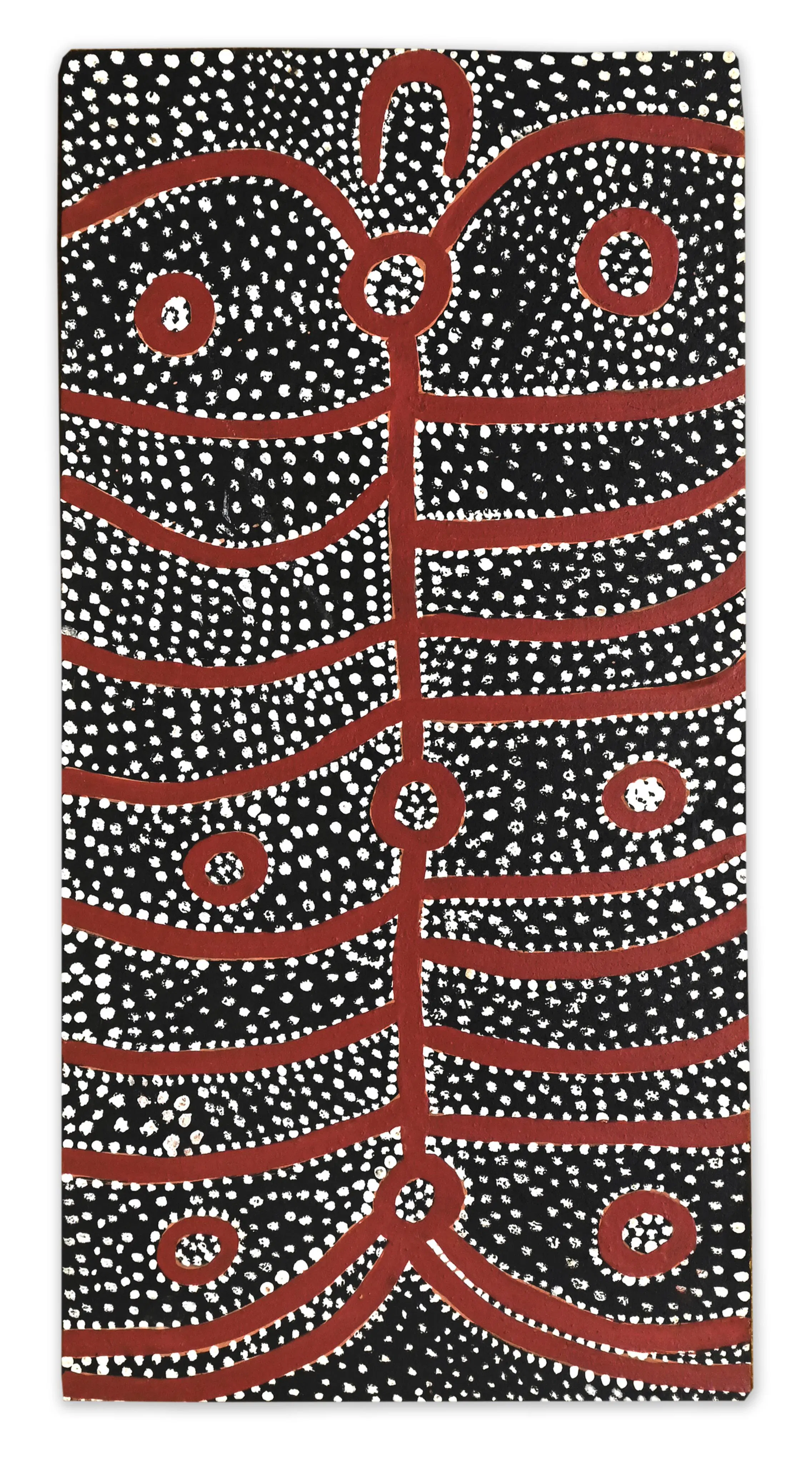
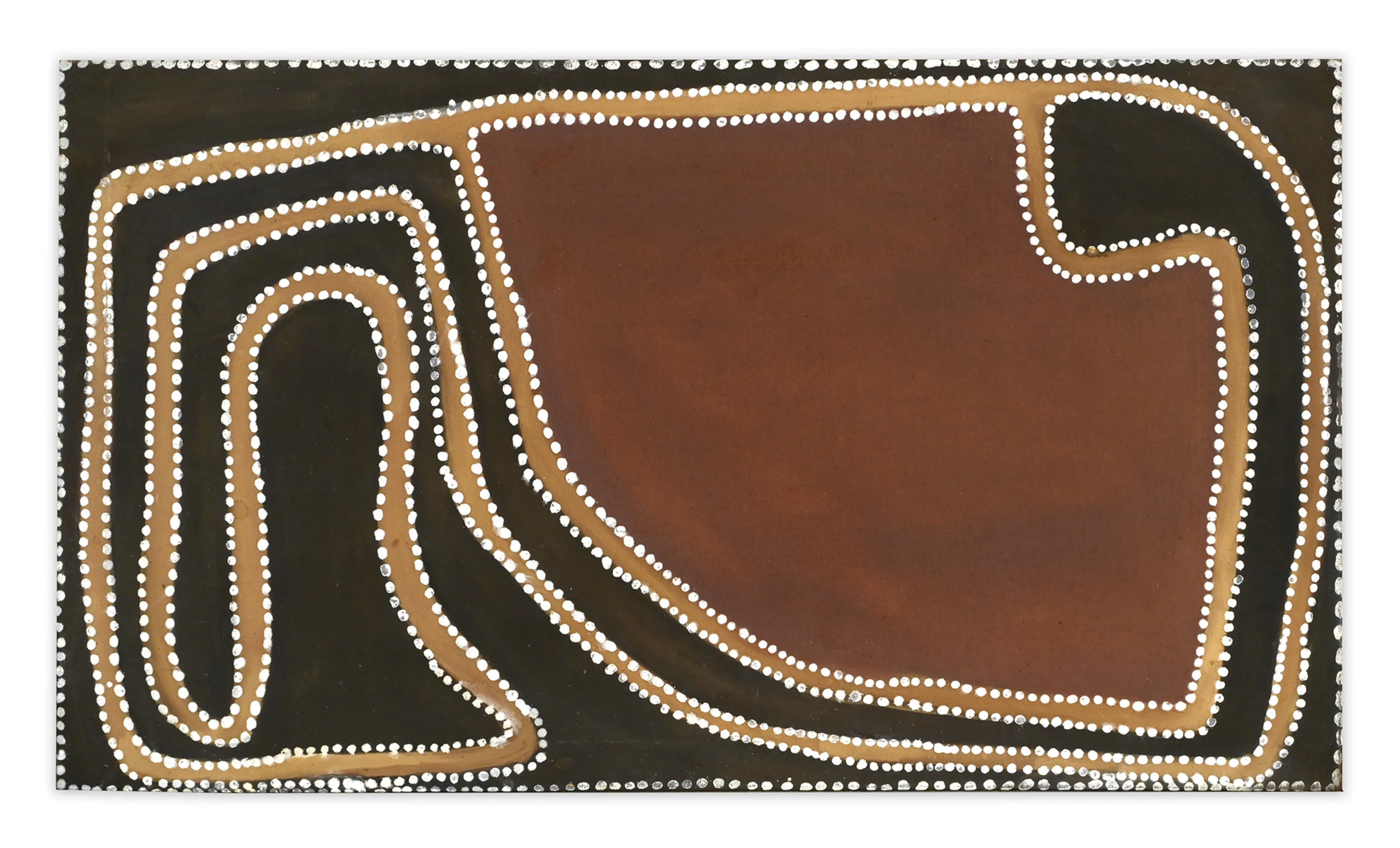
6. This auction features an exceptional lineup, including rare Papunya Boards and iconic pieces by Emily Kame Kngwarreye. What went into the curation process?
Our curation begins with research, deep listening, and a focus on historical and cultural significance. We seek out works that contribute to a broader narrative — of place, lineage, and innovation. This sale traces the evolution from early desert painting movements to expressions of cultural continuity and artistic experimentation. Every work in the sale is there for a reason—it contributes to a wider conversation.
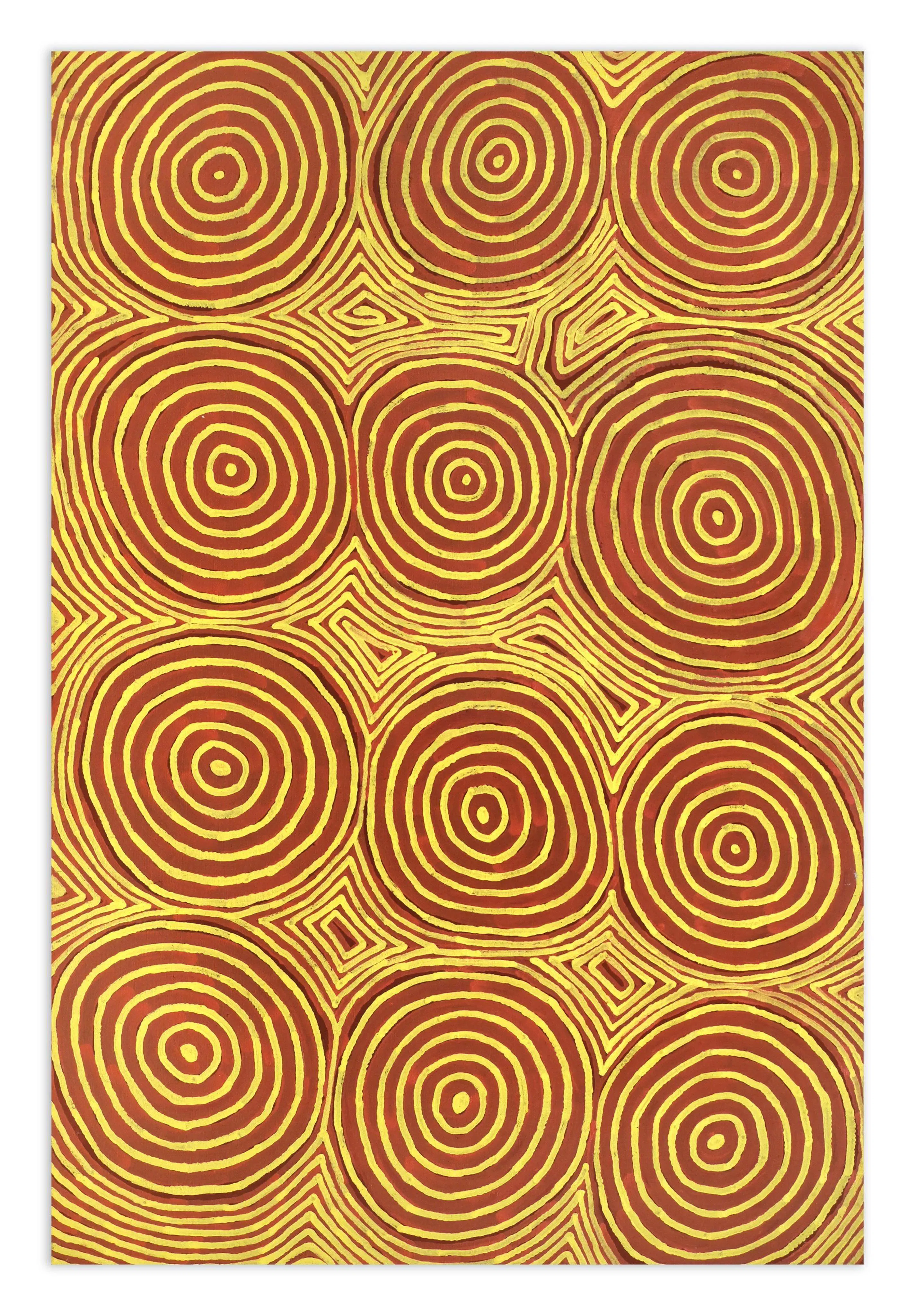
7. Lot 17, Ankara Merne – Intekwe, is described as profoundly important. Can you share the backstory behind its acquisition and inclusion in the sale?
This work was part of Emily Kame Kngwarreye’s first ever solo exhibition, held at Utopia Art Sydney in 1990, one of only 19 pieces, and painted just weeks before the opening. It was the first work visitors saw when entering the gallery, and it sold on opening day. It has remained in a private collection ever since. Its inclusion in this auction marks the first time it has been seen publicly in 35 years. The work is an absolute classic: layered, meditative, and richly expressive of Kngwarreye’s early style.
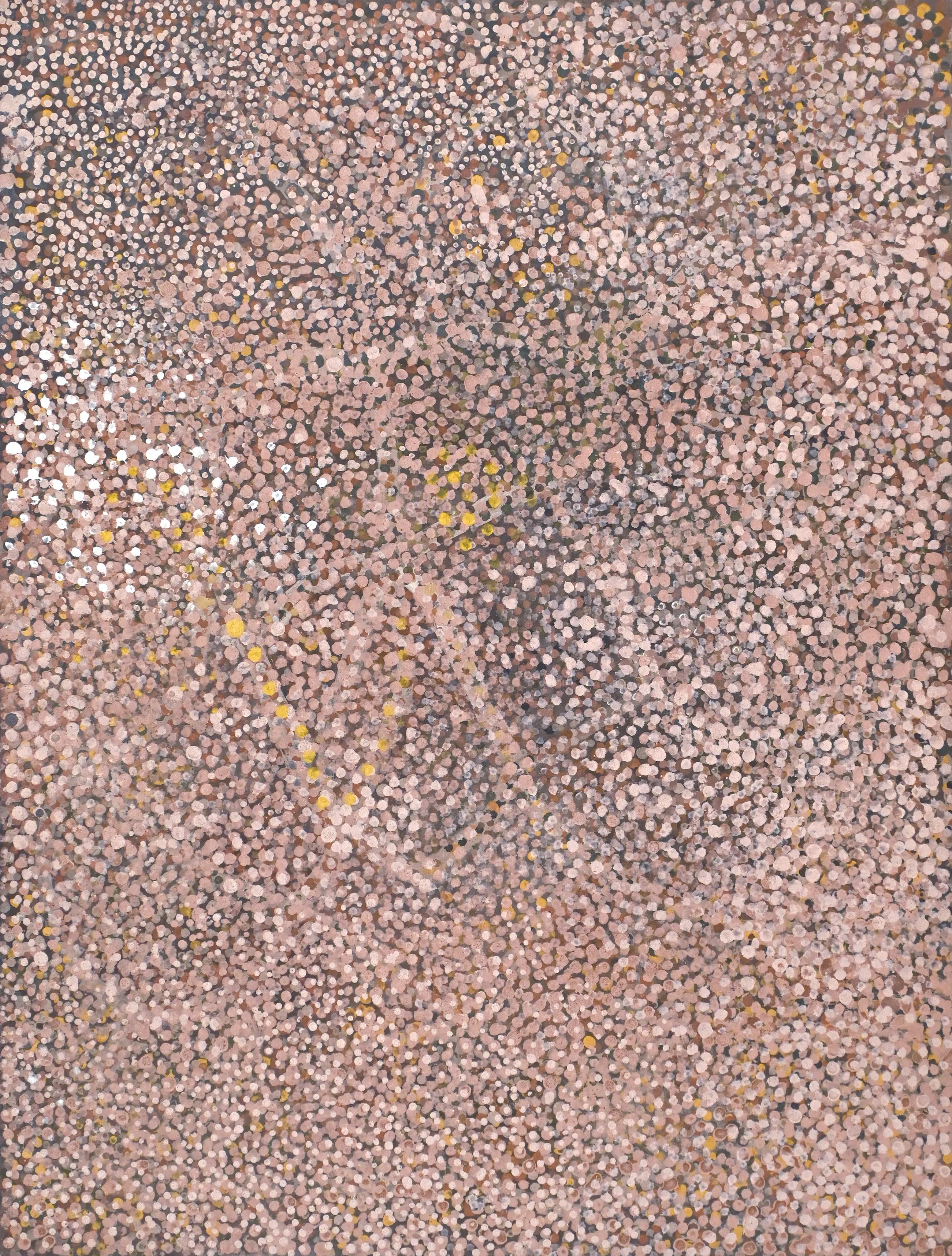
8. Can you speak to the significance of showcasing artists like Emily Kame Kngwarreye, Lin Onus, and Rover Joolama Thomas, especially amid growing international interest?
These artists are pillars of the contemporary canon. Kngwarreye’s abstraction, Onus’ political symbolism, and Rover Thomas’ sparse, monumental compositions resonate deeply with global audiences. As institutions and collectors around the world increasingly turn their attention toward Indigenous voices, it’s essential to position these artists not just as “important Indigenous artists,” but as major figures in global modern art history.
9. Female artists, particularly Emily Kame Kngwarreye, have a strong presence in this sale. Is championing female First Nations artists a conscious strategy for Art Leven?
Absolutely. First Nations women have long been cultural custodians and innovators, and their contributions to visual art are immense. However, like in many spheres, their work has not always received equal recognition. Championing female artists, both senior figures and emerging voices, is central to our mission. It’s about redressing imbalance and expanding the narratives that define Australian art.
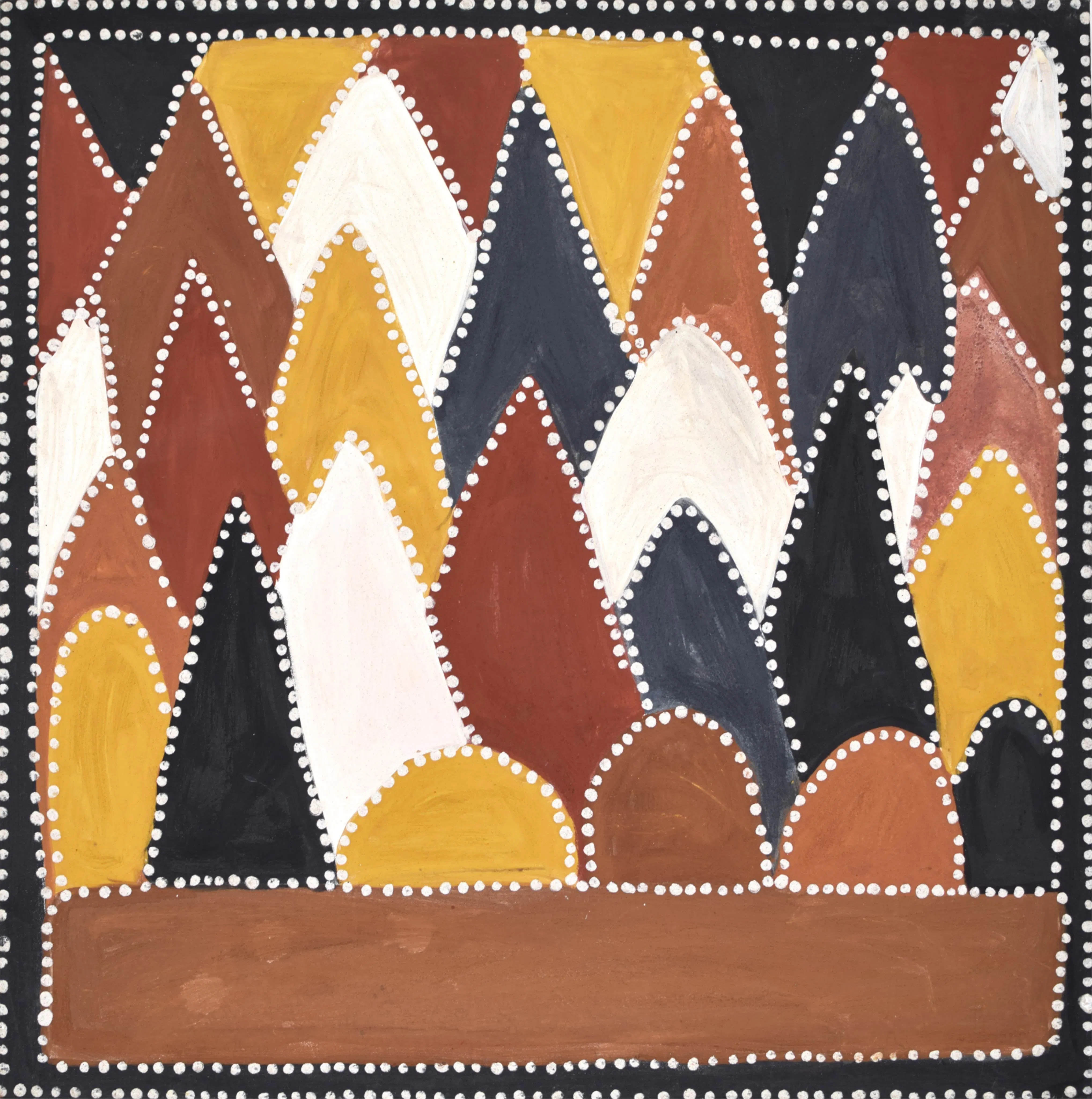
We’re especially excited by emerging artists working through art centers like Munupi Arts and Buku-Larrŋgay Mulka — names like Carol and Alison Puruntatameri, Jasmine Togo-Brisby, and Rerrkirrwanga Munuŋgurr. These artists are building on tradition while creating urgent, contemporary work that speaks to both cultural continuity and individual innovation.
10. With over four decades in the space, how does Art Leven envision its role evolving in the next decade, both in Australia and internationally?
We see ourselves as bridge-builders. As we look ahead, we’re focused on deepening our relationships with artists and communities while broadening access for collectors, curators, and institutions worldwide. While our auctions remain anchored in Sydney, we are exploring international touring shows and collaborations with institutions abroad. The interest is strong, and with it comes a responsibility to ensure that works are presented with appropriate cultural framing and care. Whether through exhibitions, scholarship, or advocacy, our aim is to ensure that First Nations art isn’t just included in global conversations — but leads them.
Art Leven’s First Nations Fine Art Auction will take place on Tuesday 17 June 2025 at 7:00PM AEST at 17 Thurlow Street, Redfern, Sydney / Gadigal. A gala preview will be held on Thursday 12 June from 6–8PM, with public viewing open daily from 13–17 June, 10AM–6PM. Bidding will be available both live in-person and online. Full details on the sale and bidder registration are available on Art Leven's website.