On the night of June 20 to 21, 1791, six individuals slipped out of the Tuileries Palace in Paris and soon after boarded a carriage that departed the French capital, heading north-east. These six were the largely powerless King Louis XVI, his wife Marie Antoinette, their two children Marie-Thérèse and Louis-Charles, their governess Madame de Tourzel, and Madame Élisabeth, the King’s sister. After much characteristic hesitation, Louis finally agreed to lead his family to safety, away from revolutionary Paris. The escape was orchestrated by Marie Antoinette’s “friend”, the Swedish Count Hans Axel von Fersen. As is well known, the somewhat ill-conceived plan failed; the attempted flight ended in Varennes, and the royal family was compelled to return to Paris.

The escape from France, however, was successful in one regard: the preservation of something Marie Antoinette had always treasured — her jewelry. Prior to the attempt, she had entrusted her jewels to several confidants and had them sent abroad. Following the Revolution, only Princess Marie-Thérèse remained of the immediate royal family. Her parents and aunt were executed by guillotine, and her brother died in prison. Marie-Thérèse was released at the end of 1795 and permitted to join her imperial relatives in Vienna. As the sole heir, she inherited her mother’s jewellery, pieces of which have reappeared at auction repeatedly in recent years.
See also: Marie Antoinette's Diamond Bracelets at Auction
Such was the case in November 2021, when Christie’s in Geneva auctioned a magnificent pair of diamond bracelets during its “Magnificent Jewels” sale. Estimated at 2–4 million CHF, they ultimately sold for 7,459,000 CHF — unsurprising, perhaps, when a name as illustrious as Marie Antoinette's appears in the provenance.
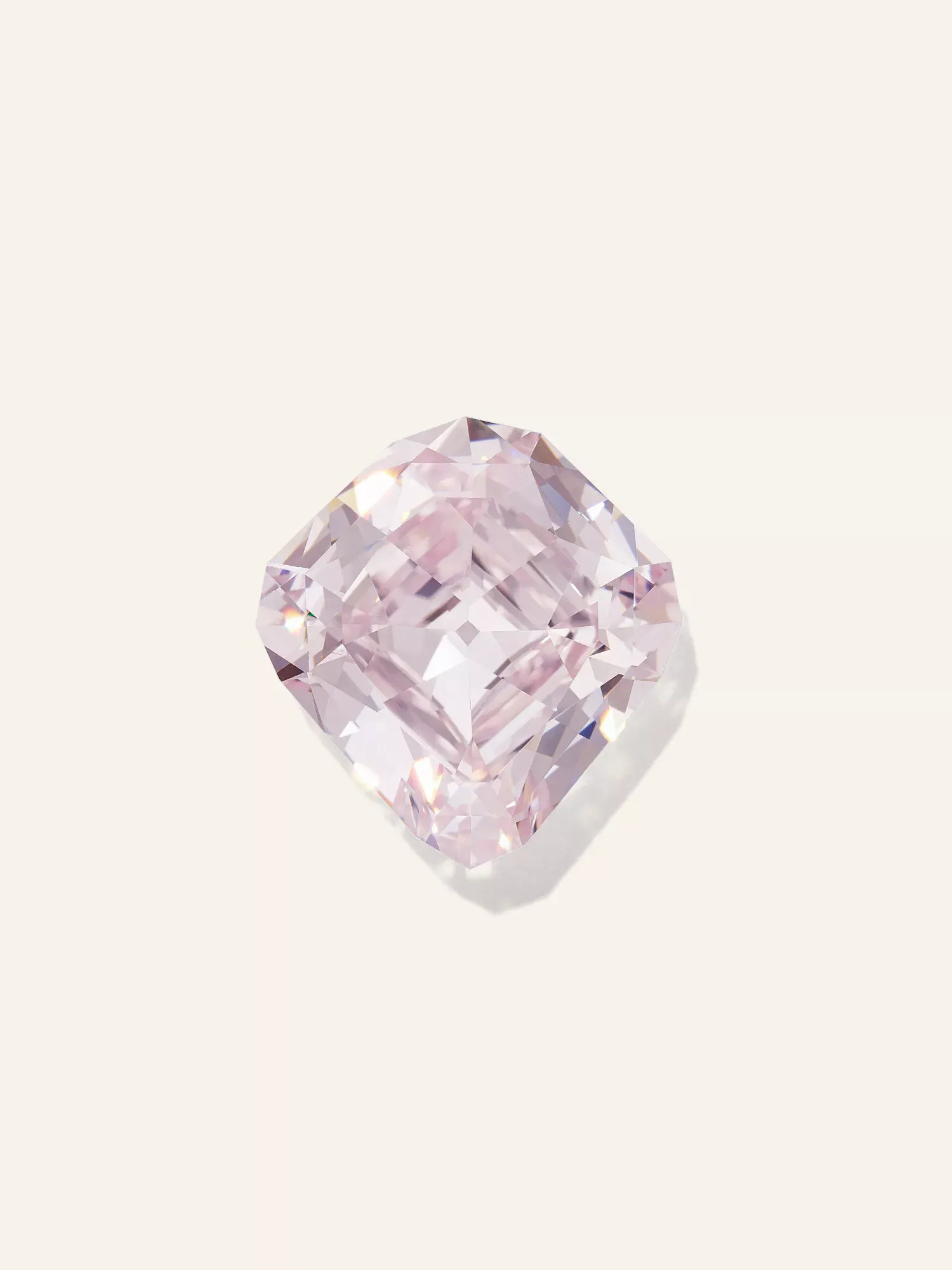
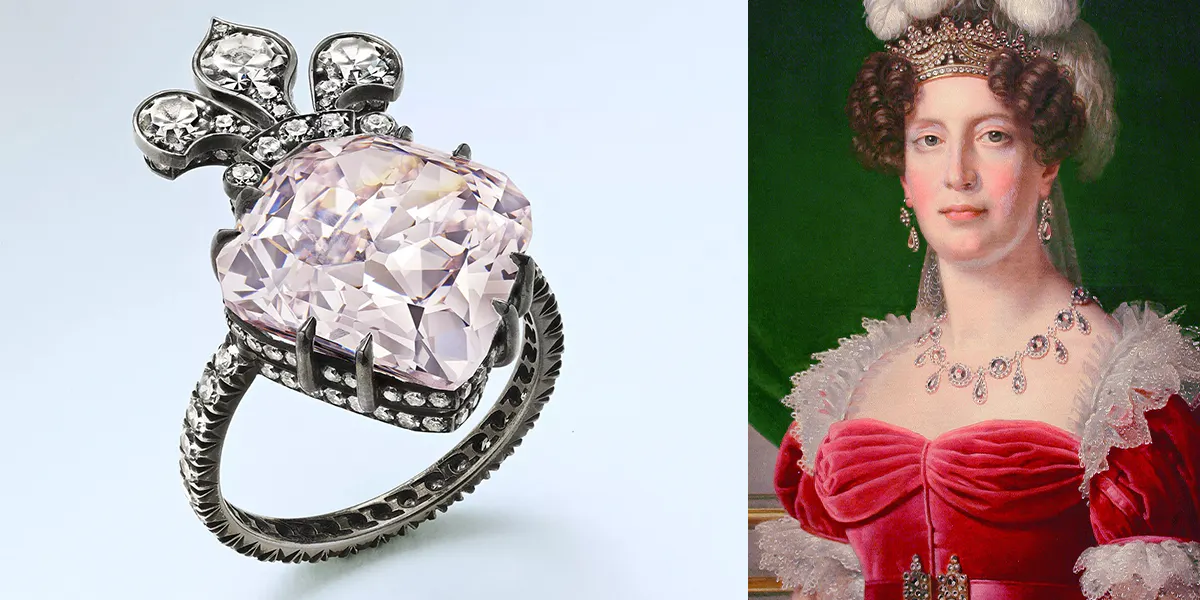
On 17 June, another “Magnificent Jewels” auction will take place at Christie’s in New York, and once again a jewel will be offered that may well have once rested in Marie Antoinette’s casket. While this cannot be confirmed with absolute certainty, the fact that Princess Marie-Thérèse was certainly a former owner leaves the possibility open. The piece in question is an extraordinary fancy purple-pink diamond of 10.38 carats, cut in a modified kite brilliant shape and said to originate from the legendary Golconda mines in India.
See also: 10 Historical Diamonds You Should Know
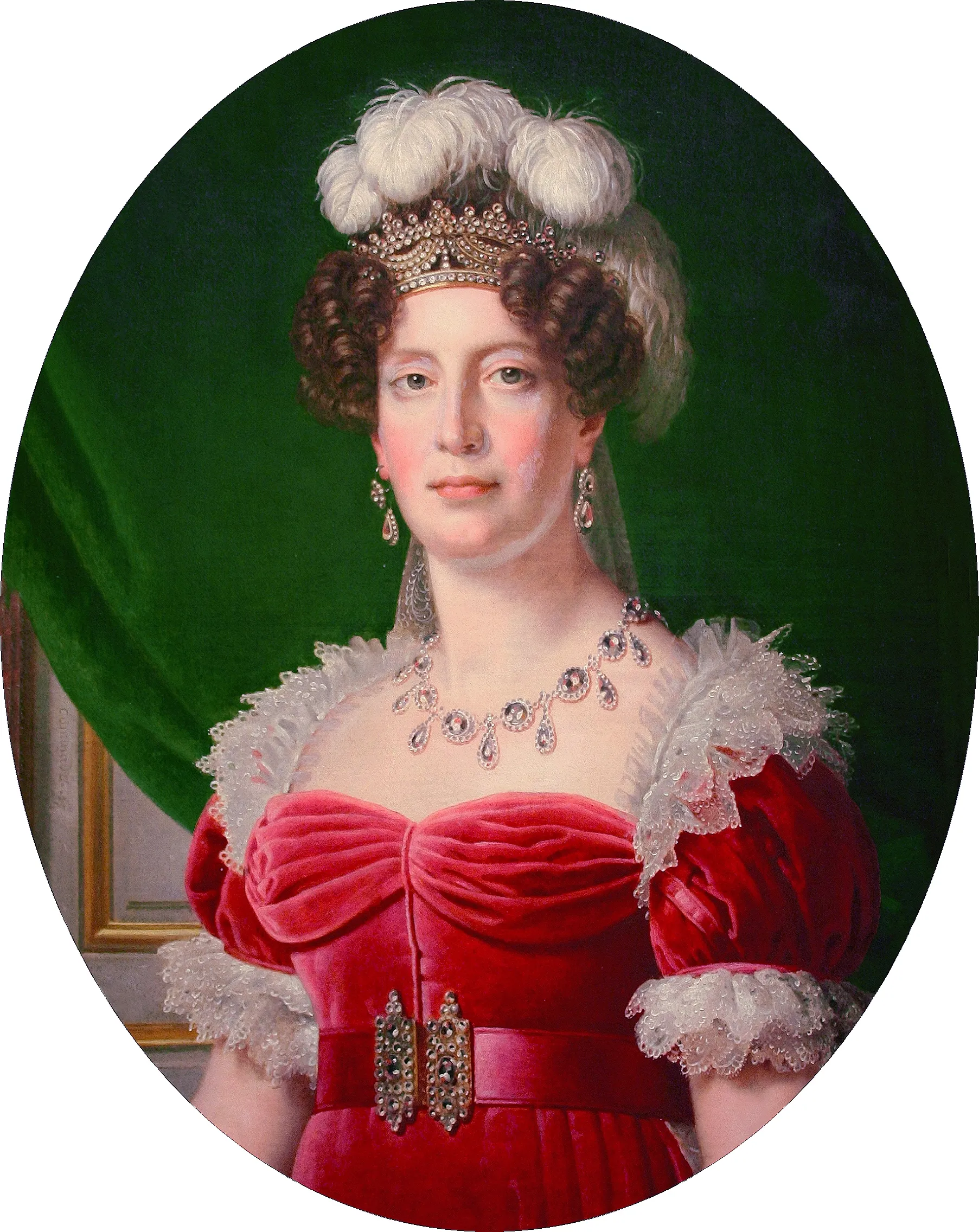
Marie-Thérèse, who married her cousin Louis Antoine, Duke of Angoulême, but remained childless, bequeathed the diamond to her niece Maria Theresia of Austria-Este, who became the Countess of Chambord. That marriage was also without issue, and the diamond passed to another niece, Marie Therese of Austria-Este, who became the last Queen of Bavaria in 1913, alongside Ludwig III. The diamond remained in the family until it was auctioned at Sotheby’s in Geneva in 1996, after which it disappeared from public view.
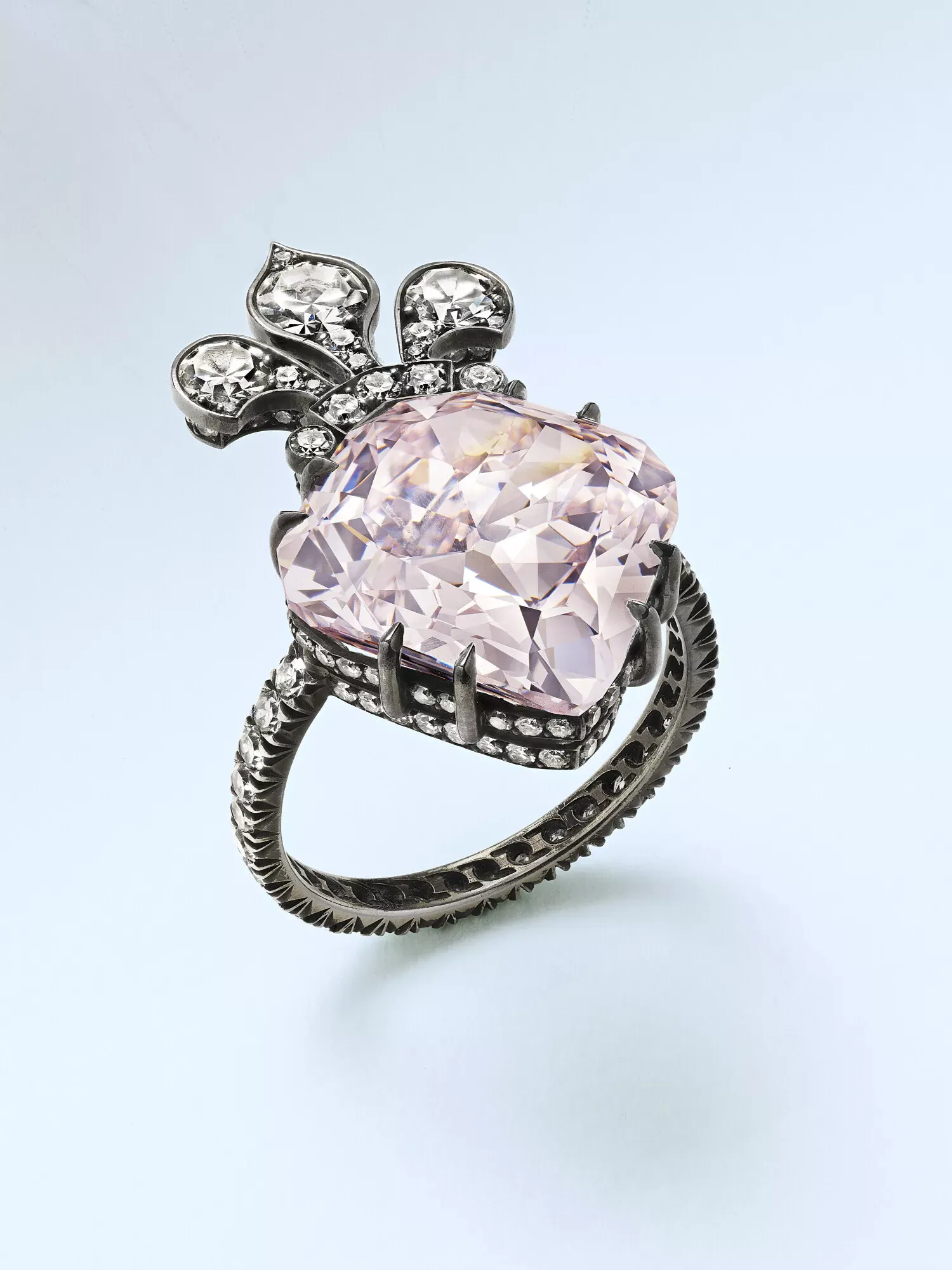
It has now reappeared, more spectacular than ever, set in an extraordinary ring of blackened platinum with diamond accents in the shape of the fleur-de-lys, the iconic lily of the Bourbon dynasty. The ring was created by none other than Joel Arthur Rosenthal, better known as JAR, widely regarded as one of the most enigmatic jewelry designers of our time. In addition to a JAR case, the diamond is also accompanied by an antique gold and silver hairpin into which it had been set around 1868.
See also: JAR: The Most Mysterious Jewelry Brand in the World
The Marie-Thérèse Pink Diamond, together with the JAR ring, is estimated at $3 to $5 million. However, its provenance may well push the final result significantly higher.
Want more articles like this straight to your inbox? Subscribe to our free newsletter!
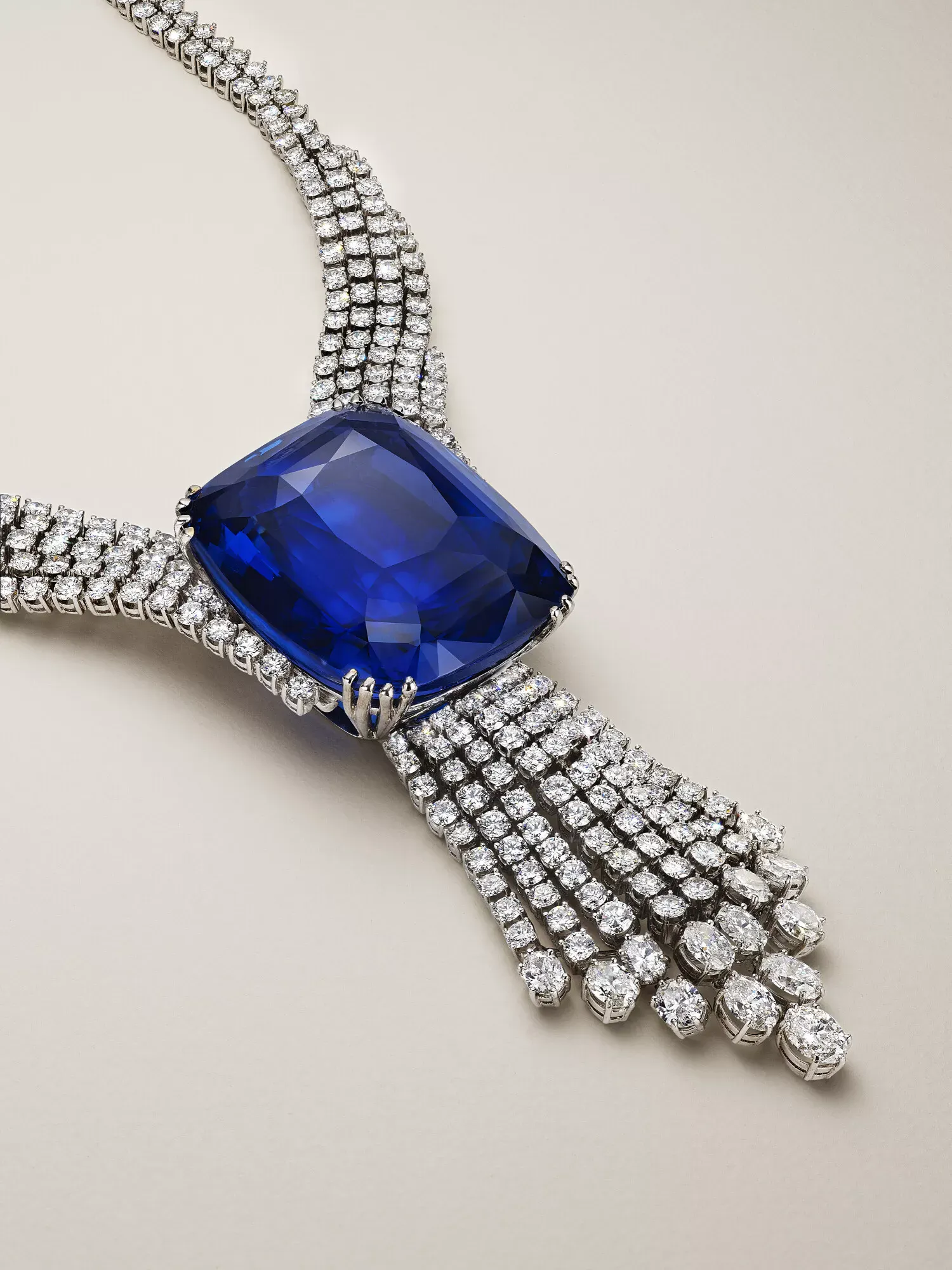
One might assume that such a rare gem would headline the “Magnificent Jewels” auction, but the top lot is in fact another: one of the world’s rarest sapphires. The Blue Belle, discovered in Ceylon (now Sri Lanka) in 1926, impresses with its color, clarity, and especially its extraordinary weight of 392.52 carats – a size matched by few other known sapphires. Christie’s previously auctioned the Blue Belle in 2014, when it fetched $17.3 million. On June 17, it will return to the block, this time with an estimate of $8 to $12 million.