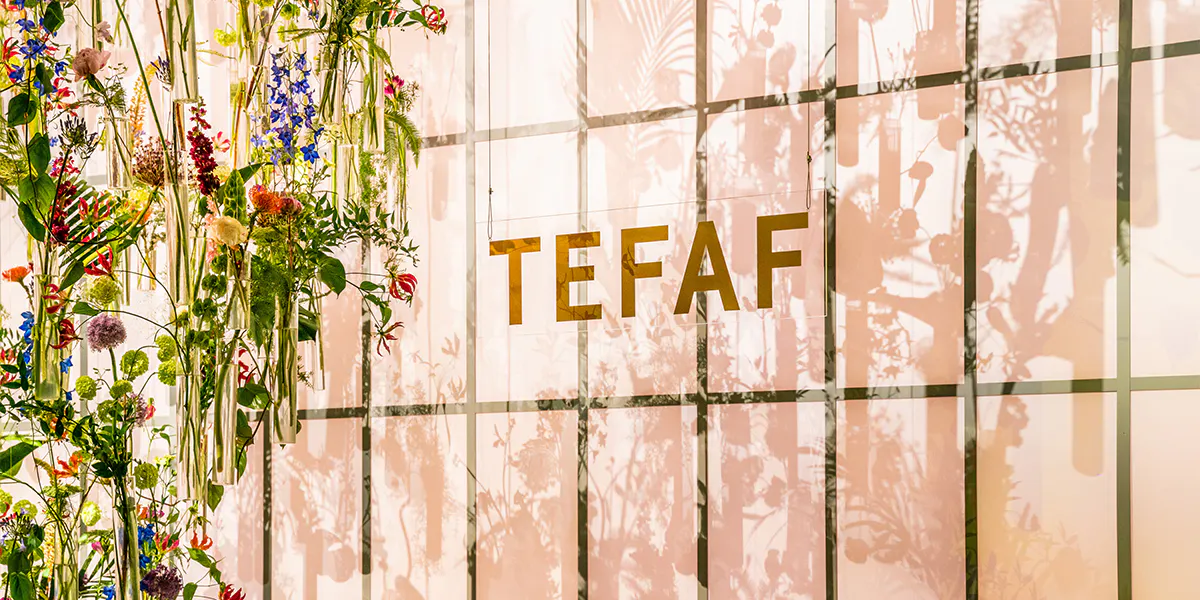
TEFAF is like the Holy Grail for antique dealers.
The 35th edition of TEFAF took place in grand style, with the usual plethora of art offerings of various kinds and origins. The lively and enthusiastic atmosphere of the fair, inaugurated on June 24, remained untouched until its closing six days later, interrupted only by a rather particular interlude: an armed robbery. On June 28, four men broke into the exhibition hall in broad daylight and attacked the stand of Symbolic & Chase, an important London gallery that specializes in fine jewelry and art objects. While one of them smashed the shop windows with a hammer, his accomplices kept the scared visitors at bay. Then, in a matter of minutes, the thieves slipped away. The gallery has yet to disclose what was stolen and TEFAF spokesmen have not made many statements as they work together with the authorities, but it seems that the police have arrested two members of the gang.

Related: 10 Major Art Thefts
However, the unfortunate event did not spoil the festive and elegant atmosphere that has always characterized what is now one of the most important art, antiques and design fairs in the world.
From the moment the fair first opened its doors in 1988 at the MECC in Maastricht, TEFAF has dedicated itself to presenting the world's most beautiful art under one roof — a challenge that combines excellence, rigorous control standards and expert curation. TEFAF manages two international fairs: in addition to TEFAF Maastricht, there is also TEFAF New York (that took place in May), which focuses on modern and contemporary art and design.
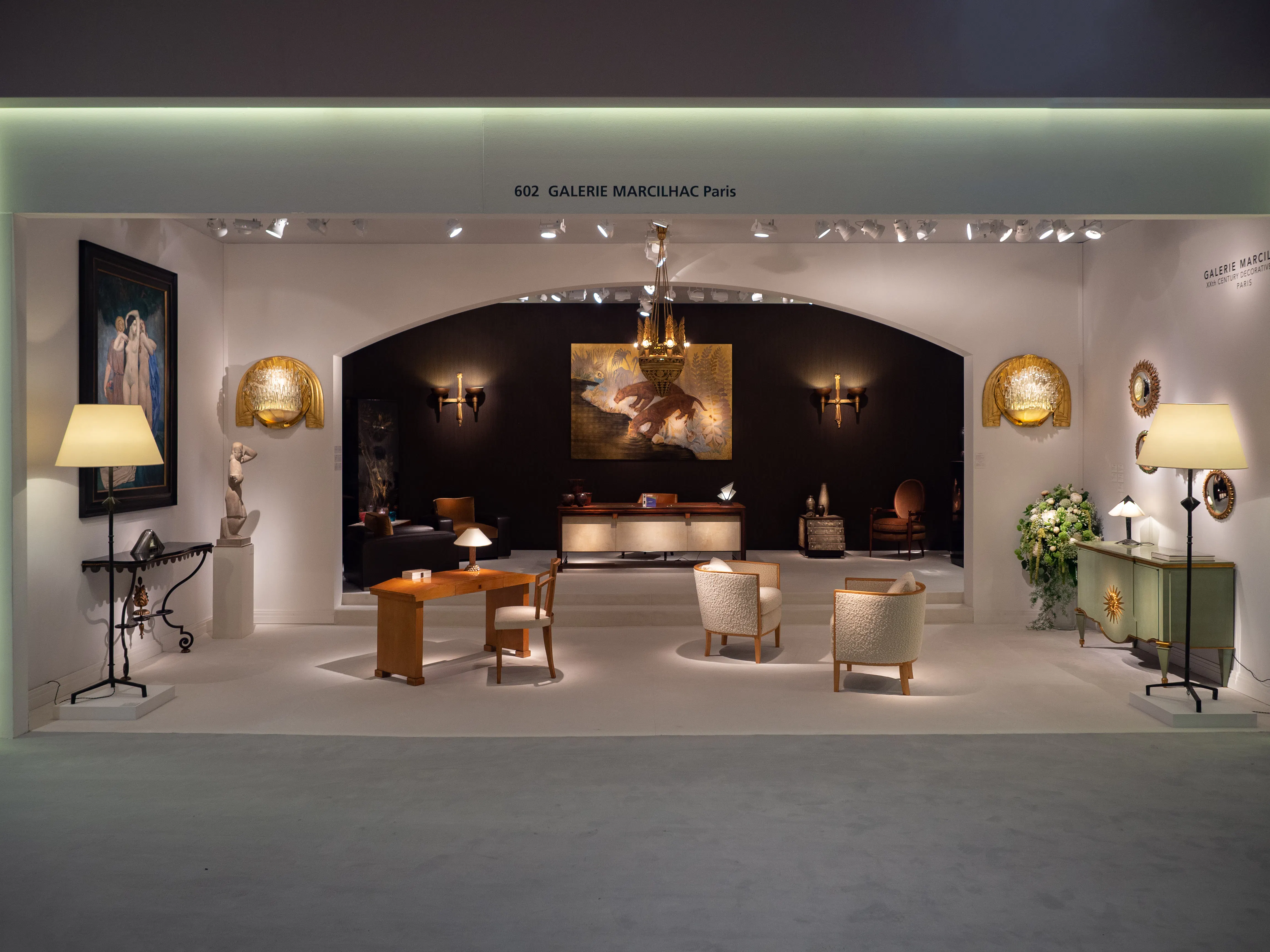
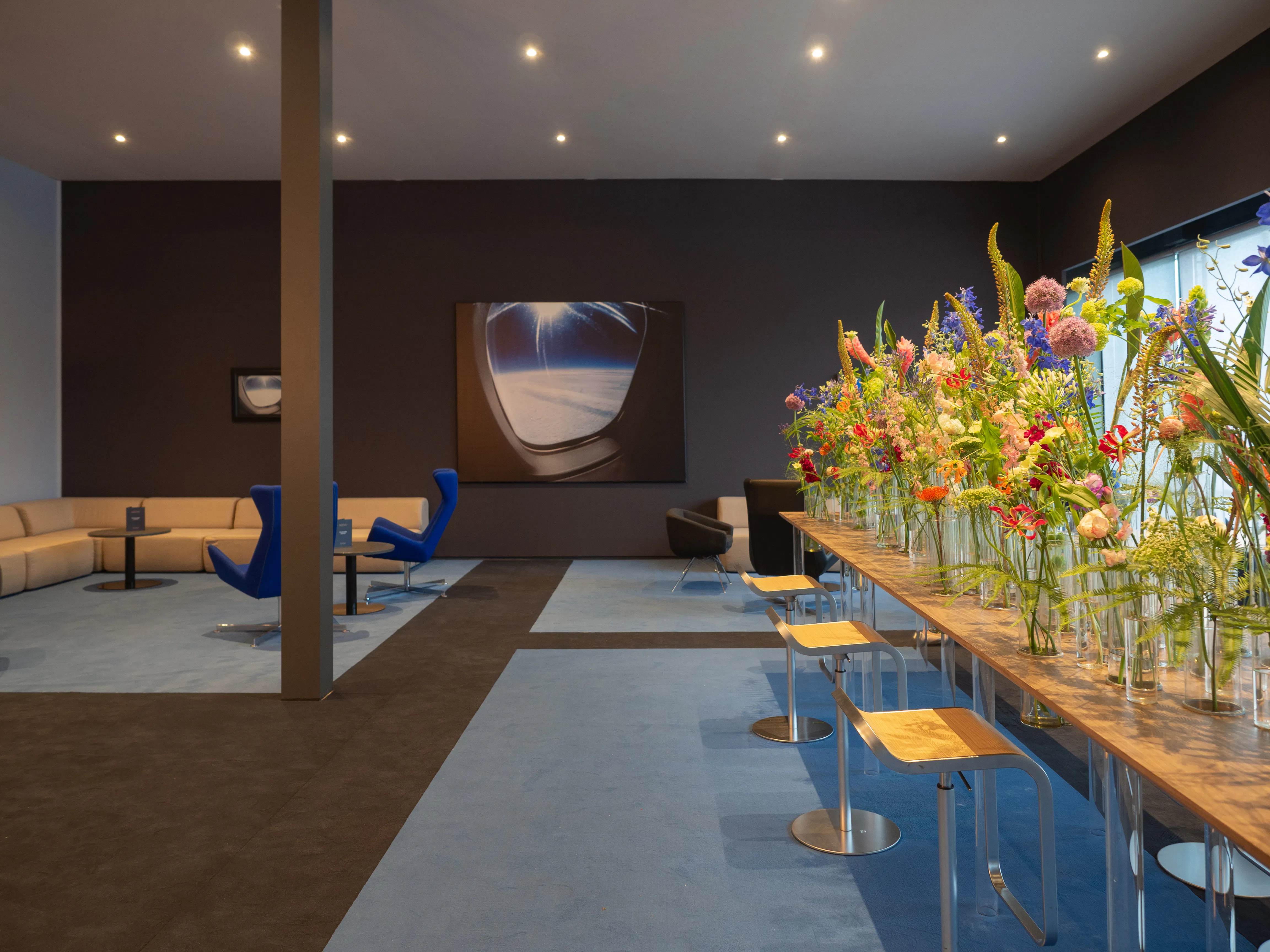
This year, with 242 exhibitors from 20 different countries and artworks spanning 7,000 years of history, TEFAF put on a show for those lucky enough to attend the fair. Over 70,000 visitors were greeted with oysters, champagne and canapés, surrounded by over an installation made of 100,000 flowers. After a two-year hiatus imposed by the Covid-19 pandemic, the fair’s design was slightly transformed to accommodate better air circulation. “TEFAF is like the Holy Grail for antique dealers. We are happy to be able to do it this year”, said the art curator Bourriaud on the day of its inauguration.

The variety and quality of TEFAF are unparalleled in terms of exhibitors and art pieces. In addition to the best gallery owners in the world, this year TEFAF also welcomed the Boijmans van Beuningen Museum which presented Vincent van Gogh's painting Poplars Near Nuenen (1885), soon to be restored. Among the most important works were also the oil on canvas Cleopatra on Her Deathbed, Clasping a Viper by Artemisia Gentileschi, painted circa 1620; the painting Jeune Fille Dormant (1847) by Gustave Courbet, known for his choice of sleeping female subjects; the 1924 tempera on canvas The Return of the Prodigal Son by Giorgio de Chirico, in which layers of thin brushstrokes create three-dimensional shapes; and the abstract work covered by repeated brushstrokes Infinity Nets (1999) by Yayoi Kusama.
Related: Vincent van Gogh: The Myth of the Tortured Artist
Want more articles like this delivered straight to your inbox? Subscribe to our free newsletter
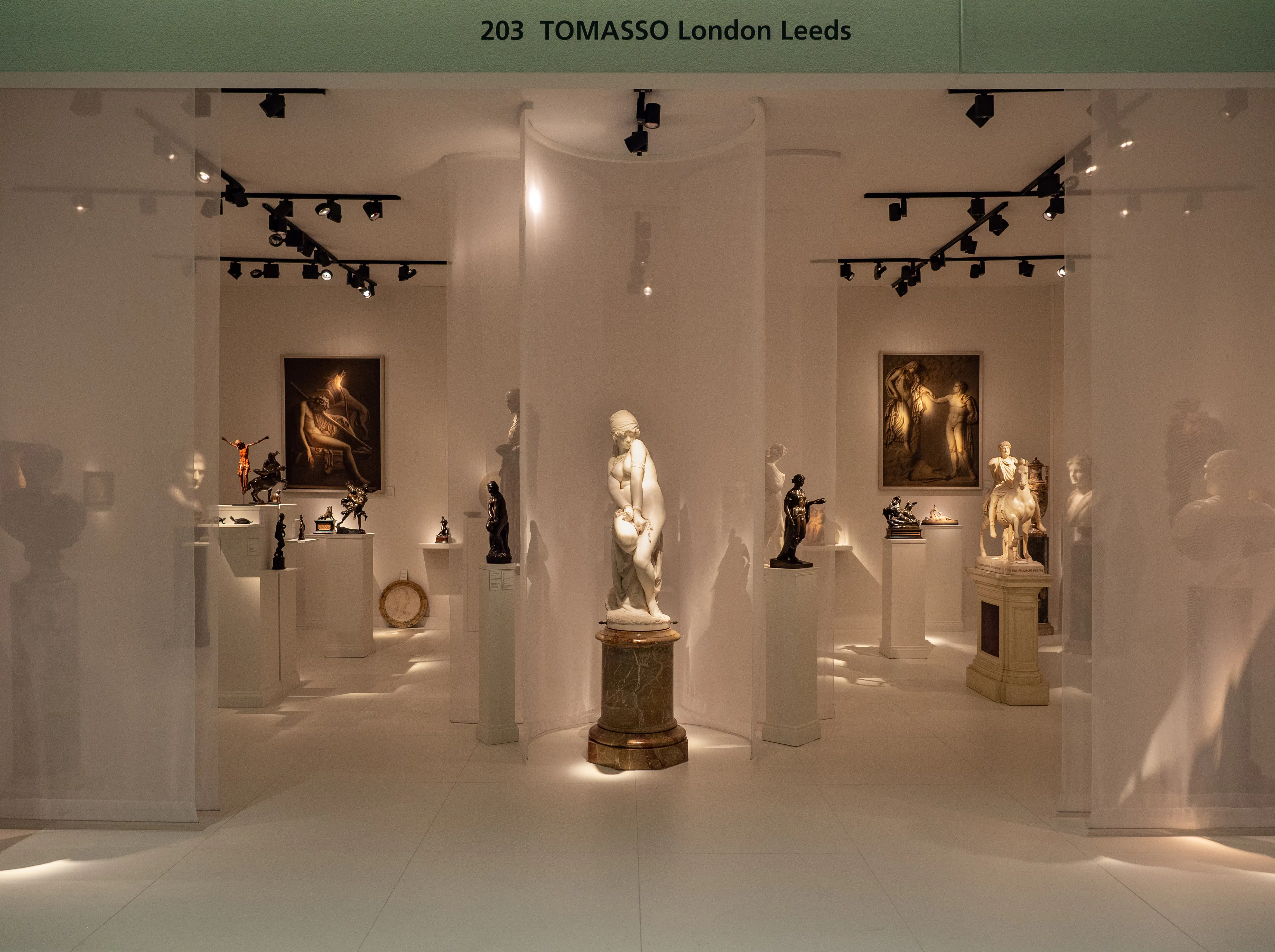
Alongside the traditional stands of paintings, antiques and classical antiquities that cover about half of the Fair, TEFAF also offers modern and contemporary art, photography, jewelry, 20th century design and works on paper.
This year, international sellers could once again present their museum-quality works to a broad base of collectors and connoisseurs, with price tags ranging from a few thousand euros up to treasures worth millions.
The first two days of the fair, reserved for invited guests only, saw many sales, some worth millions. For example, Steinitz (Paris) sold a series of terracotta tondi attributed to the Italian Renaissance sculptor Andrea Briosco Il Riccio for 3 million euros. And while Caylus, a specialist in old masters from Madrid, sold the Madonna and Child by Luis de Morales for 1.5 million euros, Dr. Jörn Günther Rare Books (Stalden) sold two ancient manuscripts (Decretales of Pope Gregory IX and De Casibus Virorum Illustrium by Boccaccio) for a total of 1 million euros.
Later, an American collector secured a work by the Venetian painter Vittore Carpaccio from the New York art dealer Nicholas Hall that was estimated between a whopping 10-15 million dollars.
Among the fair's visitors were also representatives of renowned institutions, including over 90 international museums, who also took part in the shopping spree. The Metropolitan Museum of Art purchased two works from London-based Asian art specialist Joost van den Bergh for an undisclosed sum. Another American museum bought a rare French sculpture of the Virgin and Child from Stuart Lochhead (London) for a seven-figure sum. The Musée Royal de Mariemont bought the sculpture of a kneeling Pharaoh from the Ptolemaic era from Charles Ade (London), and TEFAF President Hidde van Seggelen, whose Hamburg Modern and Contemporary Art stand was among the exhibitors, sold two works to the Voorlinden Museum and another by Suchan Kinoshita to the Museum Boijmans van Beuningen.
The European Union was also among the fair's illustrious clients, buying Max Ernst's L'Esprit de Locarno from Thomas Salis (Salzburg). Excellent results were also achieved by the new exhibitors, including the London gallery White Cube, which sold works by Tracey Emin, Antony Gormley and Georg Baselitz for a price between £500,000 and £750,000, while Galerie Sismann (Paris) closed a deal on the bronze Corpus by Michelangelo Buonarroti for a seven-figure sum.
Related: Max Ernst: 5 Facts to Know
The presence and increased interest in female artists was also striking. Rob Smeets (Geneva) sold Giovanna Garzoni's copy of Raphael's Madonna della Seggiola painting to a collector who specialises in female artists, while at the Bijl-van Urk Masterpaintings (Alkmaar) Michaelina Woutier's Head of a Boy found a new owner.
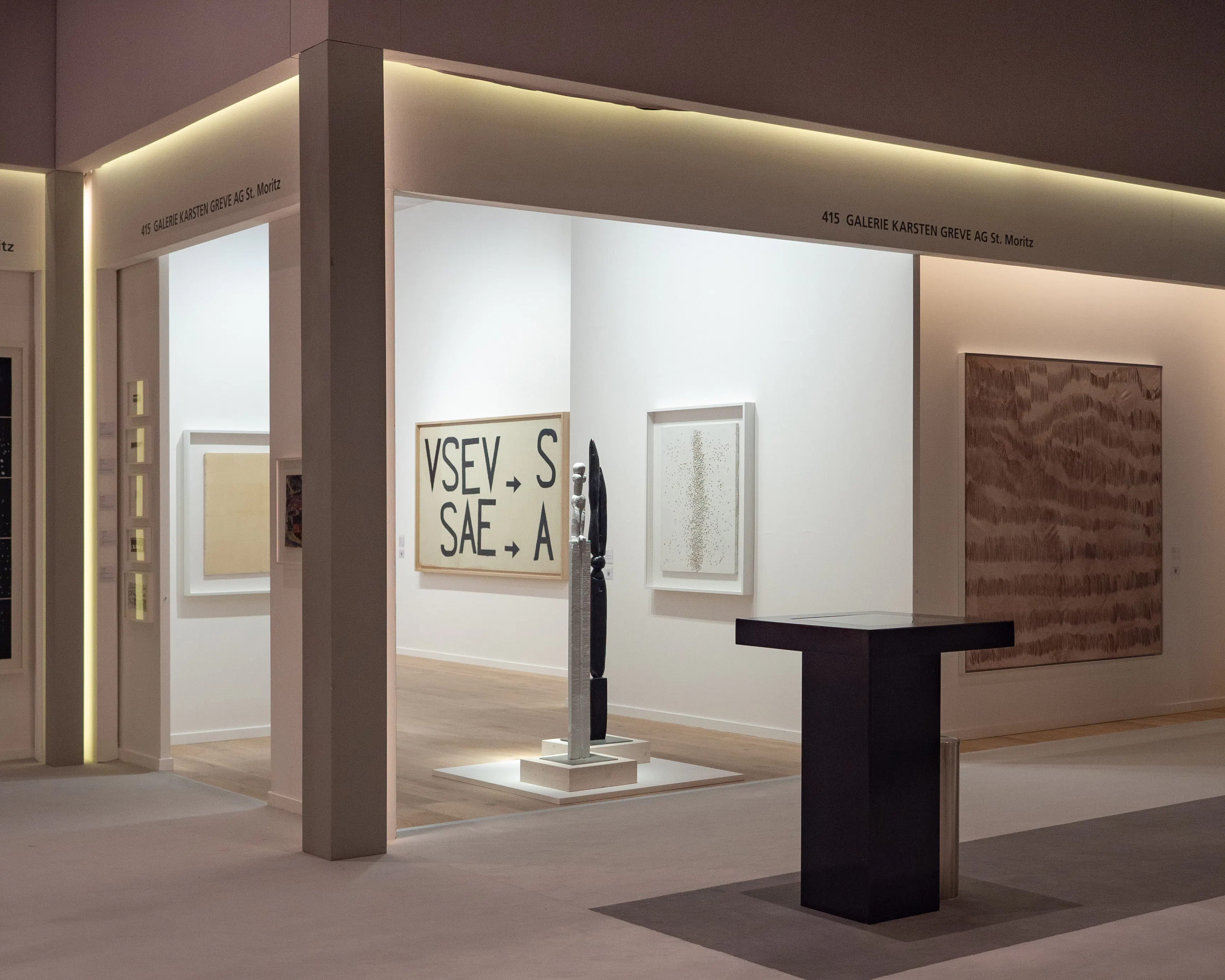
The works of contemporary artists were also in great demand, as the stands of Galerie Karsten Greve (St. Moritz) and Beck & Eggeling (Düsseldorf) can attest to, having sold works by Georgia Russell and Leiko Ikemura respectively.
Commenting on the fair, Hidde van Seggelen added, “This was a challenging fair due to its shorter length and the different time of year. We were gratified that visitor numbers were strong in quality and quantity. TEFAF had worked hard to maintain and grow the institutional interest, and the fair benefited from those travelling to Europe for multiple art fairs. We are delighted that many of our exhibitors had a successful fair and we look forward to returning to our usual dates next March".
TEFAF Maastricht continues to set the upper standard in the art market, never failing to entertain lovers of the sector and while also doing their part in society, with over 640,000 euros in philanthropic donations since 2008 that went in support of the conservation and restoration of works of art in museums' collections thanks to TEFAF's Museum Restoration Fund. And when art, beauty, quality and philanthropy meet, the result is always excellent.
The next TEFAF Maastricht Fair will take place from March 11-19, 2023.