On November 26 and 27, Artcurial will showcase its expertise through Old Masters Week, a two-part event featuring works by masters whose names continue to captivate the art market. The first segment focuses on Old Masters, while the second spotlights a remarkable collection of miniatures, underscoring Artcurial’s ambition to explore two significant aspects of historic art. Both promise to ignite lively bidding.
The Old Masters auction on November 26 presents an array of masterpieces, with the standout lot being an extraordinary rediscovery of significant historical importance—surfacing for the first time in two centuries.
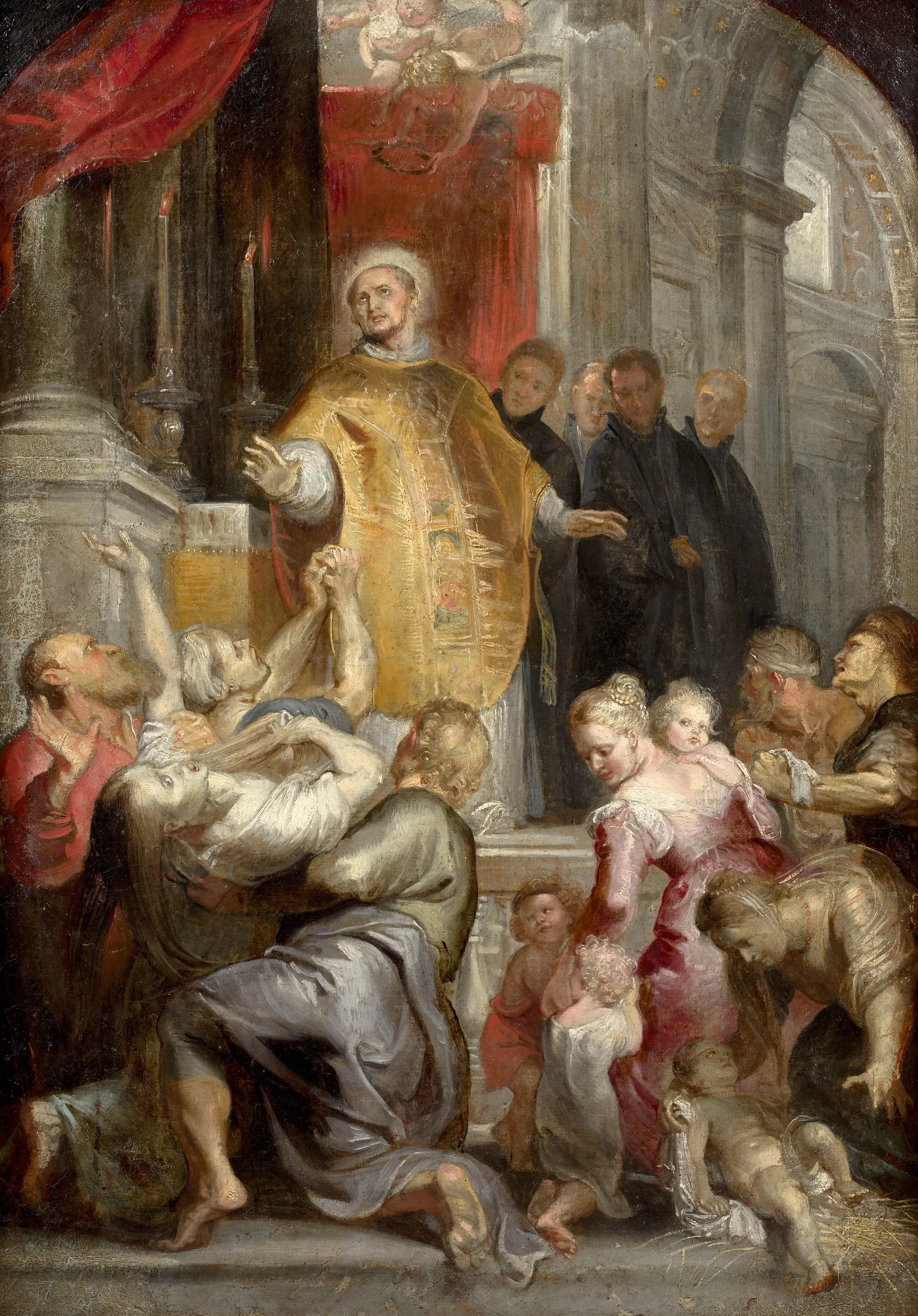
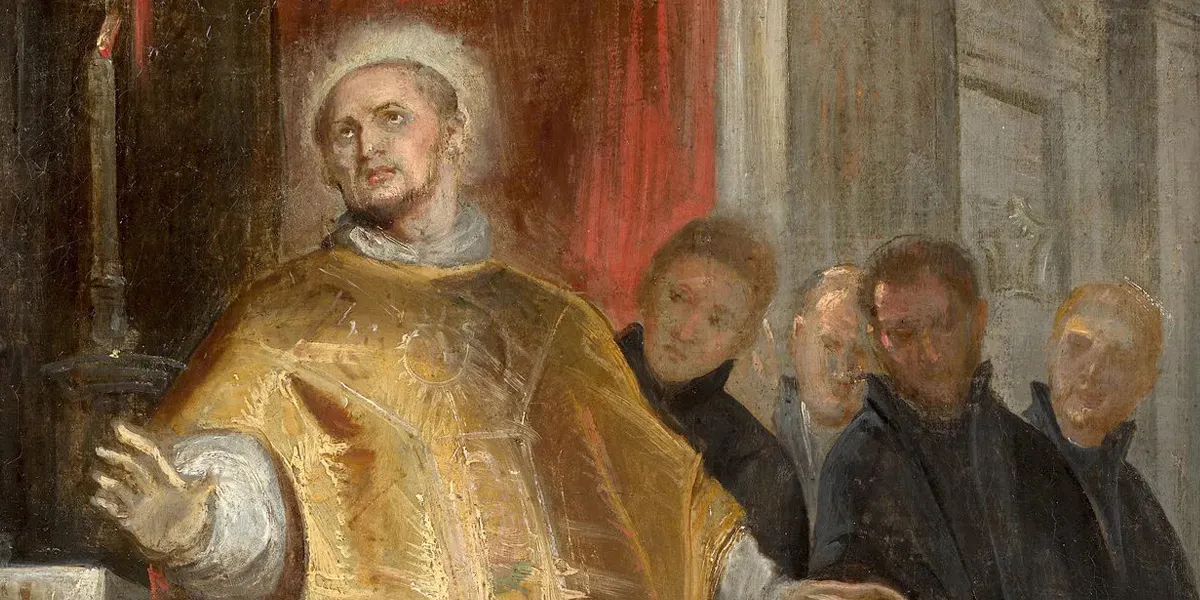
This rediscovery, unquestionably the star of the sale, is a modello (a preparatory study on a smaller scale) by Peter Paul Rubens from his Genoese period. Commissioned by Pietro Maria Gentile, it was created as part of the work for a monumental altarpiece, The Miracles of Blessed Ignatius of Loyola, intended for the Church of the Gesù in Genoa.
Genoa, a city known for its powerful patrician and merchant families, was pivotal in Rubens’ career. Sent to Italy as the court painter to Vincenzo I Gonzaga, Duke of Mantua, Rubens frequently visited the Ligurian capital between 1600 and 1607, forging relationships with influential aristocrats who became his patrons. Among them was Nicolo Pallavicino, who not only commissioned numerous works but also became a close friend—Rubens even named Pallavicino as godfather to his son, Nicolo.

Pallavicino financed the construction of the Church of the Gesù, located near the Palazzo Ducale. After his death in 1619, his son-in-law Pietro Maria Gentile took over the project and commissioned Rubens to create The Miracles of Blessed Ignatius of Loyola, a grand canvas that still graces the church’s chapel. As part of his typical process, Rubens produced several preparatory studies, including an oak-panel version housed at the Dulwich Picture Gallery in London and a more detailed modello di presentazione on canvas.
The modello to be offered at Artcurial was sent to Gentile in Antwerp for approval and remained in his family until the early 19th century. It caught the attention of English art dealer William Buchanan and was sold at a Philips auction on 3 May 1823. Later, it entered the collection of Madame Marie Berthe Cabany and has since been passed down to the present owner. Hidden from public view for two centuries, the painting has spent at least 150 years in a French family’s collection. Its reappearance sheds new light on a historic commission tied to the Jesuit Order’s growth in Antwerp and Italy.
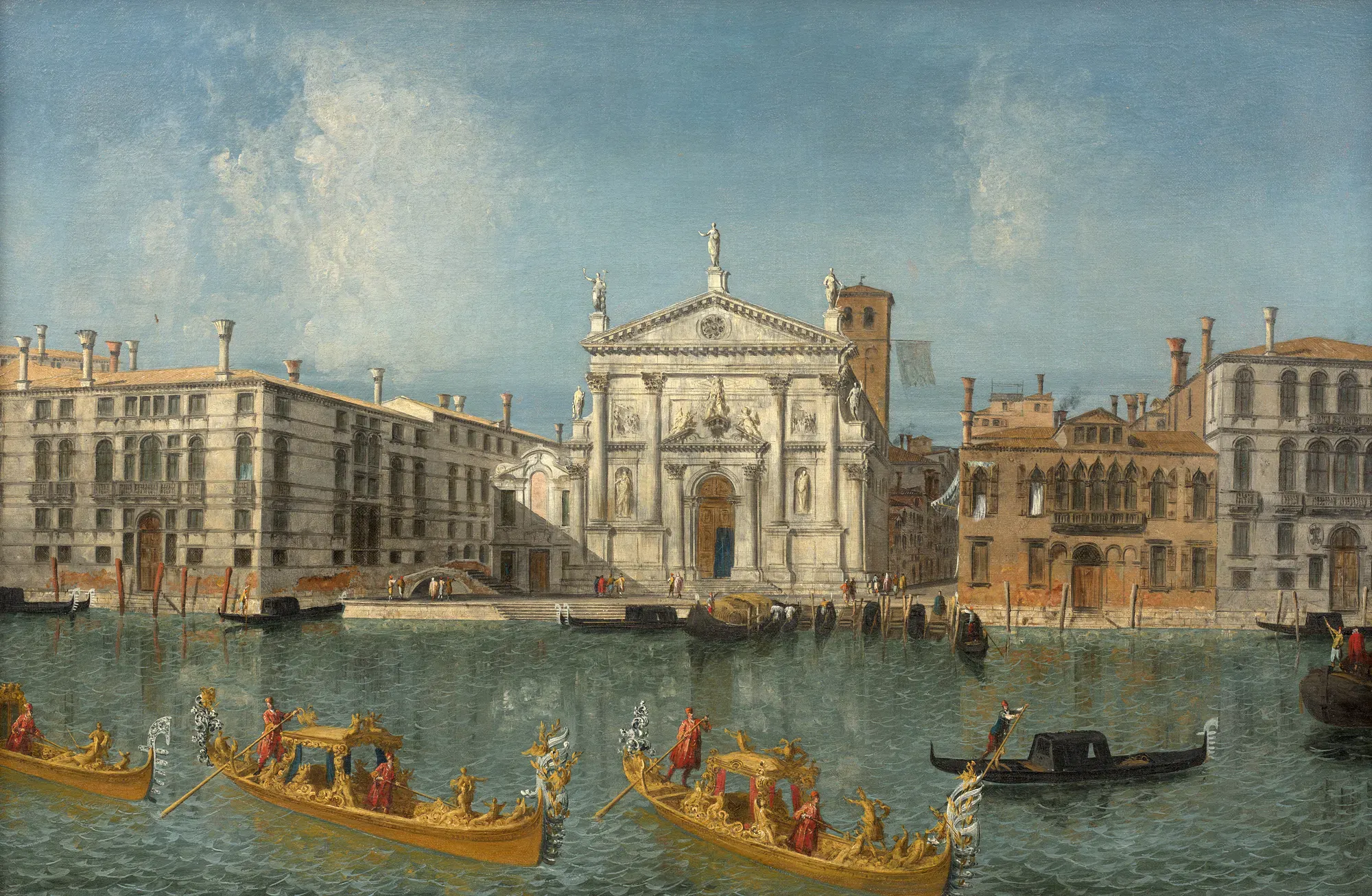
Another highlight is Michele Marieschi’s The Grand Canal with the Church of San Stae, Venice. While the vedutist tradition is often associated with Canaletto, Marieschi's mastery of technique offers a distinct perspective, elevating his work as an invaluable document of 18th-century Venetian customs. This oil on canvas captures an almost surreal atmosphere, infused with a dynamic rhythm that exemplifies Marieschi at the peak of his artistry. With its impeccable composition and shimmering reflections on the canal’s surface, this painting surpasses Canaletto in many respects, presenting a charming scene with vivid energy that solidifies Marieschi's place as a true master of vedutism.
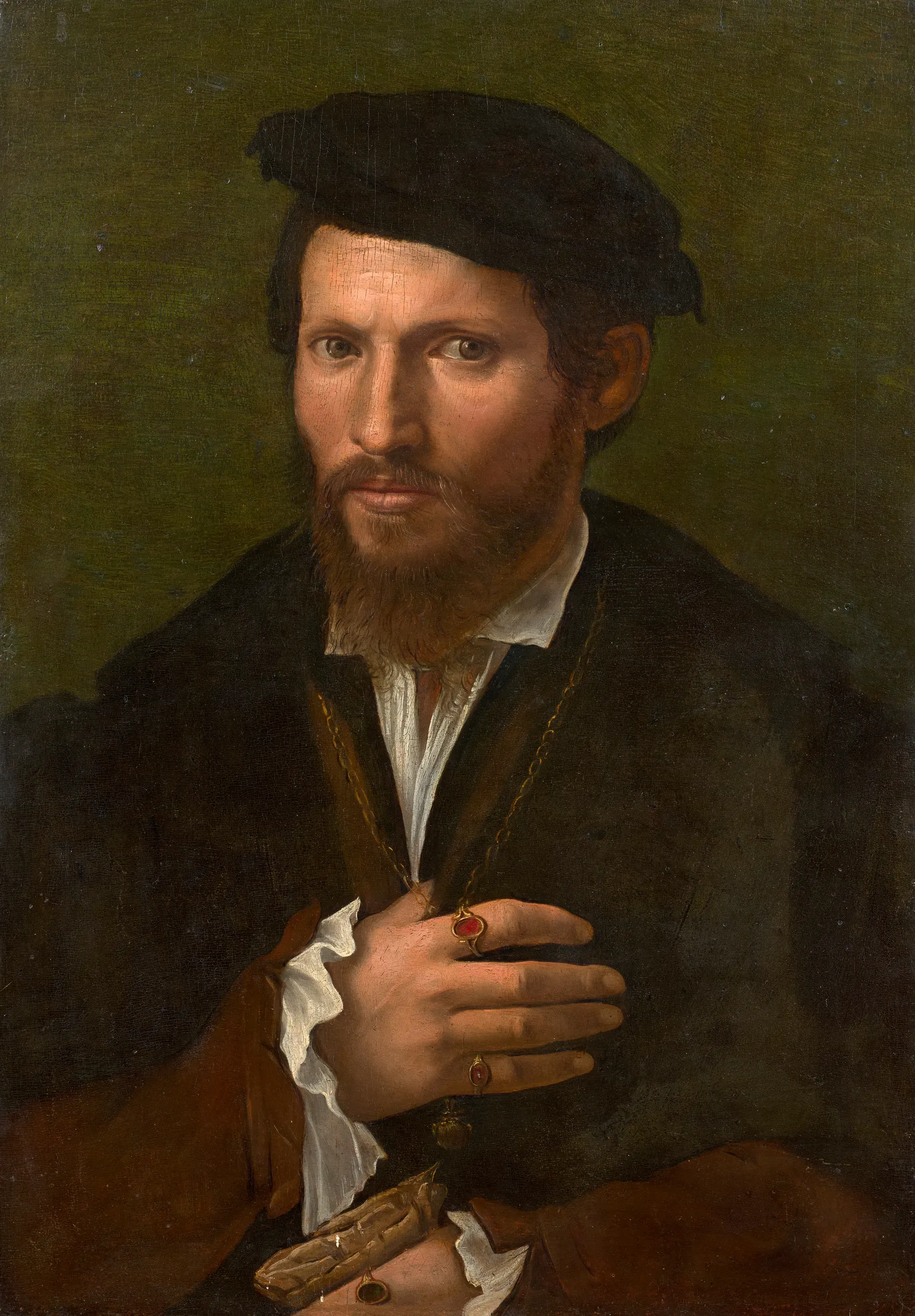
Turning to portraiture, the auction features Girolamo da Carpi’s Portrait of a Man with a Black Hat and Gloves. Trained in Ferrara in the workshop of Garofalo, da Carpi became court painter to Duke Ercole II d’Este. This portrait combines Renaissance ideals with a sophisticated style reminiscent of Parmigianino, offering a refined example of male portraiture that also chronicles evolving fashion trends.
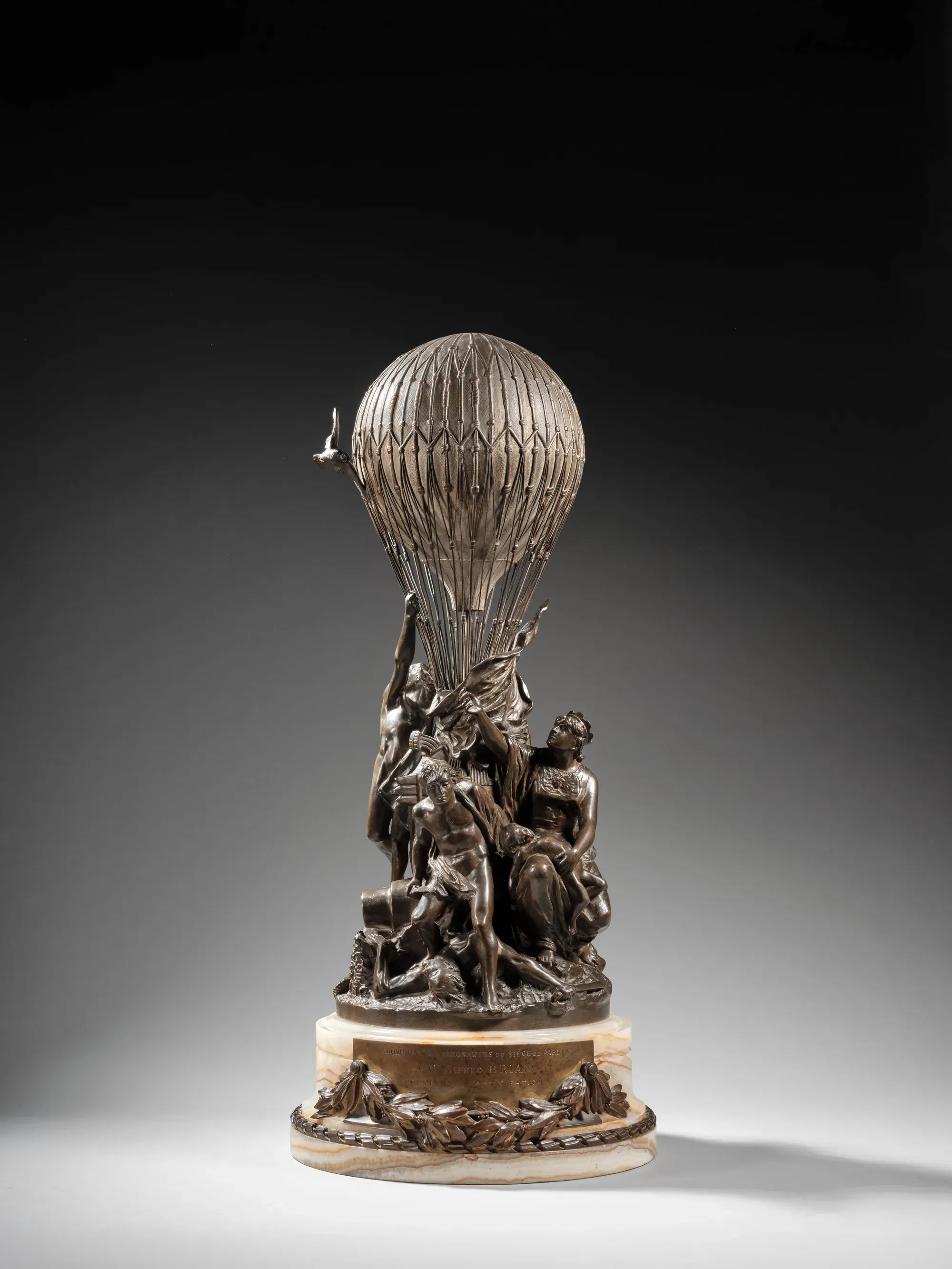
Collectors will also find a bronze by Frédéric-Auguste Bartholdi, whose history mirrors that of besieged Paris during the Franco-Prussian War. A committed and defiant artist, Bartholdi took part in the competition for the monument to the defence of Paris, launched in 1879 by the City of Paris. However, he diverged entirely from the specified brief, proposing a group of figures protecting access to an enormous balloon. The competition was ultimately won by Barrias, but Bartholdi nonetheless pursued his vision, initially planning to erect his monument on Montmartre hill, from where 66 aeronaut balloons had taken off on 7 October 1870.
The project was later abandoned in favour of the construction of the Sacré-Cœur. It only came to fruition years after Bartholdi’s death, when Hubert-Louis Noël completed the monument based on his model. Inaugurated in January 1906 at the Rond-Point de la Révolte, it was destroyed during the Occupation. Like many large-scale undertakings, the project relied on a public subscription, which included the sale of bronze reductions. The piece offered in this sale was presented to one of the subscription’s contributors and belongs to a small edition, of which at least two other examples are known.
The sale on November 27 will highlight the art of miniatures, featuring the collection of Pierre Jourdan-Barry. A passionate and knowledgeable collector, Jourdan-Barry took great pleasure in studying the intricate details of this demanding art form, assembling a selection of outstanding works towards the end of his life.
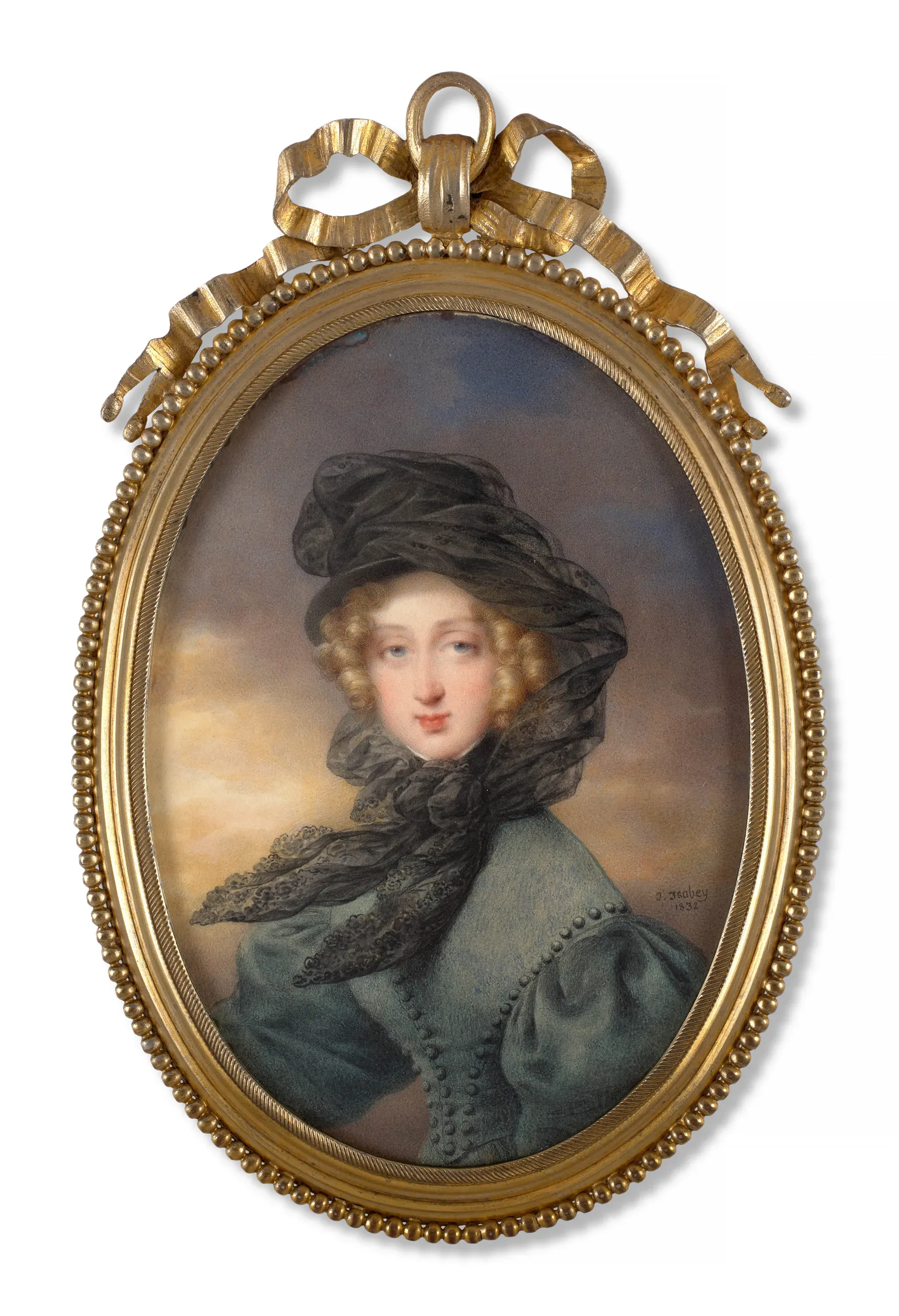
Among the highlights is a miniature portrait of Louise d’Orléans, the first Queen of the Belgians, by Jean-Baptiste Isabey. Painted in 1832 during her reign, this portrait likely commemorates her departure for the Brussels court shortly after her marriage. Set against a romantic sky, with her travel hat caught in the wind, she is portrayed in a delicate and enchanting image that seems to evoke the story of a princess far from her family.
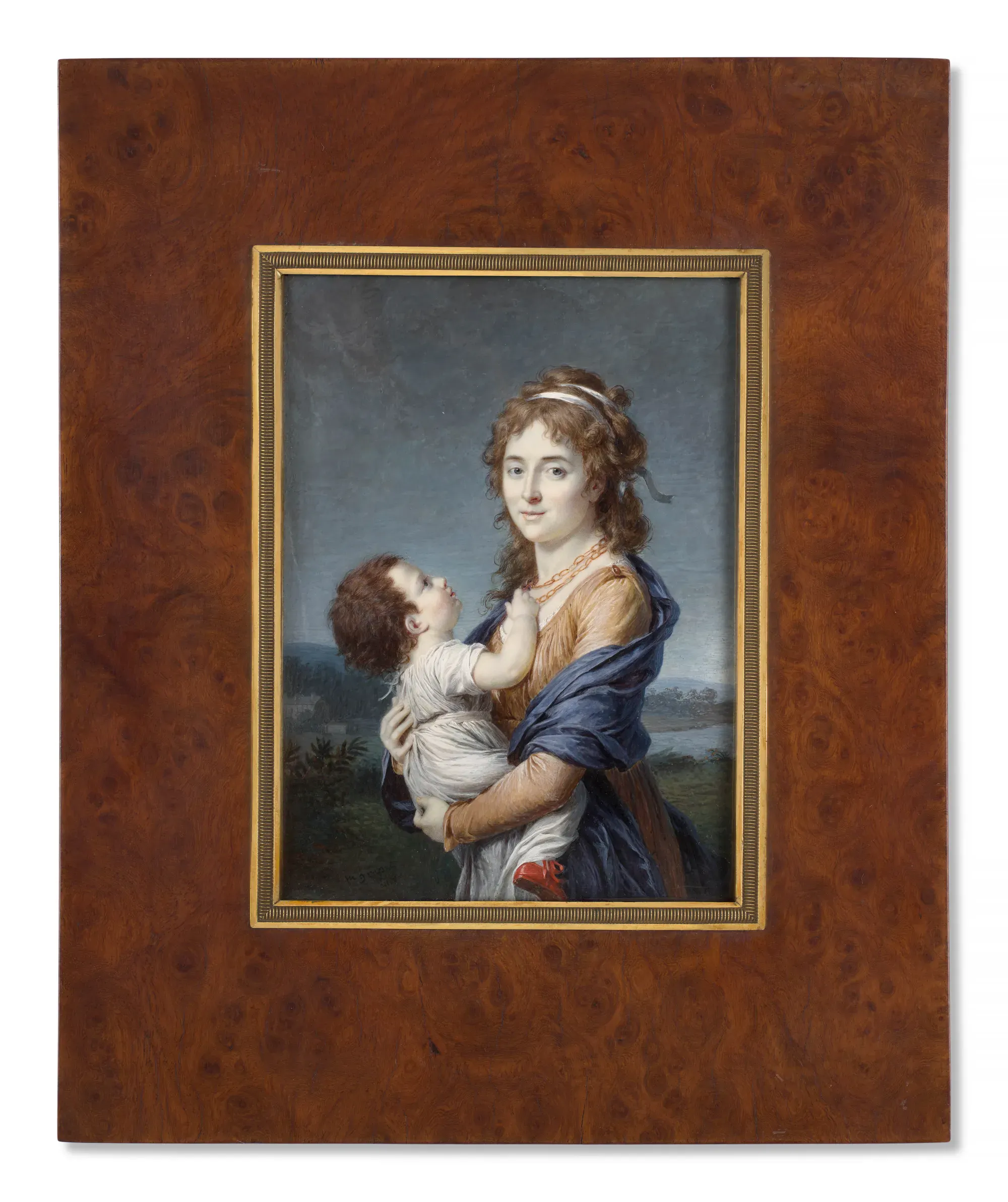
We close this overview with a miniature portrait of Baroness Dannery, the wife of French consul Jean-Baptiste Thomas Dannery, shown here holding her son, Jean Germain Samuel, in her arms. This finely detailed portrait was created by Marie-Gabrielle Capet, who was trained in the art of miniatures by Adélaïde Labille-Guiard. Recognising Capet’s exceptional talent, Labille-Guiard often invited her to collaborate on her works. Capet was also one of the 21 women who, for the first time, exhibited at the Salon du Louvre in 1791.
The collection also includes other outstanding miniatures, such as The Portrait of Two Young Girls by Henri-François Riesener and the Portrait Known as Paul Demidoff by Jean-Baptiste Singry.
These two sales celebrating historic art will take place on November 26 and 27 at Artcurial.