
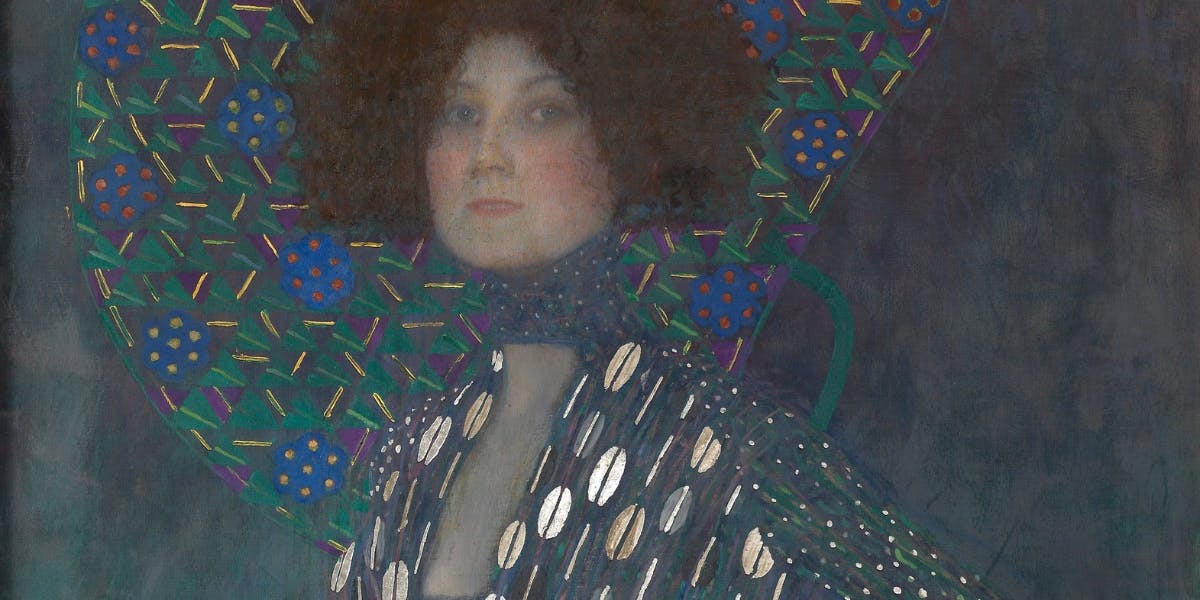
While Gustav Klimt is remembered for his love of women, there was one lady in particular who was both his muse and lifelong companion: Emilie Flöge. And although Emilie is often associated with the artist, she was a creative soul in her own right and founded Schwestern Flöge (Flöge Sisters), a successful haute couture house that catered to Vienna's elite.
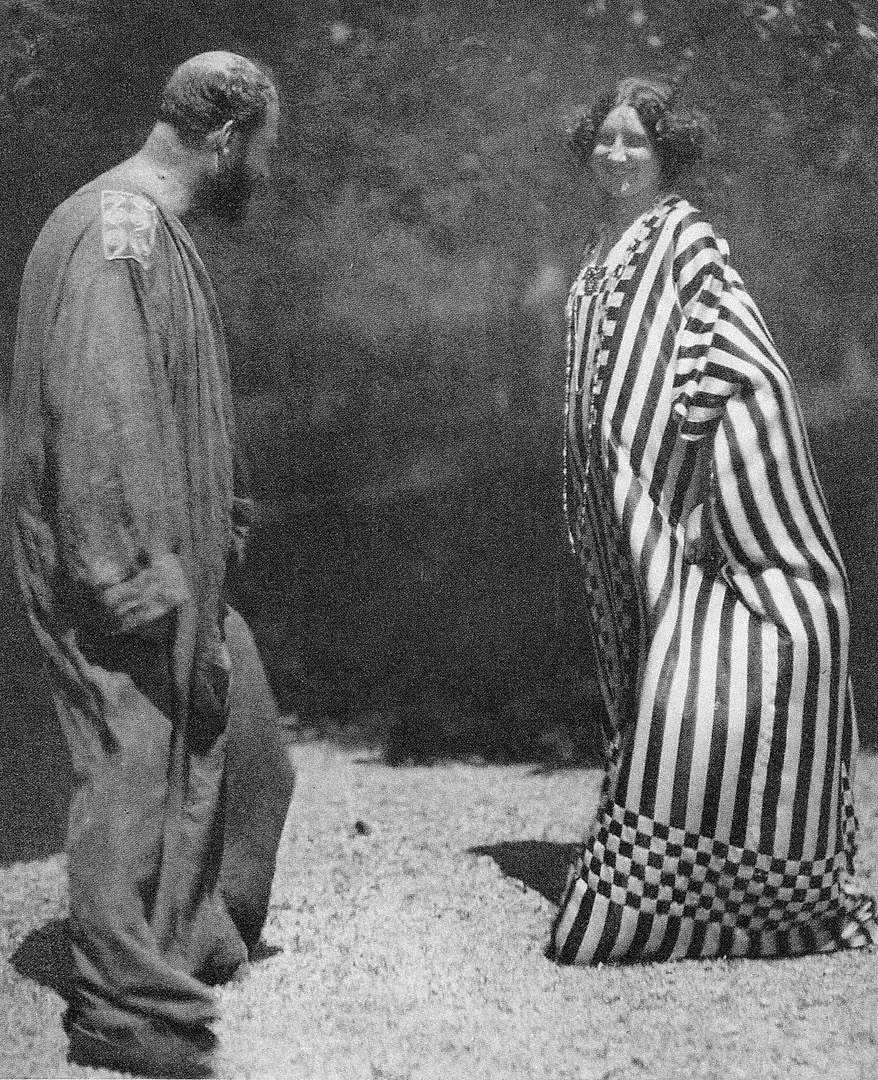
Emilie and Gustav likely met when Emilie's sister Helene and Gustav's brother Ernst became a couple. Helene and Ernst married in 1891, and their siblings grew close despite their age gap: Emilie was then 17 and Gustav was 30. In December of 1892, Ernst died and Gustav was assigned guardian to Ernst and Helene's baby girl. He spent ample time with the Flöge family and grew especially close to Emilie.
Related: Gustav Klimt: Artist of Emotion and Eroticism
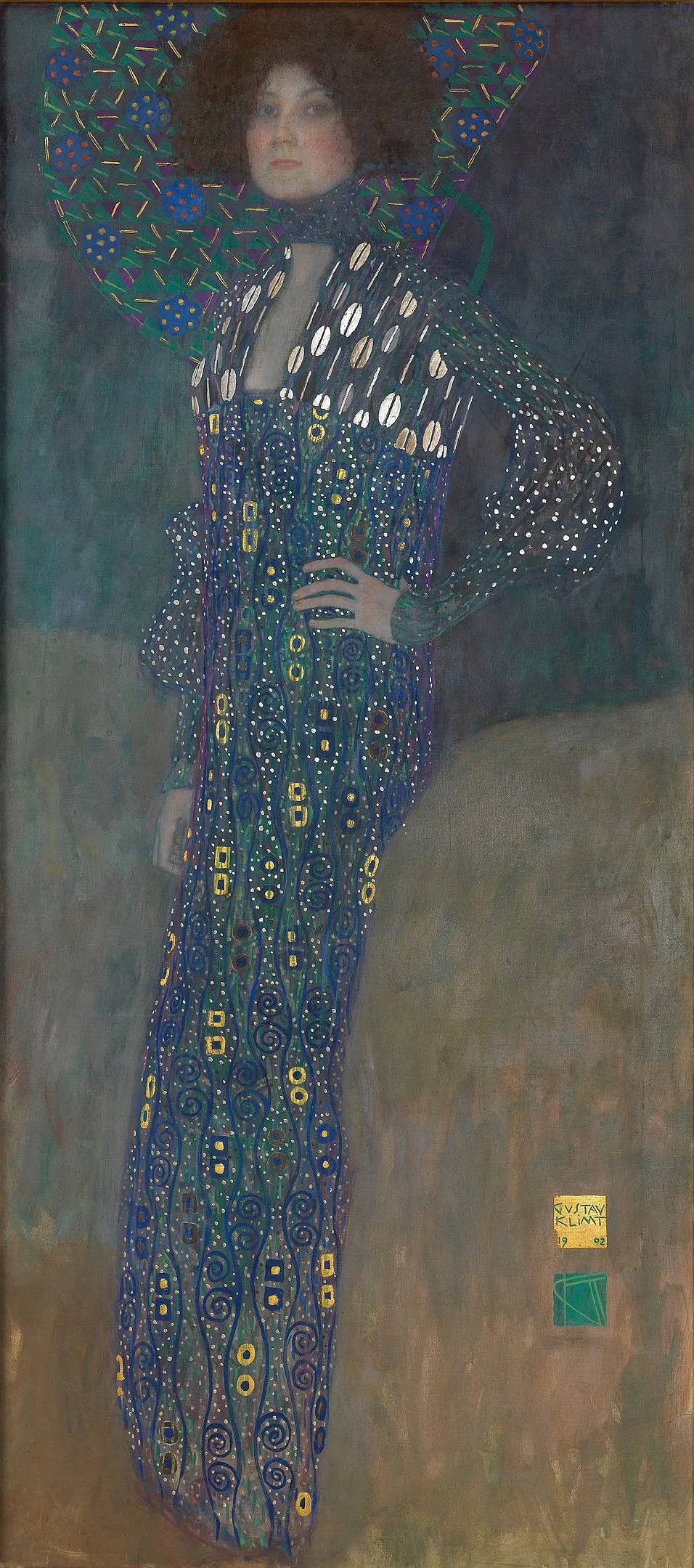
In 1902, he painted a full-length portrait of her wearing an exquisite blue and gold flowing gown rendered in oil and gold leaf. The Hungarian journalist Ludwig Hevesi wrote of the dress as a "blue-mottled world of majolica and mosaic." It is also suspected that Emilie is the woman featured in Klimt's iconic painting The Kiss, though there is no evidence.
Related: Haute Couture: Fashion Meets Art
Emilie Flöge and her sisters Helene and Pauline jointly opened a fashion salon in Vienna in 1902 that became the city's top couturier. The Flöge sisters were part of the avant-garde Viennese art scene, and at their shop, they offered not only the latest fashion trends from London and Paris, but also the loosely cut reform dresses that symbolized a new image of the self-assured and mobile woman of the early 20th century that fused elegant design and liberating movement. Artists of the Wiener Werkstätte (Vienna Workshop), like Josef Hoffmann, outfitted the salesroom, and many of them designed fabric patterns used in the Flöge Sisters' dresses, including Gustav Klimt.
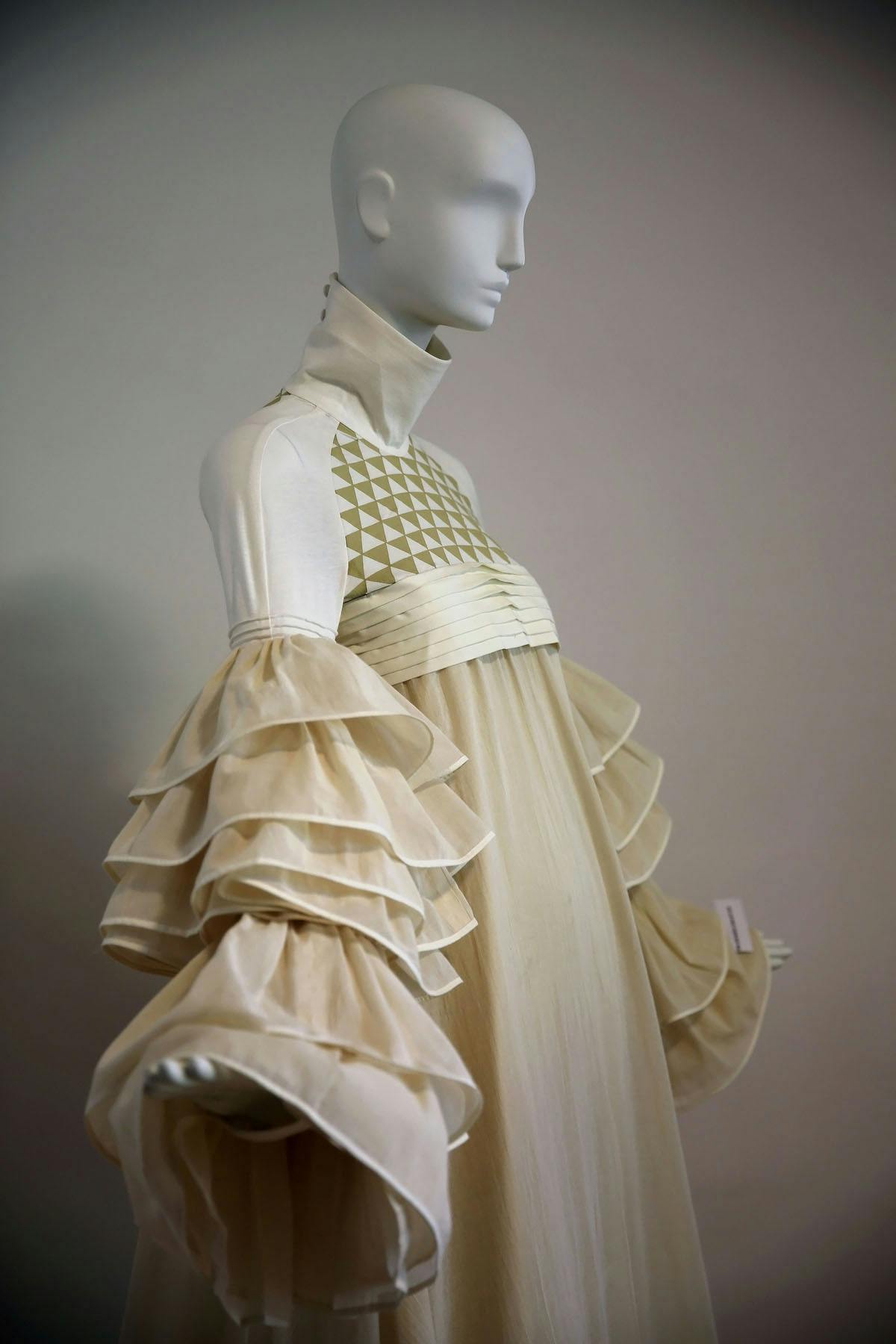
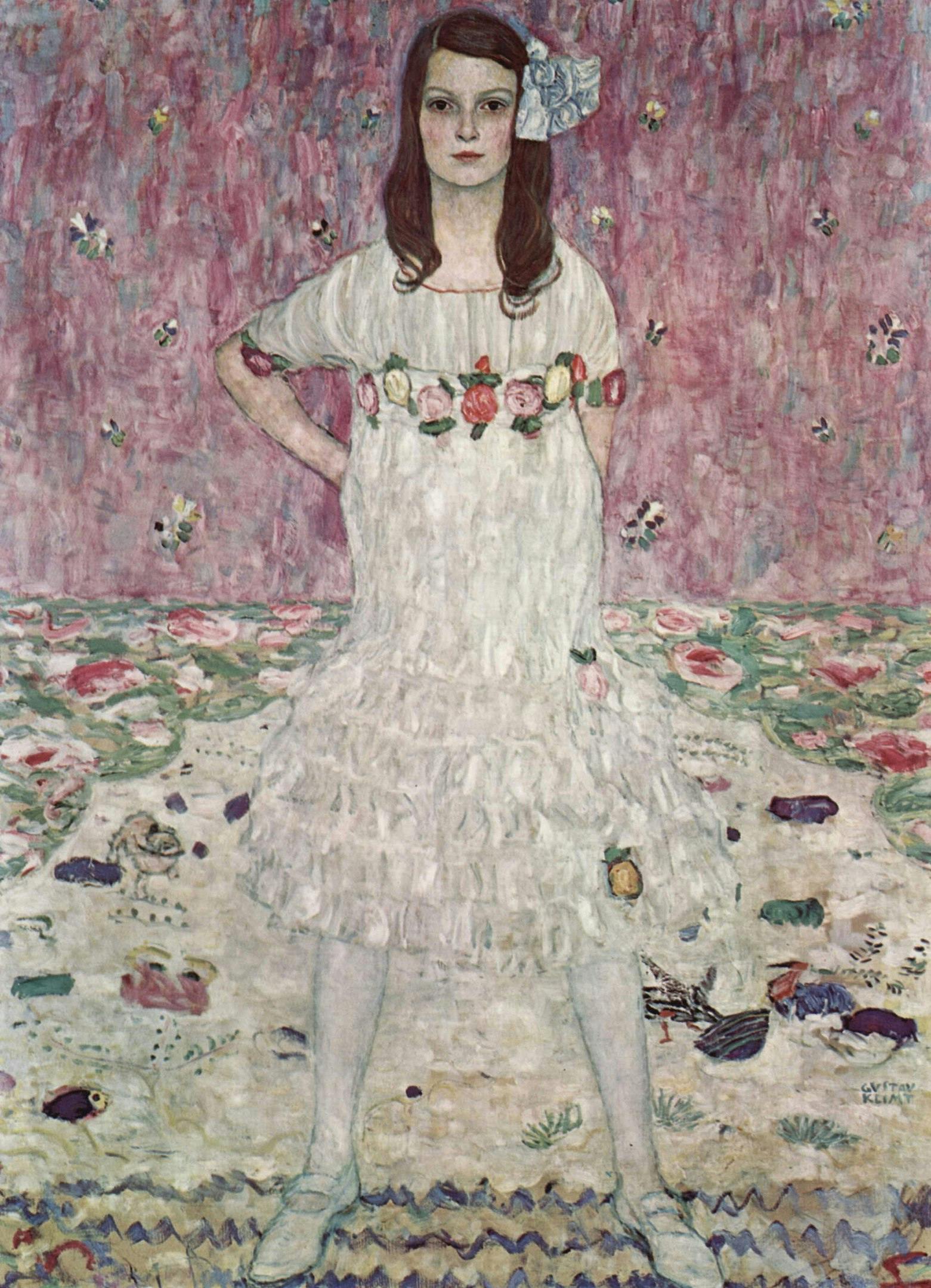
With Klimt's connections with the city's elite, he helped grow the Floge sisters' business. He also encouraged his subjects to wear their dresses: Mada Gertrude Primavesi, the daughter of wealthy industrialist Otto Primavesi, wears a custom Floge Sisters design in Klimt's 1912 portrait of her.
Though he known for his many lovers and love affairs, Klimt never married and neither did Emilie. When he died of the effects of a stroke on February 6, 1918, his last words were, "Emilie must come," and she inherited half of his estate. Emilie continued to work in her couturier until 1938 when it was shut down as a result of the annexation of Austria.
Related: On and Off the Canvas: Art's Most Famous Muses
However, she never forgot Gustav, retaining a "Klimt Room" in her house where she kept his artworks, clothing and personal items. However, the building unfortunately burned down in the late 1940s and everything was lost.
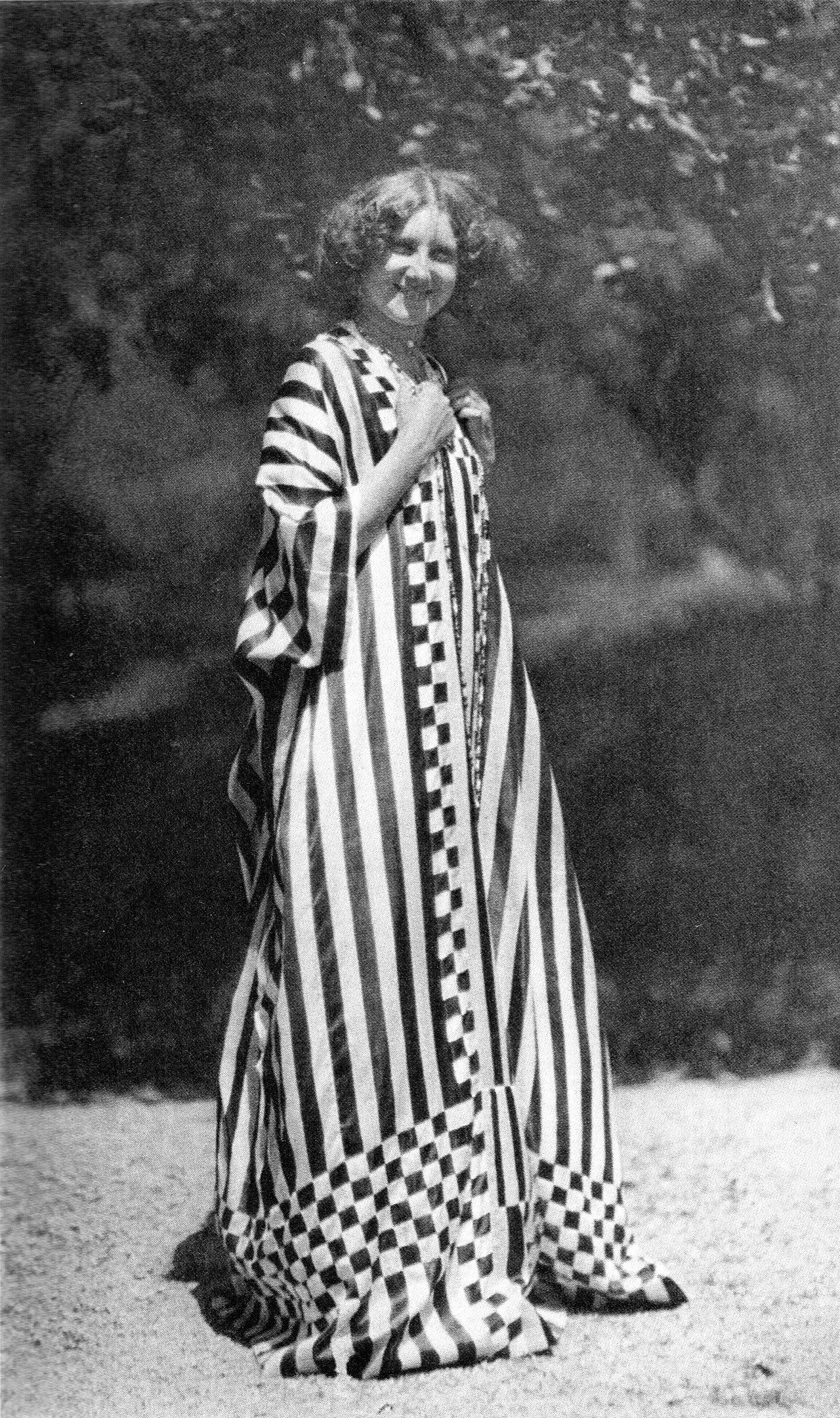
Emilie died in Vienna on May 26, 1952 at the age of 77. Her legacy lives on in the evolution of 20th century fashion that catered to the modern woman and her role as Klimt's most enduring muse.
Find more articles on Barnebys Magazine here
This is an updated version of the article originally published on May 31, 2019