
It was Queen Victoria in 1840 who made the white wedding dress a tradition when the photograph of her wearing a white lace dress at her wedding to Prince Albert was published across the world. Prior to Queen Victoria's wedding, wedding dresses were a variety of colors (even black was a popular color in Scandinavia) and were often worn again. The 20th century saw a vast change in wedding fashion, as dresses became one-off specialty pieces that often reflected the style of the day. Here we look at some of the defining decades of wedding fashion of the 20th century.
1920s - 1930s
The 1920s and 1930s saw two trends in wedding fashion. The 1920s saw a rise in daring wedding dresses that emulated the short 'flapper' everyday style of the decade. Dropped waists teamed with raised hemlines meant that baring ankles went from being a shocking taboo to everyday wedding fashion. These shorter dresses were often teamed with the popular Juliet cap veil that replicated the cloche hat style that dominated fashions in the 1920s.
Related: The Thriving Thirties: Cecil Beaton's Photography
Alongside this rise in daring wedding fashion stemmed a more 'traditional' branch of wedding attire from those that deemed baring ankles inappropriate for church services. Satin dresses with long trains and veils became increasingly popular towards the end of the 1920s and throughout the 1930s.
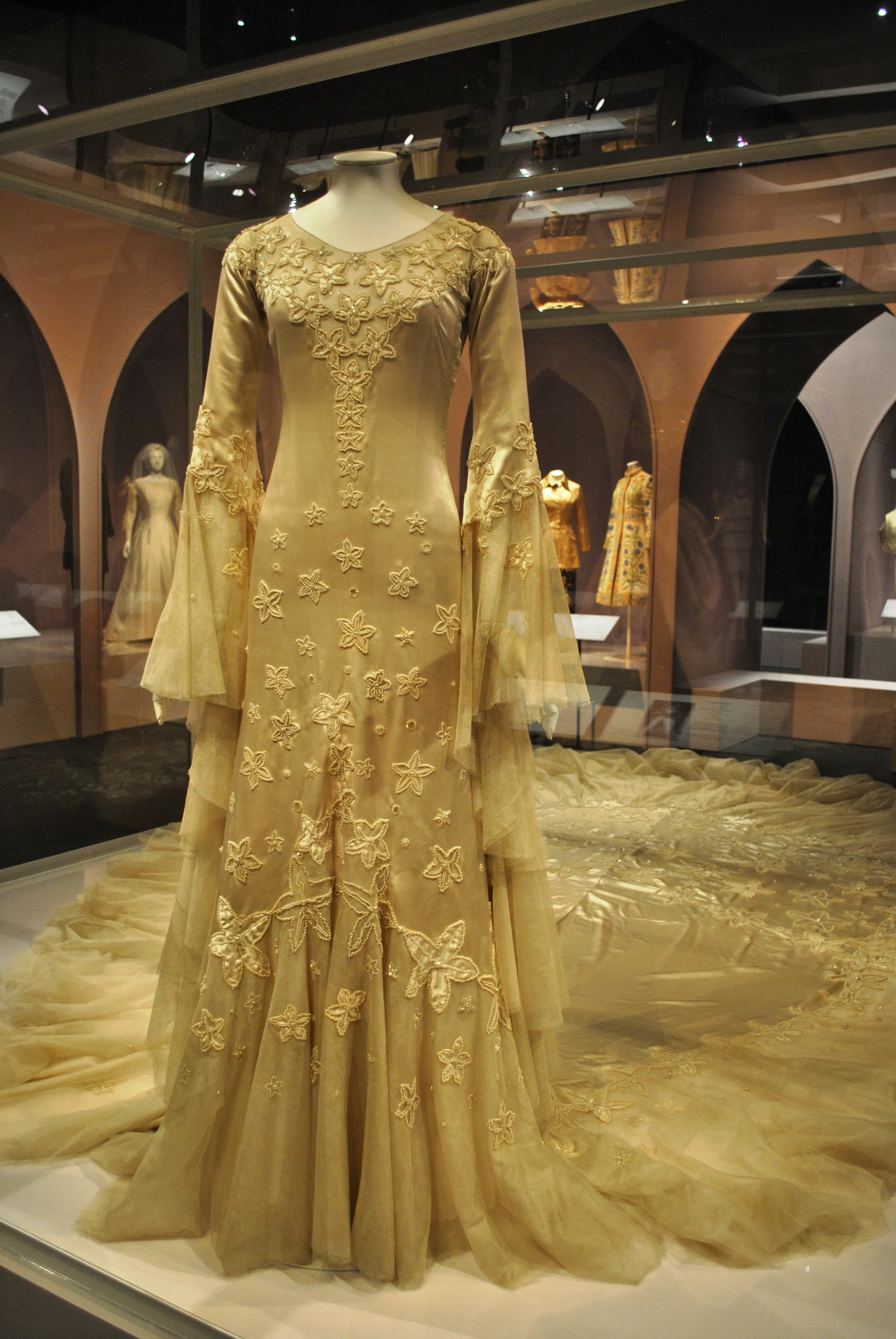
The rise of the media also had an effect on wedding fashion with spectators often lining the streets to see a bride in her wedding dress and photos appearing in newspapers across the world. The trend for extravagant show-stopping dresses grew as a result. One dress that defines the rise of these wedding dresses was the one worn by Margaret Whigham (later Duchess of Argyll) for her wedding in 1933. It was designed by Norman Hartnell and took 30 seamstresses six weeks to make. The publicity surrounding the dress was so great that the traffic in Knightsbridge was blocked for three hours by the spectators clamoring to see the bride in her dress.
1940s
Rationing and World War II had a huge effect on fashion and wedding attire during the 1940s. The 'Make Do & Mend' campaign by the British government led to a flourish of creativity by fashion conscious women affected by the rationing. Women often made their own dresses using easily available fabric like parachute silk, re-worked old dresses, pooled coupons with other women or shared dresses. Simple dress designs and skirt and jacket sets also became popular as weddings became low-key affairs, often hastily arranged when soldiers were on leave.
Related: Not Just for Royals: A History of the Tiara
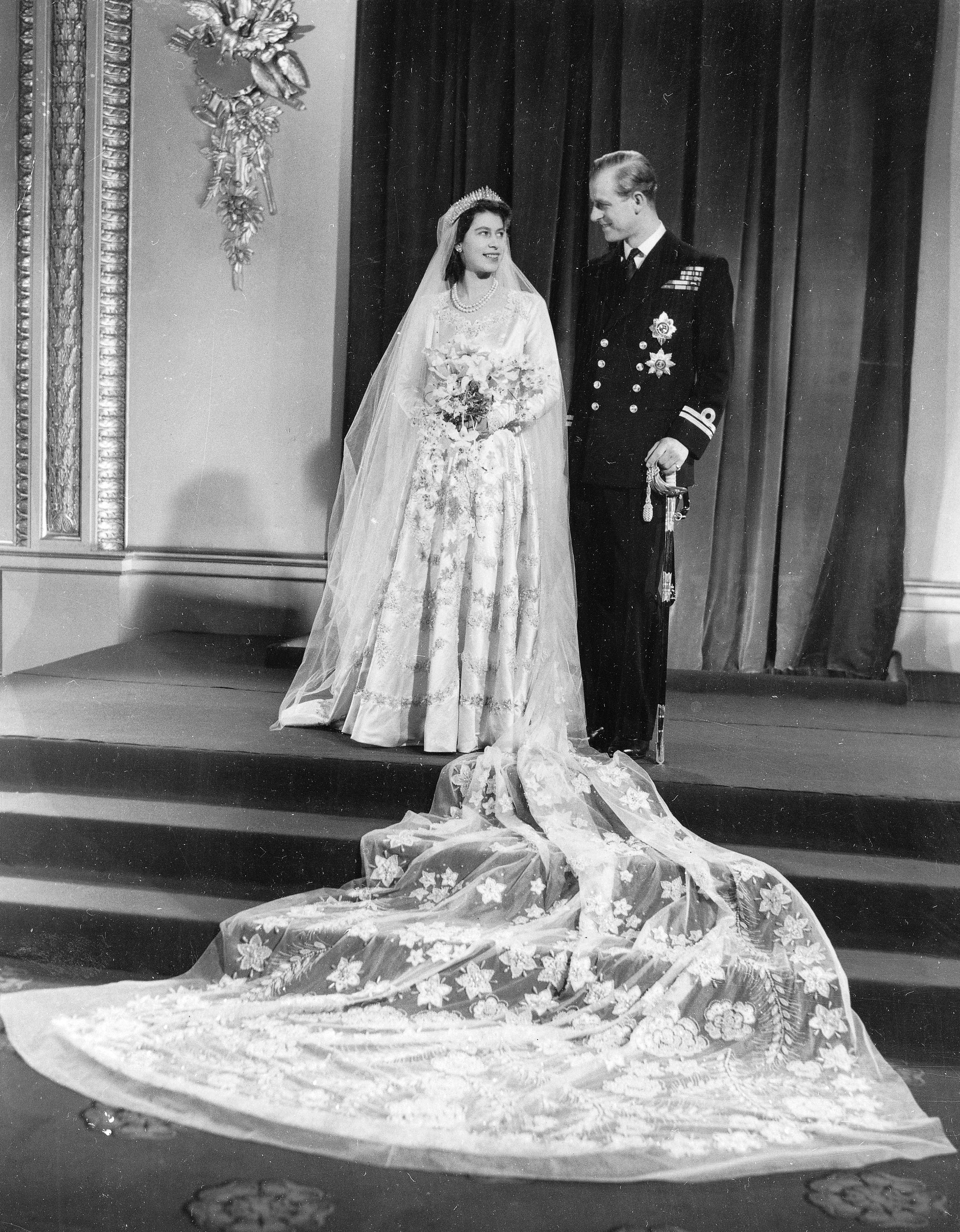
Later in the decade the marriage of Queen Elizabeth II to Prince Philip in 1947 and the 'new look' celebrating the hourglass figure created by Christian Dior in the same year brought back the fashion for lace and long sleeved dresses with full skirts and cinched waists.
1950s - 1960s
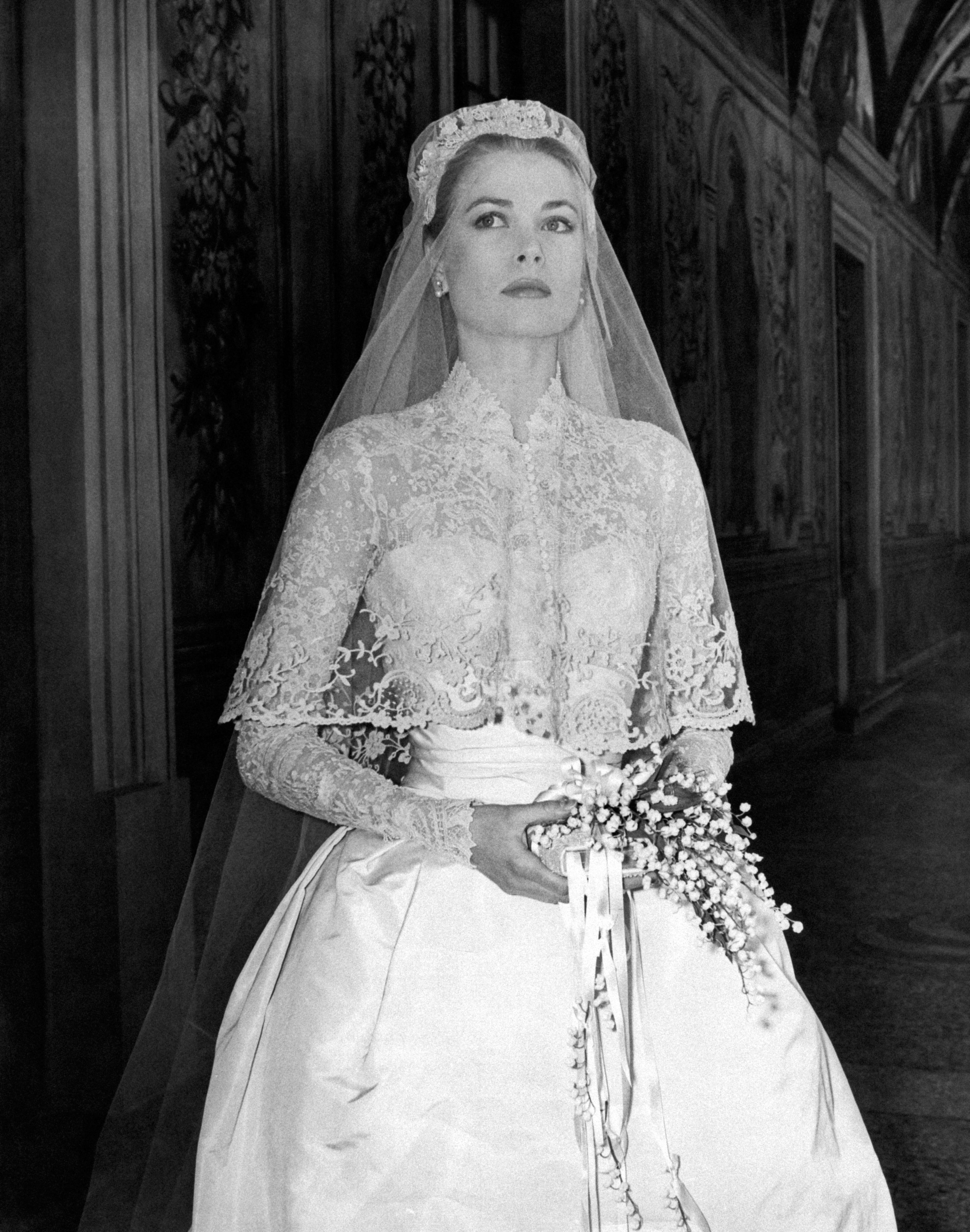
The influence of Grace Kelly's 1956 dress echoed throughout the 1960s. Defined waists with billowing skirts were worn by brides seeking a 'traditional' and romantic element to their wedding.
Related: History’s Best Wedding Dresses
As the decade progressed with the introduction of Mary Quant's mini skirts and dramatic '60s style, wedding fashion began to change. Up until this point no decade had quite so varied wedding fashions as the 1960s did.
Related: Summer in the Sixties
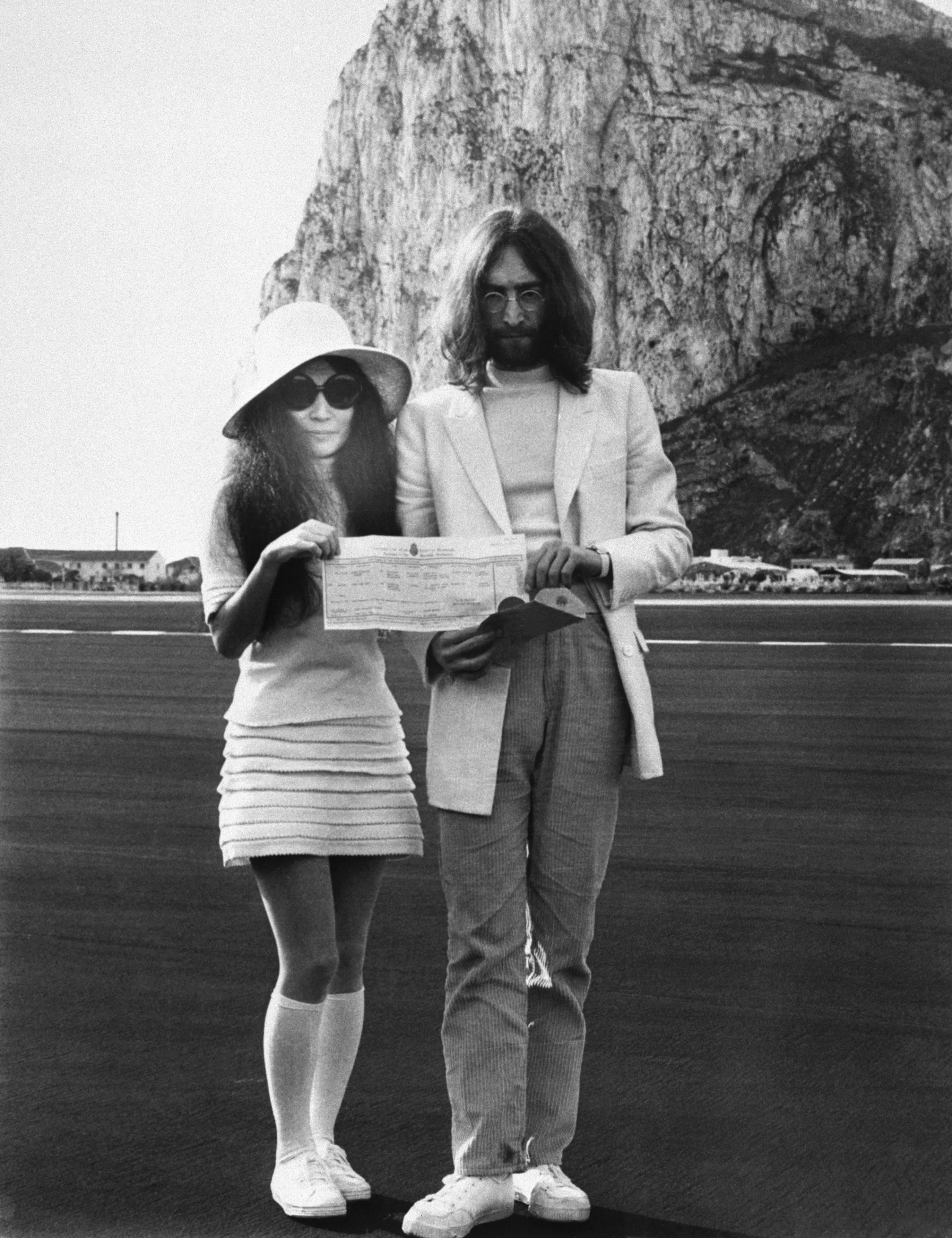
As the mid sixties approached more women desires trendy dresses like mod themed dresses, A-line shaped dresses, and'Babydoll' esque dresses based on the fashions worn by Twiggy that highlighted the bust as opposed to the waist. Even the mini-dress became a wedding choice, most famously worn by Yoko Ono for her wedding to John Lennon in 1969.
1980s - 1990s
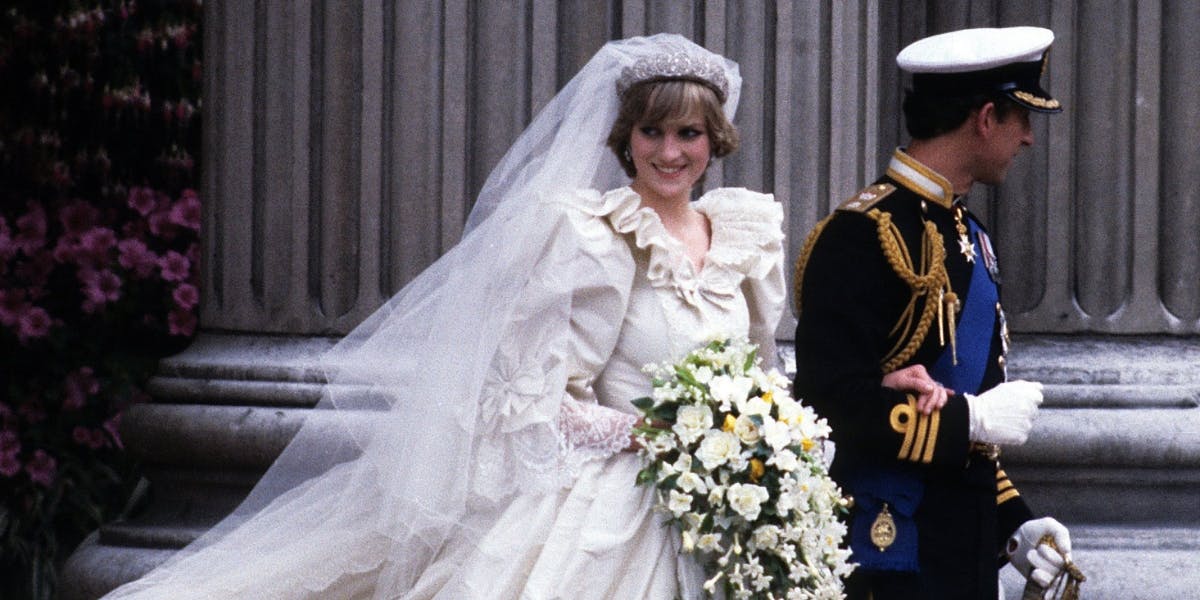
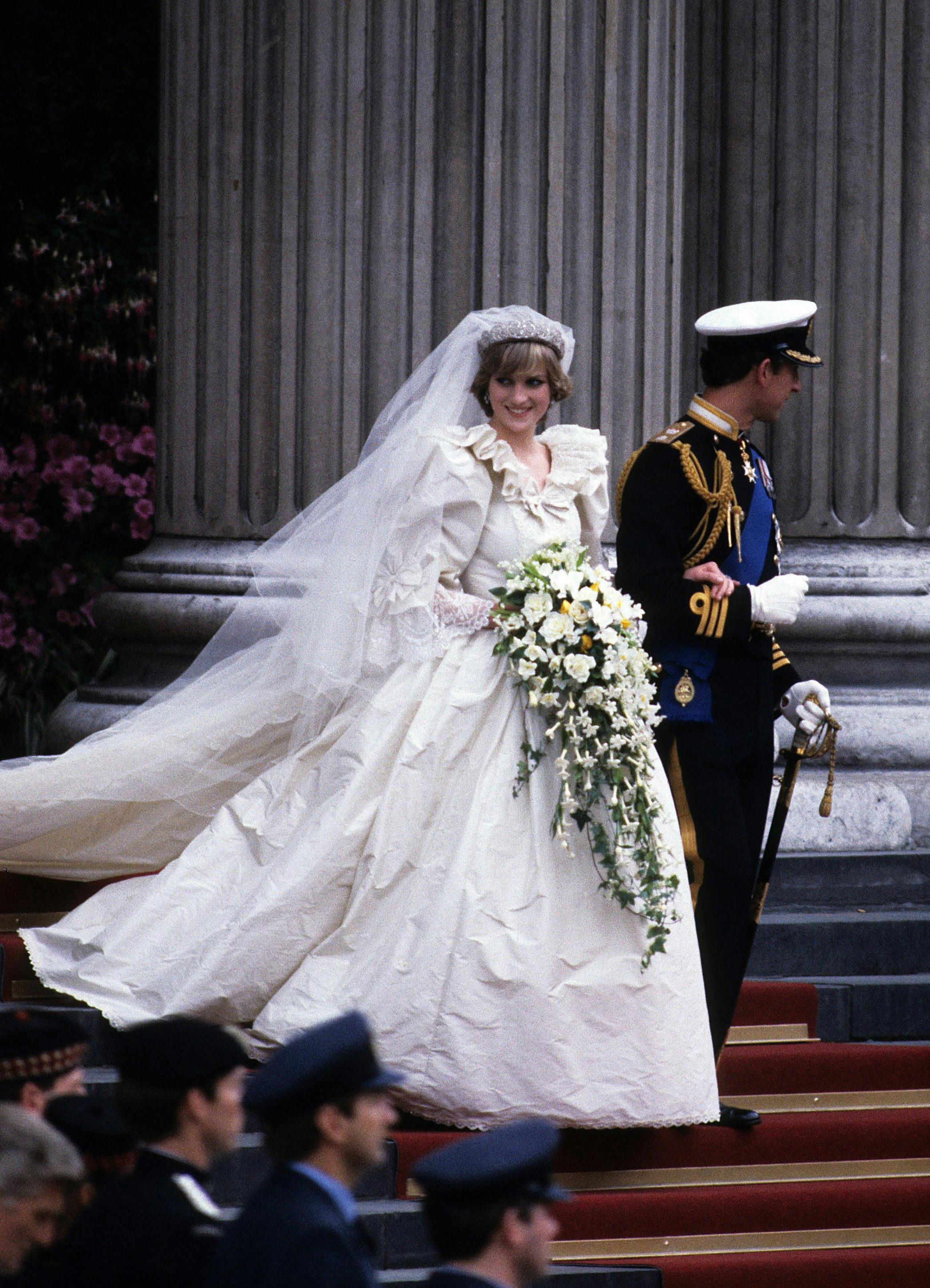
The images of the wedding of Princess Diana to Prince Charles in 1981 are some of the most famous wedding photos ever taken. There has been no other wedding dress that has had quite as much influence as Diana's big sleeved, big skirted silk dress with a 26-foot train designed by David and Elizabeth Emanuel. This led to a decade of 'big' weddings and even bigger wedding dresses as brides wanted to emulate the Princess with extravagant dresses boasting large sleeves, trains, skirts and large bouquets.
Related: History's Most Famous Engagement Rings
This didn't shift until the 1996 wedding of John F. Kennedy Jr. and Carolyn Bessette, who famously wore a Narciso Rodriguez simple silk slip dress. According to Vogue, her dress "hands-down changed the wedding dress game—making it acceptable and desirable to wear something refined and simple: a white silk slip rather than princess-y tulle and an embellished gown." Towards the end of the century, wedding fashion became more minimalist, modern and understated.
Find more on Barnebys Magazine
This is an updated version of the article originally published on March 9, 2015