We check out four prolific writers of the 20th century whose passion and talent were also in the fine arts.
Sylvia Plath
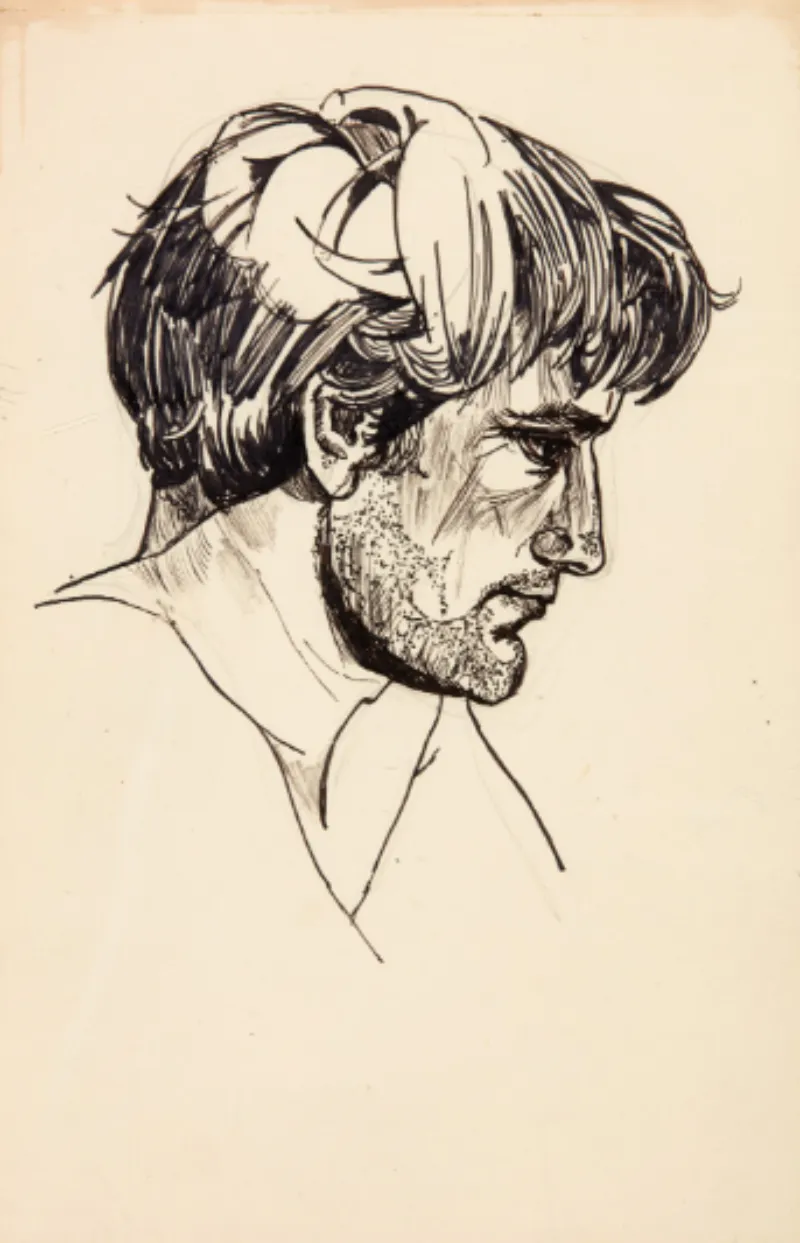
Before she switched to English, Sylvia Plath began her endeavors in the arts as an art major. This side of Plath has little been celebrated, until in 2017 the Smithsonian National Portrait Gallery, Washington DC, opened a retrospective of Plath's visual art.
I saw my life branching out before me like the green fig tree in the story.
Related: Your Own, Sylvia
The exhibition, titled 'One Life: Sylvia Plath', featured works from the writer's childhood through to self-portraits she made as a teenager and in her adult life.
William S. Burroughs
Beat Generation writer William S. Burroughs was just as experimental in his fine art pursuits. The writer and artist would close his eyes whilst he was in front of a canvas, tool in hand, and draw as a way of exploring his inner most psyche, without the intention to show these works to the public.
Your mind will answer most questions if you learn to relax and wait for the answer.
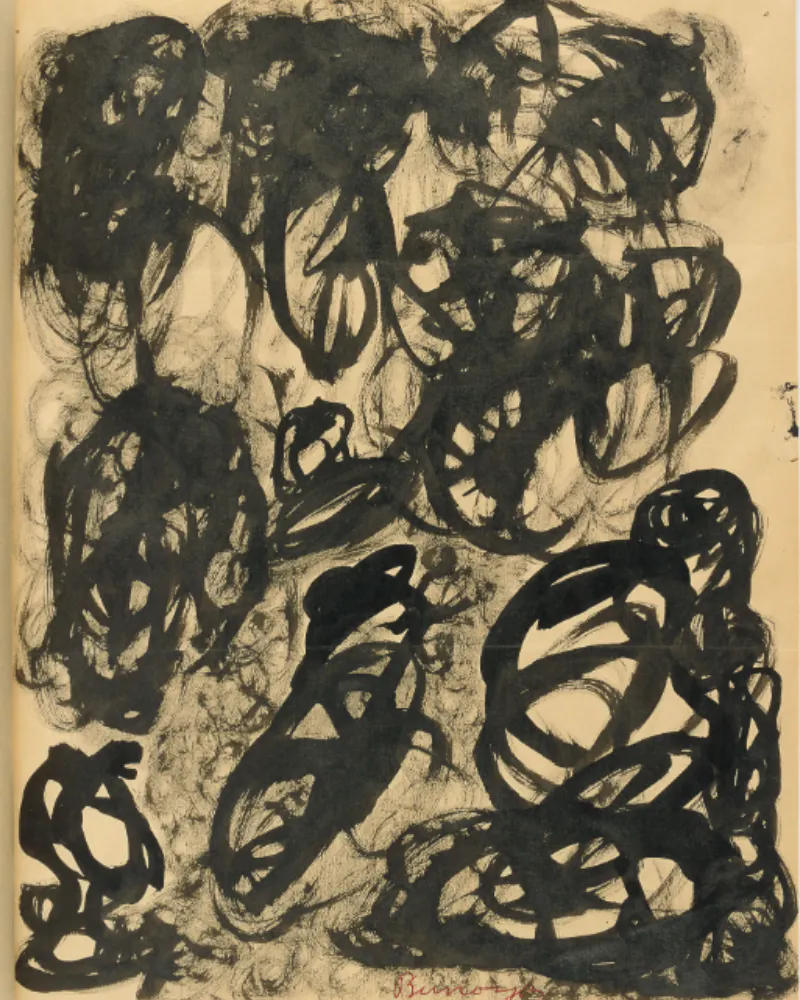
Burroughs would also create works in a variety of mediums, including sculpture, and they would often feature ghoulish subjects and shootings – a connection to when he accidentally shot his wife Joan Vollmer during a game of William Tell in Mexico City in 1951.
Related: Keith Haring's Last Apocalyptic Years
He was inspired by Dada and Surrealism, rearranging pieces of text and image to create new orders of meaning in both writing and visual art.
Maya Angelou
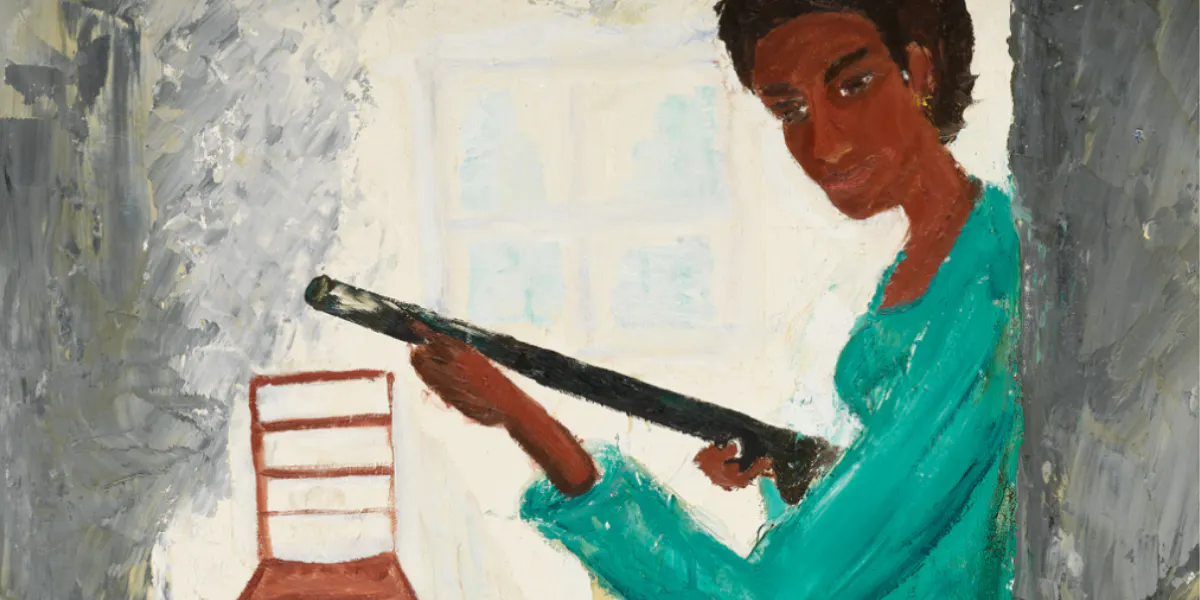
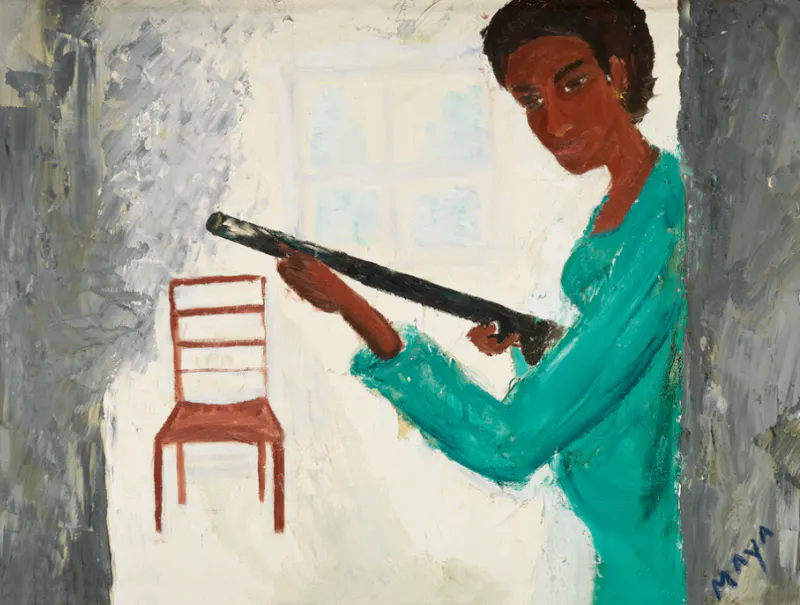
Little is known about the visual artistic pursuits of Maya Angelou, however, in 2015 a painting from 1969 by the artist came to auction. The Protector of Home and Family, 1969, was part of Swann Galleries' sale of Angelou's estate. The auction house billed the piece as 'the first known visual art work by Dr Maya Angelou to be publicly exhibited or offered for sale.'
There is no greater agony than bearing an untold story inside you.
Want more articles like this delivered straight to your inbox? Subscribe to our free newsletter!
According to an inscription on the verso, the piece was painted in the winter of 1969 shortly after Angelou finished writing I Know Why the Caged Bird Sings. The work depicts a woman holding some sort of weapon in self-defense.
E. E. Cummings
You may, to your surprise, find the work of the great modernist poet E.E. Cummings on the walls of institutions across America. This is because, during his lifetime he created over 1500 sketches, drawings, watercolors, and oil paintings.
Always the beautiful answer who asks a more beautiful question.
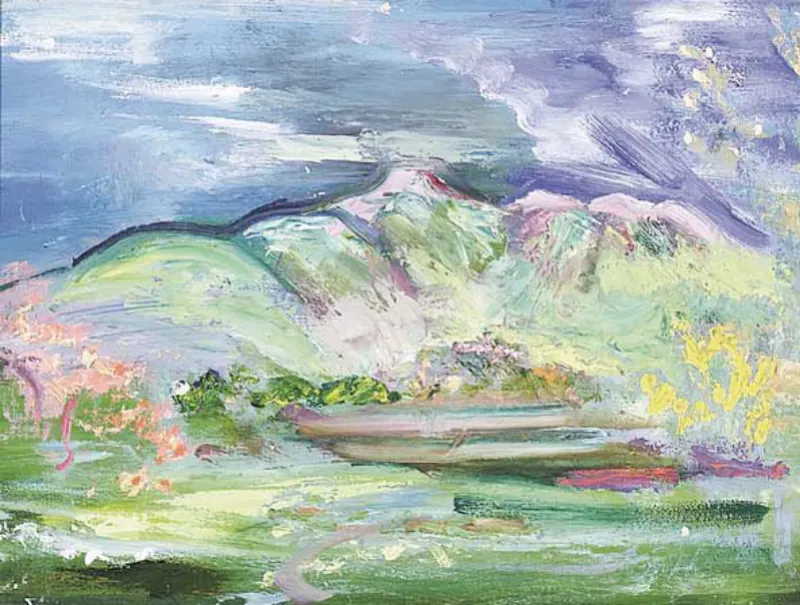
Cummings began drawing and writing at a young age. By the time he had enrolled at Harvard, he had chosen to pursue his writing academically, refusing to take any formal visual art training.
Related: The Armory Show: The Exhibition That Changed Everything
In 1913, Cummings saw the Armory Show, the first major display of European modern art in America. Works by Picasso and Matisse shocked and intrigued American audiences. Cummings was no doubt part of the latter group.