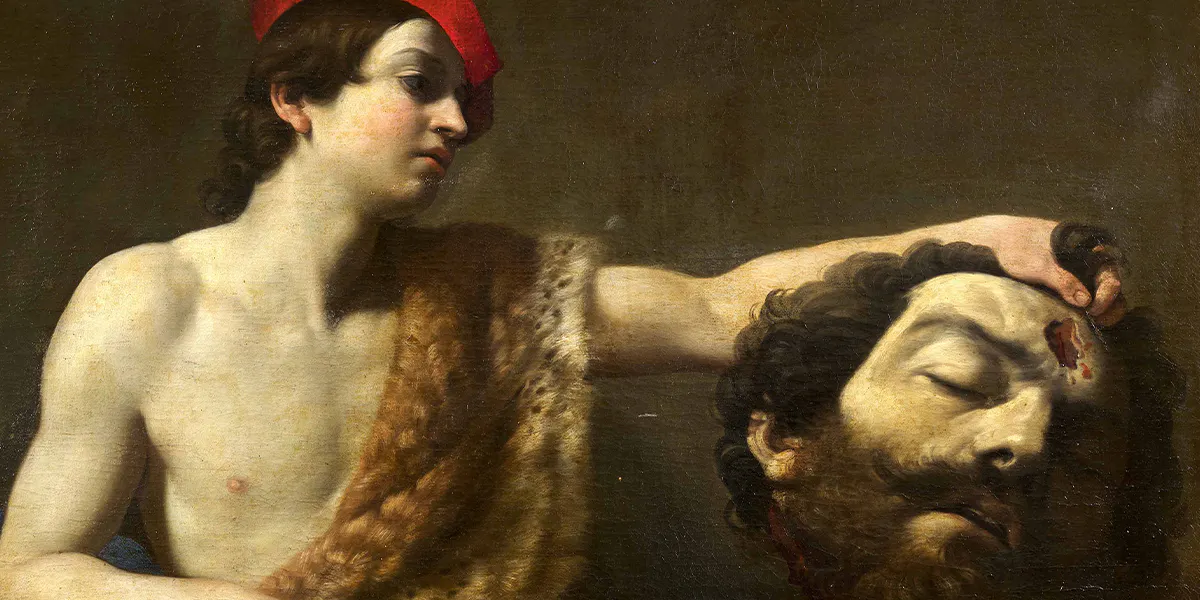
Experts at Artcurial had estimated Guido Reni's David and Goliath at between €2,000,000 and €4,000,000 before it went under the hammer in Paris on Tuesday. Reni's previous auction record, set at Sotheby's in London in 2008 when The Martyrdom of Saint Apollonia sold for £1,833,250 ($2,444,080), was used as a reference point. This figure was far exceeded when the bidding in Paris ended at €10,100,000. With the buyer's premium included, the final price reached €12,386,600 (about £10.8 million or $14.4 million).
See also: Top 10 Rediscovered Masterpieces
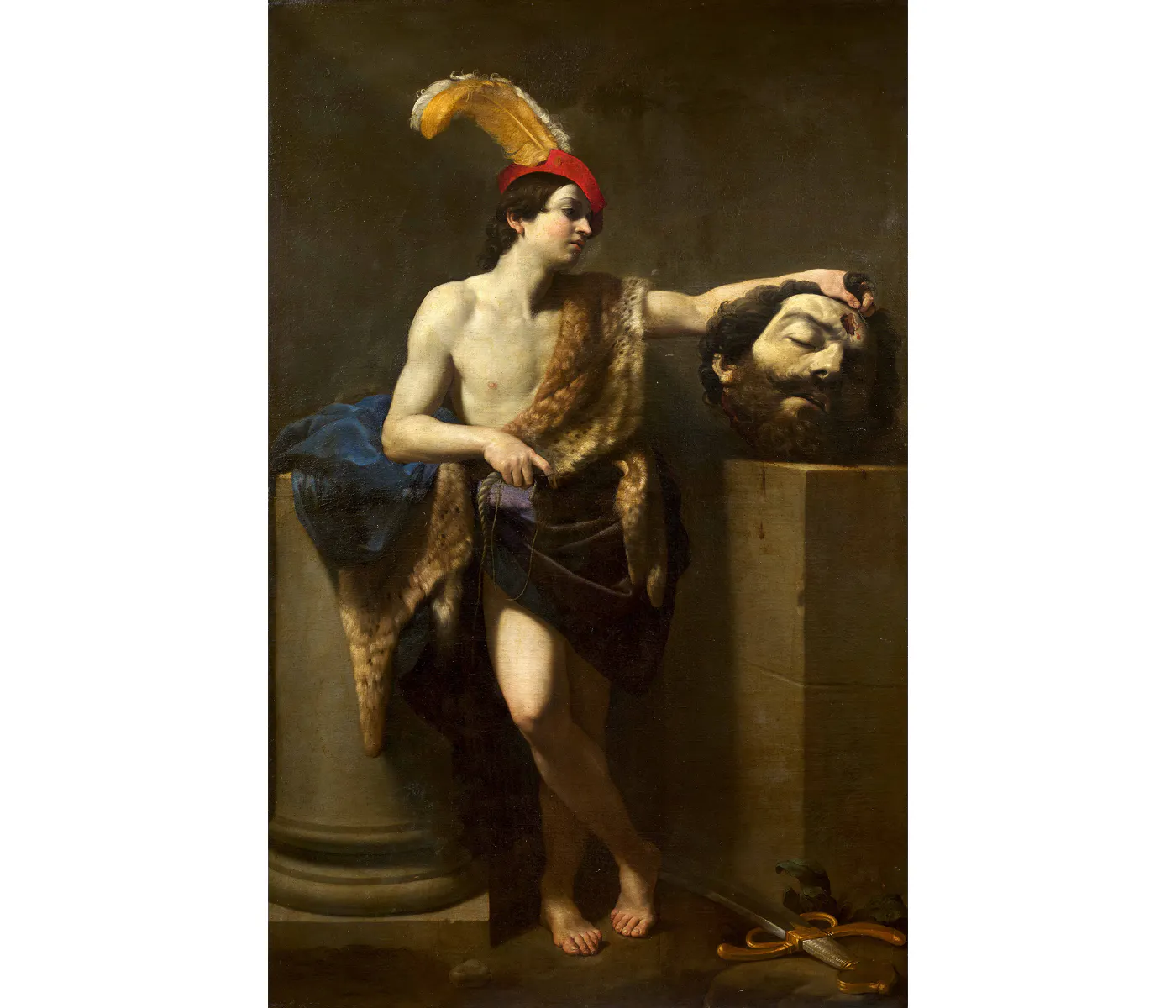
The painting’s significance helps explain the result. It dates from a brief phase at the start of the seventeenth century when Reni, shaped by Raphael and Michelangelo, sought to bring together his classicism, usually rooted in the ideals of antiquity, with Caravaggio's realism. He achieved this with striking clarity in this painting, which became famous shortly after it was made and later influenced a wide circle of artists.
See also: Caravaggio: The Renaissance Rebel
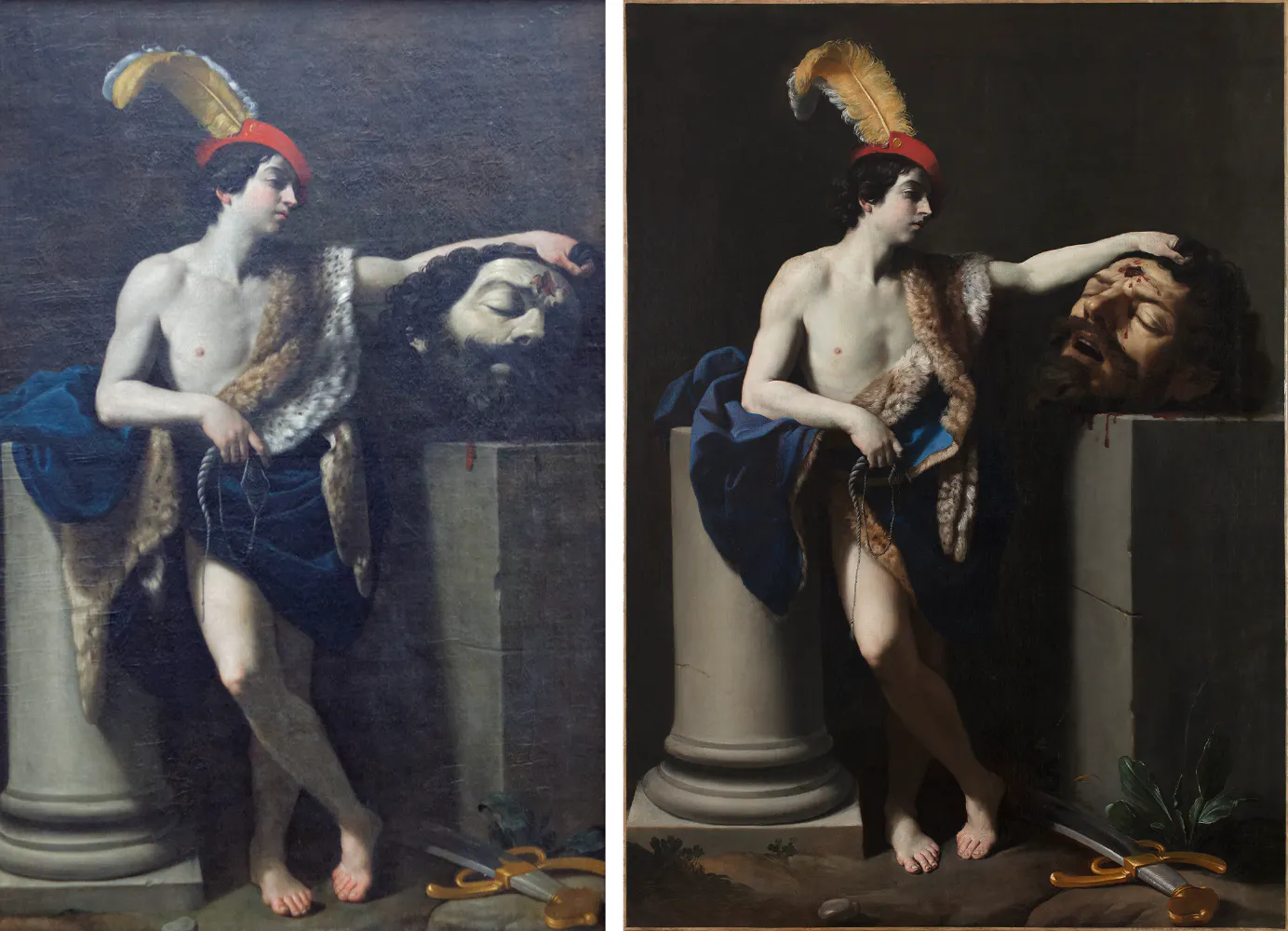
The present David and Goliath is not the only version in which Reni explored this subject. A closely related work, different only in minor details, hangs in the Louvre in Paris, and another version is held by the Musée des Beaux-Arts in Orléans. Several workshop copies of the Orléans painting are known, and examples can be seen in major collections such as the Uffizi in Florence and the Gemäldegalerie Alte Meister in Dresden. Another version of the composition is on view at the Galleria Nazionale delle Marche in Urbino, among other institutions. A copy of the work that has now broken the record was auctioned at Sotheby's in 2012.
Want more articles like this straight to your inbox? Subscribe to our free newsletter!
The provenance of the painting is also noteworthy and contributed to its price. In 1633, it was bought in Bologna by the Duke of Modena, Francesco I d'Este, from the artist through an intermediary. It later entered the collection of the distinguished military commander Prince Eugene of Savoy at the Belvedere in Vienna, as confirmed by an inventory drawn up after his death in 1736. The entire collection was then acquired by Charles Emmanuel III of Savoy and taken to Turin, where it became part of the art holdings in the Palazzo Reale. At the beginning of the nineteenth century, during the Napoleonic period, the Provisional Extraordinary Minister of the French Government in Piedmont, General Pierre-Antoine Dupont de l'Etang, took David and Goliath with him to Paris. It remained in his family's possession and vanished from public view until it was rediscovered 220 years later, eventually setting a new auction record for its creator.