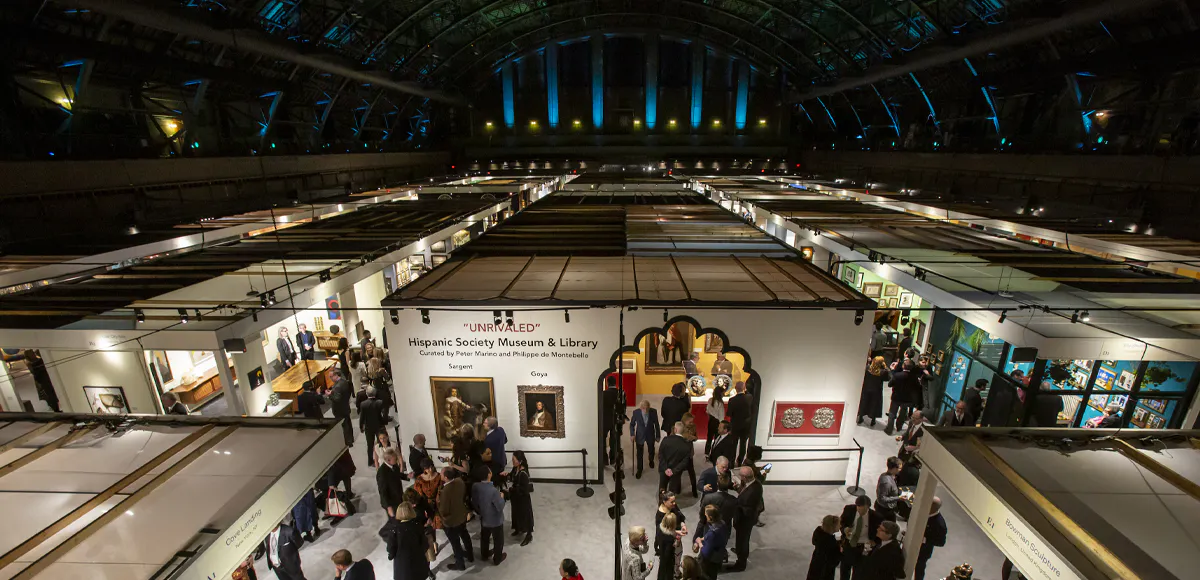
In its 66th year, The Winter Show never fails to showcase an expertly curated selection of some of the world's most extraordinary treasures, from antiquities to contemporary art.
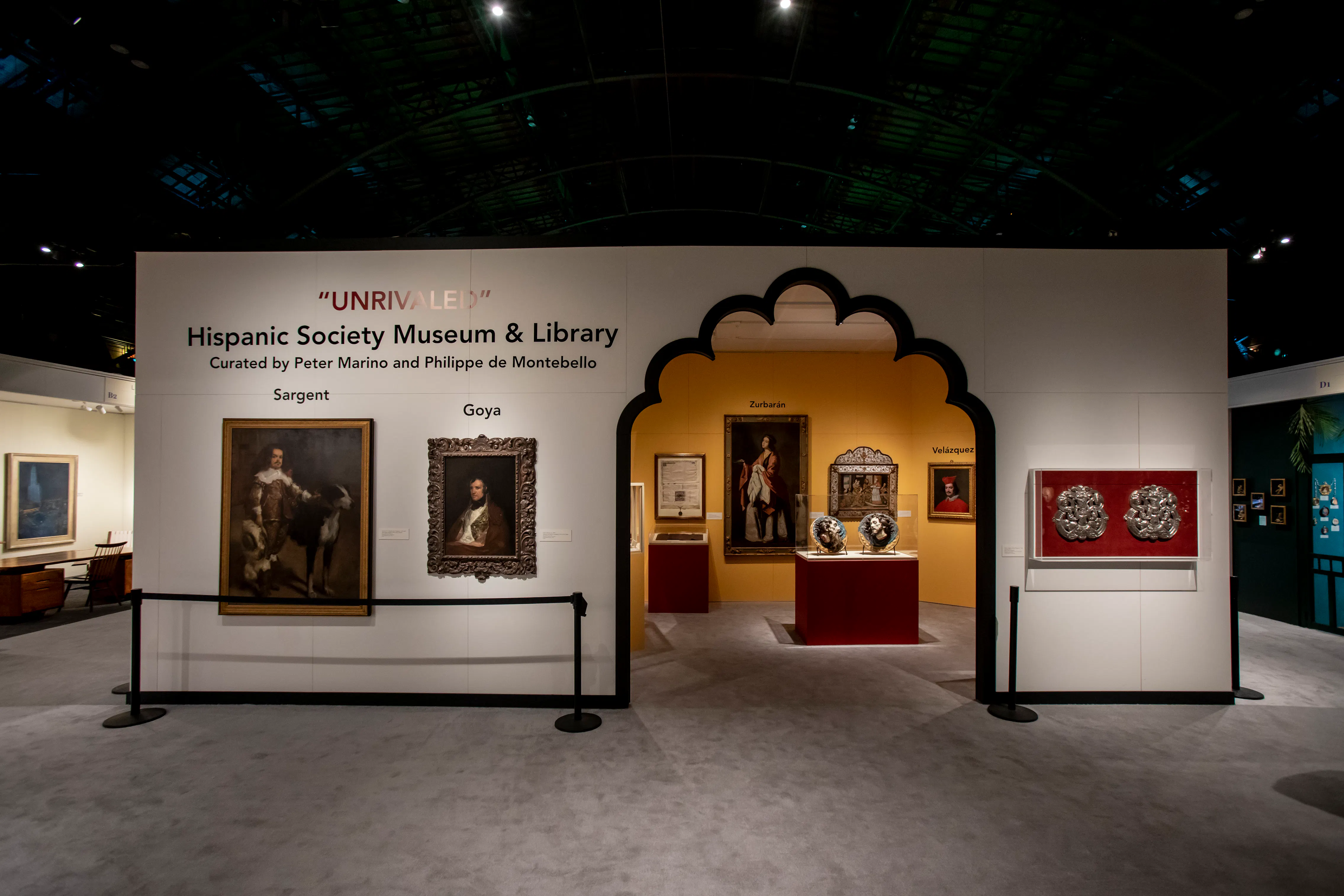
Each year, the show features a loan exhibit and this year's is particularly impressive: a display from the Hispanic Society Museum & Library that was curated by former Met director and current curator of the Hispanic Society Museum, Philippe de Montebello, and architect Peter Marino. The Museum and Library was founded by Archer Huntington, the son of railroad magnate Collis Huntington, in 1904, as he had amassed an extremely vast collection of paintings, sculpture, manuscripts, books, photographs and prints.
The New York museum is currently undergoing an extensive renovation, so much of the collection has been loaned out for a museum exhibit. However, Unrivaled, the Winter Show's exhibit, testifies to the high quality of the collection since works that were considered secondary to the currently traveling museum exhibit are still incredible: paintings by El Greco, Goya, Velazquez and Singer Sargent are on display, alongside rare maps and manuscripts, tiles and sculptures. "I can say without lying that [the Hispanic Society Museum] is the single greatest assemblage of works of art, books, and manuscripts devoted to the Spanish speaking world. There is nothing like it anywhere in the world," said Philippe de Montebello. "In our reserves we have better than most museums."
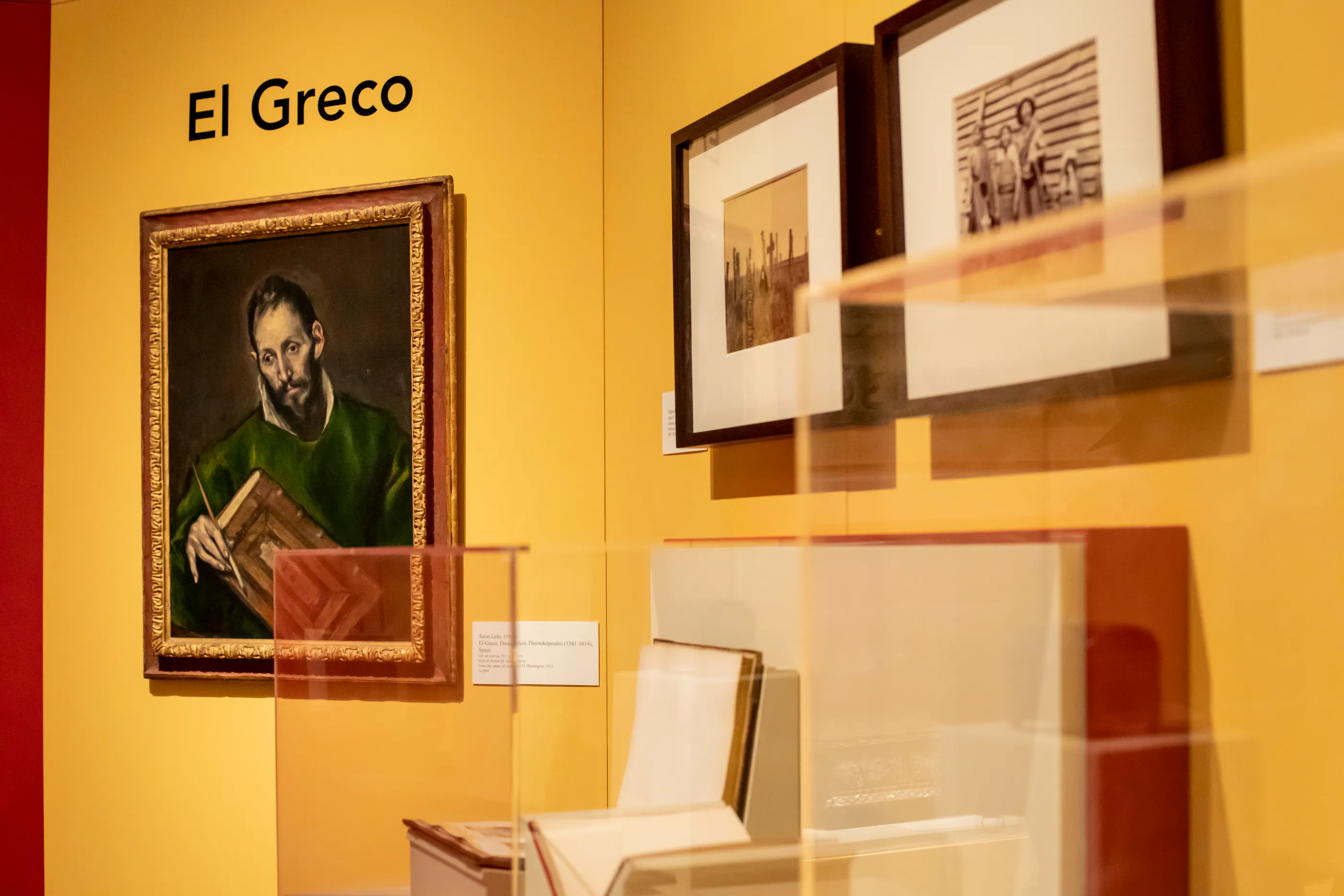
The exhibit offers a journey through the artistic masterpieces of the Spanish-speaking world, with an emphasis on religious influence, from a poignant St Luke by El Greco and a large-scale St Lucy by Francisco de Zurbaran, as well as a Cuzco school oil on canvas titled The Presentation in the Temple from the 1700s and two 17th century terracotta busts of St John the Baptist's severed head by Spanish artist Luisa Roldán.
In addition to this magnificent exhibit, here some of the highlights that shouldn't be missed:
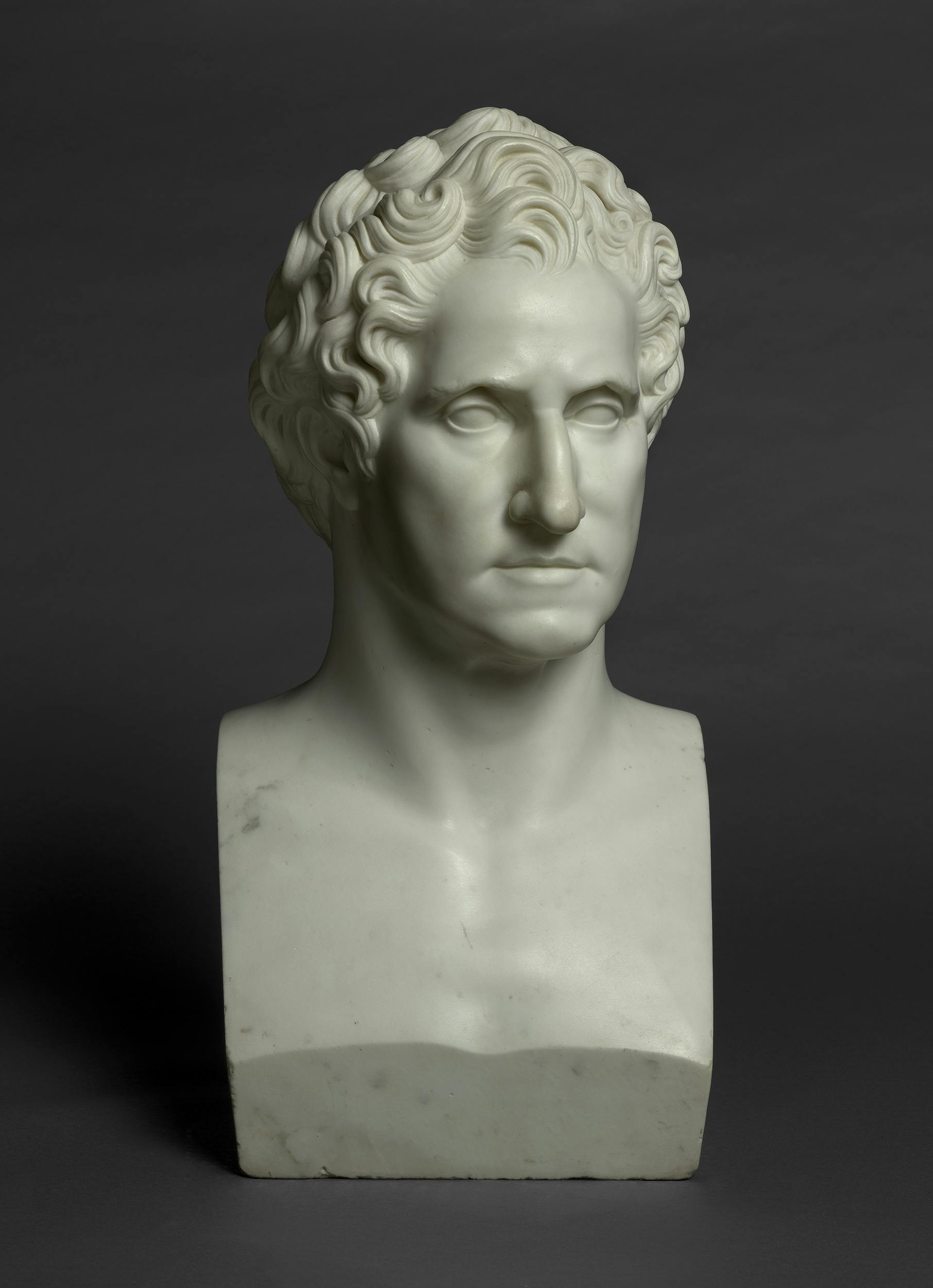
A spectacular treasure is a marble bust of George Washington that comes with an interesting history. In 1719, Italian sculptor Giuseppe Ceracchi visited Philadelphia and made several portrait busts of Thomas Jefferson, Alexander Hamilton, and George Washington. In 1809, Thomas Appleton, the American consul in Livorno, Italy, acquired Ceracchi's plaster bust of Washington and gave it to Italian sculptor Massimiliano Ravenna to make several copies. One of these copies has been in the White House since 1816 and this is one of the other copies. Lowell Libson & Jonny Yarker Ltd, London.
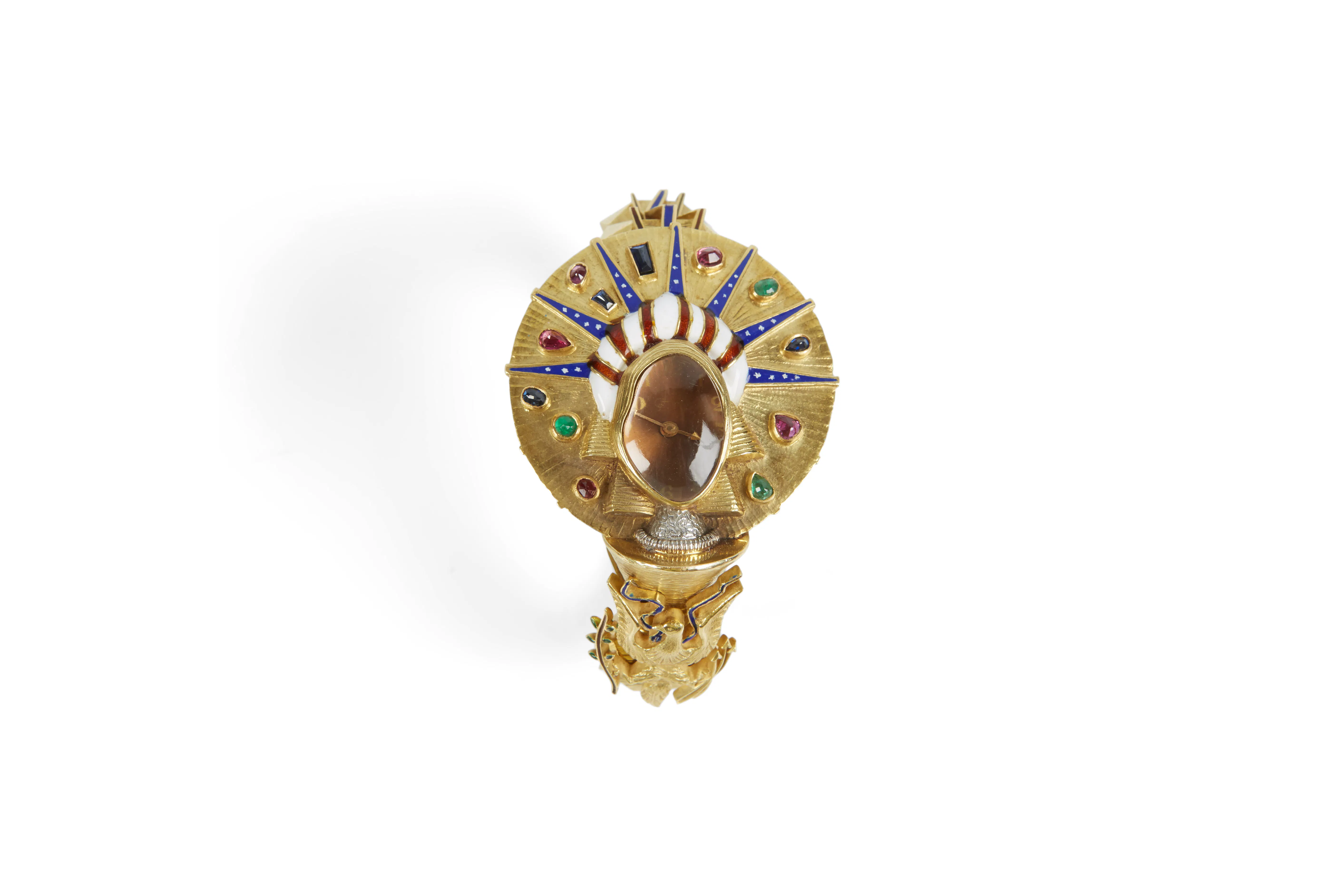
Jewelry is often considered wearable art, so it makes sense that top artists would foray into gorgeously crafted necklaces, bracelets, watches and more. Creative jewelry from modern masters like Salvador Dali, Claude Lalanne, Wifredo Lam, Ettore Sotsass and Jacques Lipchitz are certainly highlights. Didier, London.
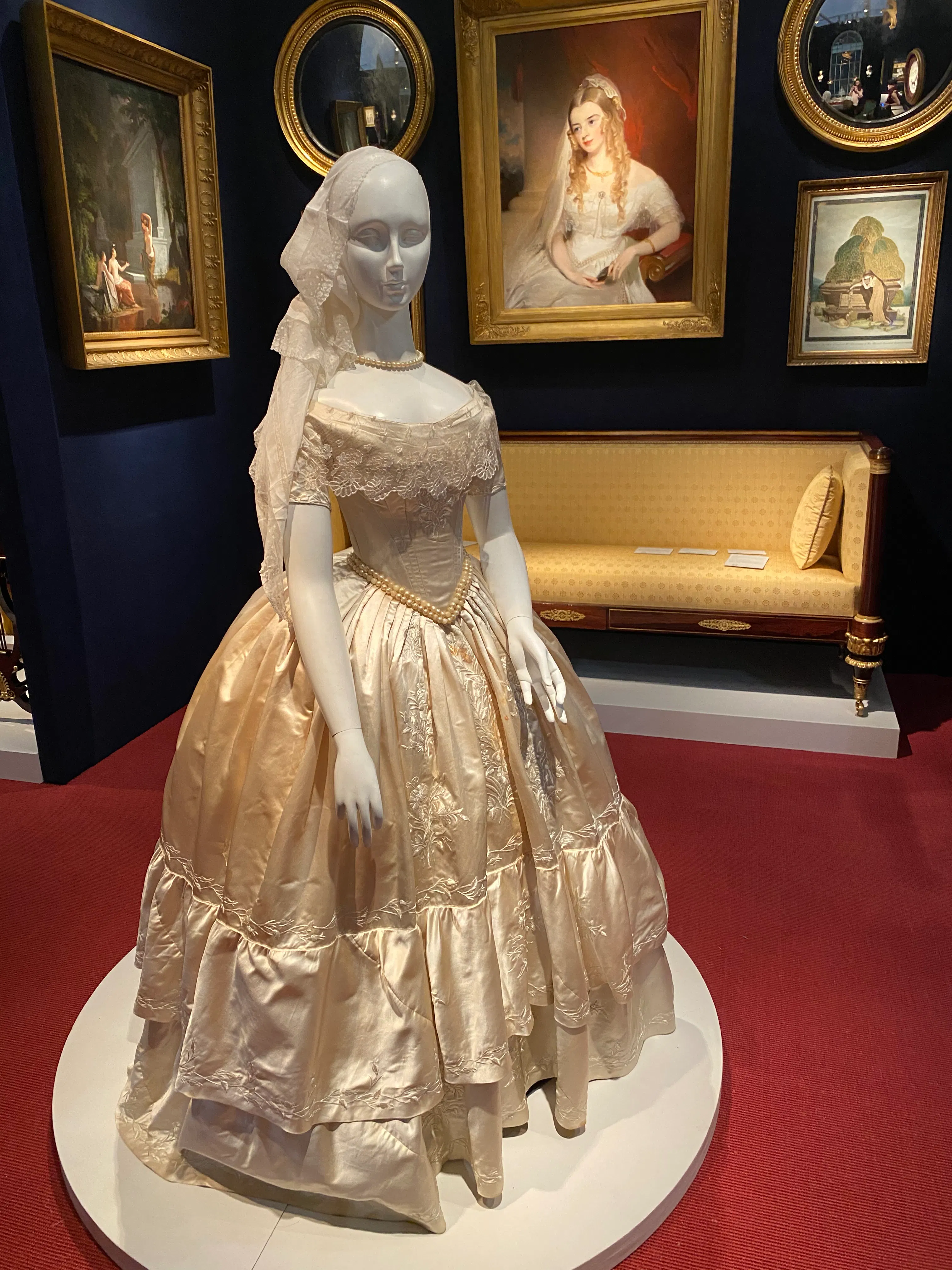
A demure c. 1849 portrait by esteemed American painter Thomas Sully of Mrs Joseph Merrefield (nee Rebecca Janney) of Baltimore in her wedding dress is exquisite, but is made even more unique by her accompanying petite silk wedding gown, that she wears in the portrait, on display. Hirschl & Adler, New York.
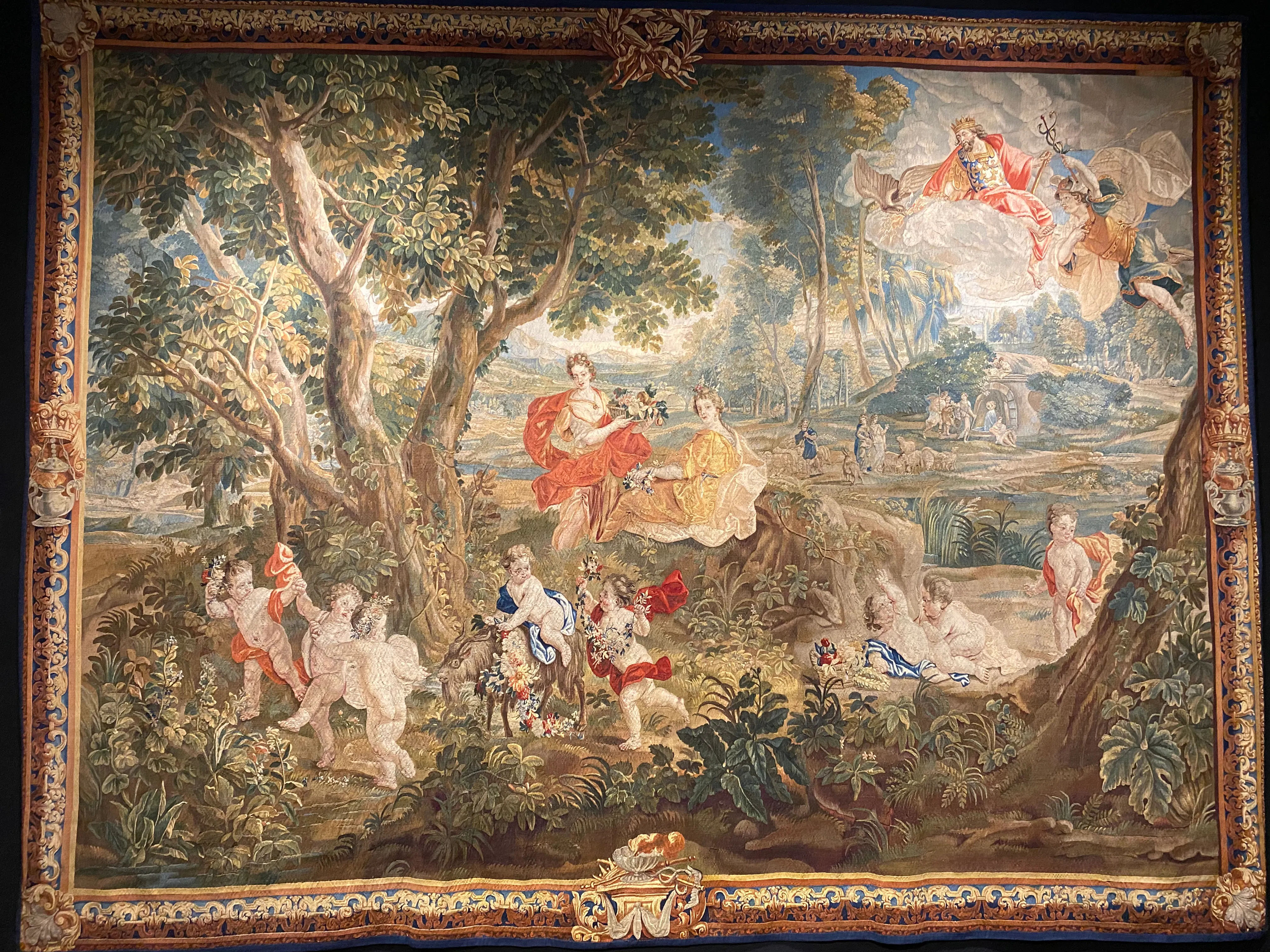
The Keshishian booth always has spectacular textiles and this year was no exception. The pièce de résistance is an early 18th century Flemish tapestry titled The Trading of the Nymphs. The idyllic mythological scene depicts Jupiter falling in love with a woman crowned with flowers and sending his messenger Mercury to tell her of his infatuation. Tapestries showing Jupiter are exceedingly rare and this particular work is of very high quality and craftsmanship. It was designed for Easton Neston, an aristocratic country house in England, where it remained until 2005, when the estate sold to a Russian-American millionaire. Keshishian, London.
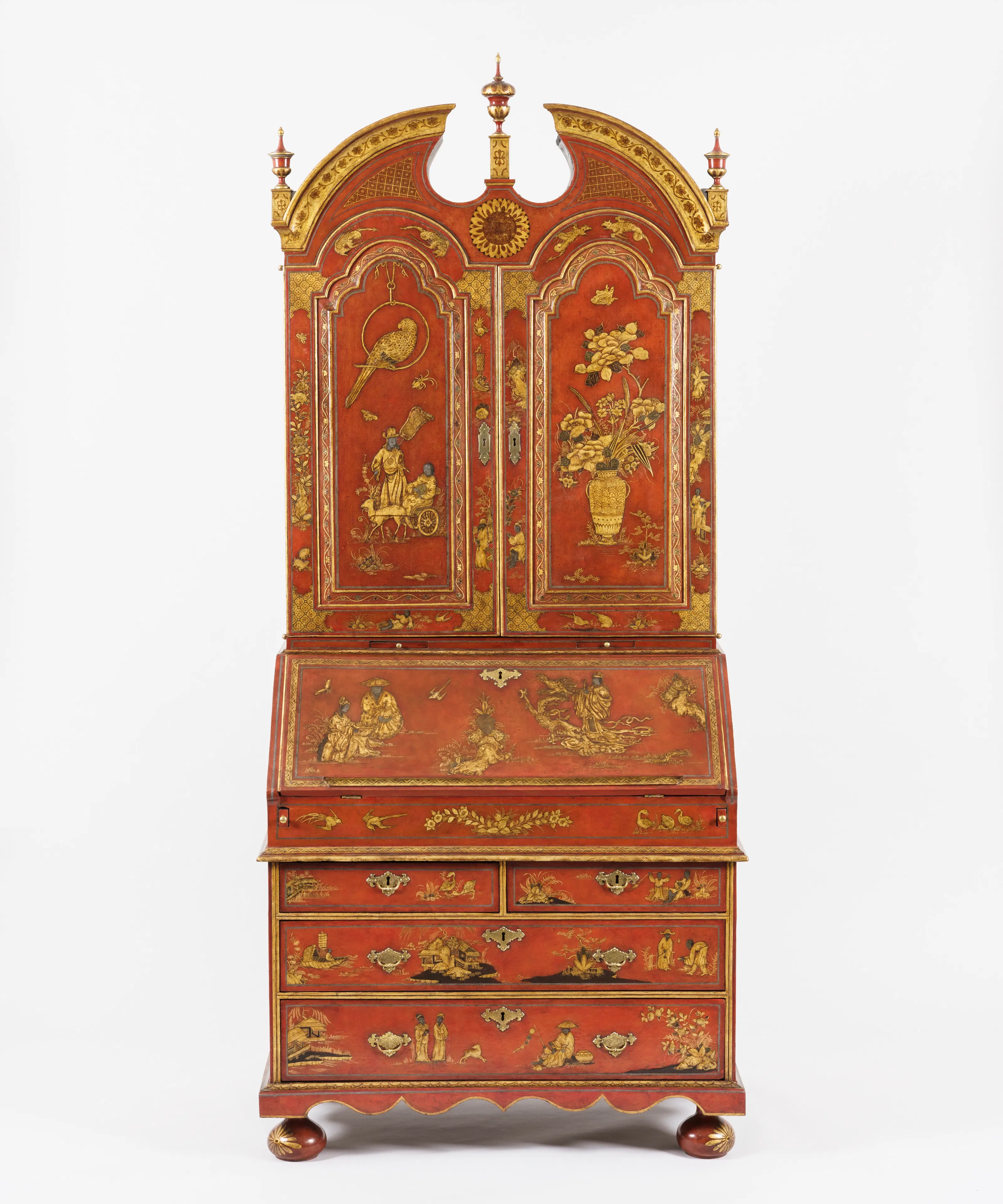
This exquisite and rare George I Red "Japanned" Bureau Bookcase dates to 1725 and is even more elaborately decorated than most Chinese-style bookcases of the time. In the early 18th century in England, furniture inspired by lacquered Chinese designs was all the rage. Apter-Fredericks, London
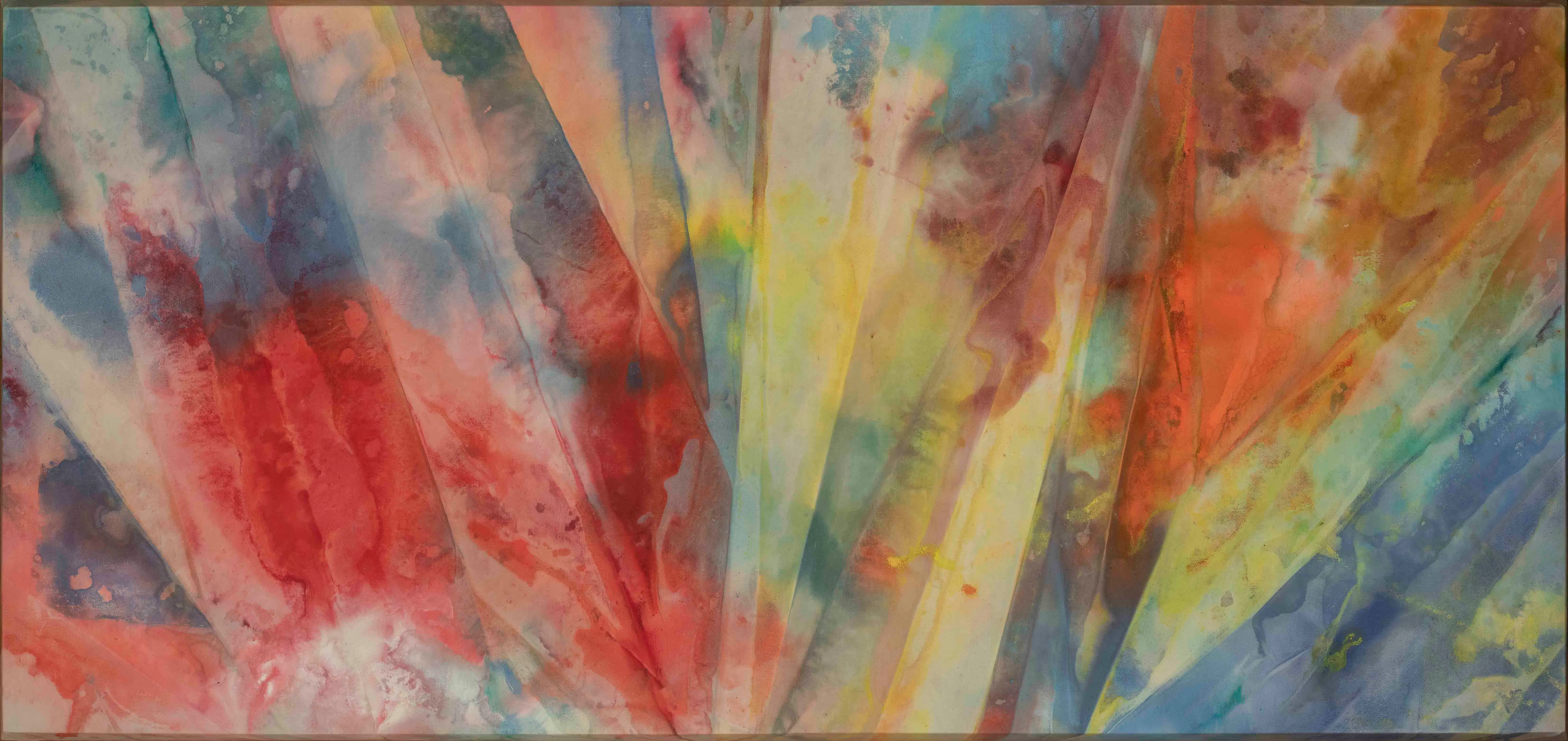
Sam Gilliam's Ray series in acrylic are characteristic for their intense color and spectacular layers of radiating forms. This 1970 painting Ray VI reflects its title with illuminating rays of periwinkle, crimson, chartreuse, and orange that fan out of the painting. Gerald Peters Gallery, New York.
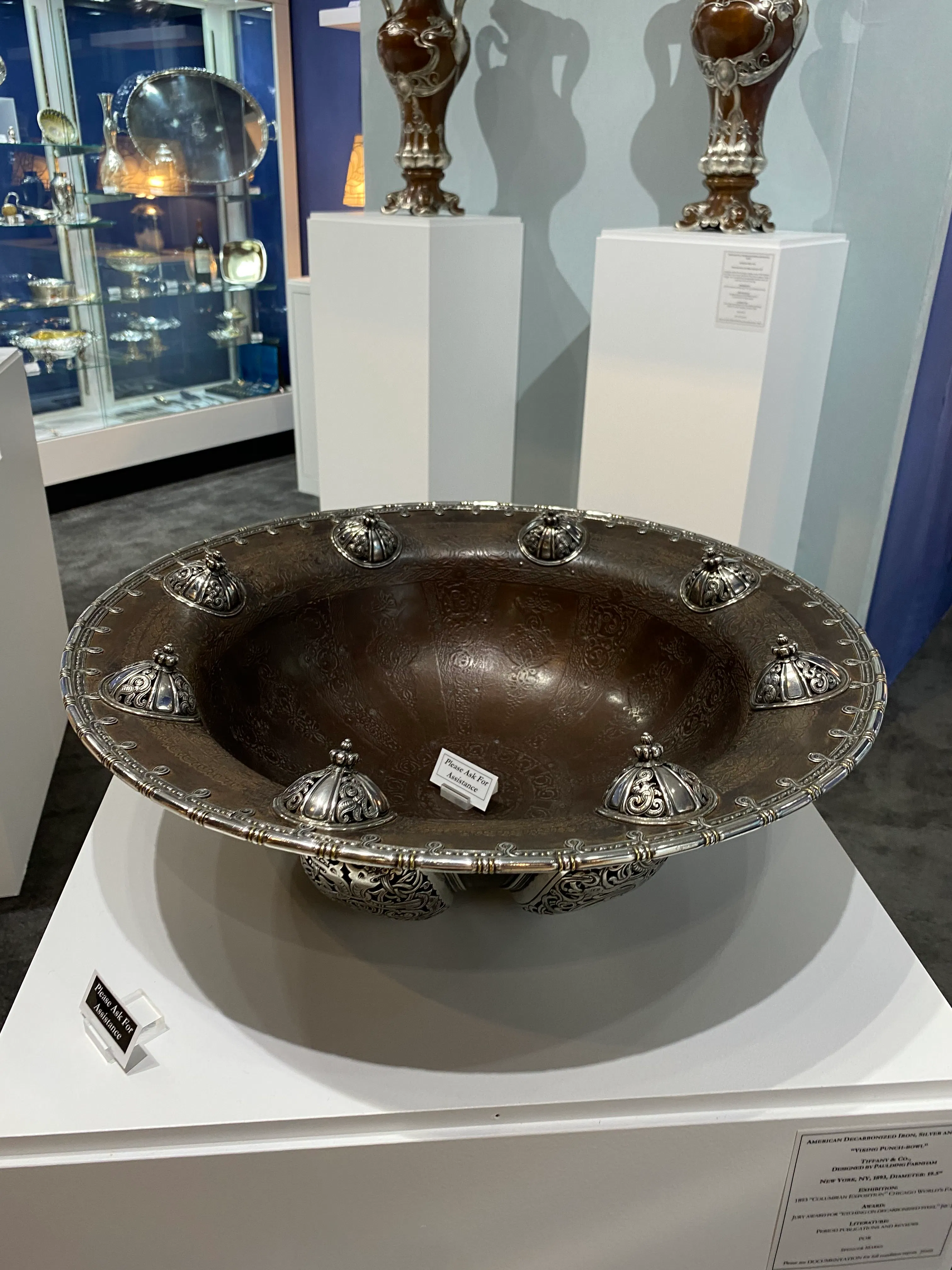
At the 1893 Columbian Exposition, known as the Chicago World Fair, Tiffany & Co. showcased two Viking punch bowls composed of decarbonized iron and accented in silver and gold. The punch bowls were awarded a prize for their etching on decarbonized steel. The pair of this bowl is now in the collection of the Met. Spencer Marks, Southampton, MA.