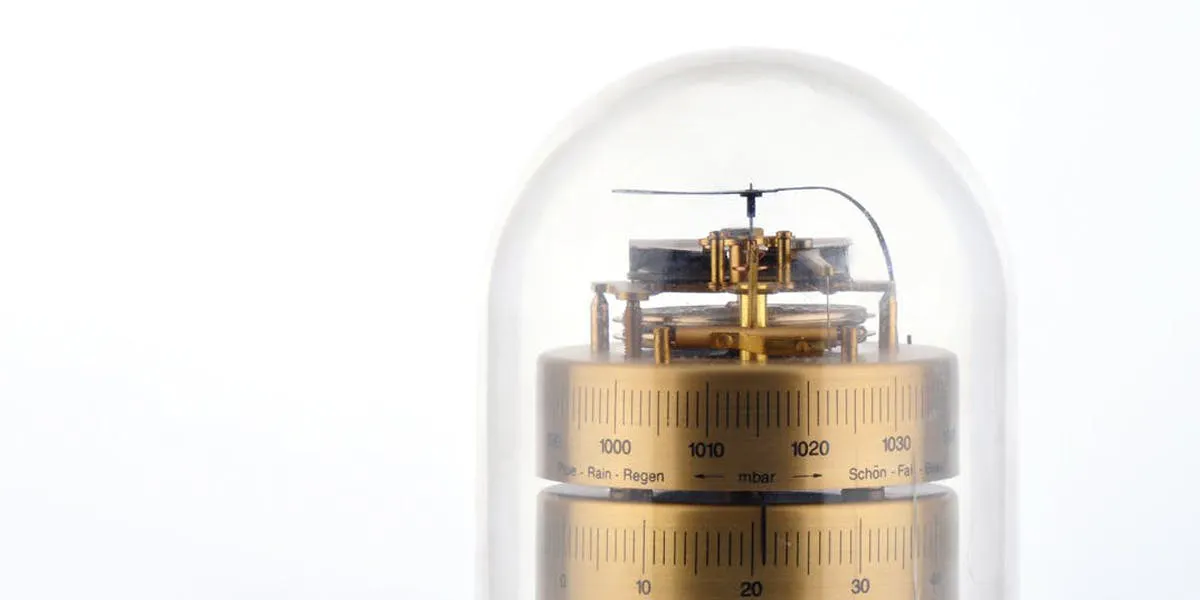
Now deemed a collector's item, the Barigo station is an antique meteorological instrument that frequently pops up in auctions. Its allure isn't just about its aesthetic charm; it's also about its practicality. I mean, who hasn't dreamt of being able to predict the weather?
Related: The 5 Most Expensive Cameras Ever Auctioned
The German brand Barigo, established in 1926, specializes in crafting precision instruments for maritime navigation. From its inception, the brand has broadened its product range, introducing lines that encompass barometers, weather stations, thermometers, hygrometers, altimeters, and compasses.
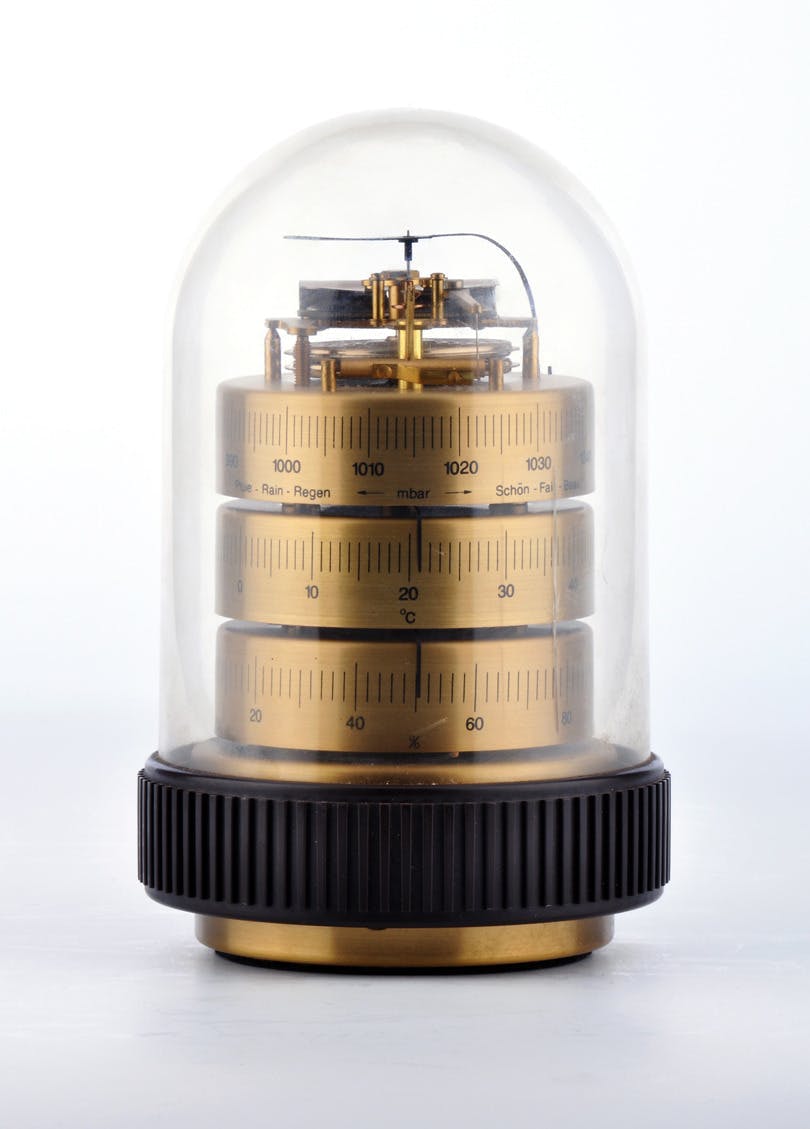
The instruments crafted by the brand have maintained their quality and reliability for decades. So much so that even the stations designed in the 1970s, considered analog instruments, are still in perfect working order and can provide accurate readings.
Related: Eadweard Muybridge: A Pioneer in Art and Science
The 'pillar' model station, typically showcased under a Plexiglas dome, is primarily crafted from brass and consists of three stacked and graduated cylindrical components. An indicator revolves around these elements. This station integrates a thermometer, a barometer, and a hygrometer, allowing you to measure temperature, atmospheric pressure, and ambient humidity. Unlike all Barigo models, some stations include only two of these three elements, offering a more specific weather reading.
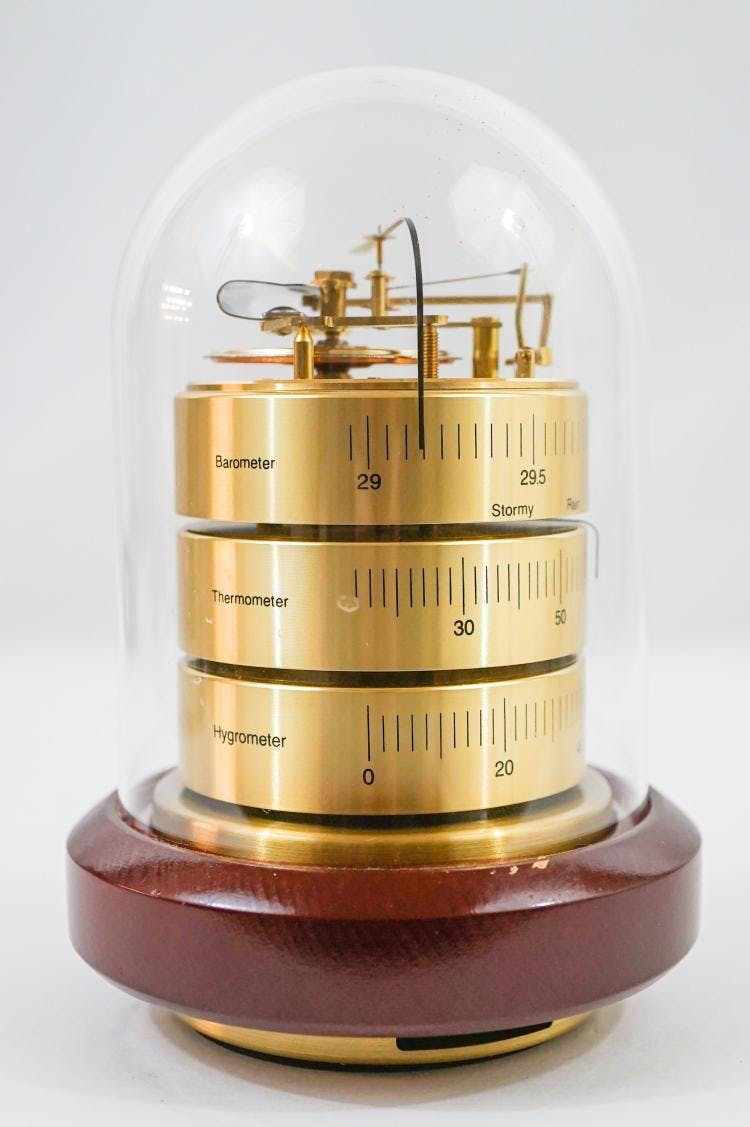
Its apparent analog mechanism not only provides dependable readings but also imparts a unique aesthetic that appeals to collectors and enthusiasts of antique instruments. If you're keen on exploring, you can calibrate the pressure displayed on the device using a small screw on the underside of the station and then power it on.
Related: 8 Sensational Flea Market Finds
Weighing no more than 600 grams, the Barigo station is typically shielded by a Plexiglas or acrylic glass dome. In well-preserved condition, it can command several hundred dollars at auction. The bidding price fluctuates based on factors such as the manufacturing date, the brand (Barigo remaining the top reference), its operational condition, and the number of measurements it provides.
Related: How the Synth Revolutionized Music
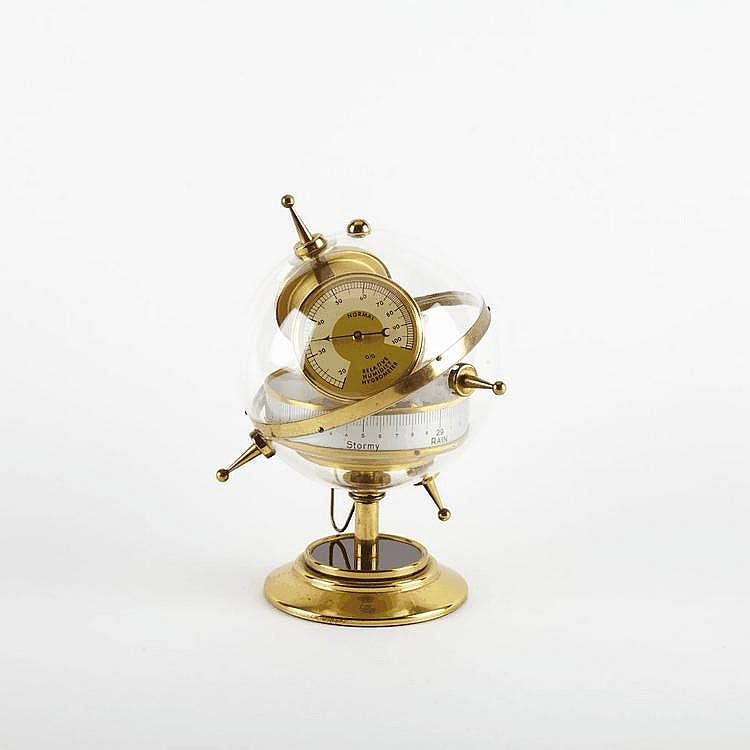
Another sought-after meteorological instrument among collectors is the 'Sputnik' station, a West German device dating from the 1950s to the 1970s. Its design pays homage to the Sputnik satellite and includes the same three measurement elements found in the Barigo station. The mechanism is enclosed in a globe adorned with small legs, symbolizing the satellite's 'antennae.' While not designed by Barigo, the Sputnik station, like the company's other instruments, continues to be a collector's favorite due to its striking appearance. Often, once acquired, it serves a purely decorative purpose.