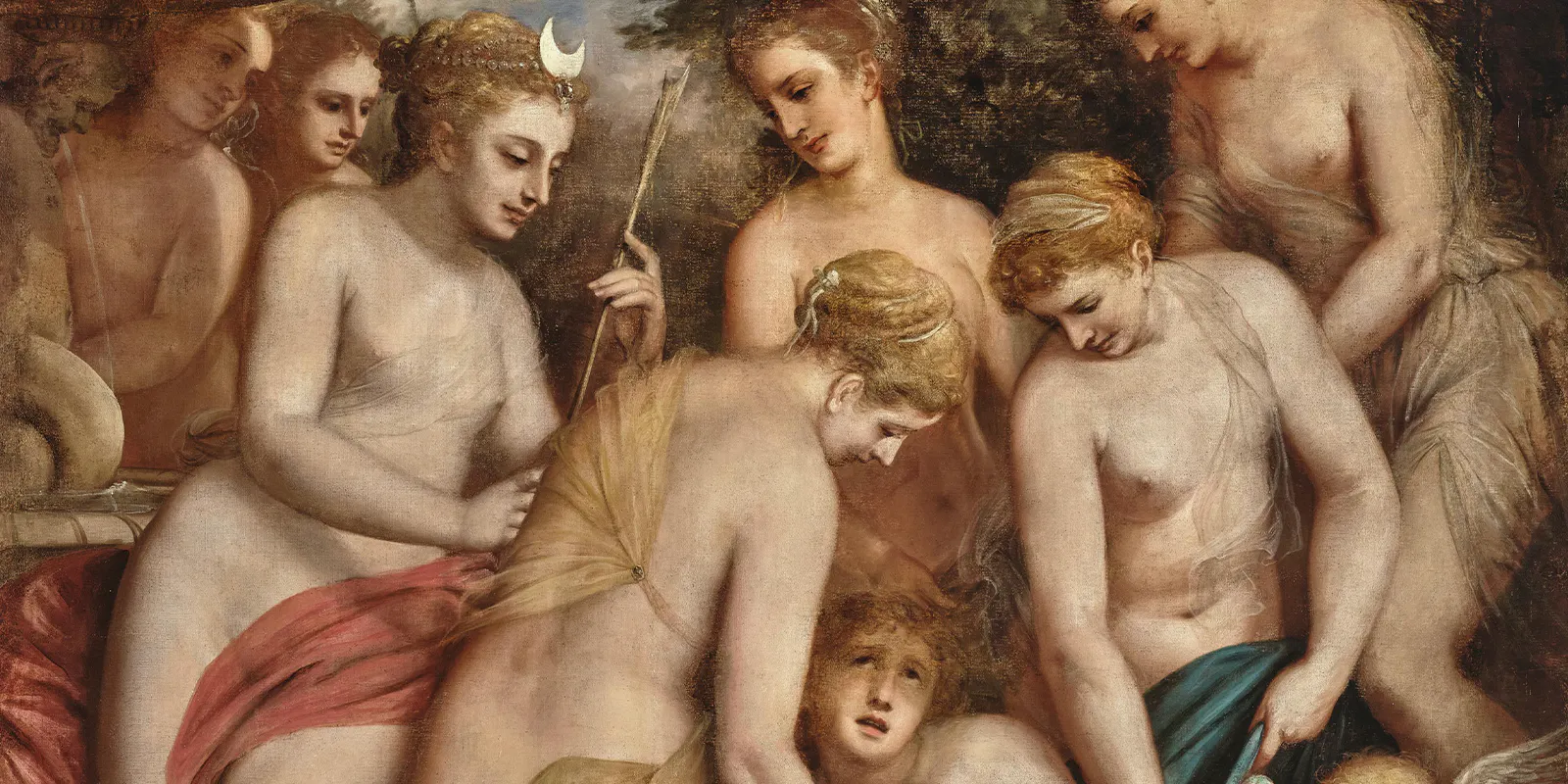
The art collection amassed by Emperor Rudolf II (1552–1612) at his favoured residence, Prague Castle, was among the largest of its time and remains legendary to this day. One possible inspiration for this may have been his stay in Genoa in 1571, when the 19-year-old heir to the throne was received in lavishly appointed villas. There, he also encountered the work of the painter Luca Cambiaso, who would later become court painter to Rudolf’s royal cousin in Spain. An inventory of Rudolf’s collection from 1621 lists A Bath with Callisto by Luca de Genua, most likely referring to a work by Cambiaso.
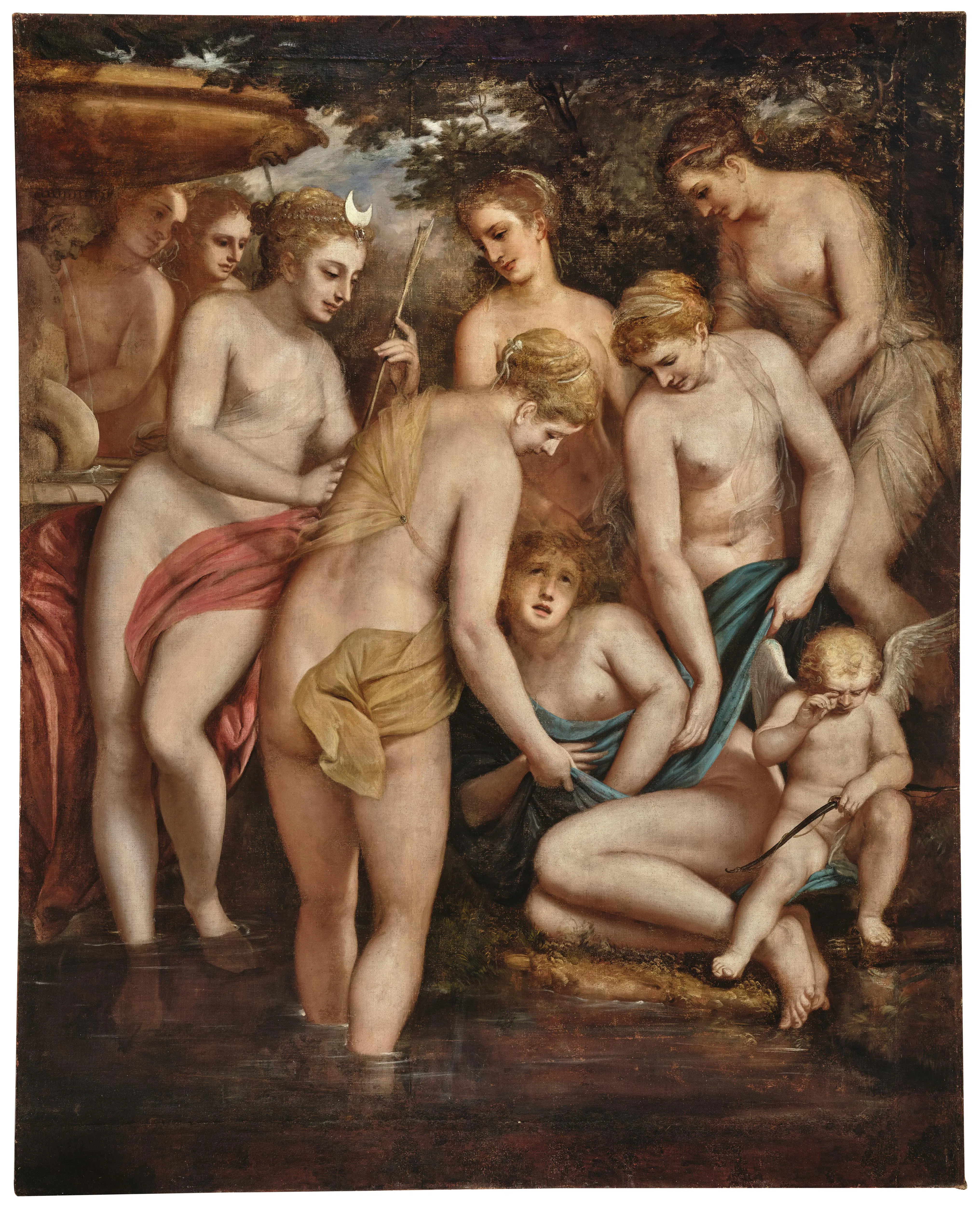
As part of the upcoming Classic Week at Dorotheum in Vienna, a painting from Cambiaso’s later period will be offered in the Old Masters auction. The work depicts the mythological scene in which Diana, goddess of the hunt, discovers that one of her nymphs, Callisto, is pregnant. The painting, which remained in private hands for many years, has recently been rediscovered and is now believed—on account of its exceptional quality—to be the piece mentioned in the 1621 inventory.
The Classic Week Old Masters auction will be held on April 29 at 6 p.m. Other highlights from this exceptionally rich offering also transport us back to the Renaissance era.
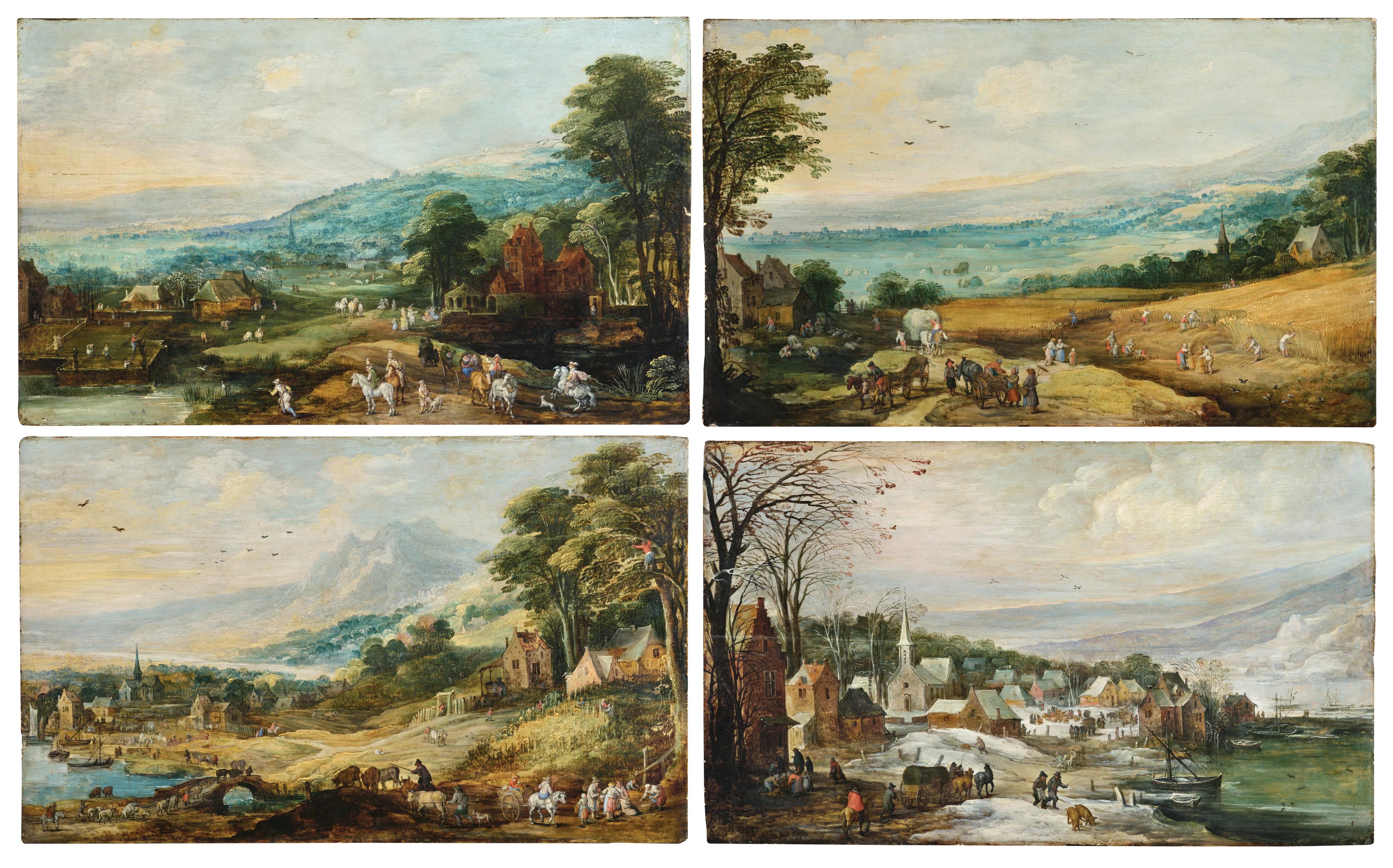
A particularly noteworthy work is a collaborative series by the two Flemish painters Jan Brueghel the Elder and Joos de Momper. It comprises four paintings representing the Four Seasons: de Momper created the landscapes, which Brueghel then populated with figures and animals. These works are extremely rare, with only one other complete set of Seasons known to have resulted from the collaboration between these two influential artists.
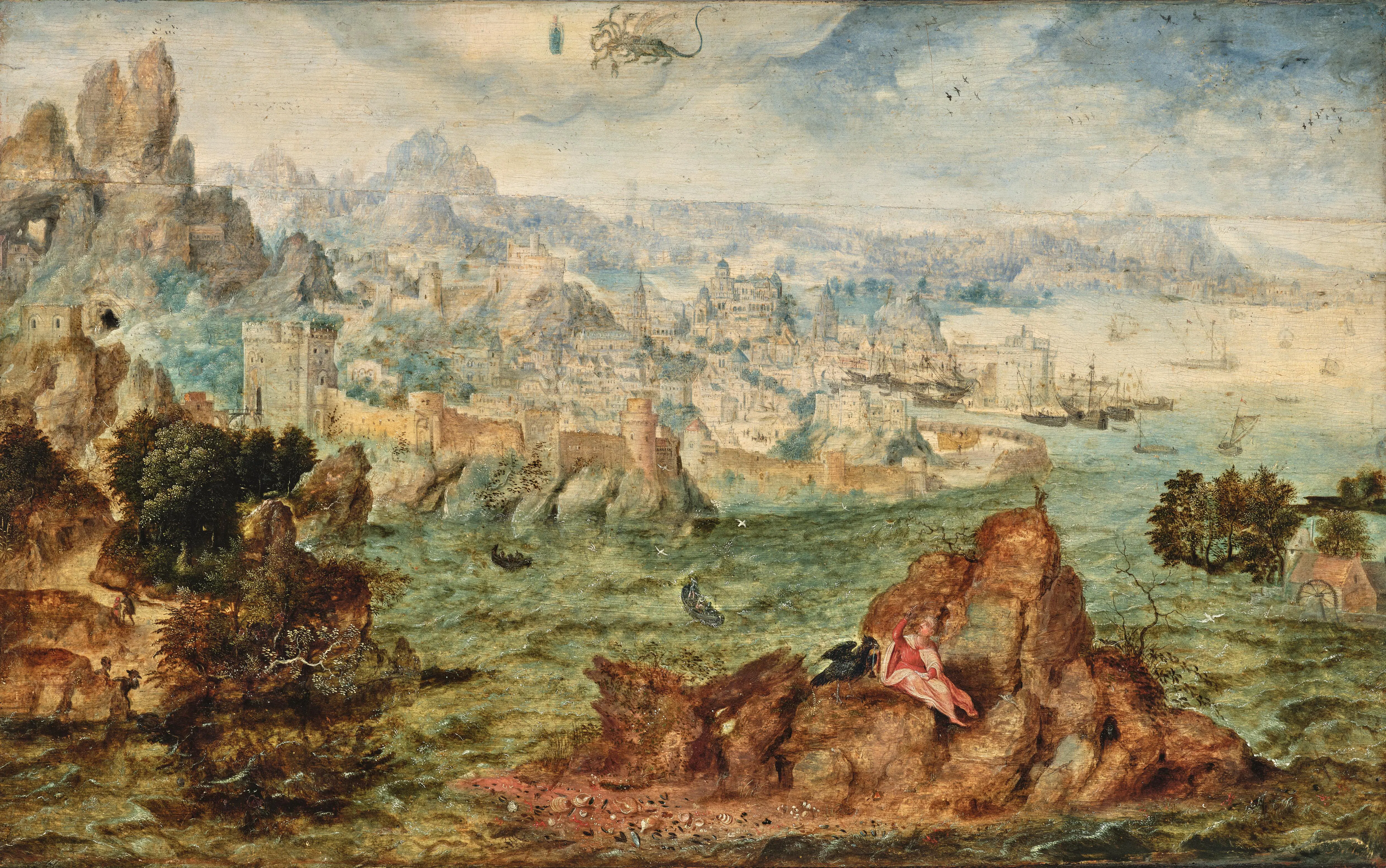
Painted around 1615, the series reflects a relatively recent innovation at the time—landscape painting. One of the pioneers of this emerging genre was Herri met de Bles, who was also active in Antwerp. In the work on offer, among the earliest of its kind, the artist embeds a narrative—specifically episodes from the Vision of the Apocalypse of St John on Patmos—within a fictional landscape representing the Greek island.
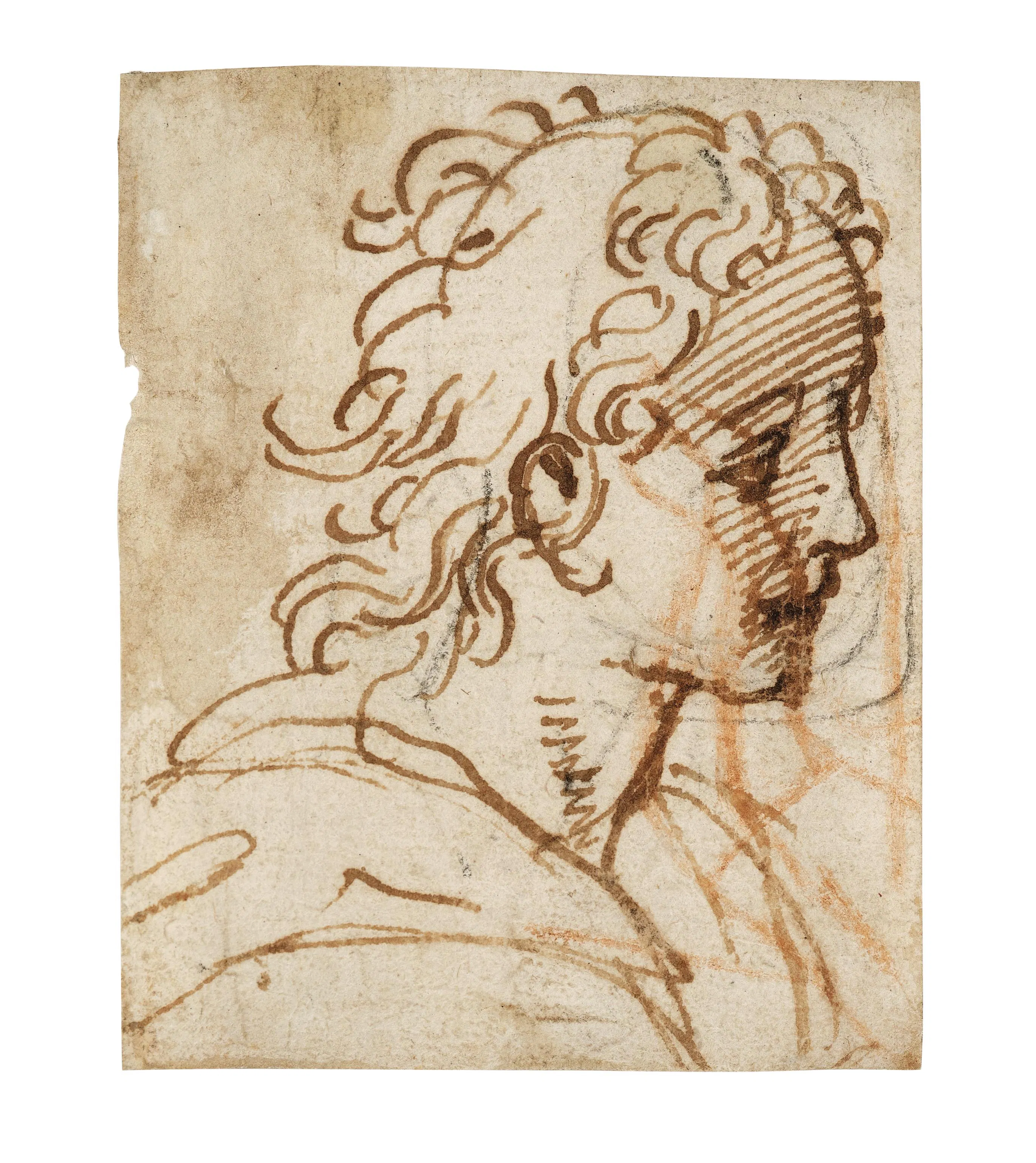
One of the greatest names in art history—and of the Renaissance in particular—is Raffaello Sanzio, known as Raphael, the brilliant creator of the Vatican Stanze frescoes and the Sistine Madonna. A key to Raphael’s success was his continuous desire to evolve and his dedicated study of other artists’ works. The sketch of a young man's head on offer, executed around 1507, dates from his time in the major artistic centre of Florence, where he studied the work of Leonardo da Vinci and Michelangelo.
The 19th Century Paintings auction will take place on April 28 at 6 p.m.
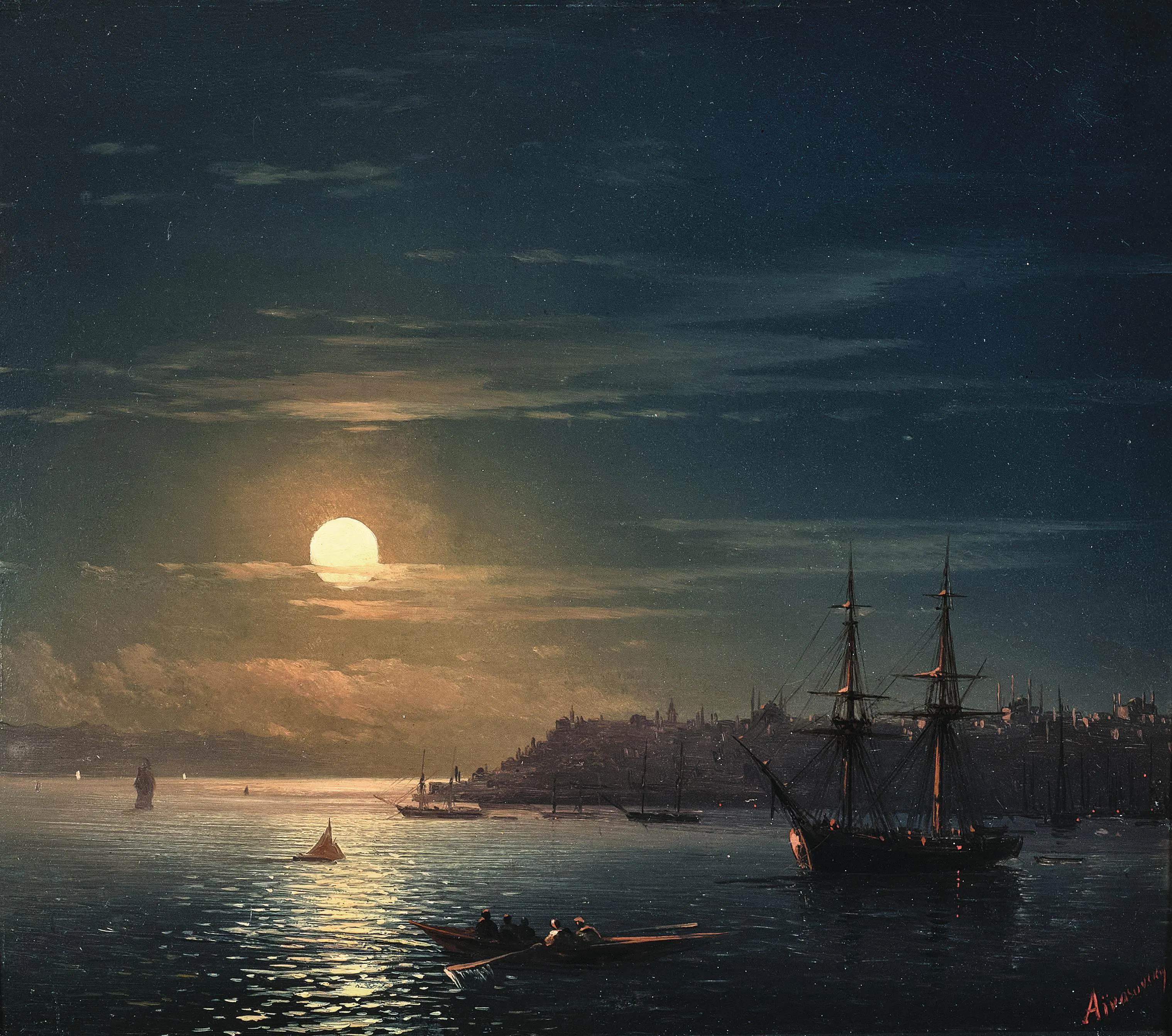
Leading this sale is a captivating work by Armenian-Russian marine painter Ivan Konstantinovich Aivazovsky, who bathes Constantinople in atmospheric moonlight, evoking an almost magical nocturnal scene. Aivazovsky made several trips to the Bosphorus from 1845 onwards, and this particular painting was likely created during a visit in 1857.
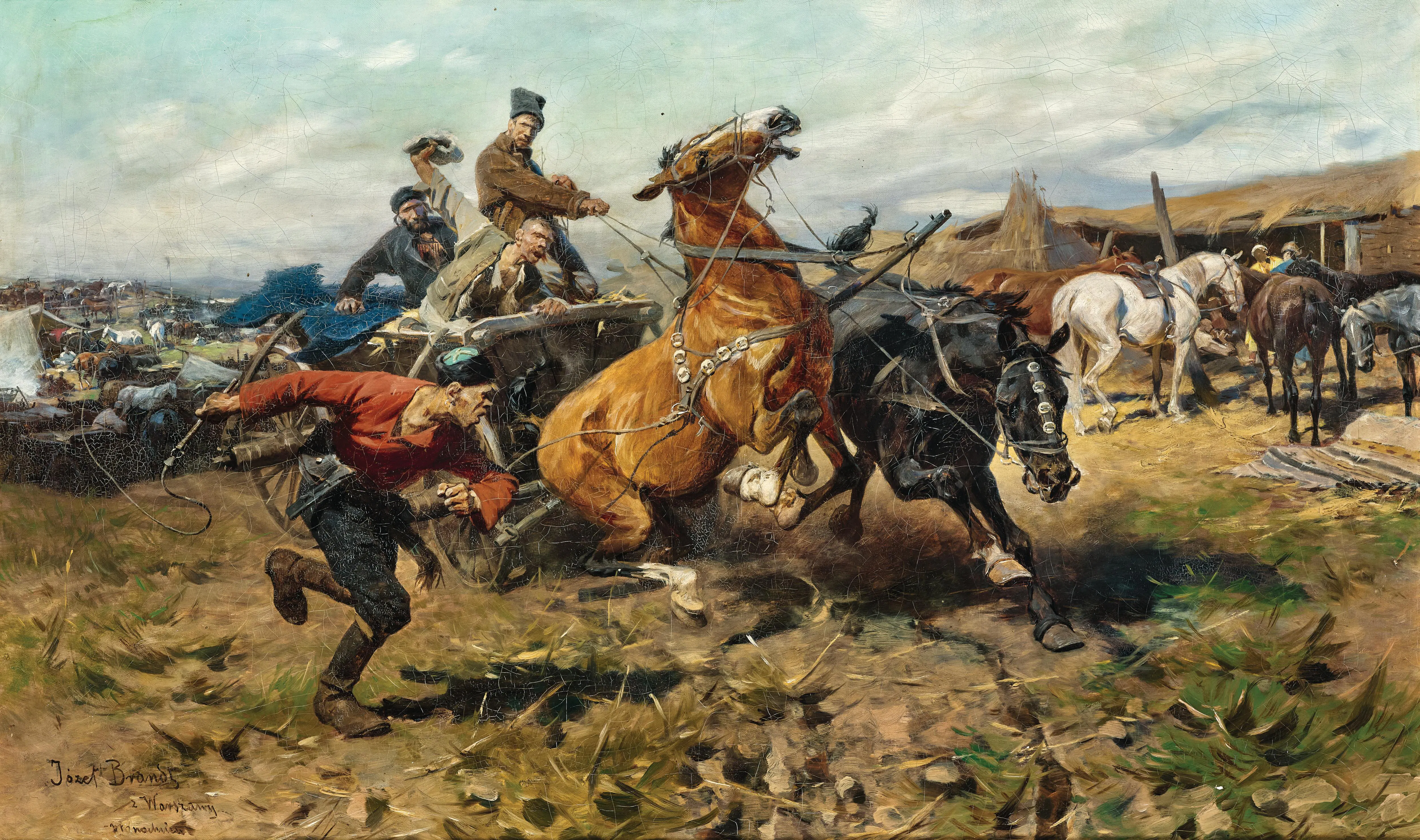
In contrast to this serenity is the 1906 painting Durchgegangen by Polish artist Józef von Brandt. A member of the Munich School, Brandt is best known for his historical paintings, especially those depicting 17th-century battles. He was also deeply fascinated by the equestrian peoples of the steppes and the lives of his compatriots, which he portrayed in vivid genre scenes.
Also worth noting is the Furniture, Antiques, Glass and Porcelain auction, which opens Classic Week on April 24 at 1 p.m. Among its highlights is a museum-quality Viennese ladies’ writing desk dating from around 1820/25.
The Classic Week auctions will be held on April 24, 28 and 29 at the Palais Dorotheum, Dorotheergasse 17, Vienna. The exhibition opens there on April 12.