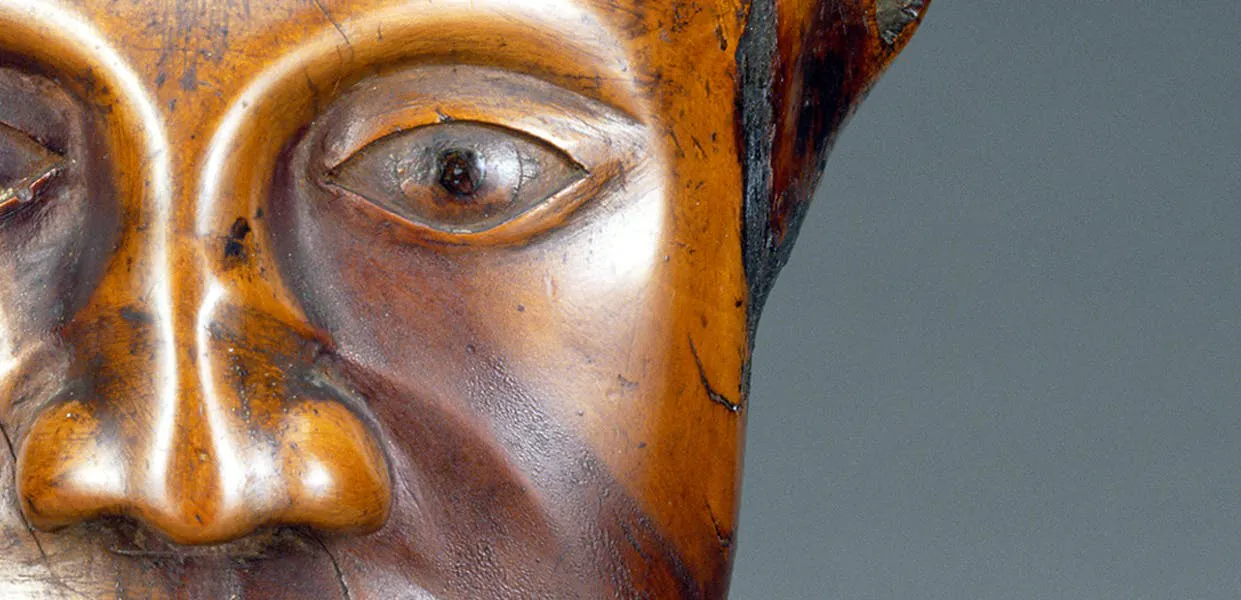
Last December, the Horned Head sculpture at the Getty Museum, believed to be by Paul Gauguin, was downgraded to an unknown status after scholars expressed questions about its authorship. The wooden sculpture had been purchased for $3 million in 2002 from the Wildenstein Gallery, but issues like its unique placement on a pedestal and lack of a signature alerted the museum to revisit its attribution.
Related: The Getty's Gauguin Sculpture is a Fake
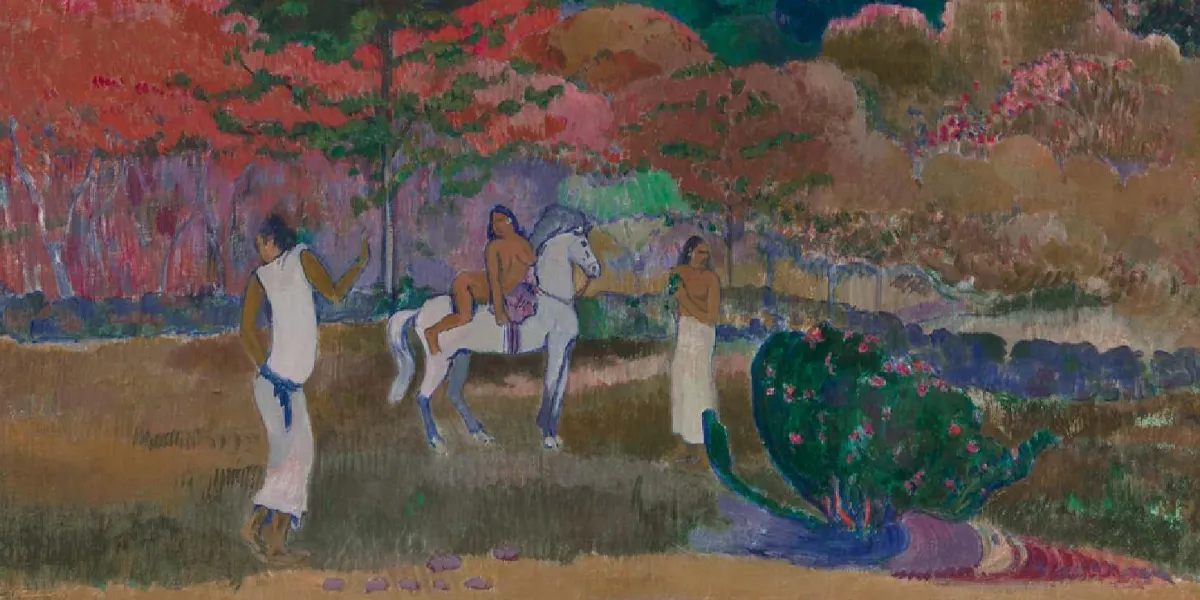
Now, two other Gauguin artworks are believed to be fakes as well: the paintings The Invocation (1903) at the National Gallery of Art in Washington, DC, and Women and a White Horse (1903) at the Museum of Fine Arts, Boston. Leading the charge in this theory is Fabrice Fourmanoir, a Gauguin expert, who was part of the team that proved that Horned Head was misattributed.
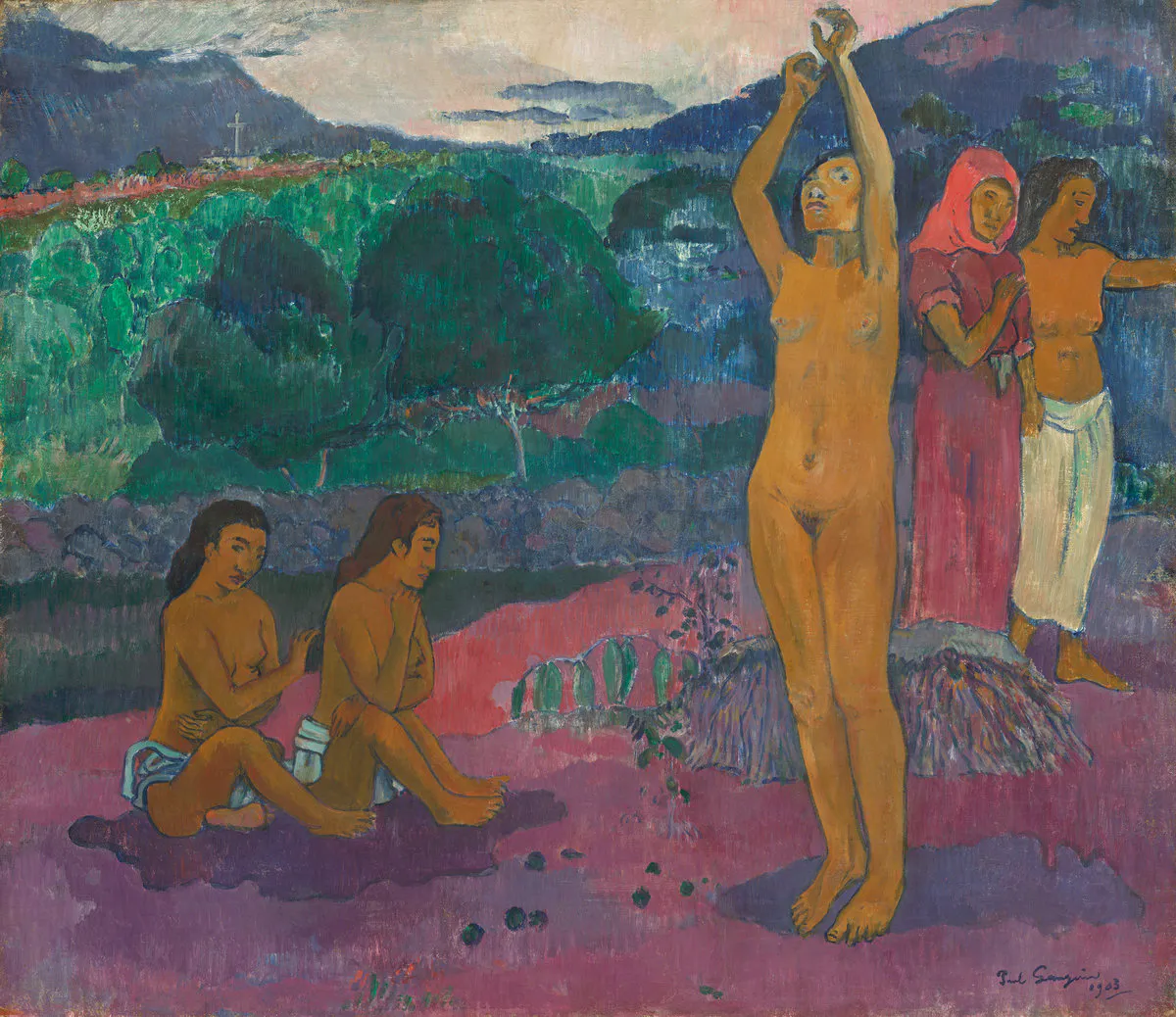
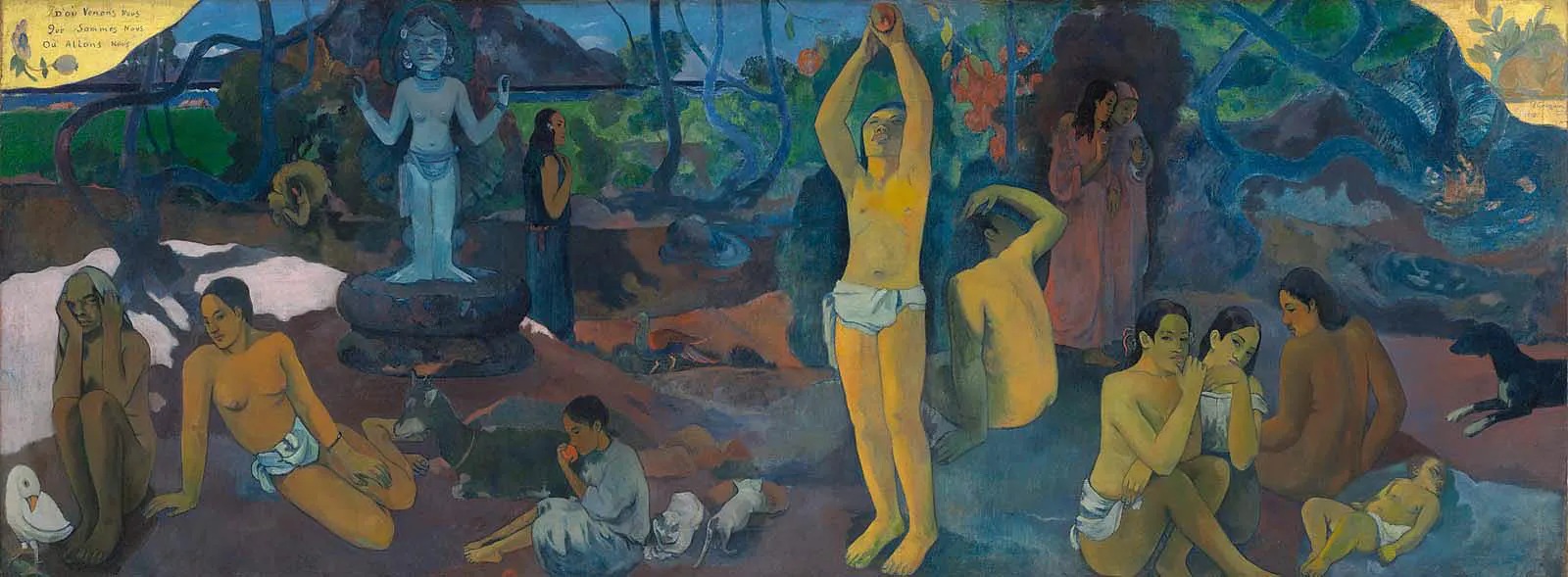
Fourmanoir asserts that Gauguin's art dealer, Ambroise Vollard, had commissioned someone else to paint these artworks to keep up with the demand for Gauguin's Polynesian artworks in the early 20th century, according to The Washington Post. He believes The Invocation is a forgery because the main female subject doesn't appear naturally part of the scene and looks "vulgar." Though she is in a similar position to a woman in Gauguin's Tahitian masterpiece Where Are We Going? (1898-97), the former figure lacks the voluminous shape and expressive face and her pubic area is uncovered.
Related: The 5 Most Notorious Art Forgers
For Women and a White Horse, Fourmanoir thinks Gauguin's signature is too faint and the lush landscape resembles Tahiti more than the Marquesas Islands, where Gauguin would have lived at the time of painting. Both works also have a noticeable white cross, which Fourmanoir says is surprising because Gauguin despised the bishop in the Marquesas, and the cross would have been covered by vegetation over a hundred years ago.
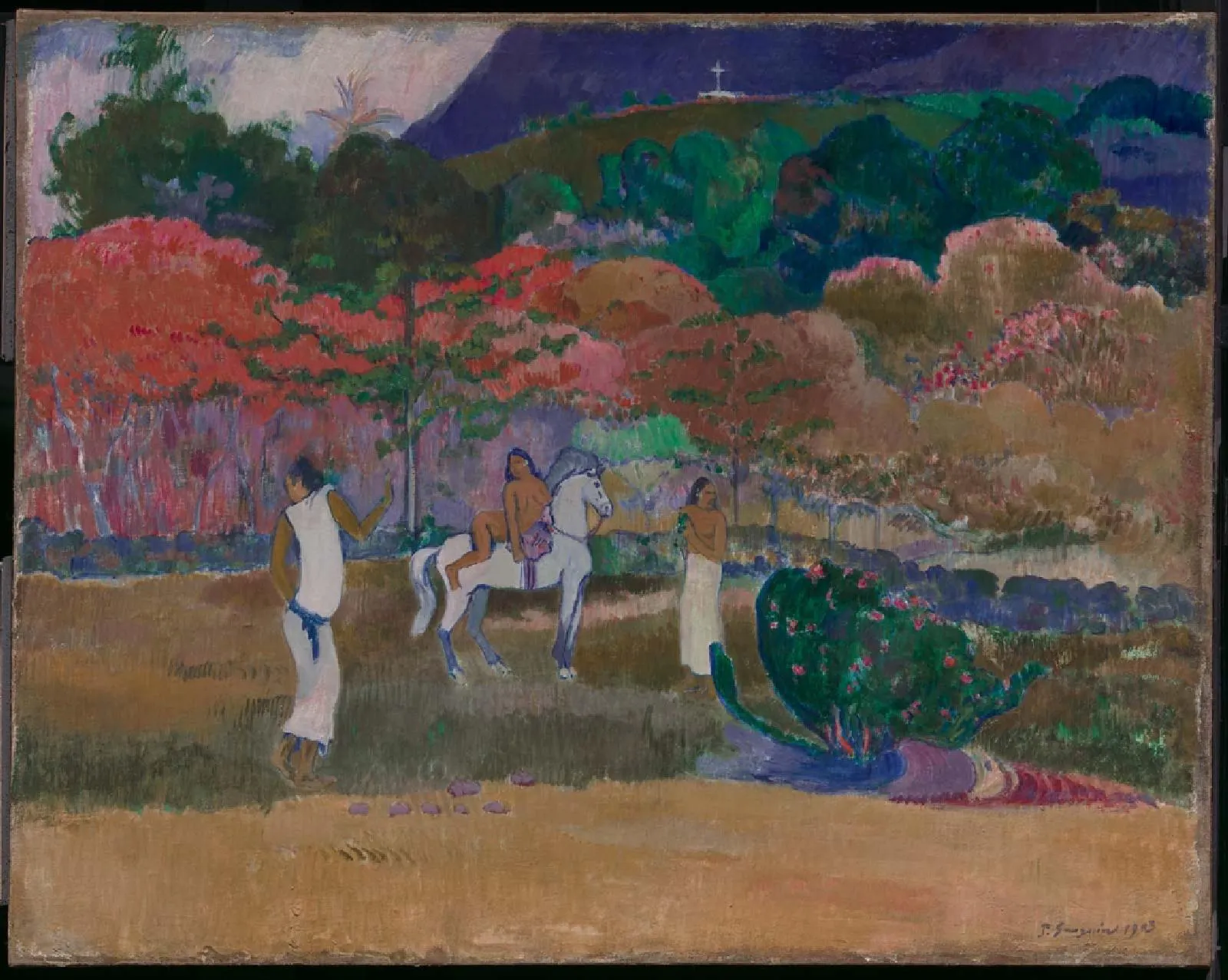
Paul Gauguin spent the last years of his life on the Marquesas Islands in French Polynesia, arriving there in September 1901 and living there until his death in May 1903. It has been assumed that The Invocation and Women and a White Horse were painted there in the months before his death. However, Gauguin's final years of life were marked by debilitating sicknesses and vision problems, so many believe it was unlikely he was painting at all. However, some credit the lesser quality of these later works to Gauguin's failing health.
Related: The Top 10 Stolen Paintings

However, a major point in favor of Fourmanoir is that there is no written record of these paintings having been shipped to Vollard in 1903 nor were they in Gauguin's estate record after his death. Therefore, scholars are unsure how or when the paintings arrived in Europe. It is possible, though, that Gauguin in his final days did not record the shippings for these works or simply gave them away.
Related: The Nativity, According to Paul Gauguin
Now, the National Gallery of Art and Museum of Fine Arts have discussed placing both paintings through scientific analysis to determine whether or not they are truly by Gauguin. It remains to be seen if Fourmanoir's theories will be proved correct or false.