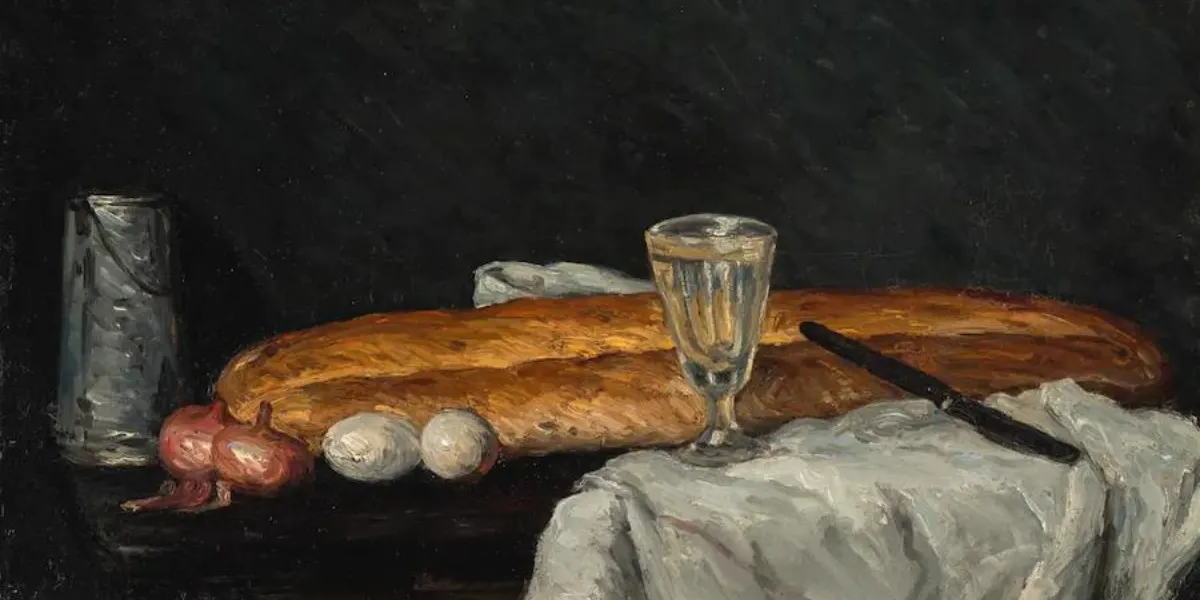
“I had a feeling,” says Serena Urry, chief curator of the Cincinnati Art Museum in Ohio when she recounts how, during an examination of a work by Paul Cézanne, she discovered that the painting was hiding another artwork. Urry noted cracks revealing an unusual color and then asked for X-ray analyses.
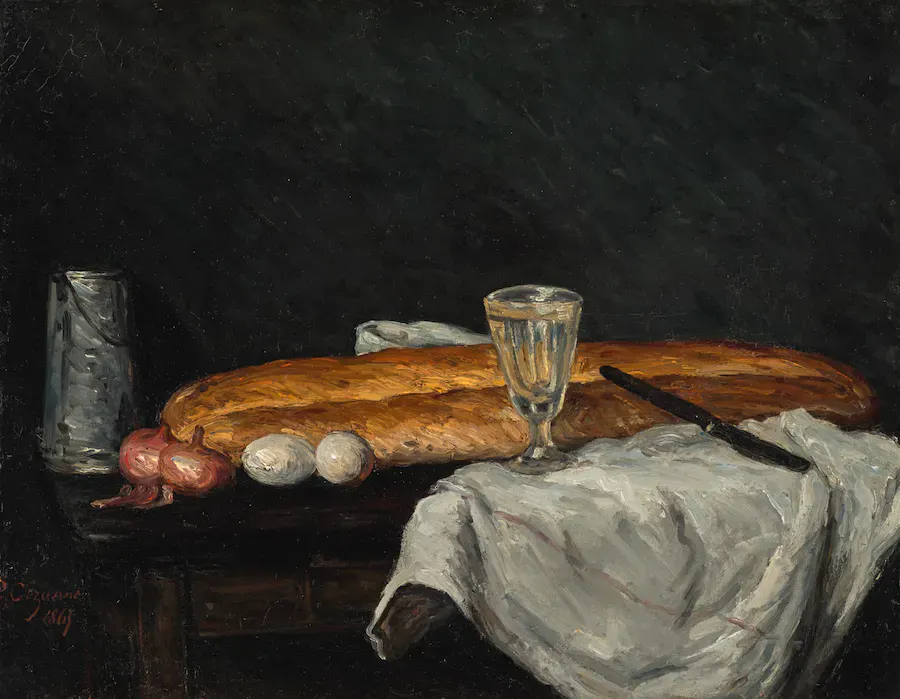
Behind this still life from 1865 was a well-defined self-portrait of the artist. Having made a little over 20 self-portraits, mostly after the 1860s and in pencil, this self-portrait would then be among the artist's first. Cézanne was then in his twenties and worked under the influence of the Spanish baroque style of Delacroix and the realist style of Courbet. It was only in 1872 that he embarked on the adventure of Impressionism alongside Pissarro.
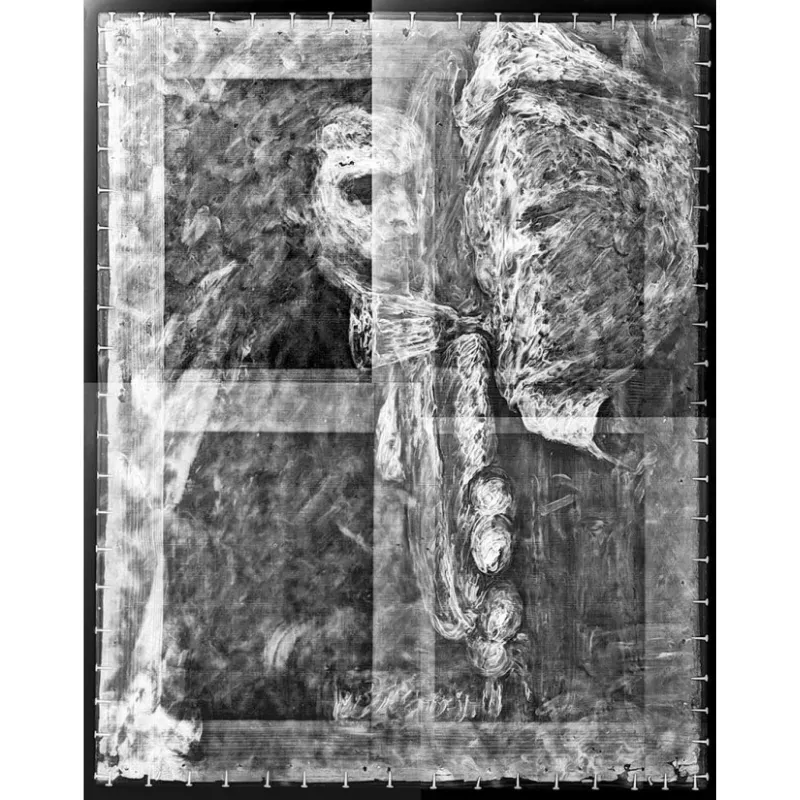
If the curators have not yet determined why the artist would have covered the canvas, such a practice was not uncommon at this time. Recently, several museums have made similar discoveries under works by Modigliani, Picasso and Van Gogh.
Want to receive our latest articles straight to your inbox? Subscribe to our newsletter!
Several analyses will be carried out to determine the colors of the paint with the help of advanced technologies such as multispectral imaging and X-ray fluorescence mapping. The results could well lead to the publication of a book and possibly an exhibition.