
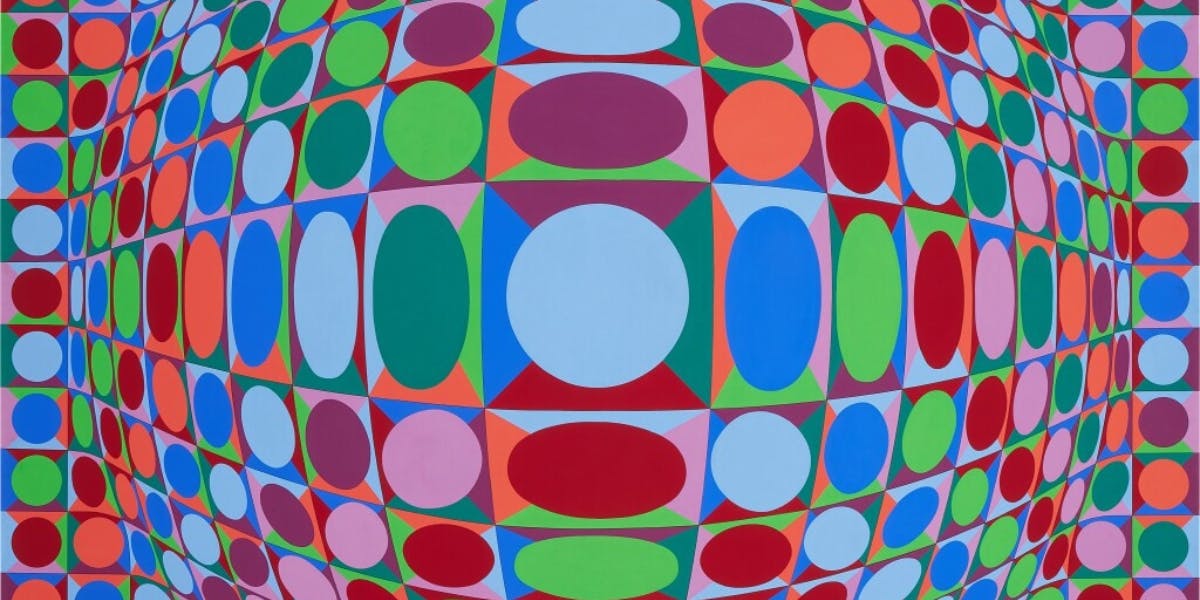
The term op art (short for optical art) was first identified in 1964 as abstract art that employs optical illusions through pattern, color and geometric shapes. The movement is often said to be derived by the Bauhaus, as well as the technique of trompe-l'œil ("to deceive the eye" in French) from the 17th century. A few specific artists brought op art into the foreground in the 1960s and it continues to hold an important place on the market today. Here are the op artists to know:
Richard Anuszkiewicz
Related: Bauhaus: A New Guild of Craftsmen
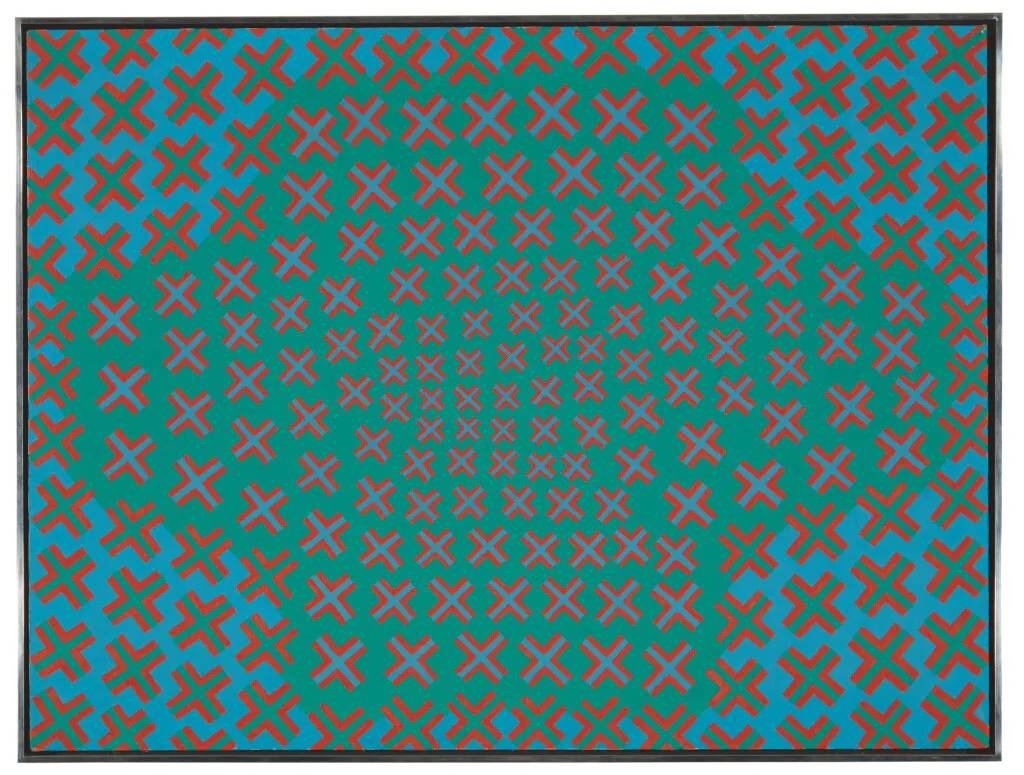
Richard Anuszkiewicz is one of the founding artists of the op art movement of the late 1960's to early 1970's in the United States. He studied at Yale University School of Art and Architecture from 1953-1955 alongside Josef Albers. Anuszkiewicz's works are inspired by saturated colors applied to geometric patterns. His work can be found in America's most prestigious museums today, including the Met, the Art Institute of Chicago, MoMA, and more.
Victor Vasarely
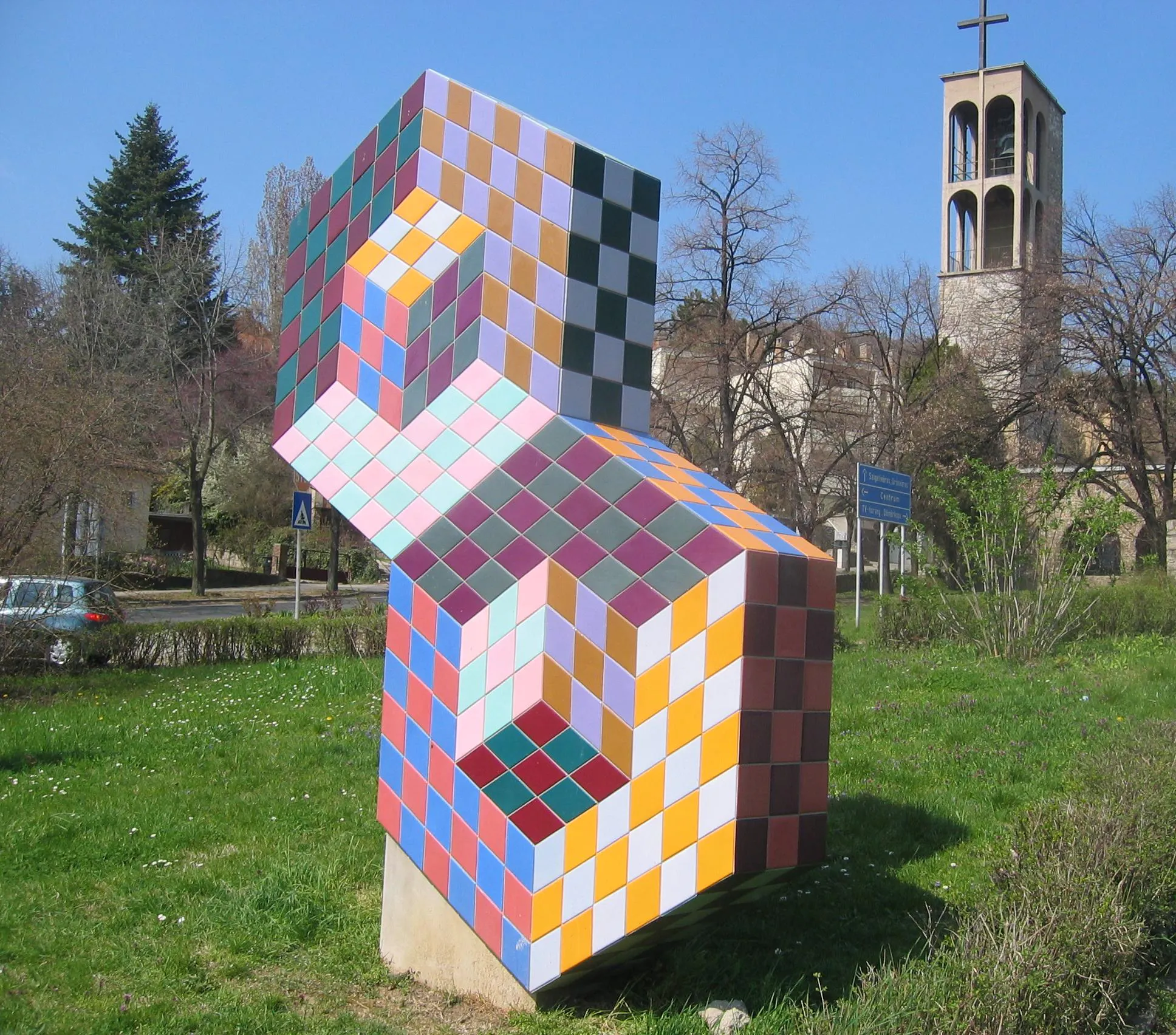
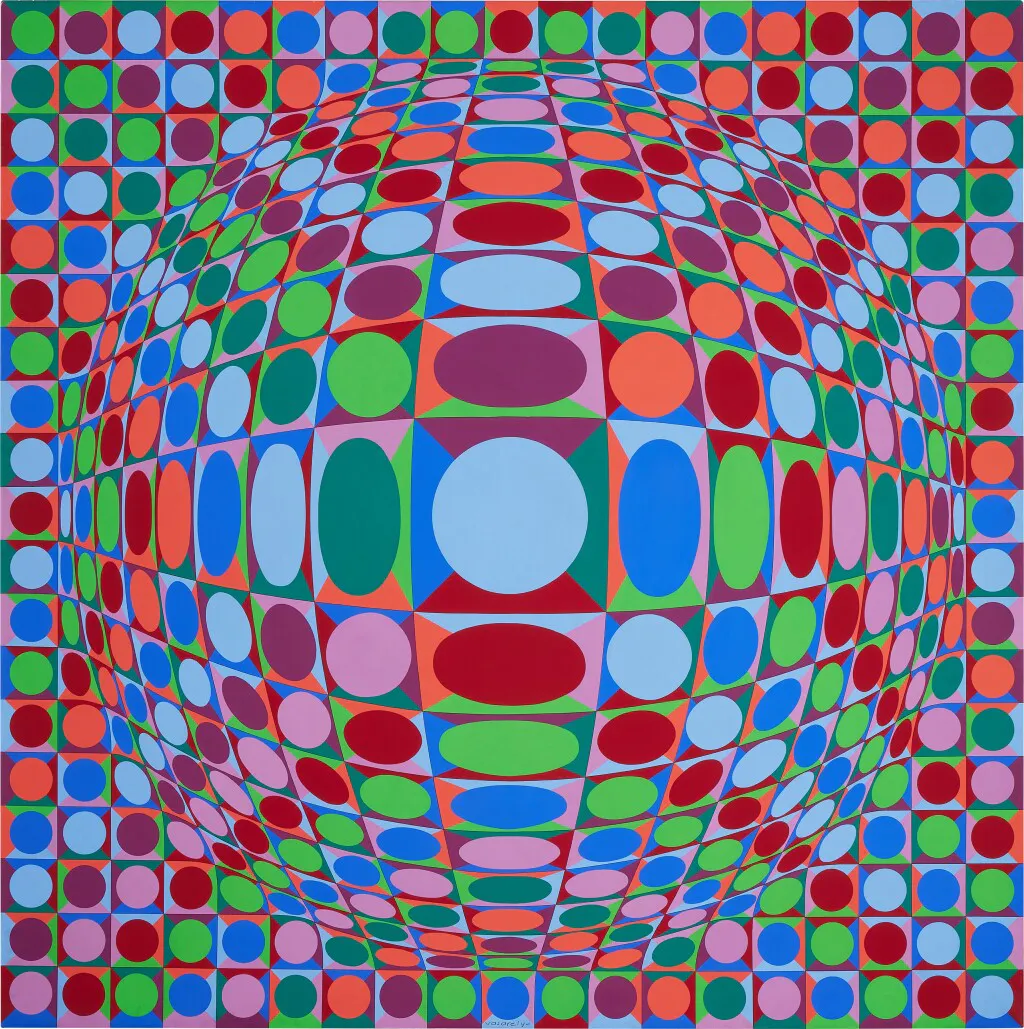
With his repetitive geometric shapes, illusions of movement and scintillating colors, the art of Victor Vasarely led the op art movement in France. During a stay at the seaside, on a French island in the Bay of Biscay, Vasarely found a certain representation of the universe in the ovoid shapes of the pebbles there. This was a source of inspiration that guided him for many years. His work ranged from painting to sculpture, and it was important to him that his large-scale installation work was in the public sphere and could be enjoyed by everyone. He is one of the most successful op artists at auction, with his most expensive work Altaï III selling for $907,226 in 2010. However, many of his works can be viewed at dedicated museums in France and his homeland of Hungary.
Related: Victor Vasarely: The Inventor of Kinetics
Bridget Riley
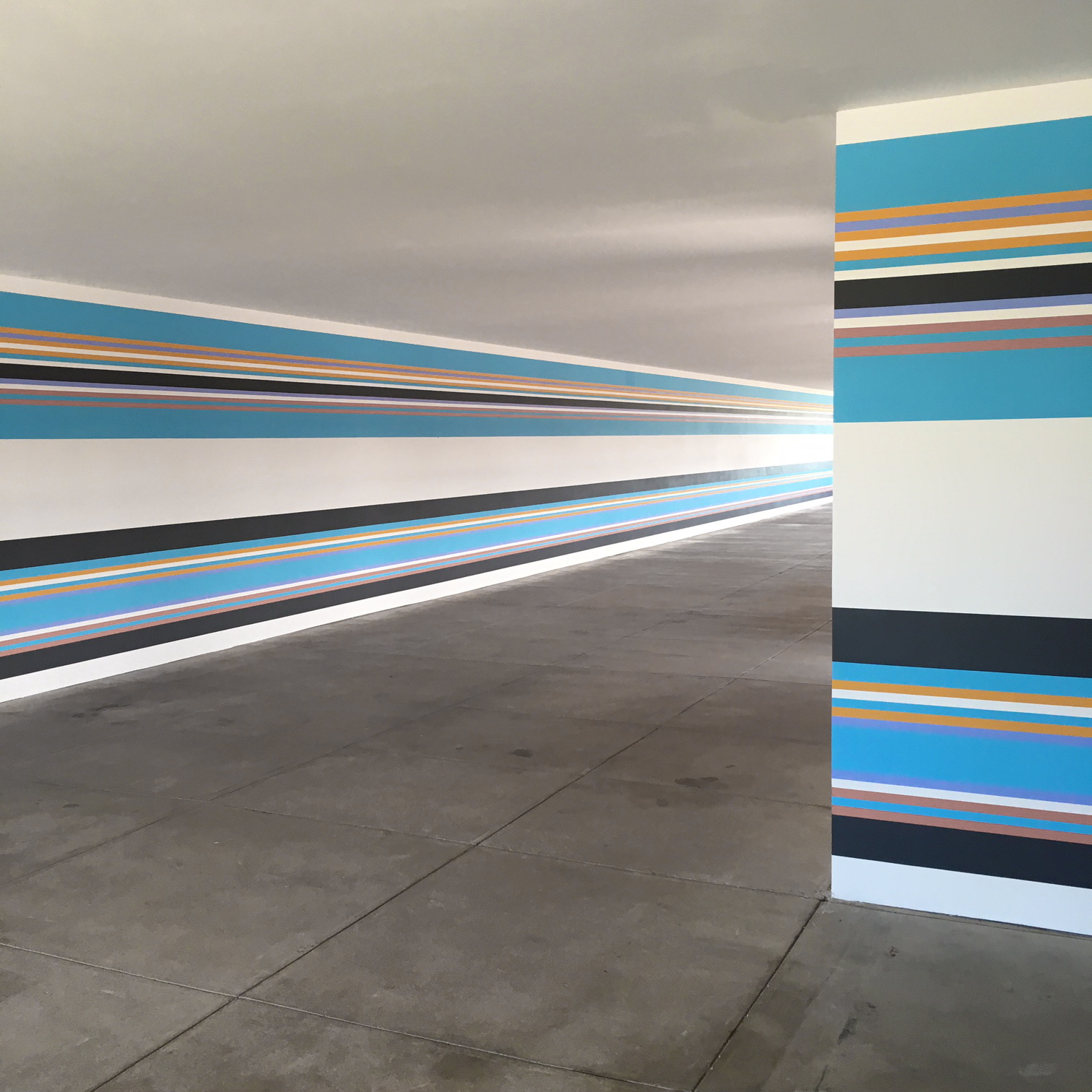
The London-born artist Bridget Riley earned her stripes as an artist studying at the Royal College of Art from 1952-1955 alongside Peter Blake and Frank Auerbach. Her early works were semi-impressionist, and in 1958, while she worked at an advertising agency, she explored pointillism. It was around 1960 that she developed her black and white geometric patterns, which she is most famed for. The patterns are disorientating, and can even leave the viewer feeling the same sensation as motion sickness. In 1967, Riley began using color, and in this year she created the first of her stripe paintings.
Related: Summer in the Sixties
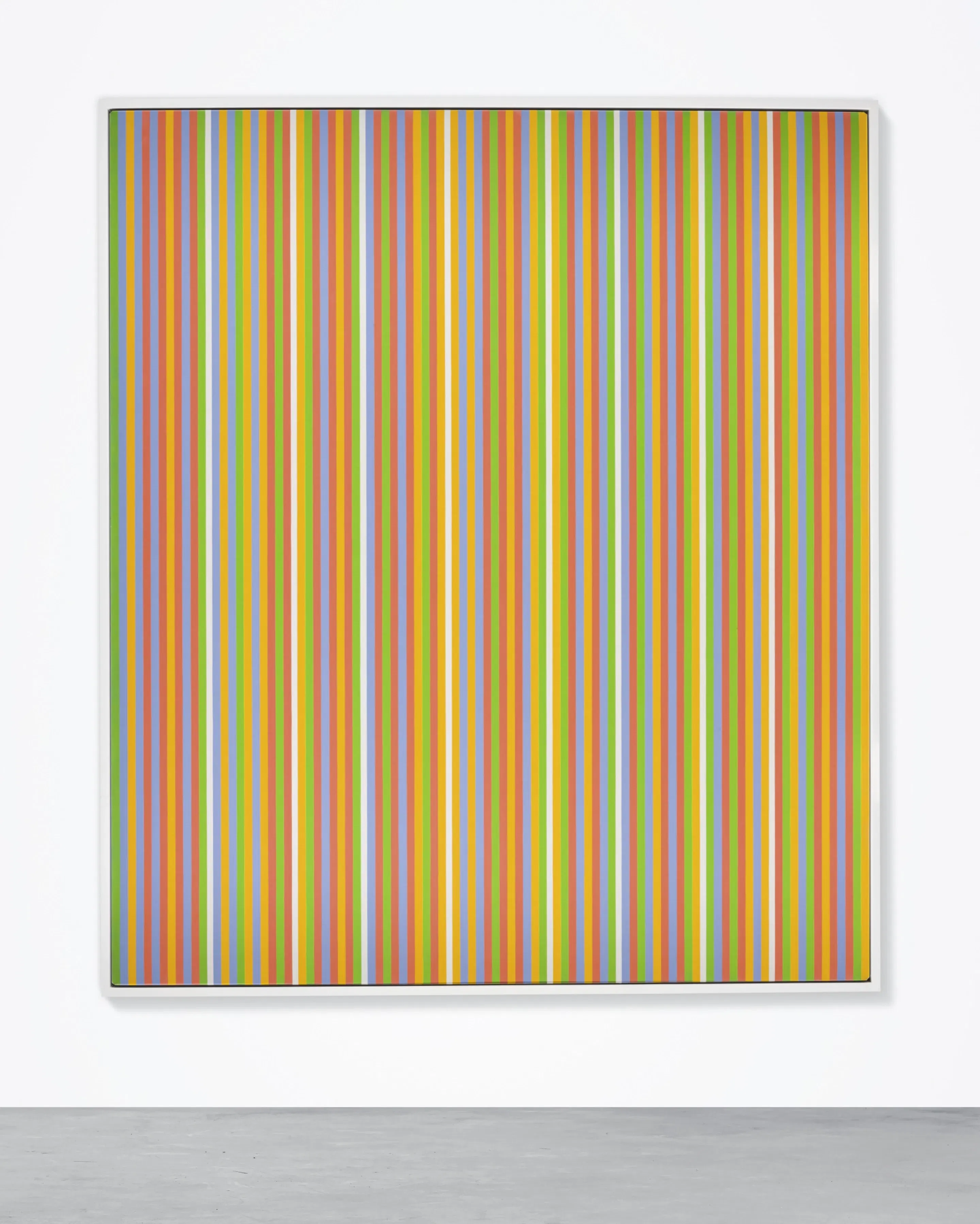
The following year, Riley represented Great Britain at the Venice Biennale, a landmark as she was the first British contemporary painter and woman to be awarded the International Prize for painting. In recent years, Riley has become increasingly popular, with prices for her work reaching over $6 million at auction. She is now 91 years old.
Yaccov Agam
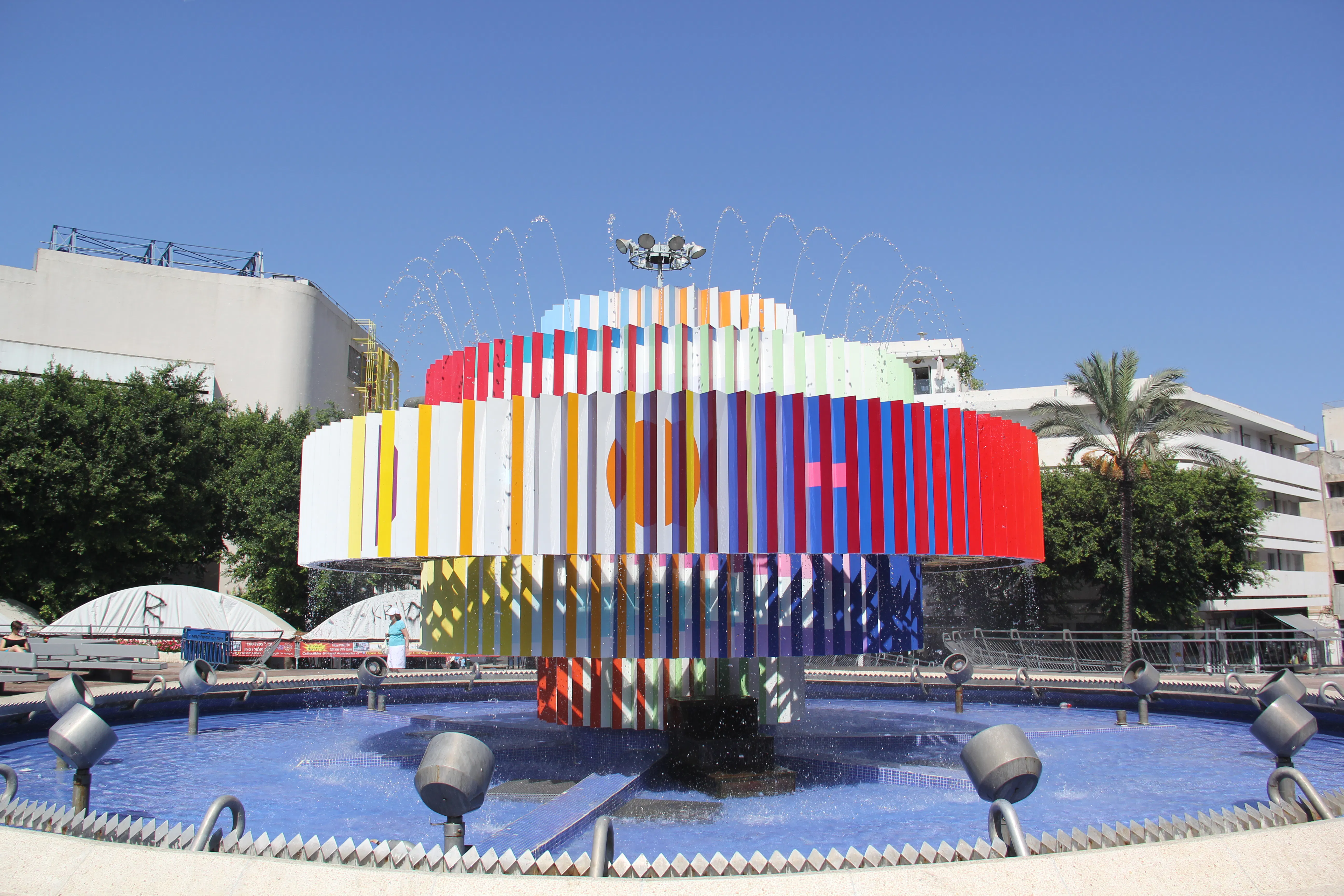
Trained in Jerusalem and Switzerland, Israeli Yaacov Agam moved to Paris in 1951 and two years later, his first solo exhibition was held at Paris' Galerie Craven. By 1955, after taking part in the Le Mouvement exhibition at the Galerie Denise René, Agam joined artists such as Alexander Calder and Pol Bury as leaders in kinetic sculpture. Agam is most famous around the globe for his colorful op art sculptures that can can be seen in public spaces in Paris, Tel Aviv and New York. Since 2009, Agam has been the world's most expensive Isreali artist, with his most expensive work selling for nearly $700,000 in 2010.
Want more articles like this straight to your inbox? Subscribe to our free newsletter!
Curtis Jeré
Related: Vintage Costume Jewelry: Where to Begin
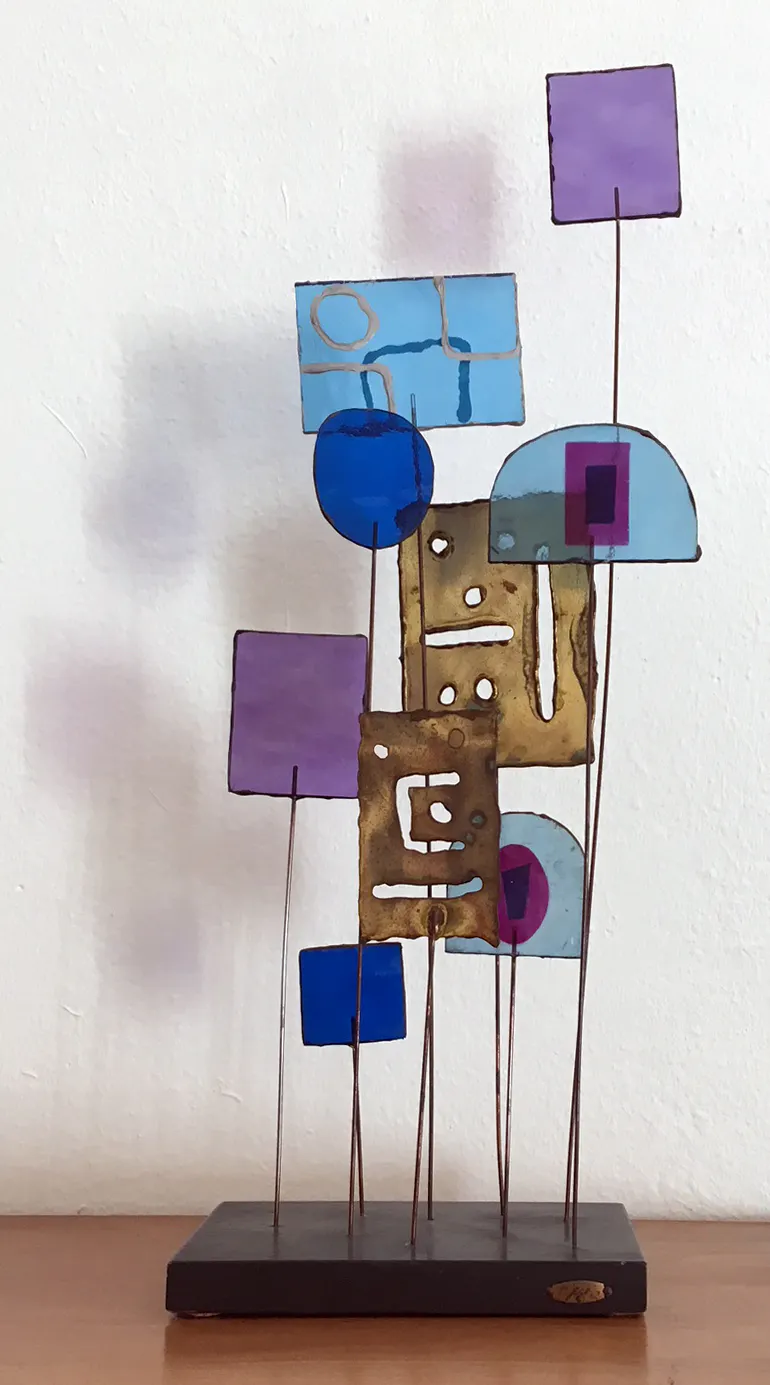
The compound nom-de-plume of artists Curtis Freiler and Jerry Fels are better known as Curtis Jeré, their design company founded in 1963. Their trendy metalworks include works of art and decorative arts, with their wall sculptures and mirrors among their most popular pieces. The two artists also founded a costume jewelry line. Their highly abstract sculptures on a small scale bring op art into the home and sell for around the $15,000 mark.
Find more on Barnebys Magazine
This is an updated version of the article originally published on March 30, 2016


