

Humans have always felt the need to express themselves on the ‘walls’ surrounding their daily lives. Since prehistoric times, our ancestors have covered cave walls with drawings, using coal and natural pigments. This propensity continued during Antiquity and the Middle Ages, as seen by the frescoes adorning cathedral walls. In every era, walls have served as outlets on which to vent, and also as channels for transmitting political, religious or personal messages to the masses. And today? These days, an artistic and aesthetic surge commonly named street art, based on graffiti and stenciling culture, is taking over most countries in the world.
Specialists say that street art was born in the early 1970s in the United States, specifically in Philadelphia. This was when Cornbread, considered one of the pioneers of the genre, had fun expressing his love for a woman on the most unlikely walls in the capital of Pennsylvania.
From the outset, the notion of prohibition was intimately tied into the movement. Gaining popularity in low-income districts, street art was wielded by young artists who sought to free themselves from a social context that was as oppressive as the bitumen on which they grew up.

Banding together in crews, graffiti artists leave traces of their aliases all over the place, usually in well-exposed spots, such as subway carriages in New York, of which there is no shortage of possibilities. Due to its risk-taking element, graffiti is seen as an adventure and has naturally become one of the pillars of willfully non-conformist street culture, also manifested by hip-hop and breakdancing. Links can also be made between graffiti and the universes of comics and advertising.
See also: The Art World’s Best Kept Secret

In the mid 1980s, the public line hardened. Numerous town authorities began pointing their fingers at what they considered acts of vandalism, calls to violence. Some went as far as declaring war on these new activists by enforcing heavy fines. But this did not suffice to put an end to what was in the process of becoming a social phenomenon. In Paris and many other European capitals, graffiti invaded historic sites before claiming more territory in suburban ghettos, as well as abandoned industrial sites and the picture rails of certain galleries.
See also: Keith Haring: The Artist Who's Everywhere
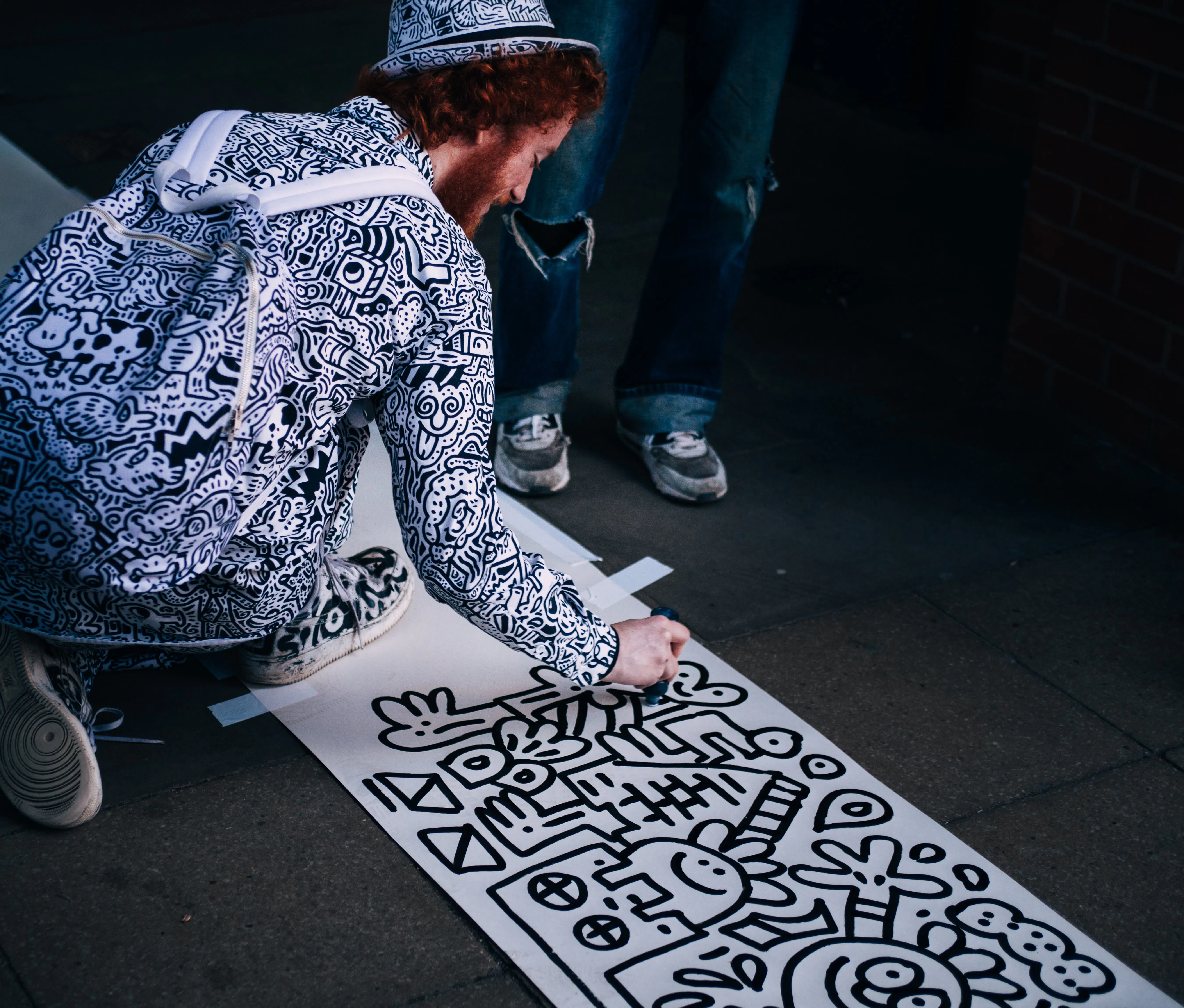
Despite its liberty in form as well as content, street art respects a few codes. Yes, you will find tags and graffiti, but that’s not all. Other techniques offer artists the means to express themselves on walls. Among these is the stencil: a practical and effective means of reproduction favored by underground advertisers, but also political activists. Today, the stencil has practically become a fashion phenomenon, unquestionably led by British street artist Banksy.
Another popular method is the sticker: once designed, it’s ready to dispatch anywhere you like. Mosaics by French artist Invader offers one example and can be found in most big cities around the world today. Other street art techniques include posters, mural paintings and monumental photography.
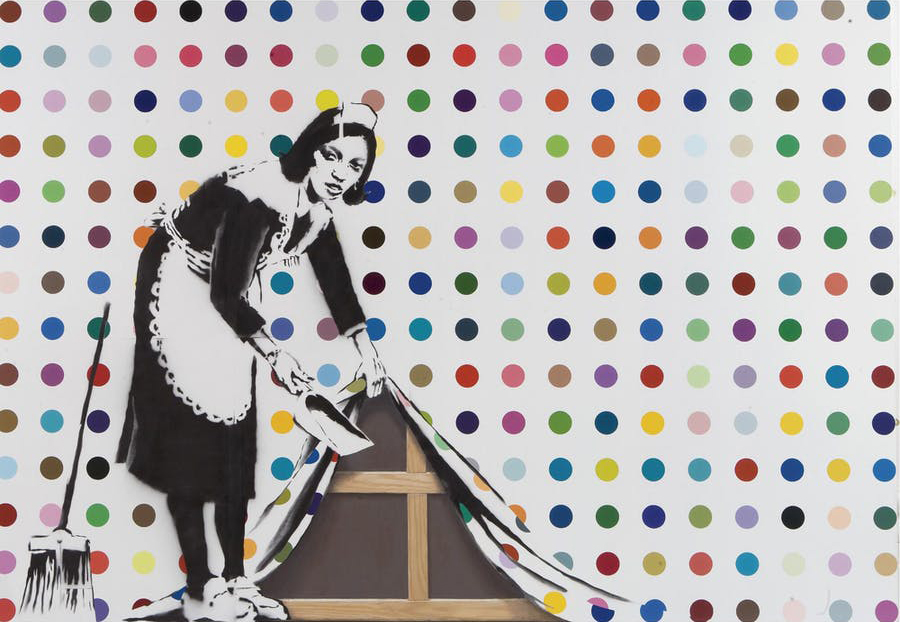
Now profitable, hence venerated by the wealthy of the world, street art is today housed in museums and the halls of great collectors – not always with the approval of purists who lament the loss of street cred. Even more paradoxically, this art – whose very essence lies in marginality – has carved out a key position for itself in auction sales, where works by top artists can sell for several hundreds of thousands of pounds.
See also: Travel the World Through Art
When it comes to sales, Banksy has already broken the bank on several occasions. His Keep it Spotless sold for $1.8 million in 2008, and more recently his Devolved Parliament sold for an incredible $12.1 million in 2019 at Sotheby’s.
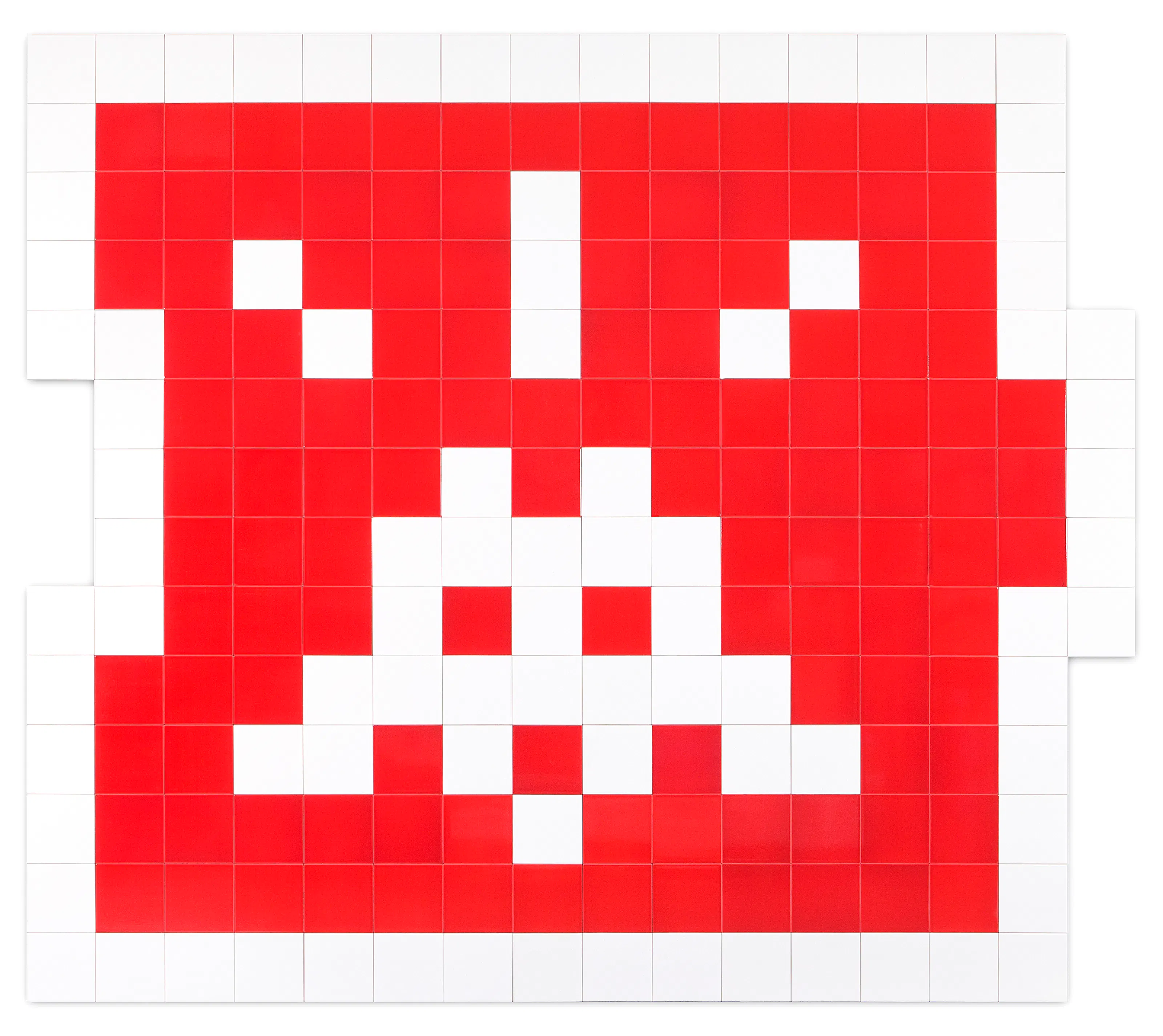
In 2015, the ceramic mosaic ALIAS HK-59 by Invader sold for $343,000 at Christie’s. These are only a few examples among many that demonstrate the notion of graffiti as an act of destruction as a view that belongs to the past century.
Find more of your favorite artists and movements on Barnebys Magazine