
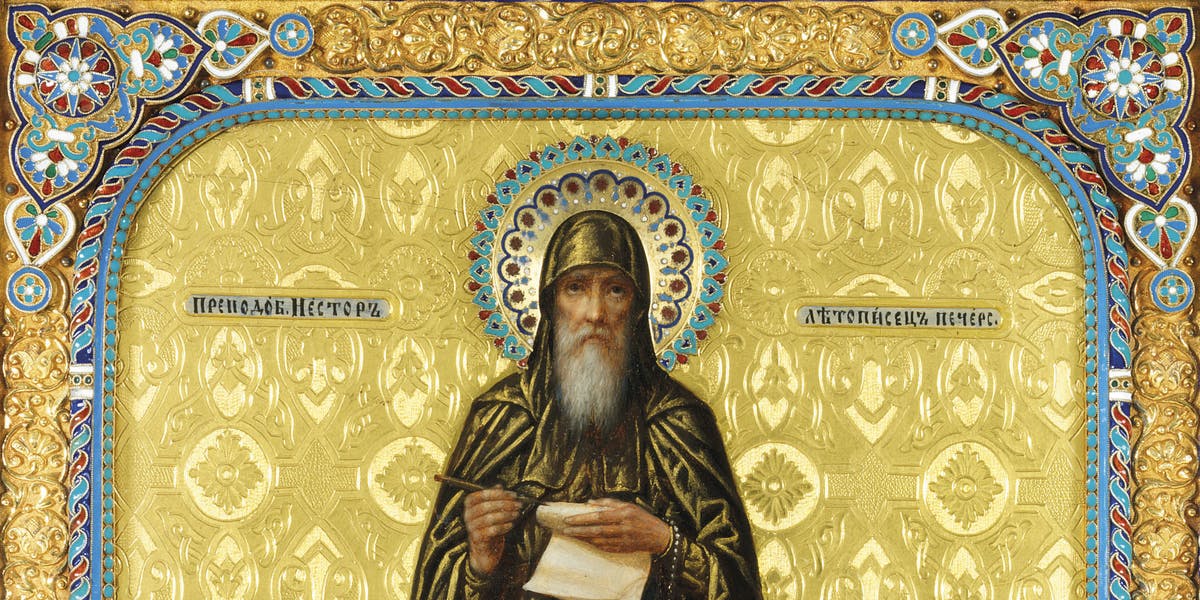
While icons as divine representations are rooted in paganism, their codification and development as sacred art are linked with Christianity, particularly the Orthodox and Eastern Catholic churches. The first traces of Christian figurative art were found in the catacombs of Rome, and date back to the primitive church. From the 5th century onwards, this art blossomed across the empire, blending with local styles to create divergent representations. Byzantine art was the main influence on the depictions in the Eastern Roman Empire, while in the West, their representations evolved in step with Romanesque, Gothic, Italian Renaissance and Baroque art. The figural traits and specific arrangement of elements endowed icons with an immovable character, only evolving in Russia when the country was converted to Orthodox religion in the 10th century.

The first icons primarily represented Christ and the Virgin Mary in different attitudes and symbolic poses. Common were Mary alone with hands outstretched in the Orante or Agiosoritissa position of prayer, or the Mother nestling the infant Jesus against her cheek in the Eleousa position, or enthroned together in the ‘all-merciful’ Panakhranta depiction. Apostles, martyrs, saints, angels, Christian festivals, and other hagiographic scenes would also inspire artists as subject matter over the centuries.
See also: The History of Globes
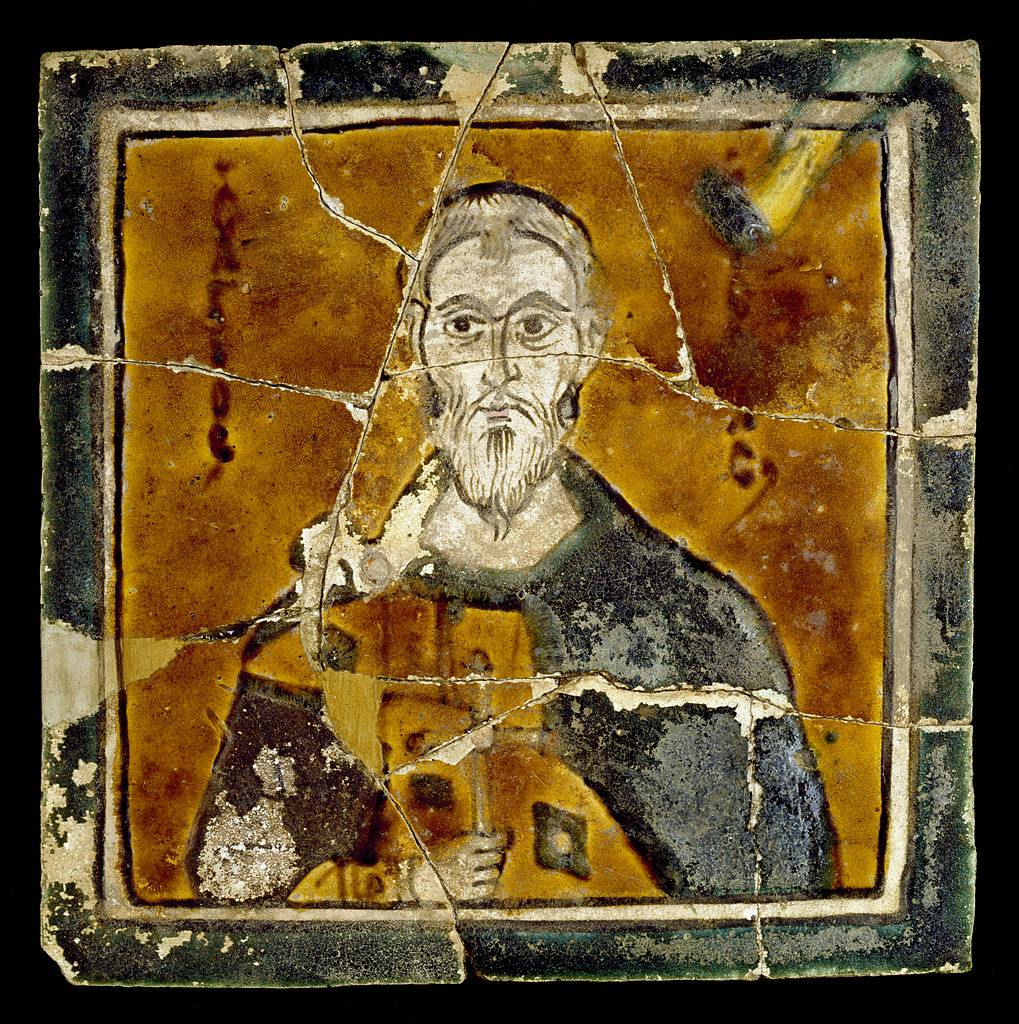
Techniques were extremely codified, almost ritual-like, as much for the material preparation as for the painting itself. Traditionally, they were executed on a wooden board without knots, called a doska. The lime tree was considered to provide the highest-quality wood, but in its absence, iconographers (usually monks) would use whatever they had in their geographical environment, such as cypress, birch, oak, beech, or pine. While rectangular forms dominated, round and oval icons also exist. Beginning around the 9th century, it was also possible to find mosaic, gold, silver, ivory, or even glass versions.
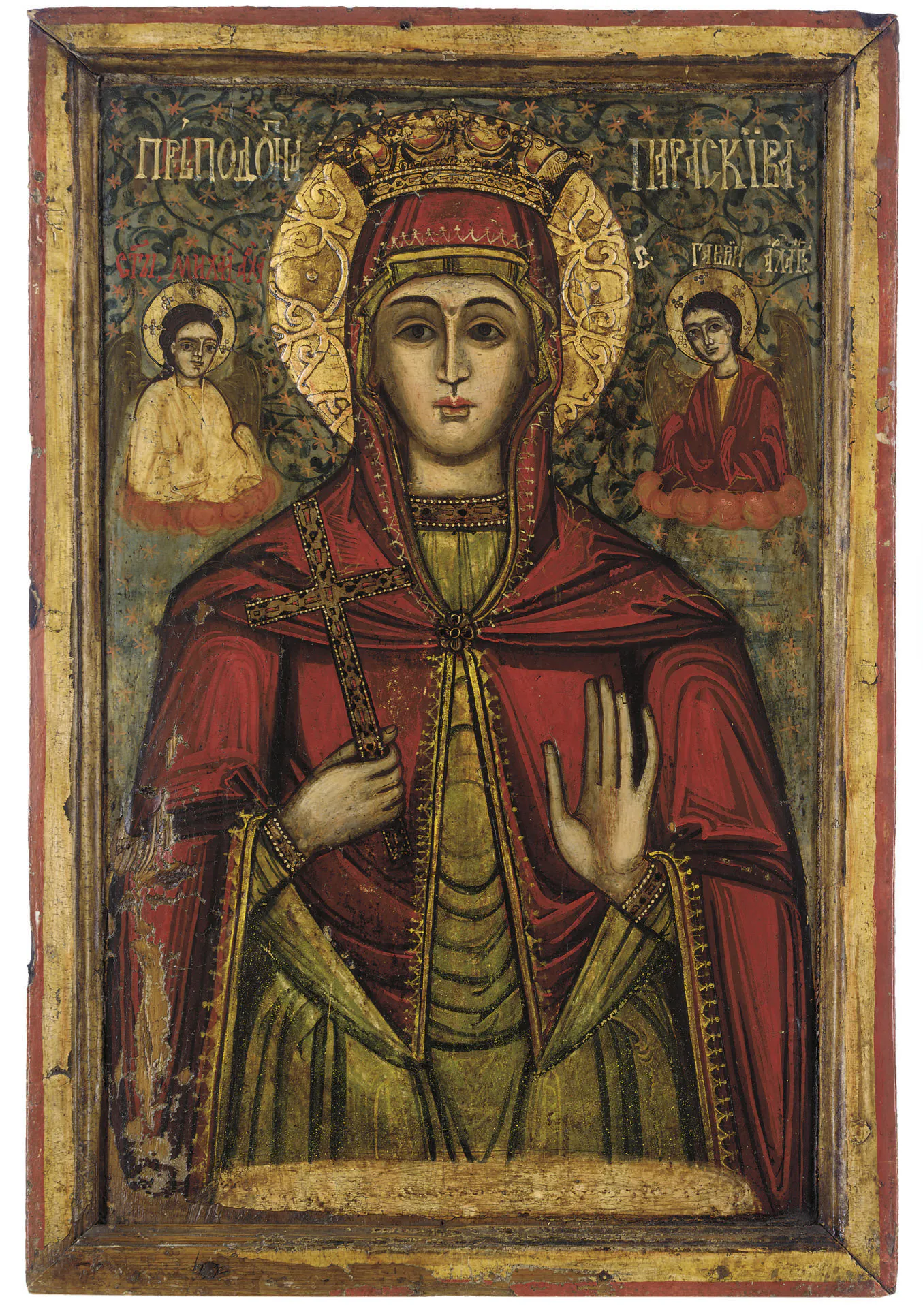
The board was slightly hollowed, then smeared with a layer of glue made from rabbit skin, covered in a canvas, or pavoloka, then coated in alternating layers of glue and alabaster powder. Once dry, the surface was sanded. The artist would transfer a drawing of the icon on the prepared doska, lightly engrave it, then paint it using egg tempera. Darker shades were painted first, as the iconography symbolically progressed towards the light. Finally, a linseed oil product was applied over the top as a protective layer for the holy image.
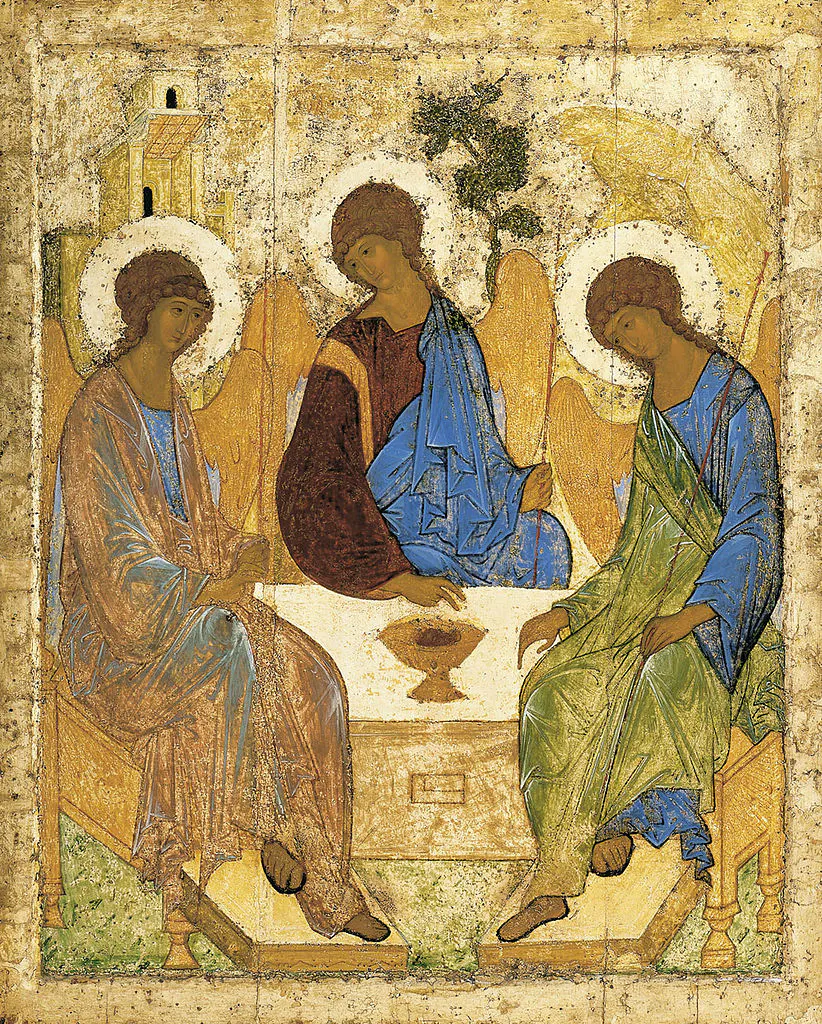
The Church came up against iconoclastic crises in the 8th and 9th centuries, leading to the destruction of most of the icons produced before 843. But images would be redeemed, and the practice underwent a new golden age in the Byzantine Empire in the 12th century. It subsequently spread to Russia, where it developed after the fall of Constantinople until the 19th century. One 14th-century monk, Andrei Rublev, painted countless works and hugely contributed to Russia’s development of icons. His best-known work is the Icon of the Trinity (1411), created for the Trinity Lavra of St. Sergius in Sergiev Posad and today displayed at the Tretyakov Gallery in Moscow. Another famous piece is his Saviour of Zvenigorod, depicting the Saviour, the archangel St. Michael and St. Paul the Apostle. It was rediscovered in 1918 in a hangar near the cathedral, and was probably originally composed of seven to nine icons.
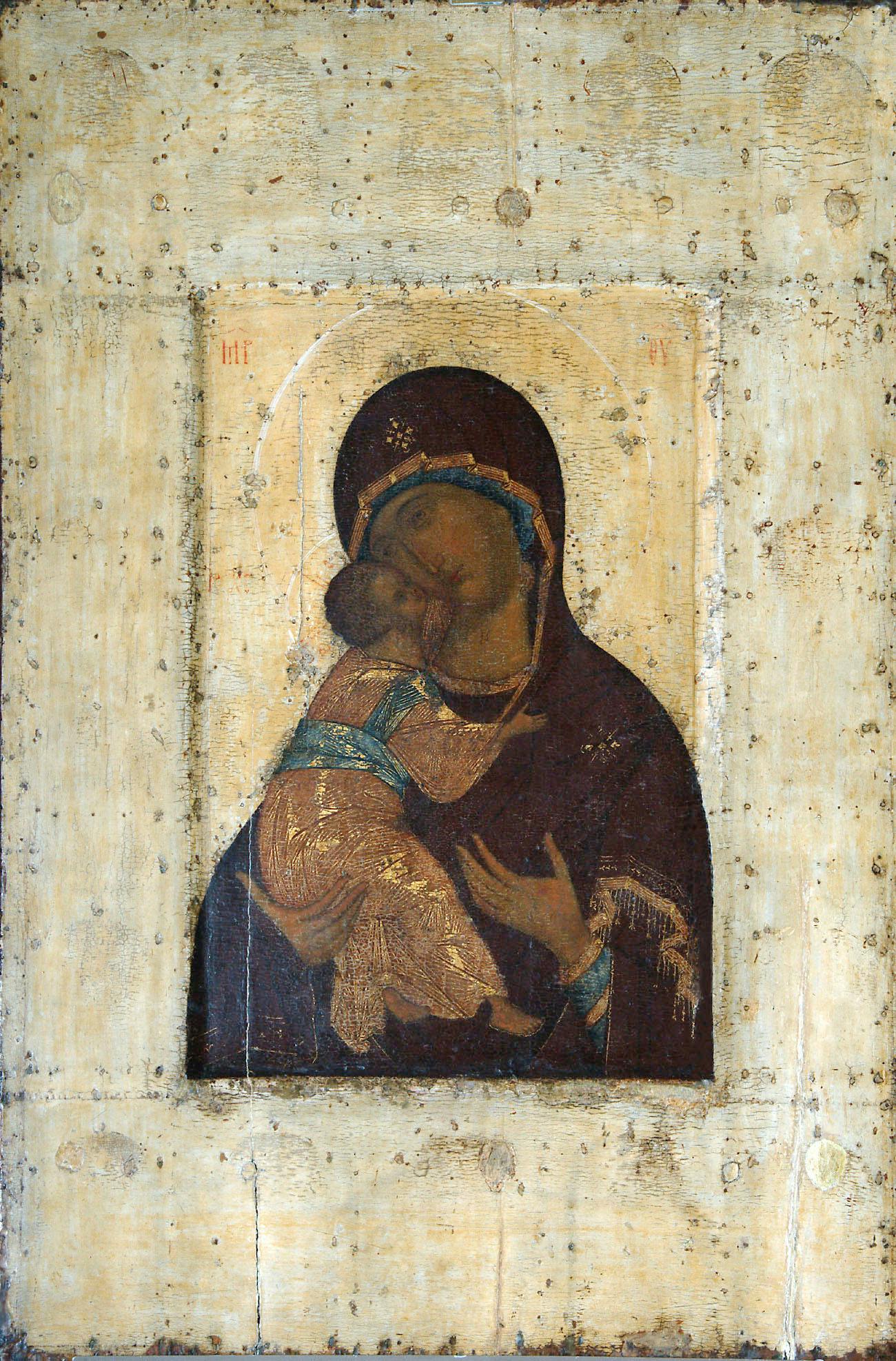
Rublev was an assistant of the icon painter Theophanes the Greek, who left Constantinople for Moscow in the 14th century. The Russian monk perpetuated Byzantine tradition while softening its contours, leaving a lasting influence on his successors, including Dionisius in the 15th century. The Stroganov School in the 16th century also shows clear influence from Rublev, even though the School’s focus was specifically on illuminations. Andrei Rublev was canonised by the Orthodox Church in 1988, the year marking a thousand years of Christian faith in Russia, and became known as St. Andrei the Iconographer. The frescoes and iconostasis of the Dormition Cathedral in Vladimir, in northeast Moscow, are still religious and artistic pilgrimage sites for Rublev’s fans.