The Medici family was one of the most important dynasties in the history of the Italian Renaissance and the early modern age. The family reached a certain political and economic importance in the city of Florence as early as the 13th century, thanks to their success as bankers and merchants. Cosimo de Medici (1389-1464) engineered the expansion of the family's power, effectively establishing the domain of the Medici over Florence. This domination ignited the concern of other important Florentine rival families, who, in 1433, exiled Cosimo and some family members to Venice. But the ties of the Medici with the Doge simply increased the power of their dynasty, and the family returned triumphant to Florence the following year.
Through their prolific patronage of the arts, the Medici family expressed their power and pioneered a changing aesthetic that incorporated classical and early Renaissance roots, while also reflecting the current political and societal ideals.
Related: Michelangelo: From Man to Genius
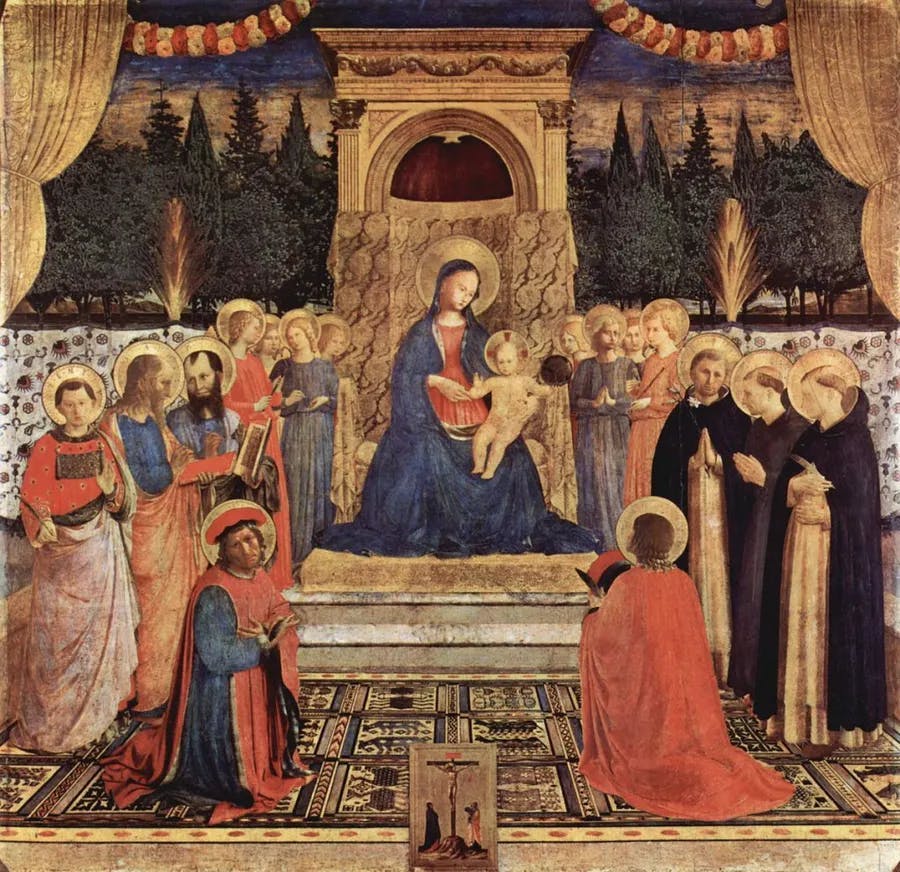
Among their most significant commissions is the San Marco Altarpiece, completed just a few years after the Medici family returned to Florence. It displays a return to their former glory, as well as an expression of religious values. The Virgin and Child sit on a throne in the center of the altarpiece, flanked on each side by angels, while Cosimo Medici’s patron saints kneel in front of the throne. The one-point perspective leads directly to the Virgin’s face, emphasizing worship and devotion. The inclusion of the Medici family patron saints in the painting aligns the Medici family with the Dominican order, which focused on education and the betterment of society and controlled the San Marco Monastery.

Related: The 10 Most Famous Works of Art and Where to Find Them
Cosimo Medici, as the major patron of the monastery, sought to establish influence within the church and politically with his artistic contributions. The addition of the family patron saints conveys the Medici family's piety, connecting their power in Florence to divine favor and therefore legitimizing it. It also displays the grandeur of early Renaissance altarpieces with the generous use of gold, rich color, and detail of a glorious scene.
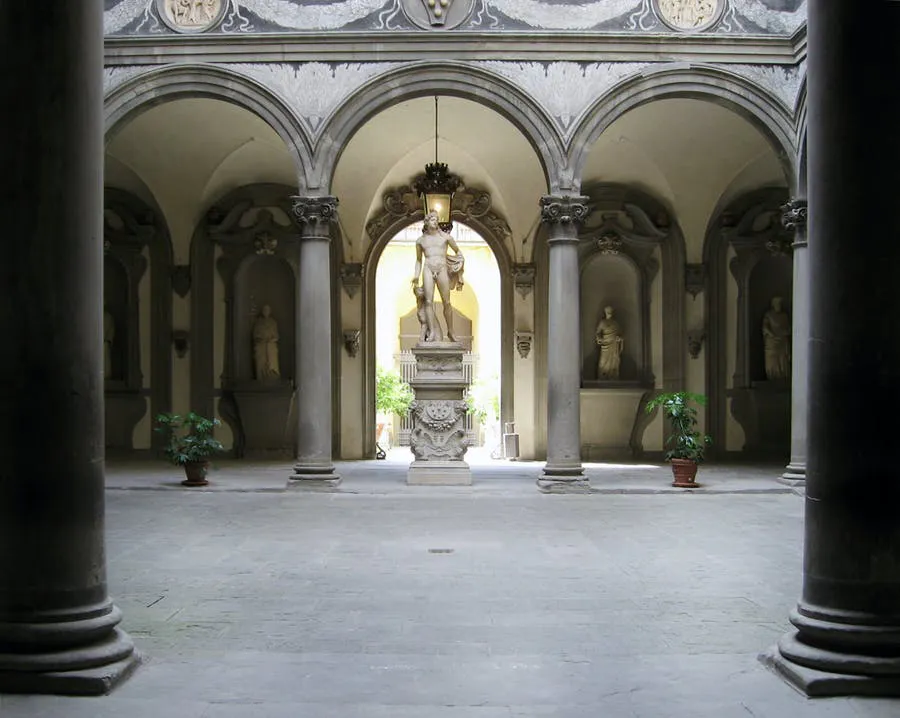
The Palazzo Medici, begun in 1446 by Cosimo Medici, reflects a revival of more traditional, conservative architecture while also aligning the Medici dynasty with authority in Florence. Wanting to construct a palace that was grand, yet also one of a regular citizen, Cosimo Medici chose Michelozzo to design his home. The final product appears as a synthesis of new and old design, with the first story constructed with rusticated stone and the higher stories with more delicate, smooth masonry more typical of the time. This style of architecture links the early Renaissance and classical periods to create a new aesthetic look, which announced a Medici authority that was both progressive and rooted in tradition.
Related: Bronzino: An Ingenious Portraitist
Inside, the courtyard is classical in style with an arcade of pillars, ancient sculpture, and reliefs. This revival of classical form connected the Medicis to a period of antiquarian power and a flourishing artistic era.

Related: The First Works of 10 Famous Artists
David was one of the first revivals of classical sculpture by Donatello and was commissioned by Cosimo Medici’s son, Piero de Medici, to display in their palace as a testament to the future of their power and control over Florence. The completely nude depiction of David harkens to the classical emphasis of the perfect human body, yet Donatello strays from defiant, god-like depictions for this more youthful, humanist image. The presence of a David sculpture in the Medici home, created by the same sculptor as the David in Florence’s town hall, associates the family with the authority of the Florentine republic.

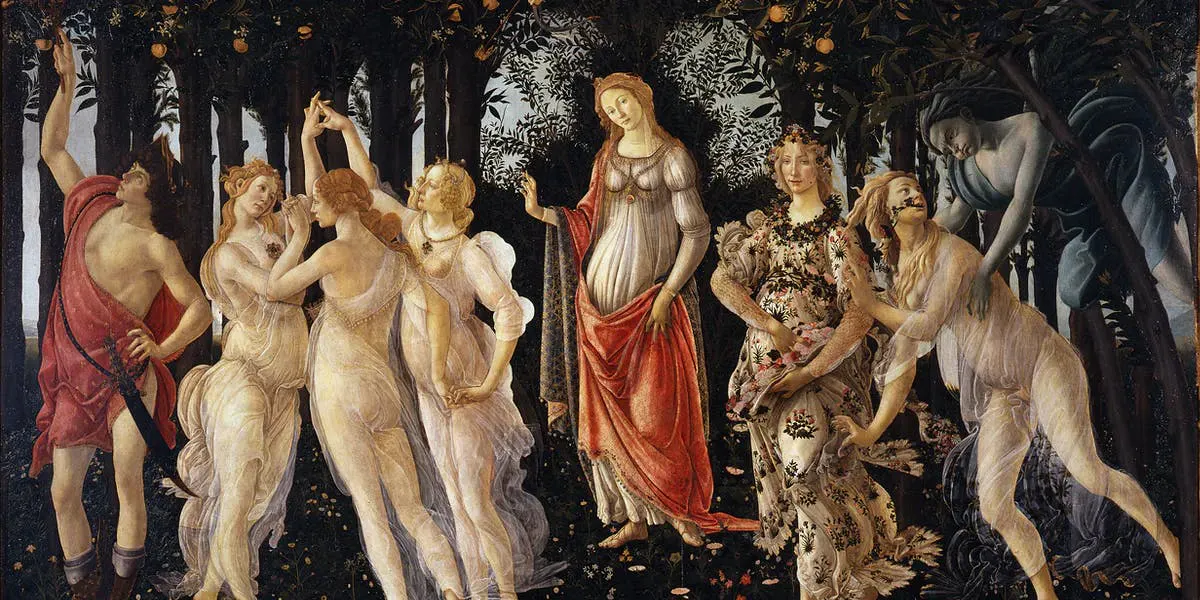
Primavera, a Medici commission in the late 15th century, embraces elements of classical mythology and conveys societal ideals for the honorable woman, as well as Florentine stability. The painting by Sandro Botticelli displays a naturalistic atmosphere with Venus in the center accompanied by other mythological figures such as Mercury, the Hours, Cupid, Flora, Clodis, and Zephyrus, which represent fertility and the patriarchy. This painting was commissioned during a relatively peaceful time in the Florentine republic and expresses a pastoral, carefree scene that harkens to the flourishing of humanist thought.
The extensive Medici patronage of the 15th century established them as Florence’s reigning family and introduced a new classical aesthetic rooted in humanism to the artistic culture of the era.