
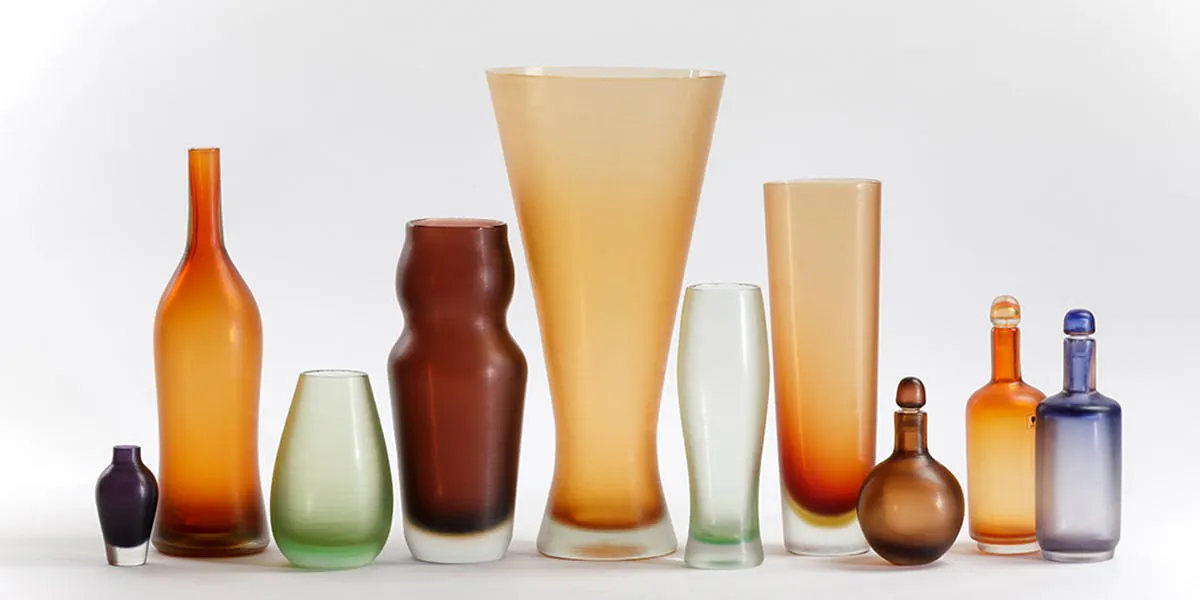
A small island in the Venetian lagoon, Murano has been a hotbed of production for the world's most prized glass works for centuries. Since the beginning of the 20th century, this tradition has seen an extraordinary revival thanks to the collaboration of leading glassworks and influential artists and designers.
Murano’s reputation as the epicenter of glass production was born at the end of the 13th century, during the Republic of Venice (or Serenissima). The Republic ordered all glass foundries in Venice destroyed in 1291, as most of the buildings were made of wood and the threat of fire endangered the city. This decision pushed the foundries to relocate outside of Venice, and many chose the neighboring island of Murano.

Over 300 glassworks moved to Murano, and the artisans redoubled their efforts to perfect their techniques and creativity. The profession gained esteem very quickly, and around the 14th century, glassmakers were allowed privileges such as state protection, wearing a sword and marrying into high-ranking families. Glass craftsmanship and the knowledge that went with it soon became synonymous with prestige.
Related: Tiffany Glass: Art Nouveau Illuminated
The exceptional quality of Murano glass quickly became known not only across Italy, but across the world. There was great competition on the tiny island, but glassmakers internationally tried to appropriate the artisans’ genius. Murano glass became a status symbol, and Louis XIV himself poached the best Murano artisans to create tailor-made pieces, including his crockery.
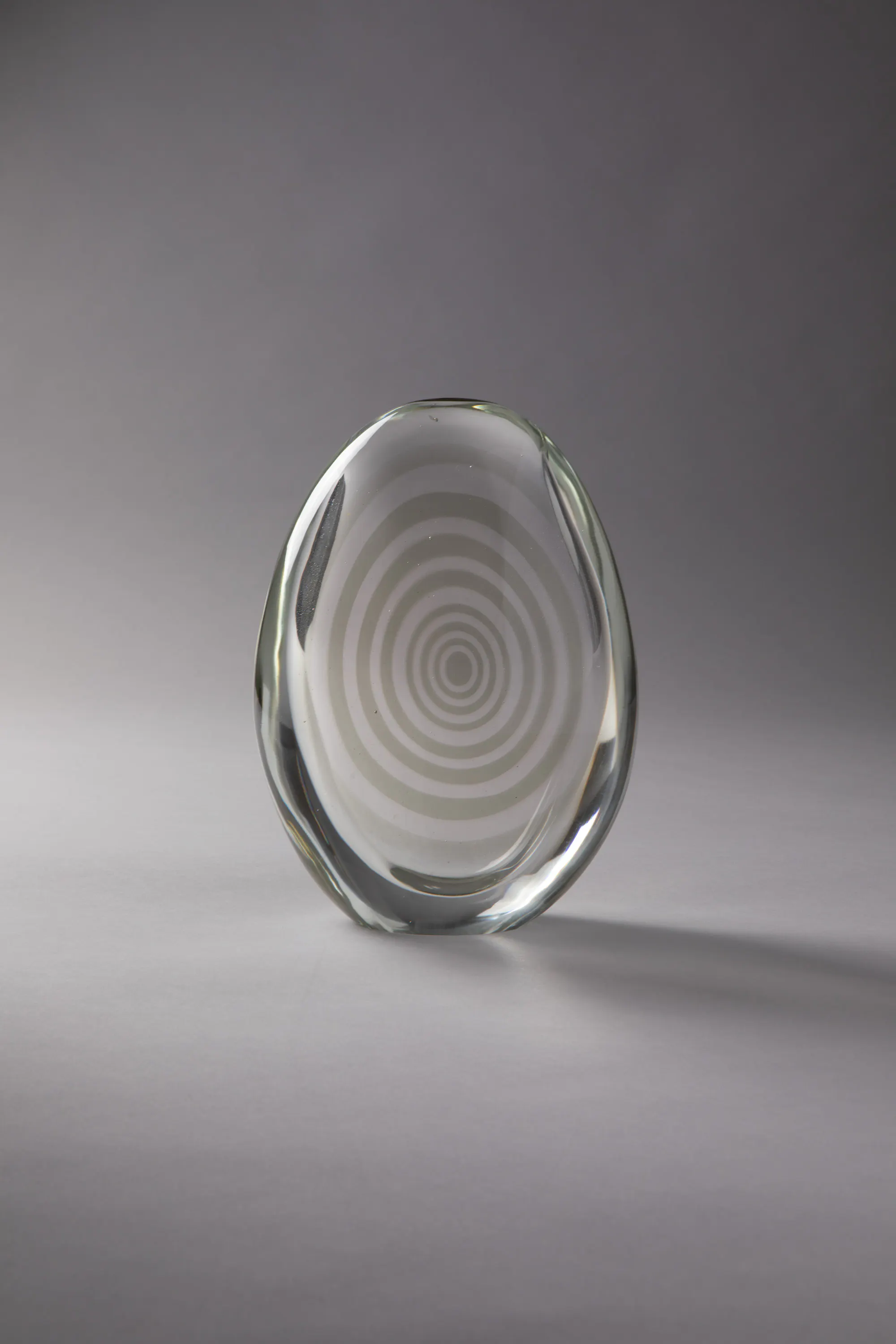
Over the centuries, artisans developed new techniques such as veneered glass, which made it possible to bring out more colors and patterns, crystal, glass enameling, filigree, millefiori, lattimo (a white glass similar to porcelain), and Ghiacciato, a cracked glass technique that is extremely difficult to master.
Related: How the Barovier Family Revolutionized Murano Glass
Many designers have joined the history of the tradition. The Barovier family, a long line of master glassmakers, was one of the first to introduce a modernist style and aesthetic dimension to traditional Murano glass. Founded in 1896 by the brothers Benedetto, Benvenuto and Giuseppe, the Barovier brand, Artisti Barovier, has never ceased to explore and produce increasingly ingenious mosaic works.
Want articles like this delivered straight to your inbox? Subscribe to our free newsletter!
Over the years, other artists and designers have contributed to the history of Murano glass. For example, the famous Cappellin-Venini & C. company, founded by Paolo Venini and Giacomo Cappellin, breathed new life into traditional Murano glassmaking in the 1920s. Venini himself constantly tried to break with tradition, experimenting with new techniques. He collaborated with innovative artists such as Carlo Scarpa, Tommaso Buzzi and Gio Ponti, bringing forth a unique design style that characterized the glassworks until the 1950s.
Related: Venini: Glass and Light
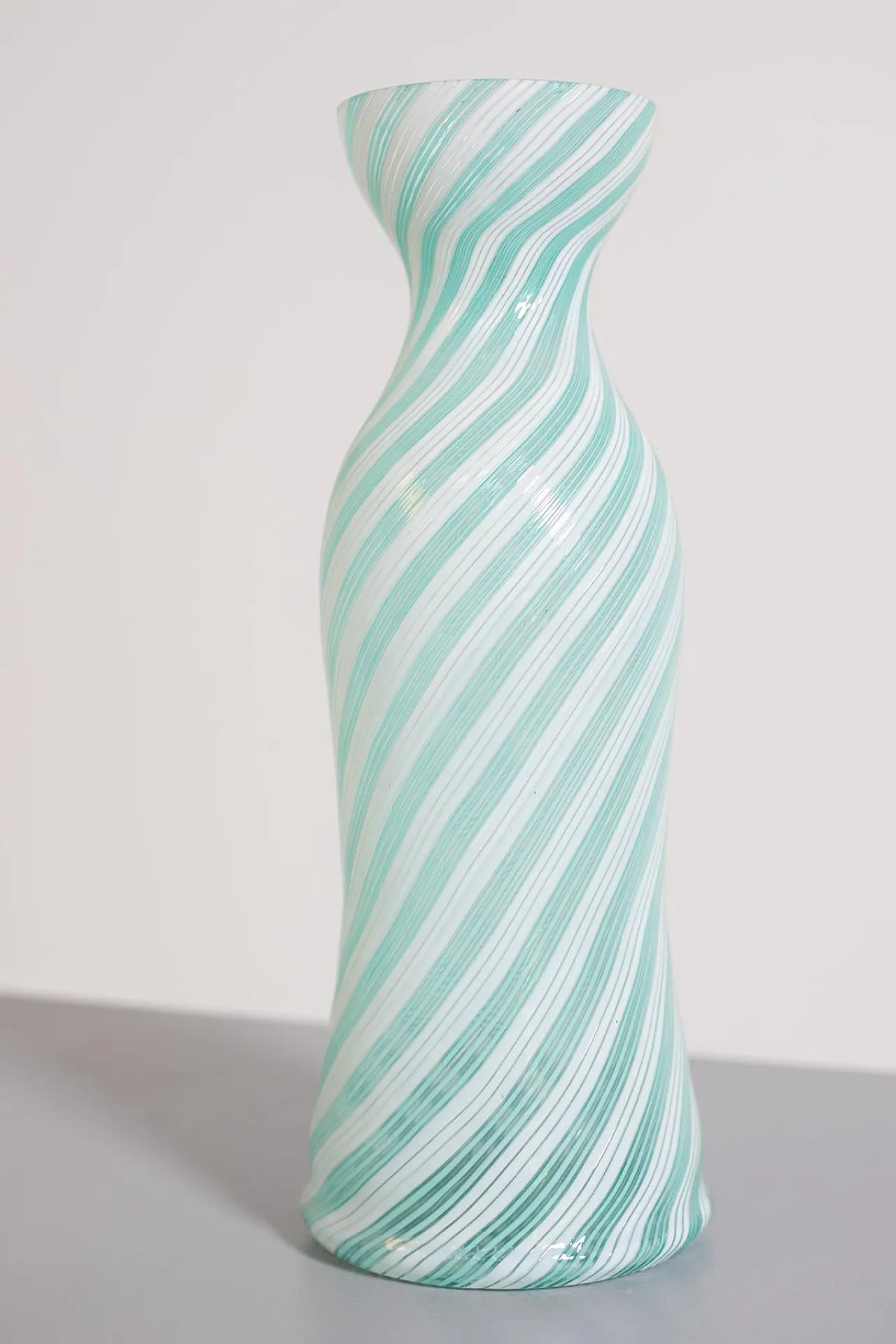
Other important Murano glassworks include the Aureliano Toso glassworks, which appointed the painter Dino Martens as artistic director in 1938. His contribution to the island’s glass production was characterized by works with polychrome effects of striking and atypical originality. Using traditional techniques, he managed to obtain particularly bold asymmetrical shapes. He is best known for the ‘Eldorado’ series, defined by perforated pieces with polychrome stains (first exhibited at the 1959 Venice Biennale), as well as the ‘Oriente’ and ‘Zanfirici’ series.
Related: Floral Grace: The Art Glass of Émile Gallé
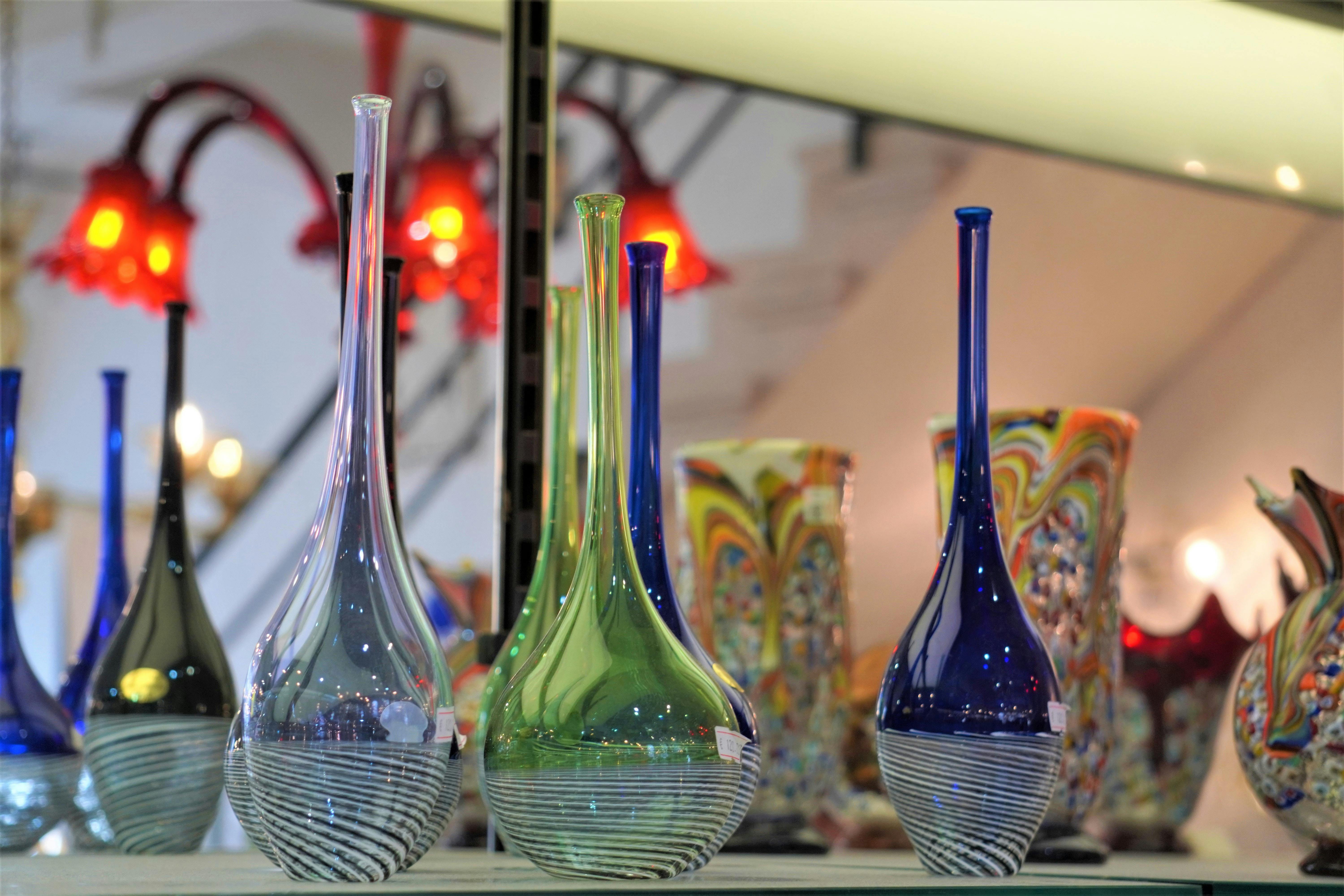
More than artisans, Murano glassmakers are true artists who have given birth to complex works laden with history. Even today, Murano glass is still made according to traditional craftsmanship, bearing witness to a centuries-old craft tradition.


