For classic car fans, RM Sotheby's auctions in Monterey, California are among the highlights of the year. This year, major sales were recorded, including James Bond's famous Aston Martin DB5, which broke the brand record at $6.3 million, and a 1994 McLaren F1 which sold for $19.8 million.
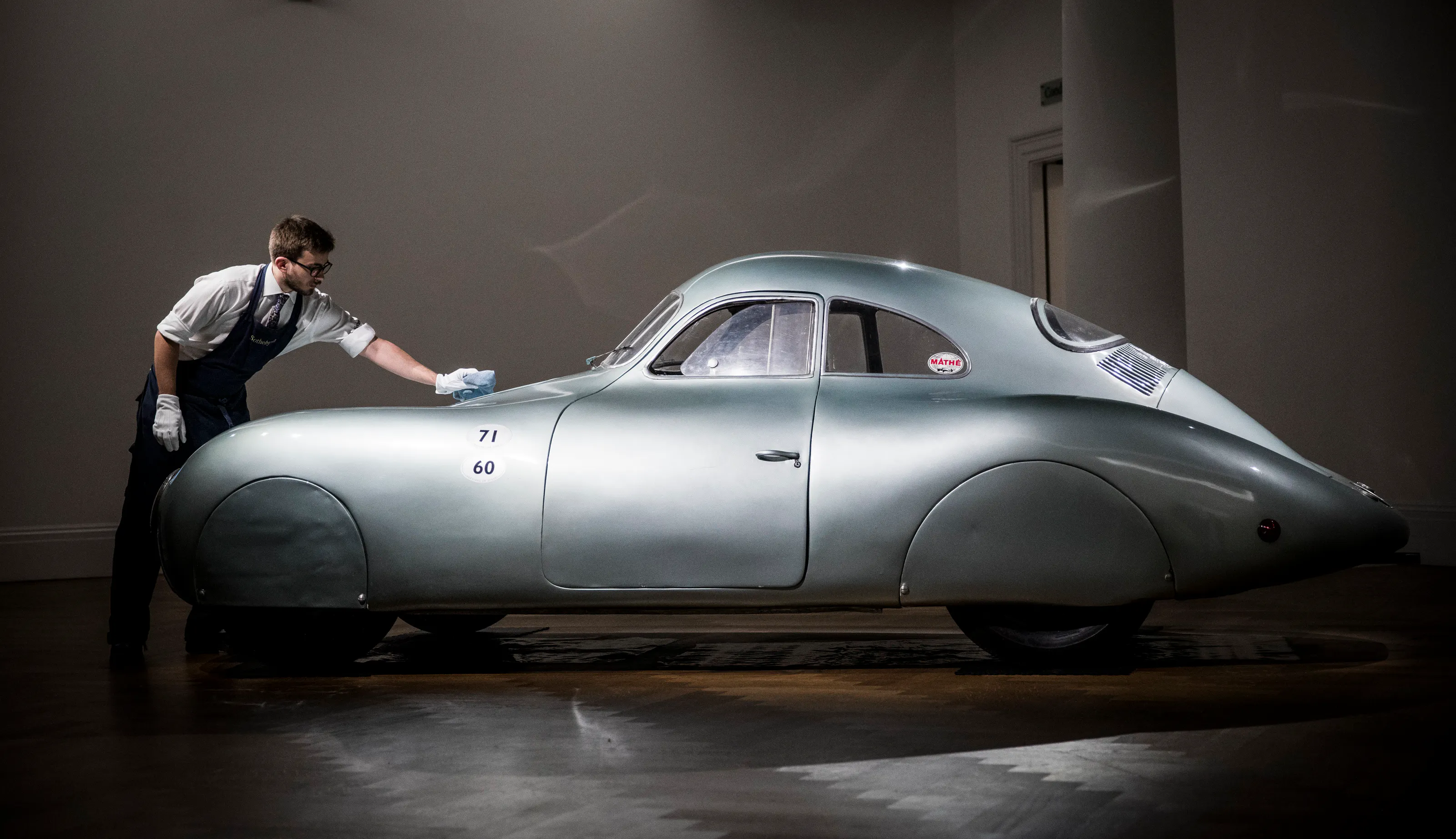
However, an auction miscommunication derailed the sale of a highly anticipated car, the original Porsche 64 dating from 1939. It was the first car designed by Ferdinand Porsche, which carries the famous Porsche logo.
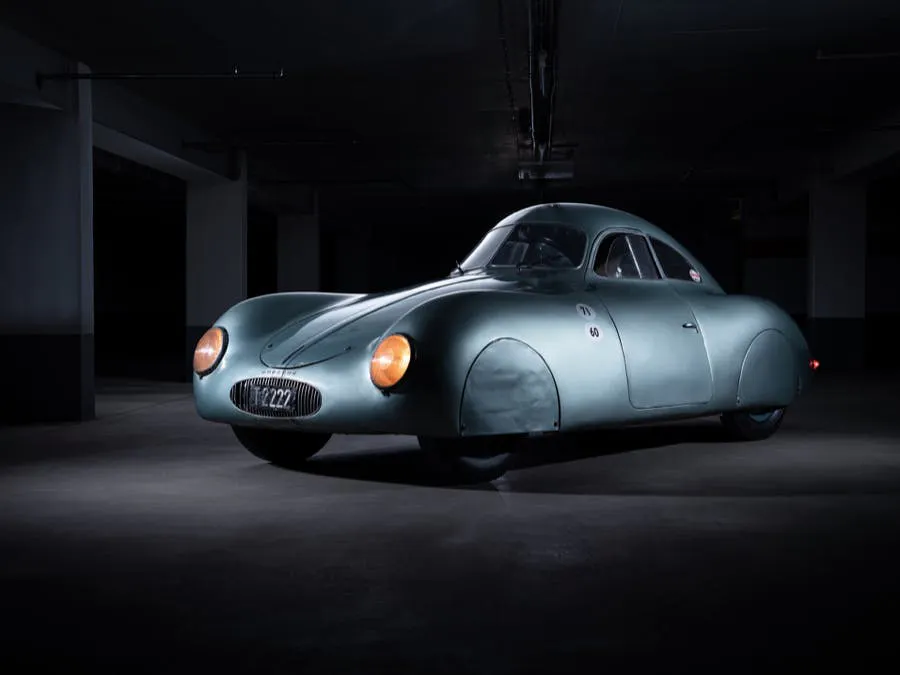
The car had caused a stir in the automotive world before the bidding started. The main question was whether it could actually be referred to as the first Porsche since most of the parts and the engine came from Volkswagen. The actual Porsche brand was founded nine years after its creation, making the Porsche 356 the first 'real' Porsche. Even the logo was added to the 1939 Porsche later, in 1948.
Related: Aston Martin: Luxury, Race and Velocity
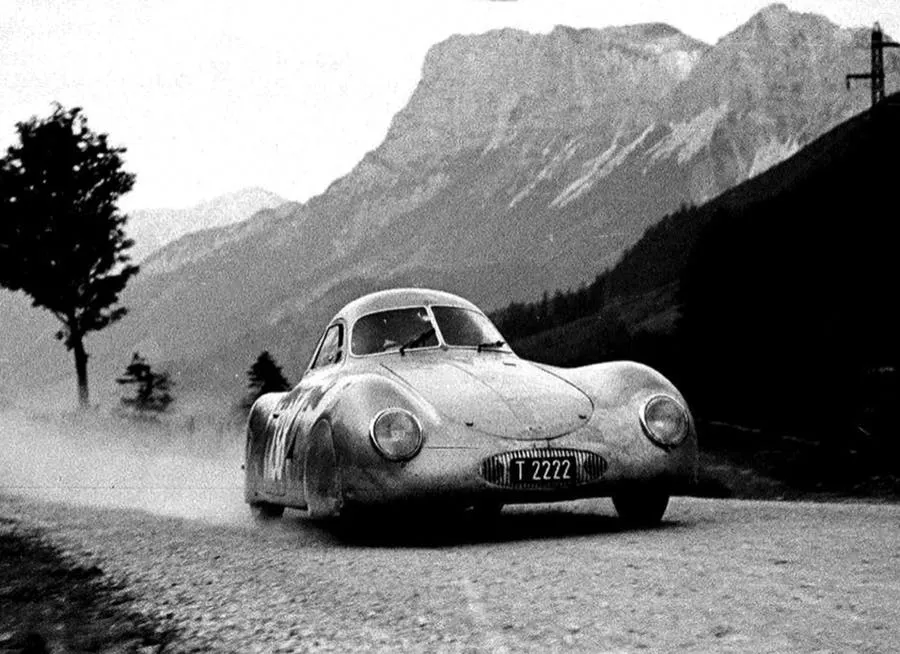
The car offered in Monterey is the last existing one of three that Ferdinand Porsche designed and built in 1939 for the planned Berlin-Rome race, a Nazi-era propaganda rally to signify the alliance of Germany and Italy. The outbreak of World War II, however, prevented the race. The car was instead used by Ferdinand Porsche and his son Ferry as a private car and then was sold to Austrian racing driver Otto Mathé in 1949, who owned it for nearly 50 years. Mathé raced the car at the Alpine Rally in 1950, winning first place.
The current owner, who acquired it in 2008, expected to receive at least $20 million for the 'original Porsche', but the auction quickly devolved into confusion and ended in disaster.
Related: 10 Most Expensive Classic Cars Ever Sold at Auction
On August 16 at the RM Sotheby's auction, the Porsche was announced and driven into the auction hall with applause. Bidding started at $13 million, but due to difficulty in understanding the auctioneer's Dutch accent, $30 million appeared on the scoreboard.
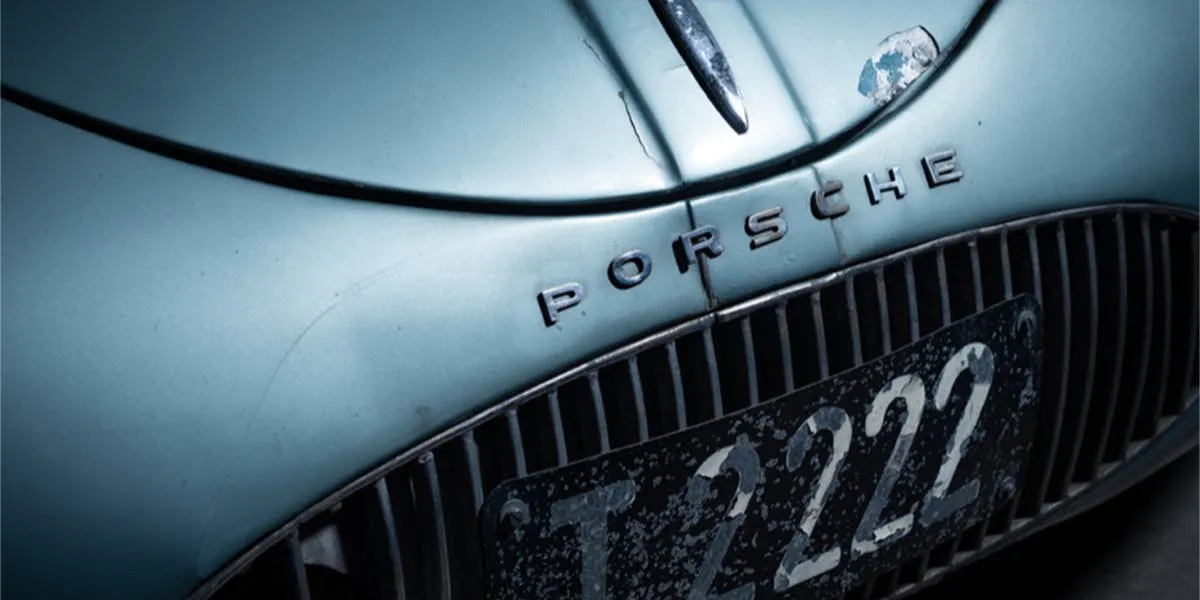
First laughter spread, even as bids rose to $70 million in $10 million increments. Only then did the auctioneer notice the error and correct himself down to $17 million, which then appeared on the scoreboard. The audience quickly became annoyed, thinking it was a publicity stunt. A few potential bidders left the room and bidding ended, leaving the car unsold since the $20 million reserve had not been reached.
What happened? Some think it was human error, others believe it was a failed psychological trick that was supposed to boost bidding. The auctioneer himself stated afterwards that he had possibly spoken indistinctly. Regardless, RM Sotheby's said in a statement, “We will continue making every effort to sell the car”.