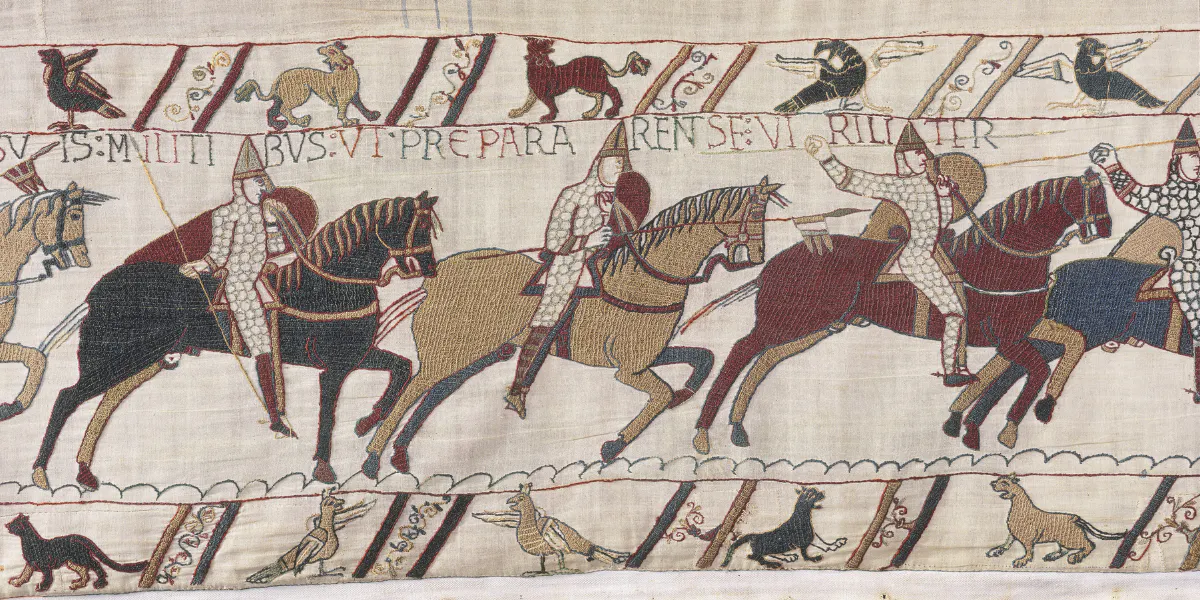
At the beginning of the 20th century, comics were not stand-alone publications, but were found in newspapers and in weekly or monthly magazines as narrative episodes. Comics were also featured in children's magazines.
In the 1920s, after the end of World War I, French artist Alain Saint-Ogan entered the industry, creating the successful series Zig et Puce. Saint-Ogan was one of the first French-speaking artists to use techniques popularized and formalized in the United States, such as speech balloons. French-speaking comics as we know them today, and which are distinct from American comics, were thus born…
Here are 10 masterpieces of Franco-Belgian comics to collect:
1. The Adventures of Tintin
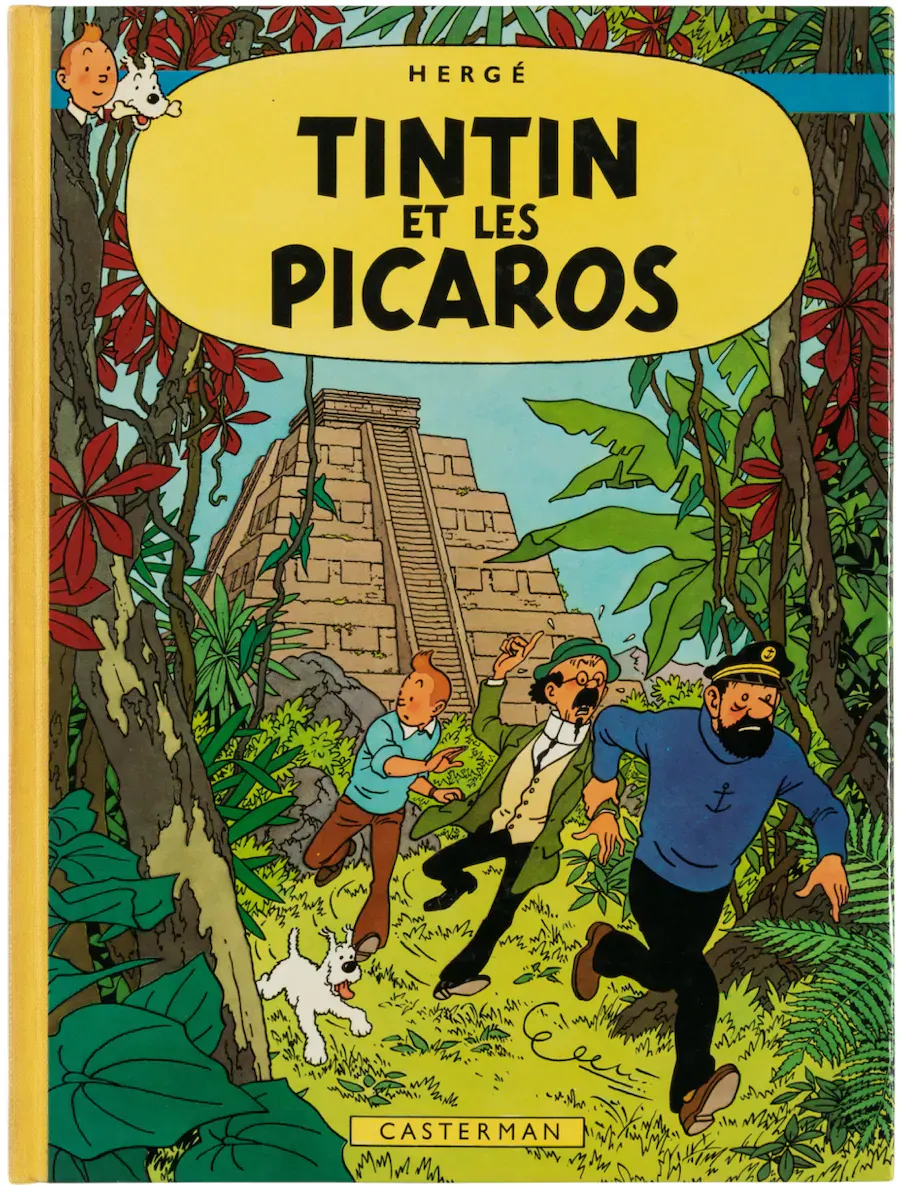
The character of Tintin was born in January 1929 when artist Hergé was drawing for several magazines. Tintin is a fusion of several characters that the designer had previously created, but with whom he was not satisfied. The Adventures of Tintin illustrate the life of a young journalist who travels around the world (and even the moon), with his dog Snowy and his companion, Captain Haddock, to solve different mysteries and crimes.
Related: A Tintin Drawing Sets a Record for Comics
After the first volume entitled Tintin in the Land of the Soviets, Tintin quickly became a globe-trotting figure and the following volume takes him to the Congo. Despite its popularity, the series is sometimes problematic, because it is full of clichés, which Hergé later regretted. The comic still enjoys great success and is certainly one of the best-known Belgian comics today, with 24 complete volumes to collect! Some volumes fetch high prices at auction, with a Tintin drawing selling for $3.1 million in 2021, making it the most expensive comic book art.
2. Asterix

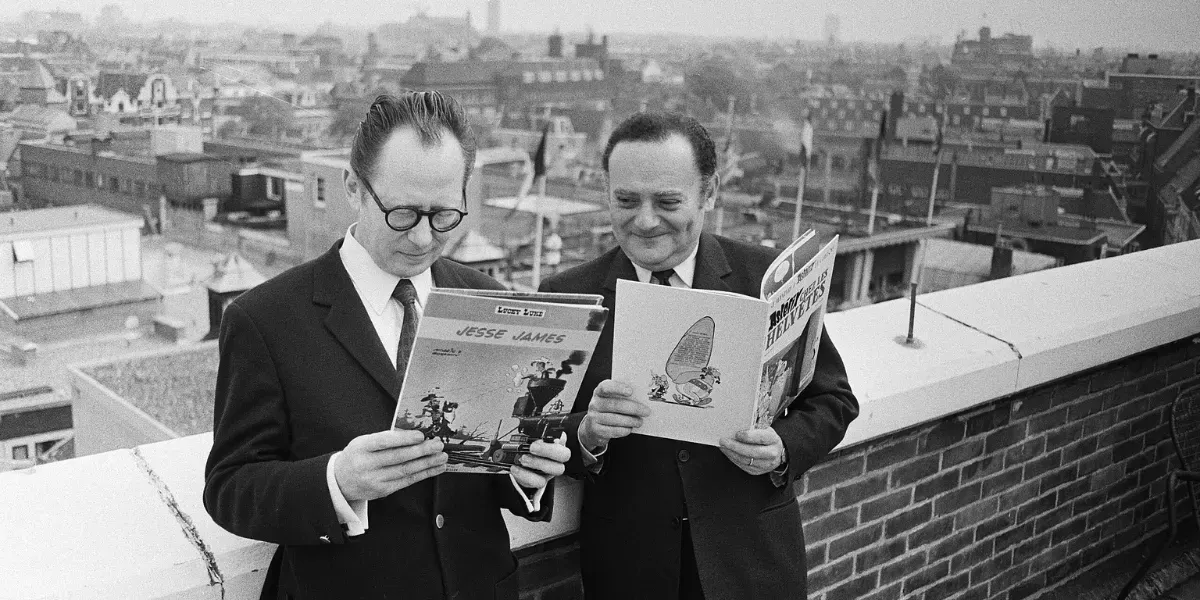
Asterix is one of the most popular French language comics in the world. The story follows a village of Gauls who fight to prevent the invasion of their territory by the Romans. Asterix, initially titled Astérix the Gaul, was first published on October 29, 1959 in the first issue of the French newspaper Pilot , thanks to the collaboration between the screenwriter René Goscinny and the designer Albert Uderzo. Following the death of René Goscinny in 1977, Albert Uderzo continued the creation of the series alone until 2013, the year when he passed the torch to Jean-Yves Ferri and Didier Conrad. In 2023, the series will maintain Didier Conrad as designer, but the scenario will now be handled by French comic book writer Fabcaro. To date, the series has 40 volumes.
3. Bécassine
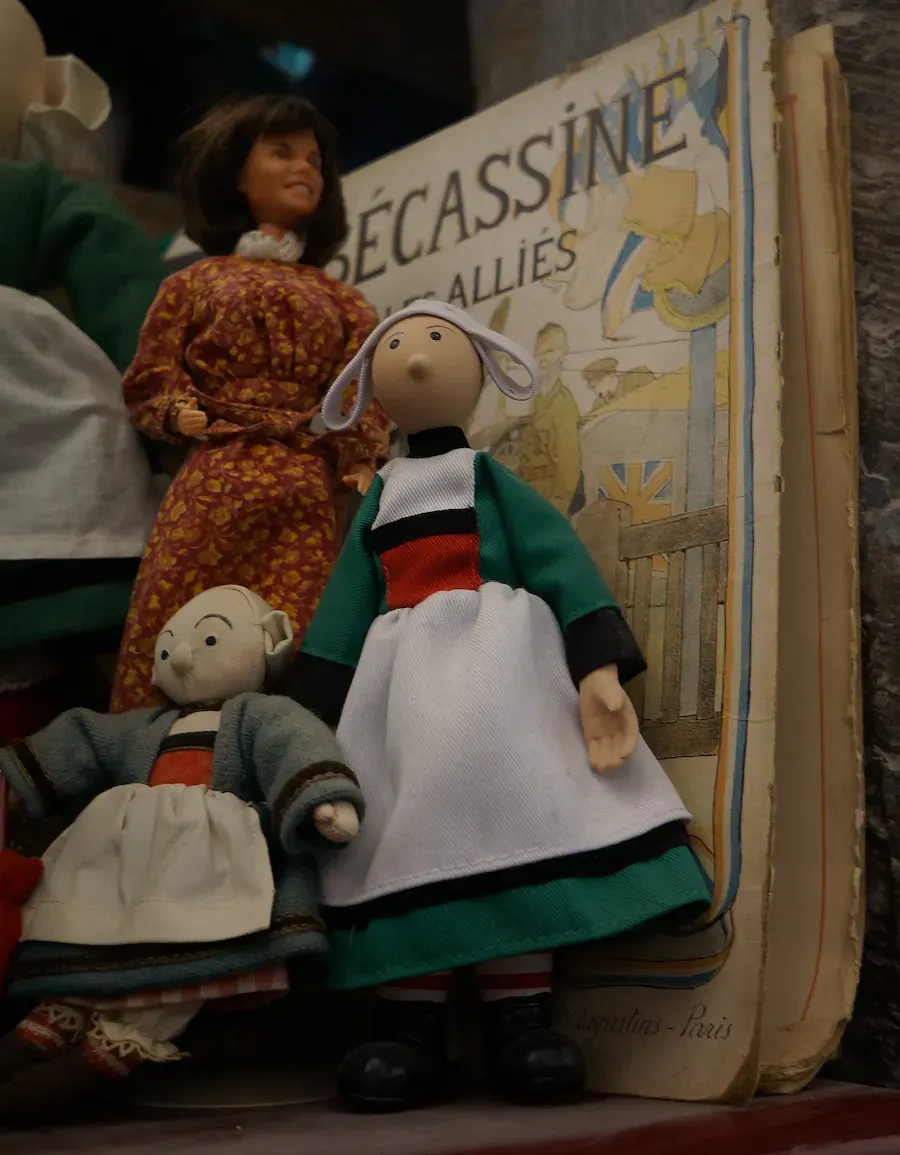
Bécassine was created by screenwriter Jacqueline Rivière and designer Émile-Joseph-Porphyre Pinchon. She made her first appearance in the inaugural issue of La Semaine de Suzette, a weekly for young girls, on February 2, 1905. The choice of the name "Bécassine" was inspired by the term "bêtise", derived from "woodcock", to evoke a naive young girl. Between 1913 and 1952, several adventures of Bécassine were published, mainly illustrated by Pinchon and scripted by Maurice Languereau until his death in 1941. The birth of Bécassine marks a milestone in the history of modern comics, symbolizing the transition between illustrated stories and authentic comics. Pinchon's drawing style, characterized by round, lively and modern strokes, inspired an aesthetic known as ligne claire, which would be used in the Tintin series 25 years later. First represented as a young girl from Picardy, as the bourgeoisie of the time imagined her, she became Breton in 1913, more precisely Finesterian. Bécassine, apart from the cliché of the provincial, is in fact an adventurous and pioneering character in many fields.
4. Spirou & Fantasio
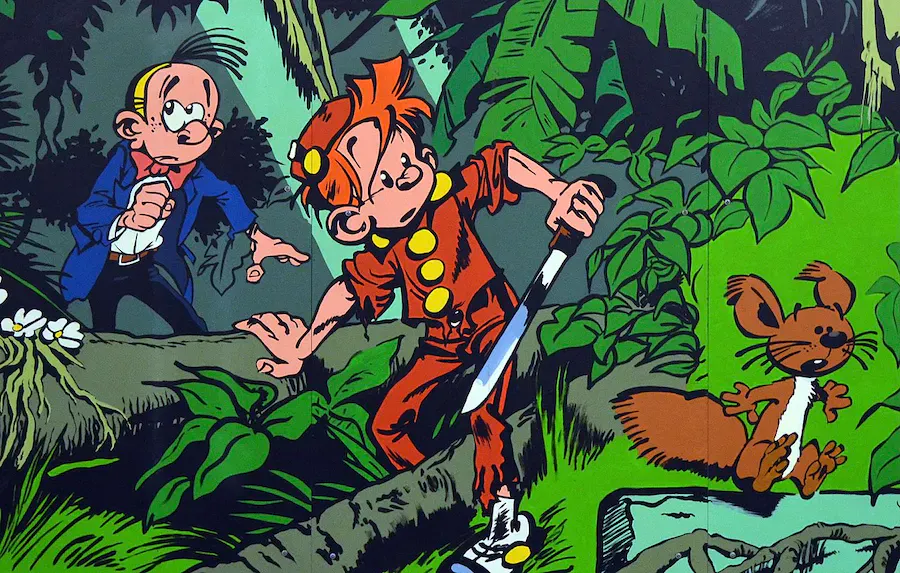
The comic strip Spirou & Fantasio saw the light of day in the pages of the Journal de Spirou in 1938. Over the years, the series has established itself as one of the most popular Franco-Belgian comics, alongside masterpieces such as Asterix and Tintin. Featuring the intrepid reporters Spirou and Fantasio, accompanied by the tame squirrel Spip and, from the fourth album, the legendary Marsupilami, the series takes them on adventures where humor mixes with science fiction and fantasy.
Related: Dillon Boy: A Childhood Dream Come True
The characters belong to the publishing house, so, over time, different authors have been hired by the publisher to continue their adventures, among whom the most famous are André Franquin and the duo Tome and Janry. The popularity of the character of Spirou, who gave his name to the original magazine, as well as that of certain secondary characters, led to the creation of spin-off series, the success of which sometimes exceeded the initial series.
5. Gaston
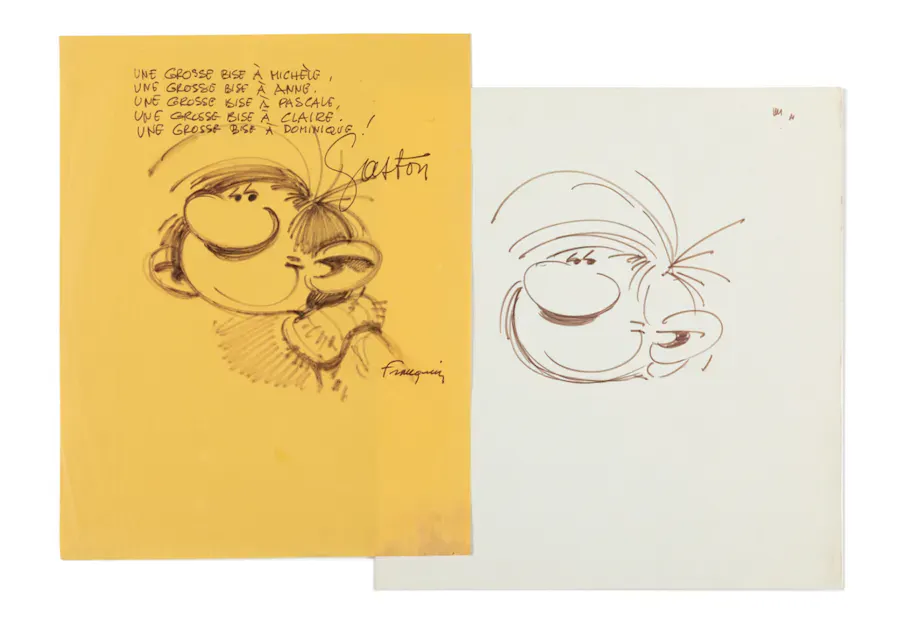
Gaston is a humorous Franco-Belgian comic strip series drawn by André Franquin, which began in February 1957. The story revolves around Gaston Lagaffe, a rather lazy office worker working at the Journal de Spirou. Every week, this colorful character commits a multitude of blunders. These blunders take varied forms, from explosions to contract sabotage to shaky machine inventions that lead to disasters.
Related: Caricature in the 19th Century: The Art of French Criticism
6. Lucky Luke
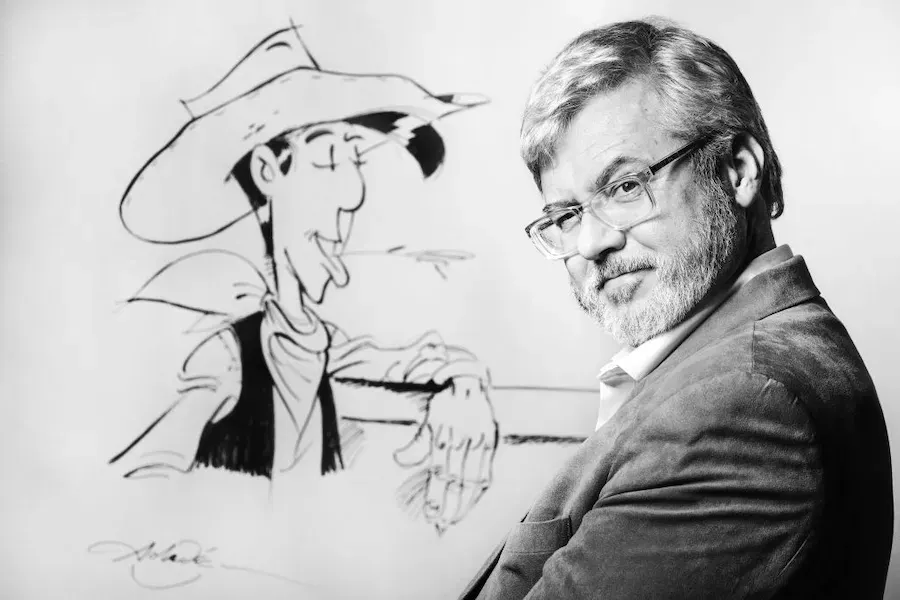
Lucky Luke is a Belgian comic strip series, created by the designer Morris in a special issue of Journal de Spirou published in 1946. Morris then collaborated with several screenwriters, among whom the most famous was René Goscinny.
The series features Lucky Luke, a lone cowboy from the Wild West famous for being "the man who shoots faster than his shadow." He is accompanied by his horse Jolly Jumper and, from time to time, the dog Rantanplan. During his adventures, Lucky Luke works to restore justice in the Wild West by tracking down bandits. The work is peppered with humorous elements that parody Western movie tropes.
As of 2021, the series has 80 albums. Each story has been published in various newspapers, from Spirou to Pilote and the French edition of Tintin, and even magazines such as Paris Match, illustrating its longevity and diversity.
7. Les Pieds Nickelés
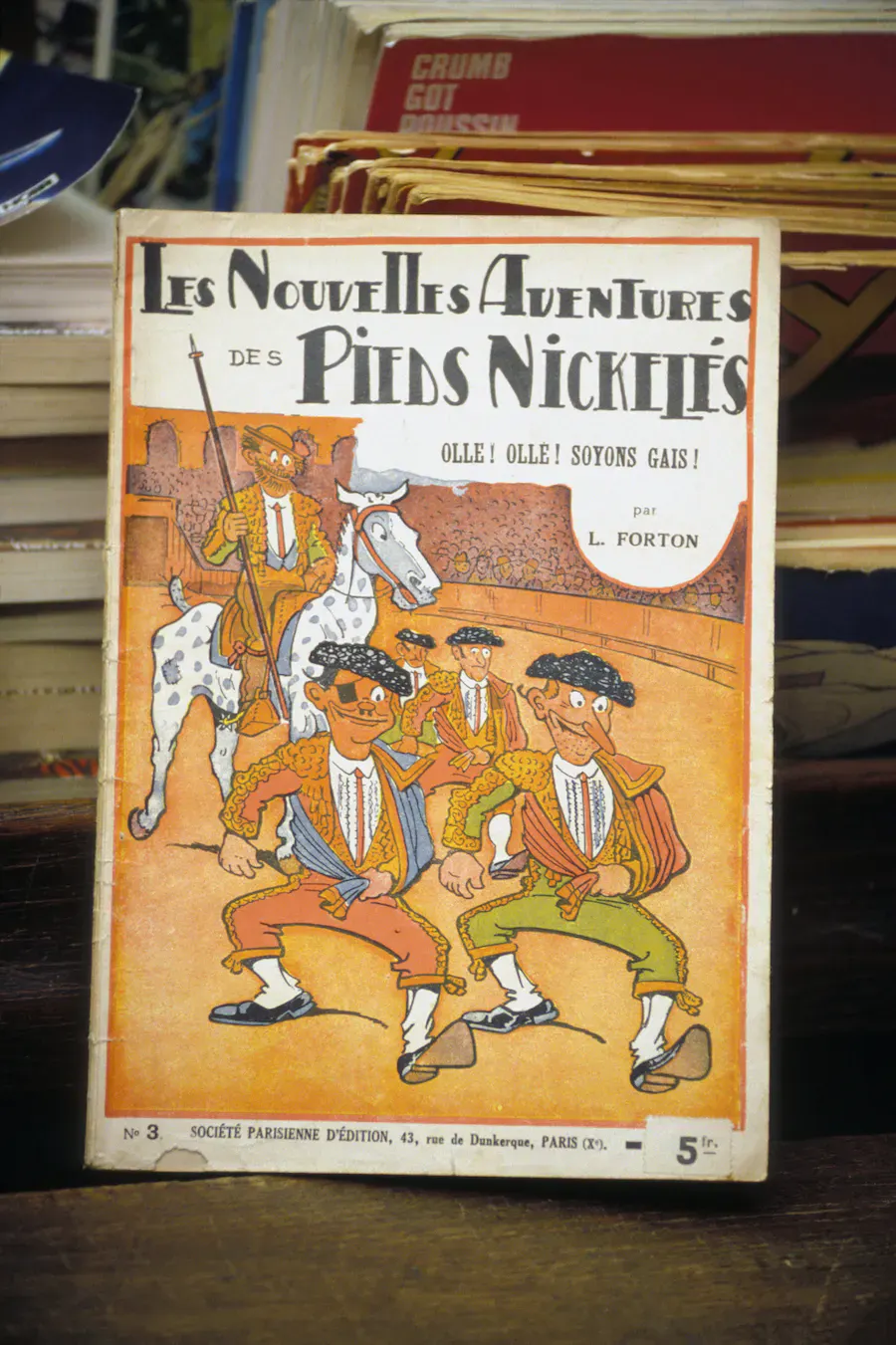
Les Pieds nickelés is a comic strip series created by Louis Forton, which first saw the light of day on June 4, 1908 in the magazine L'Épatant. The series holds the longevity record for a French comic strip, spanning 107 years (from 1908 to 2015).
The plot features three main protagonists, Croquignol, Filochard and Ribouldingue, three characters who play the roles of crooks. As the comic strip grew in popularity, Les Pieds Nickelés (translating to English as "The nickel-plated feet") became more daring, involving themselves in meetings with notable figures of their time, including the President of the Republic, the King of England and the Kaiser.
Related: The Explosion of The Manga Market
Louis Forton drew Les Pieds nickelés until his death in 1934, after which the series was taken up successively by Aristide Perré and Albert Badert. It was only with the takeover by Pellos in 1948 that Les Pieds nickelés returned to success. The various successive authors of the series explain the physical changes and the evolution of the characters throughout the comics.
8. The Smurfs
The Smurfs is a Belgian comic book series that probably needs no introduction. Created by Peyo in 1958, the first sixteen albums were published by the author himself, and since his death on December 24, 1992, his son Thierry Culliford has been in charge of the publication of the new albums. All the albums reveal the daily life of the Smurfs in their village, nestled in the heart of an imaginary forest in Europe. They face the challenges of the sorcerer Gargamel and his cat Azraël, while regularly going on thrilling adventures. In 2013, worldwide sales of The Smurfs amounted to 25 million albums, accompanied by 300 million figurines, 40 million records and CDs, as well as 8 million DVDs.
9. Le Chat
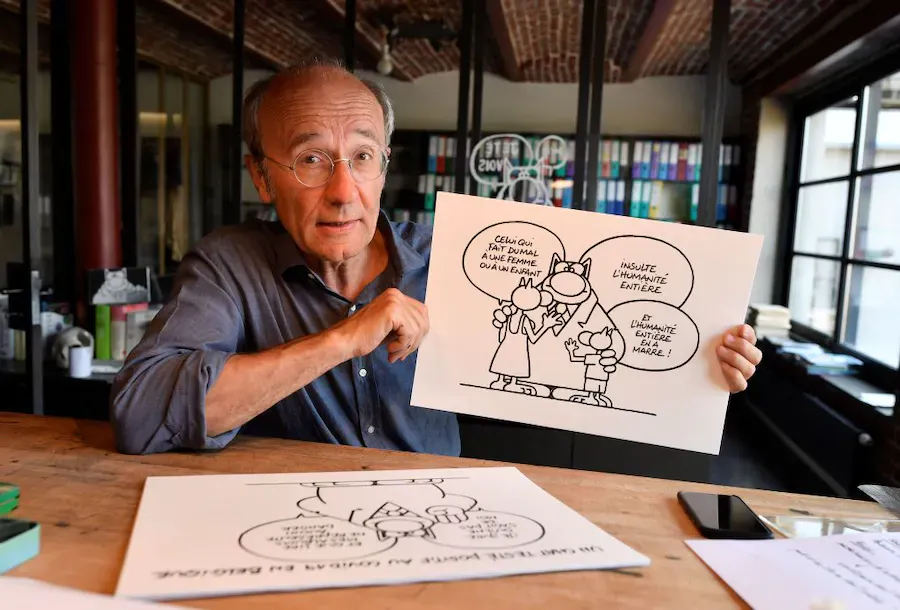
Le Chat is a series of humorous press drawings and comic strips imagined by Philippe Geluck, launched on March 22, 1983 in a supplement to the Belgian newspaper Le Soir. Since its debut, 24 albums and six best-ofs have been published.
Listen: Podcast Ep #43: Superhero Spotlight: The Comic Book Market
This atypical character is an anti-hero represented in the form of a gray cat, with a prominent nose and an often indistinguishable mouth. In one of the plates, the cat is revealed to have the name Jean-Claude. Endowed with anthropomorphic attributes, he adopts a bipedal posture, dresses like a human being and adopts typically human behaviors, such as frequenting a bistro or driving a car. As Geluck's alter ego, Le Chat frequently expresses political positions, reflecting his creator's beliefs and opinions.
10. Blake and Mortimer
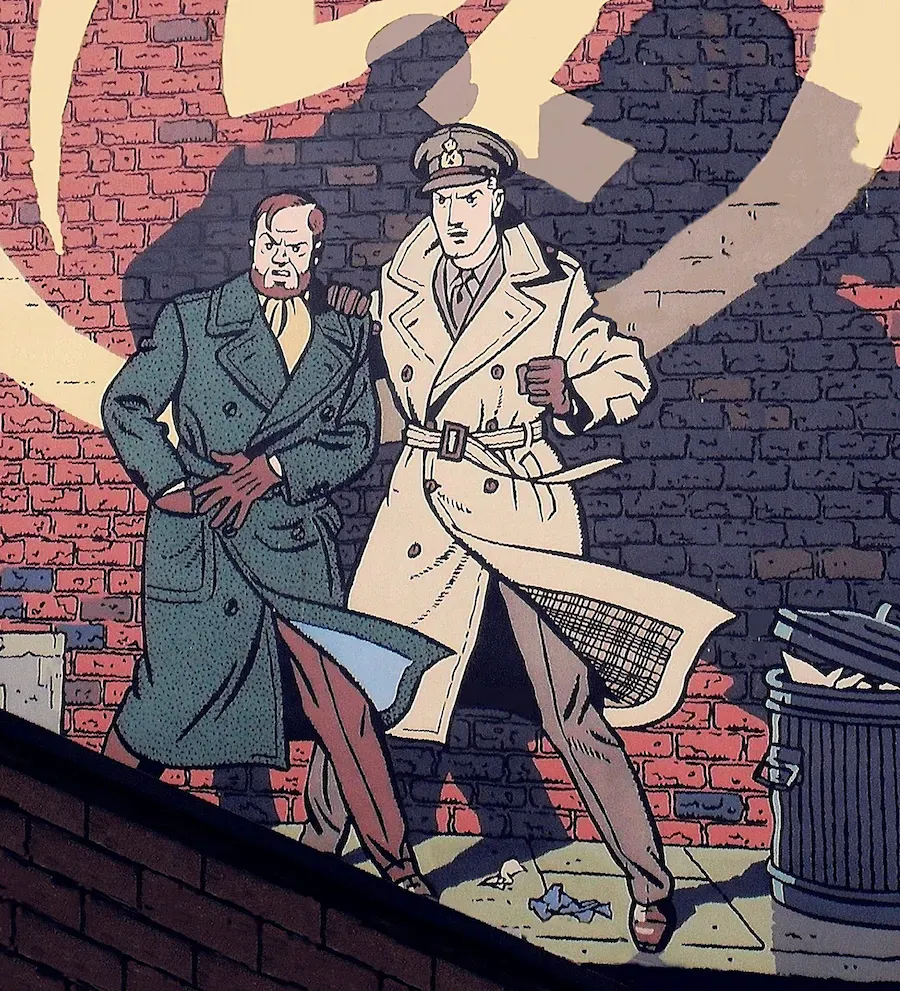
Blake and Mortimer is a comic strip series designed by Belgian cartoonist Edgar P. Jacobs in 1946. For many years, it was published in Tintin, where it was among the most popular series, alongside other titles such as The Adventures of Tintin.
This comic strip relates the adventures of Captain Francis Black, a former Royal Air Force pilot who became director of MI5, the British counter-espionage service, and his friend Professor Philip Mortimer. The two protagonists regularly find themselves facing their sworn adversary, Colonel Olrik. From the first albums, the adventures of Blake and Mortimer are steeped in science fiction.
Want to receive articles like this straight to your inbox? Subscribe to our newsletter!
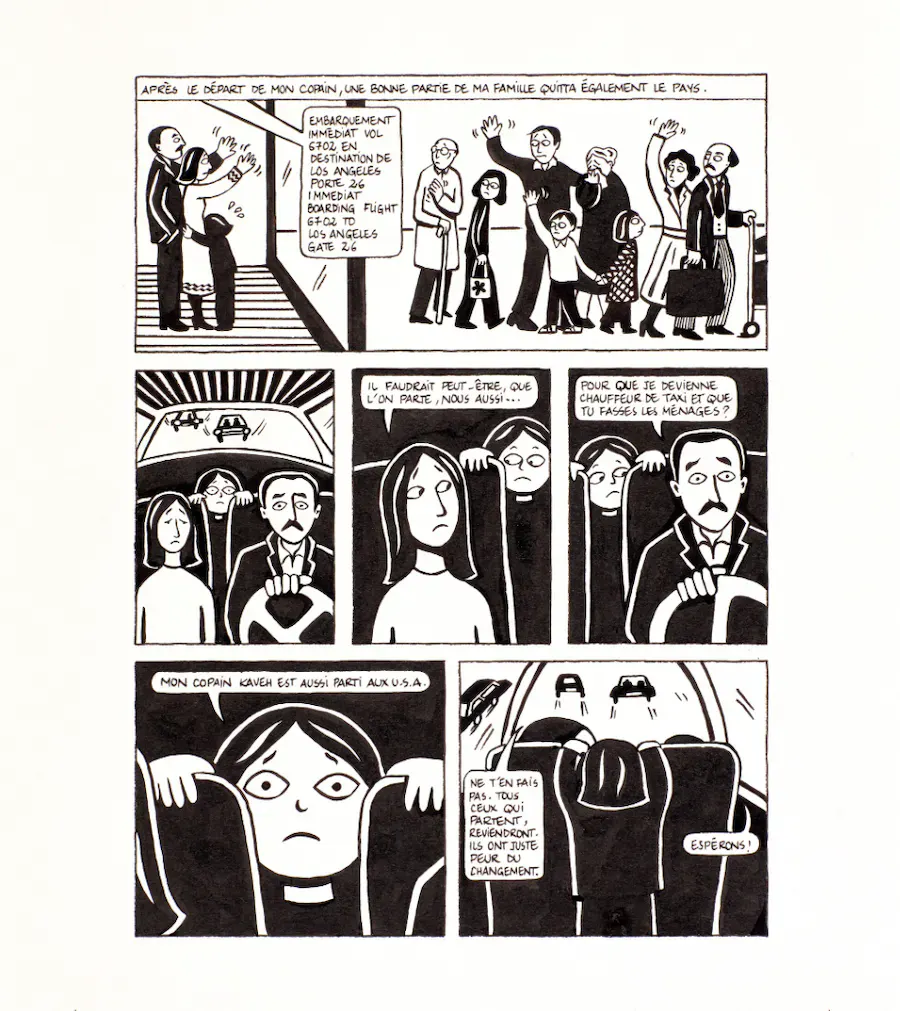
The comics market is constantly growing, with a large and diverse audience, attracting nearly eight million readers in France. The profiles of buyers are varied, with a balanced distribution: 50% of comic book buyers are over 40 years old, 52% are women... In other words, the community of comic book lovers represents a rather heterogeneous population.
Related: A New Record for a Black and White Tintin Drawing
Contemporary comics are every bit as good as those of the past, and some of them are destined to become collectible classics. Works like Persepolis by Marjane Satrapi, The Arab of the Future by Riad Sattouf or the works of Pénélope Bagieu illustrate the richness and diversity of modern comics in France.