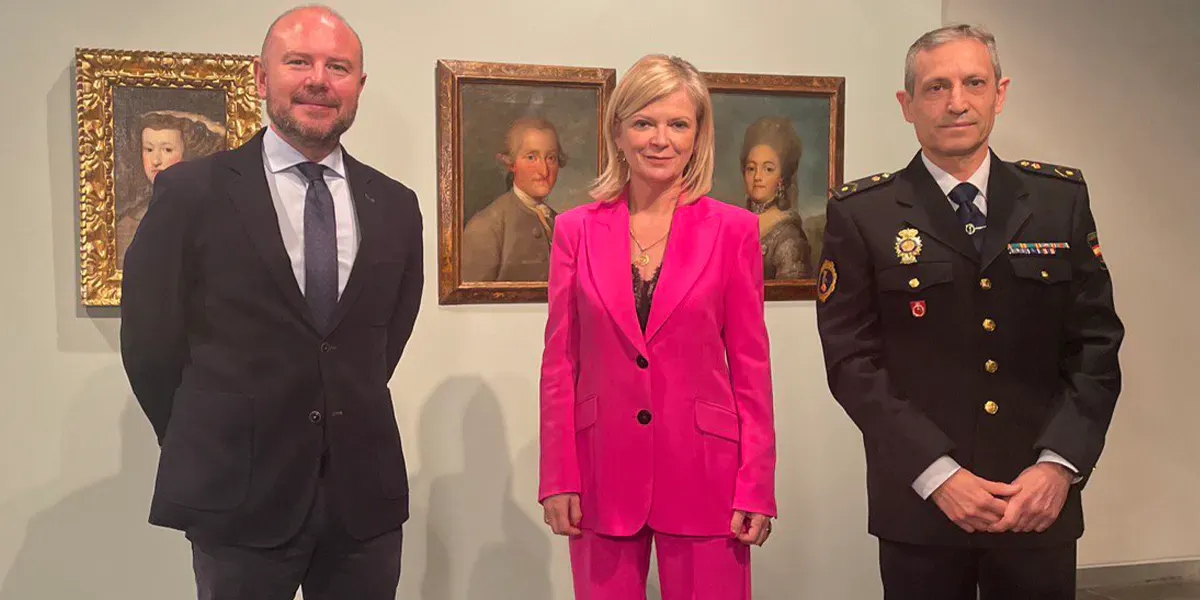
At the beginning of this year, the Historical Heritage Group of the Generalitat Police in Valencia, Spain targeted a group of people suspected of a large-scale art fraud.
Now, five paintings have been secured in Valencia, four of which are said to be by Francisco de Goya (1746-1828) and another by Diego Velázquez (1599-1660), announced Gabriela Bravo, Minister of Justice, Interior and Public Administration, in a press conference on April 11. Four suspects have been questioned about the case but have not yet been arrested, CNN reports.
Related: The 5 Most Notorious Art Forgers
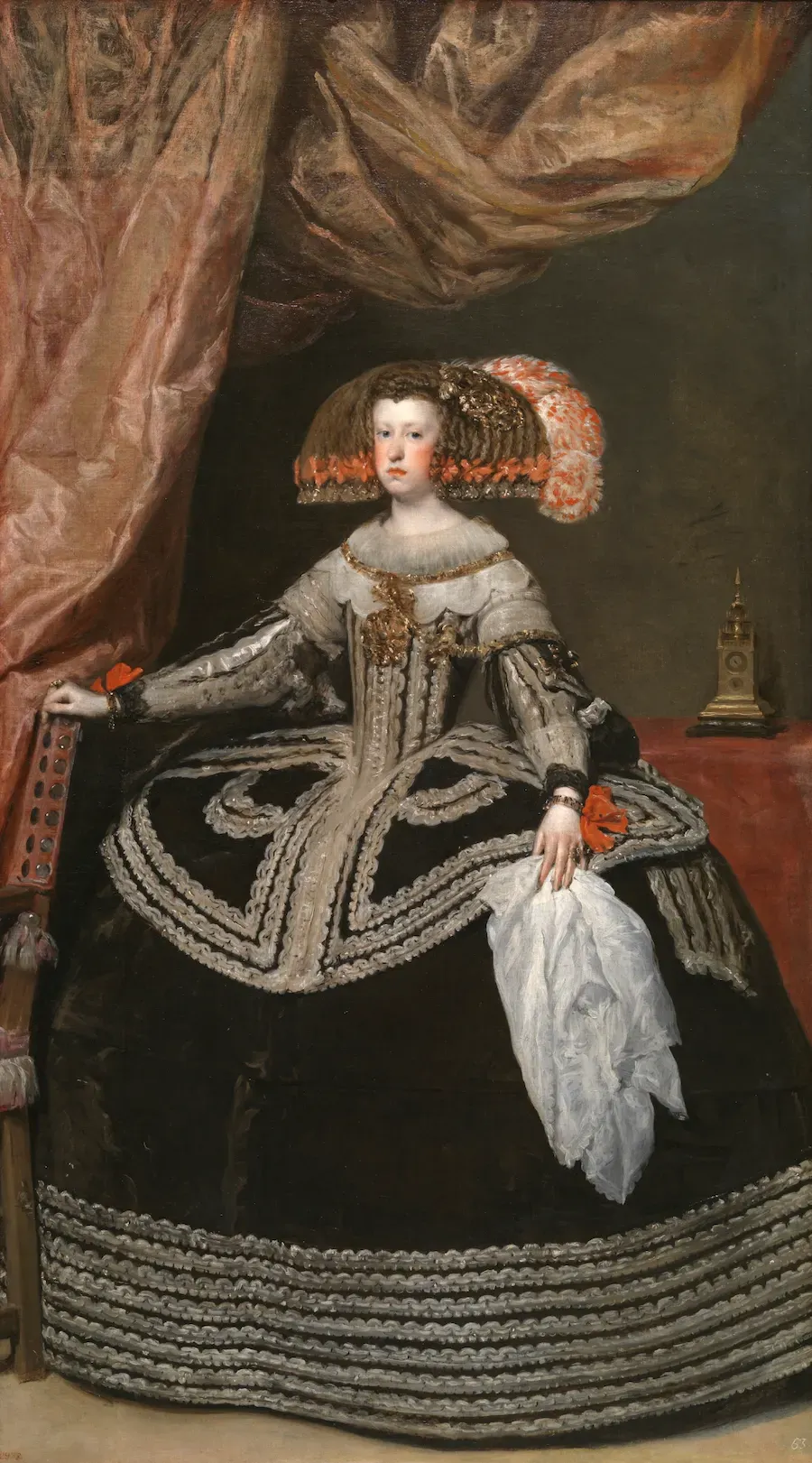
The suspects, who also offered the counterfeit paintings with counterfeit papers and certificates, wanted to sell the trove for €76 million ($84 million). The bulk of that sum, €50 million, was for the fake Velázquez, a copy of his famous portrait of Spanish Queen Mariana of Austria (1634-1696), which is on display at the Museo del Prado in Madrid.
Related: Diego Velázquez: The Portraitist of the Spanish Court
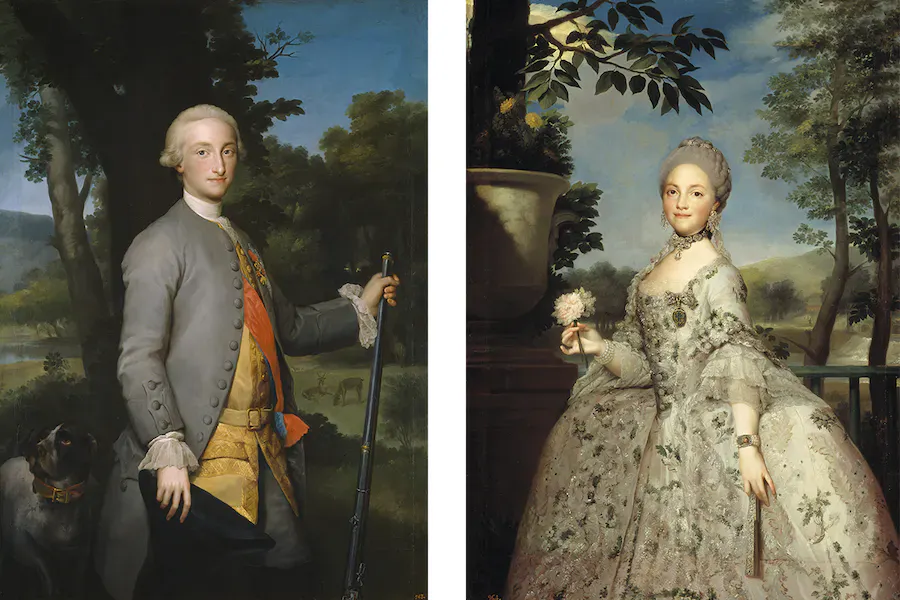
Two other portraits, said to have been painted by Goya and each offered for €7 million, show the Prince and Princess of Asturias, later King Charles IV (1748-1819) and Queen Maria Luisa (1751-1819) of Spain. In fact, these are slightly altered copies of two works by Anton Raphael Mengs (1728-1779), which also belong to the Prado collection.
Related: The 7 Most Expensive Works by Francisco Goya
Furthermore, two other alleged Goya paintings, Allegory of the Pillar of Saragossa and Blessing of the Santa Rosa de Lima, were for sale for €4 million and €8 million, respectively. Experts who were called in were able to quickly identify the fakes, which were not particularly well painted.
Want to discover articles like this straight to your inbox? Then register today for our free newsletter!
"Art counterfeiting is a crime that generates little social concern in Spain and is one of the most illicit capital-generating crimes, right behind drugs, guns and prostitution," said Gabriela Bravo. "Besides the economic value, the most important thing is that this criminal practice favors a devaluation of our creators, in this case great painters of our history."