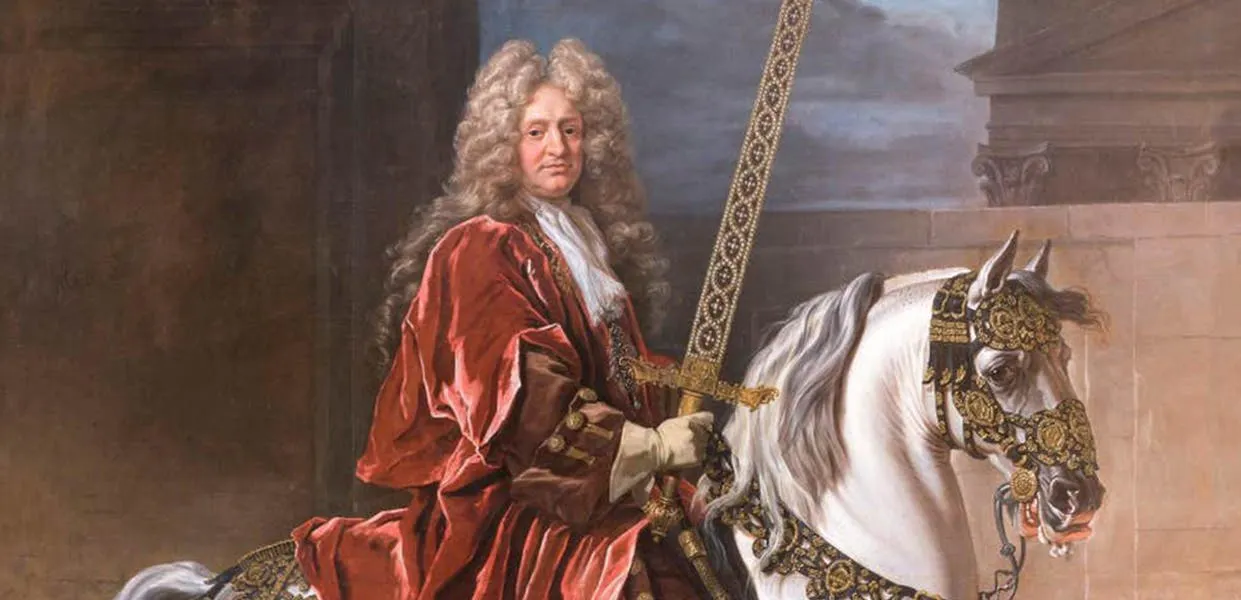
When it comes to the history of this monumental portrait, French royalty is now out of the game. Enthroned on his white horse with his insignia and his pearly sword, this figure is not – as historians have suggested for so long – Louis of France, son of Louis XIV King of France and Maria Anna Victoria of Bavaria, but rather a mayor of London in the late 17th century.
And how was such a mistake made? Well, perhaps because the British Baroque period is one of the most overlooked and neglected in the history of art in the country, as claimed by Tate Britain curators. The London museum has just opened its doors to a new exhibition on the subject, where this portrait takes centerpiece.
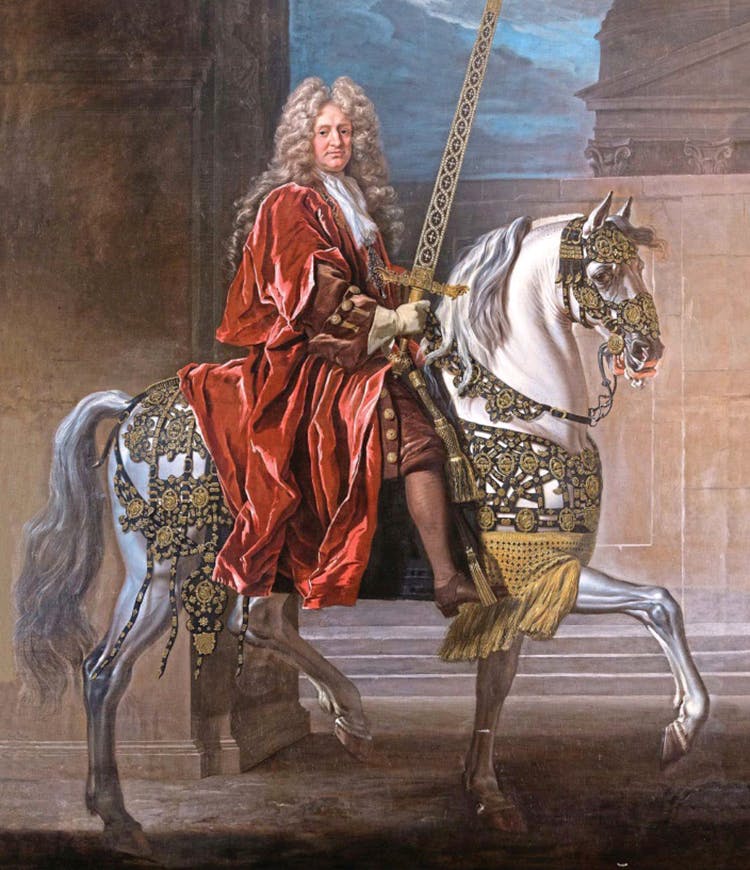
Kept in a discreet corridor until the research preceding the exhibition, the portrait revealed many more surprises than expected. Tabitha Barber, curator of British art 1550-1750, told The Guardian that the painting had been bought by the Banque de France in the 1920s because of its alleged relationship with the royal court.
See also: The Getty's Gauguin is a Fake
I’ve been working on this period for goodness knows how many decades and I’m still being surprised.
However, for Barber there is no longer any doubt that this figure was a mayor of London – and there are clues to this effect: the pearl-mounted sword, which is still used today; the background, which includes the Temple Bar and the dome of St. Paul's Cathedral in London; and finally the coat of arms on the horse's adornment.
See also: 5 Stolen Paintings Returned to a German Castle
“Of all the periods of art history this is the one people find the most difficult,” said Barber. “Mainly because there aren’t many British names to latch on to. So I think there is a great deal to be discovered about this period, still. I’ve been working on this period for goodness knows how many decades and I’m still being surprised.”
The portrait is by John Closterman, a Westphalian painter from the late 17th and early 18th centuries, who primarily painted European nobles and their families. For many years, Closterman and his brother John Baptist Closterman, also an artist, were confused in writings, which makes their identification and the clear recognition of their respective works difficult.
See also: The Rediscovered Stolen Klimt is Authenticated
In addition to Closterman's painting, this ambitious exhibition reserved many other surprises for the museum’s team, such as The Whig Junto (1710) by John James Baker, which is being exhibited for the very first time. Having lain unnoticed under layers of dirt in a country house, once cleaned up the work turned out to be the only known group portrait of a small clique of Whig party politicians. It is probably at the Earl of Orford’s Chippenham Park estate in Cambridgeshire.
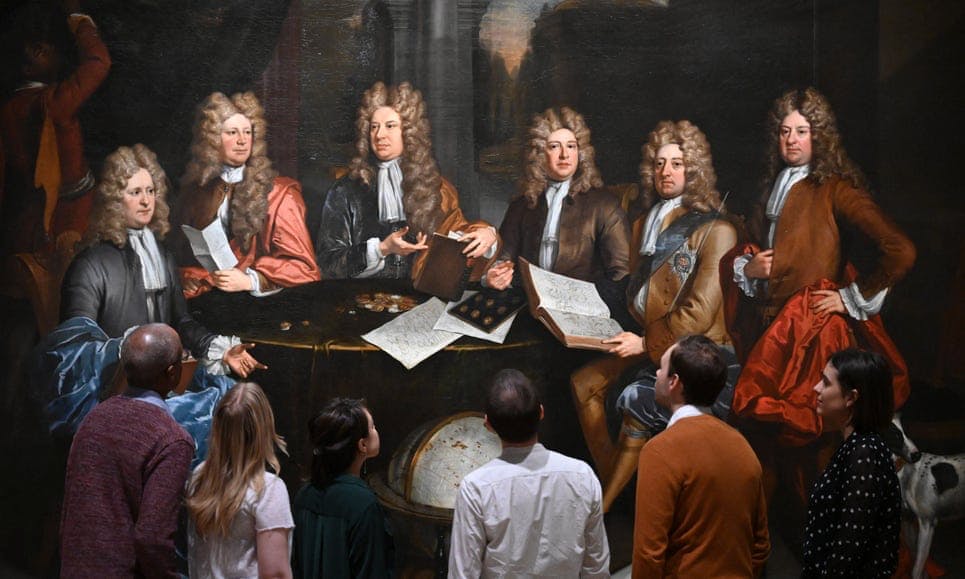
“They look as if they are connoisseurs, sitting round consulting antique medals and prints but I think it hides a message about policies to do with war… to continue war with France, rather than the Tory policy of wanting peace,” said Barber.
The exhibition, British Baroque: Power and Illusion, opened at Tate Britain on February 4, 2020 and is open to the public until April 19, 2020.