
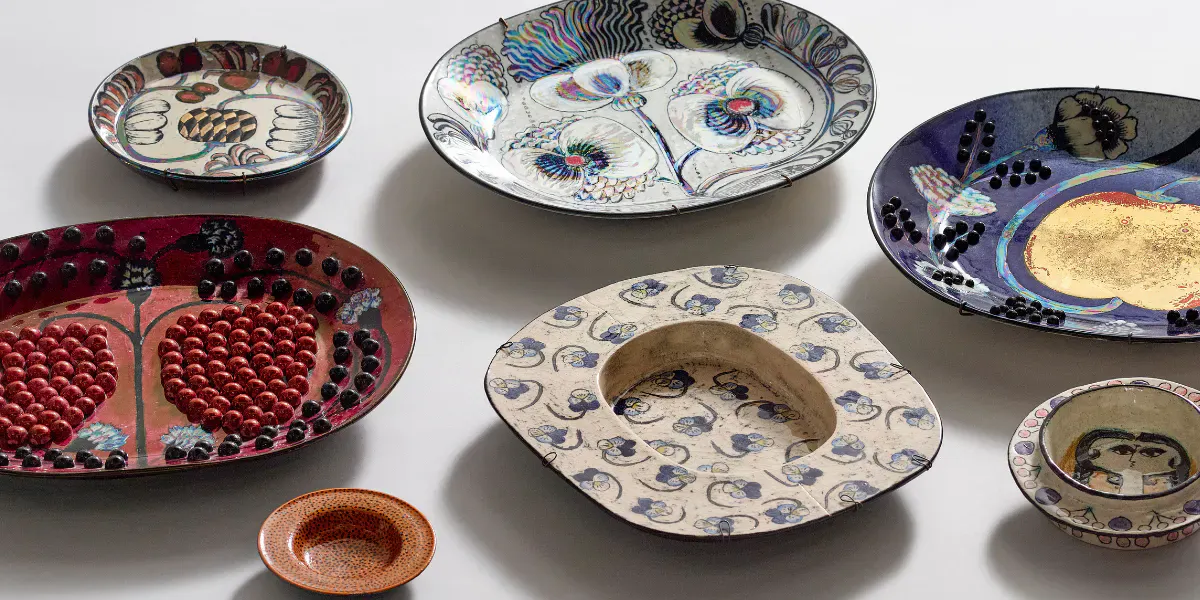
Great designers such as Alvar Aalto, Paavo Tynell and Tapio Wirkkala can be found in the catalog when Bukowskis invites you to the online auction Design Sale Helsinki on October 19-30. Among the highlights are also ceramics by Birger Kaipiainen and Toini Muona, as well as a work by Helene Schjerfbeck.
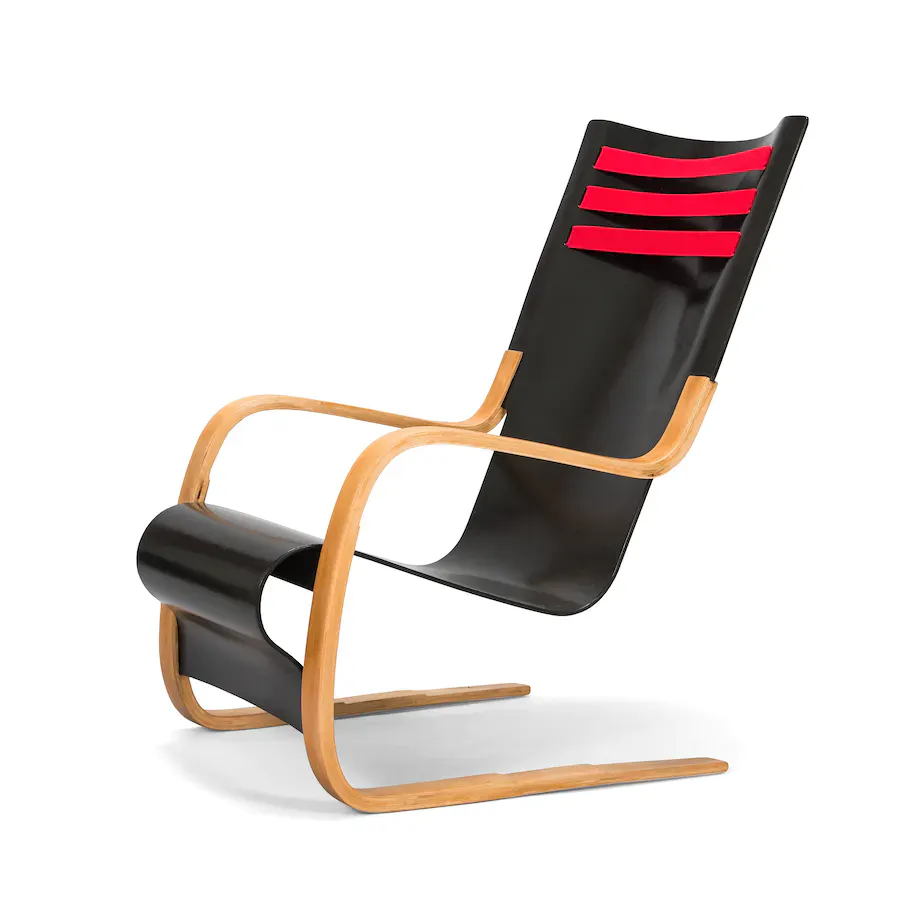
Alvar Aalto was one of Finland's most significant architects and his visions came to set the tone for international modernism in the first half of the 20th century. Influenced by both the Scandinavian functionalism and the so-called "International Style", he came to develop, with his wife Aino, a more romantic form of modern architecture inspired by Nordic nature. His designs put the human in focus and are characterized by undulating forms which were made possible by a technique he developed during the 1930s. By bending entire sheets of plywood, he opened up new possibilities in the art of furniture. The furniture, like this armchair that he created with this technique, exudes both elegance and lightness. It almost seems as if the chair is floating inside the frame. Many of the furniture he designed were made for mass production, but this particular armchair was only made in a small edition and is therefore particularly exceptional. Today, his designs are exhibited at MOMA in New York, the Centre Pompidou in Paris and the V&A in London, among others.
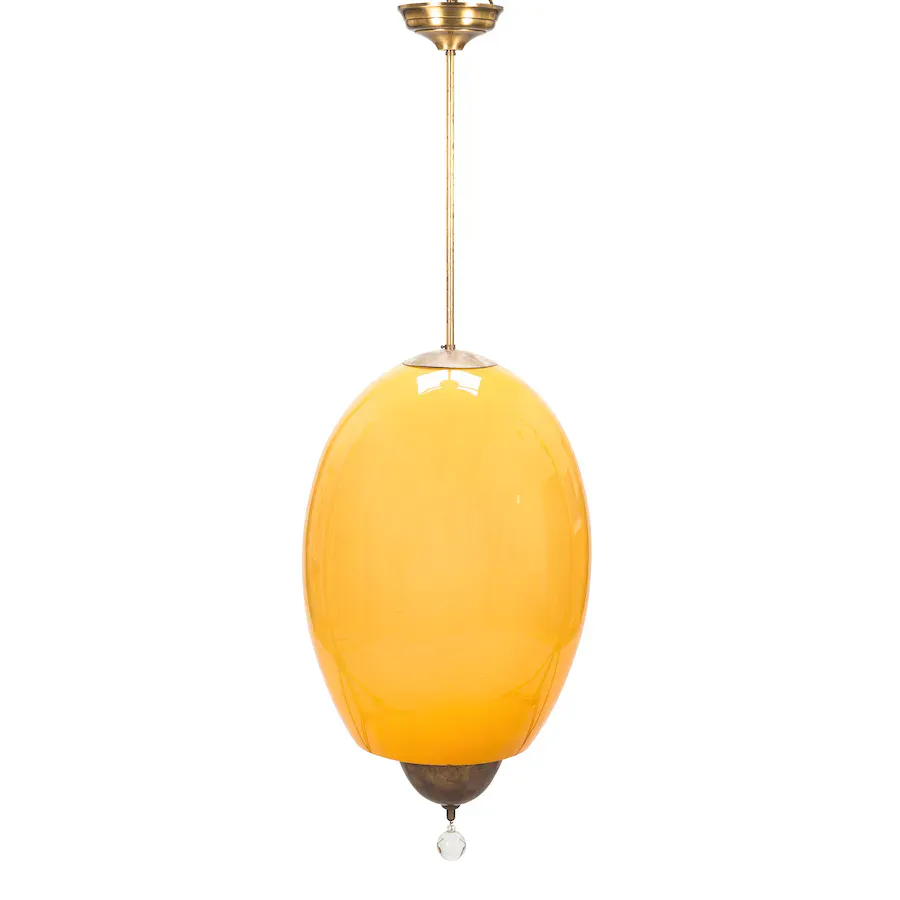
Paavo Tynell understood early on that a good career required mastery of both theory and practice. Therefore, he combined work as a sheet metal apprentice with studies at the prestigious Central School of Art (today's Aalto University) in Espoo. As a newly graduated metal artist, he founded the company Oy Taito AB in 1918, which specialized in lighting. Production was initially small-scale, but Tynell's business grew rapidly. The timing was perfect because Finland had just started to switch to electricity, and the demand for electric lighting was high. The design was initially traditional, but during the interwar period became increasingly bold. Tynell developed new models in glass and later came to prefer brass. He combined old-fashioned romanticism, in the form of flowers and organic forms, with the latest technology, making him a favorite among architects. Among other things, he collaborated with Alvar Aalto to make the lighting for Pemar's sanatorium and Viborg's library. This ceiling lamp was originally made for the fashionable Café Primula in Helsinki.
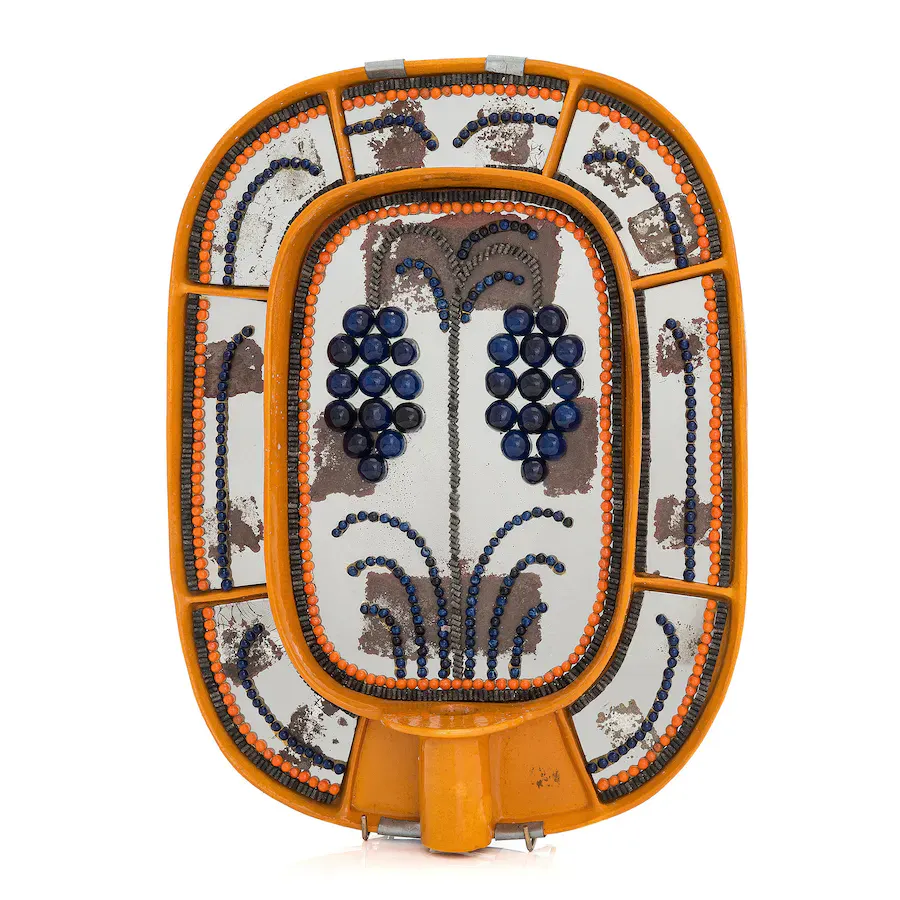
In 1937, Birger Kaipiainen was employed as a designer at Arabia, where he early found his own visual language, characterized by beautiful colors and surreal patterns. During this time he suffered severe personal losses and therefore a longing and melancholy can be sensed in his designs. After the Second World War, he spent time in Sweden and worked at Rörstrand, where he was able to further develop his expression. When he came back to Finland, he was able to enjoy greater artistic freedom and began to use, among other things, pearl-shaped details such as in this light sconce.
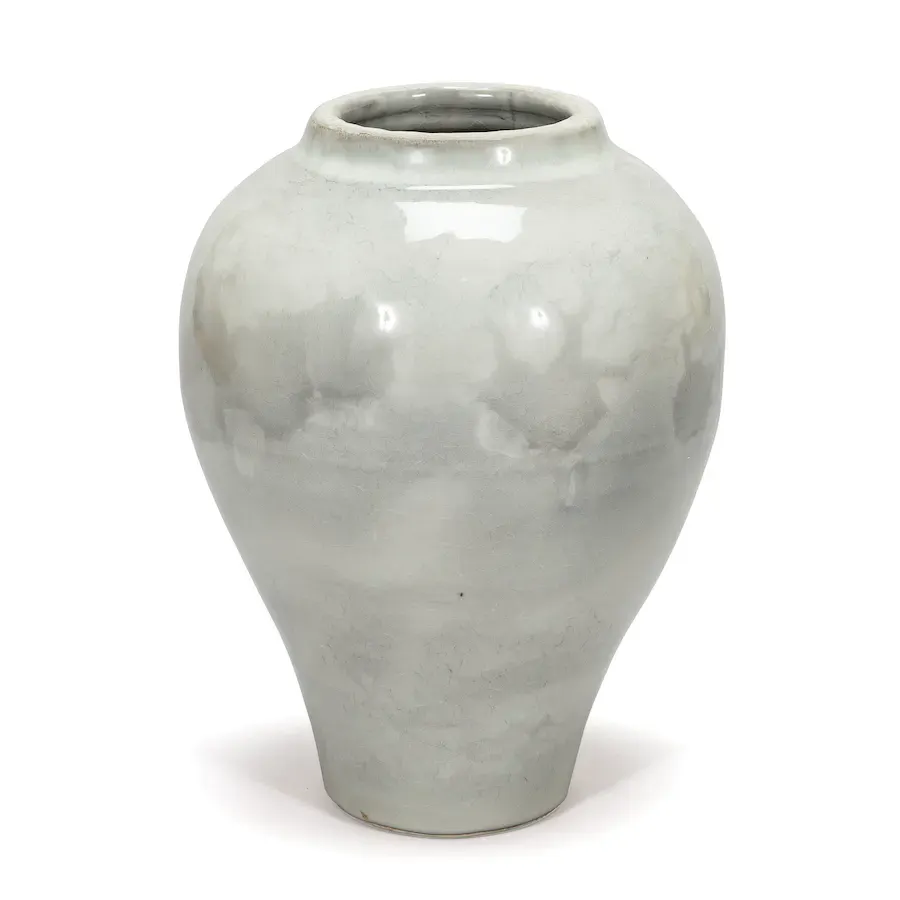
Ceramics is an art form whose history stretches back thousands of years, which Toini Muona was well aware of. Her stylish design language and sober color scheme put tradition in conversation with the contemporary. After studying at the Central School of Art, Muona got a job at Arabia, where she abandoned decorative painting to devote herself to stoneware. She turned by hand and made only unique items. For her artistry, she was awarded the Pro Finlandia medal in 1957, and her work can be found in the National Museum's collections.
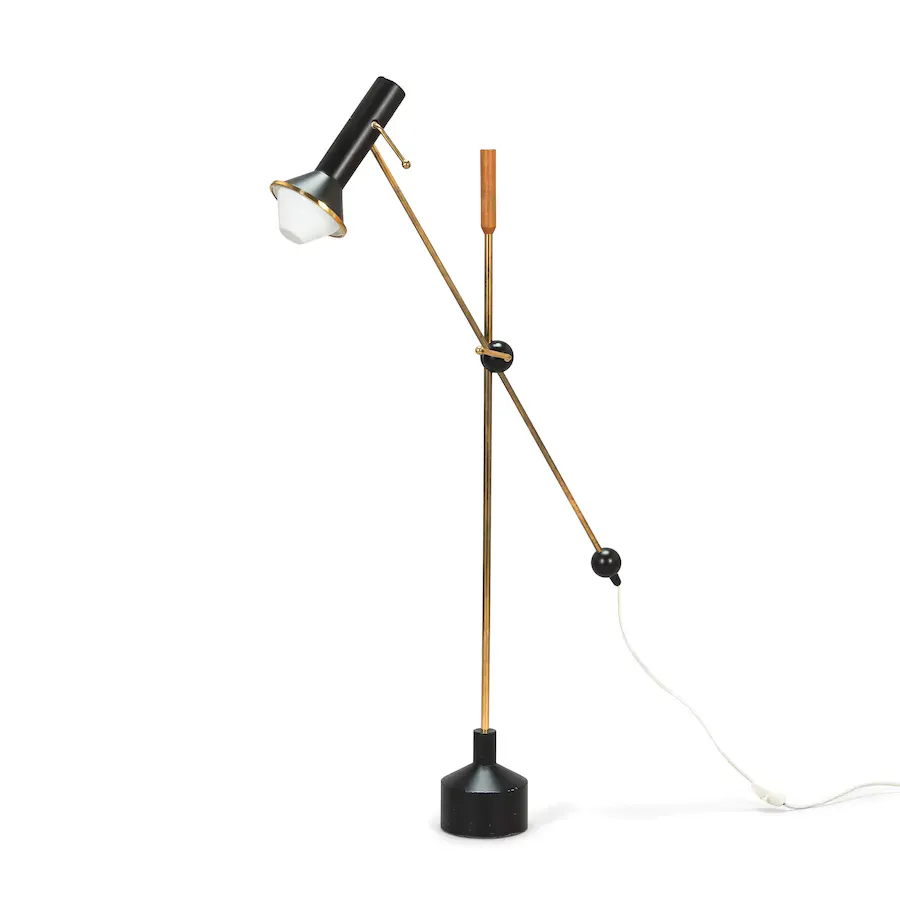
Today, the artist Tapio Wirkkala is best known for his work in silver, but he worked in a variety of forms and materials. In addition, he was enormously productive, creating both unique and utilitarian objects. After graduating from the Central School of Art in 1936, he received several awards for his design. The Nordic nature was his greatest source of inspiration and he enjoyed himself best when he was able to be with his family on the farm in Lapland.
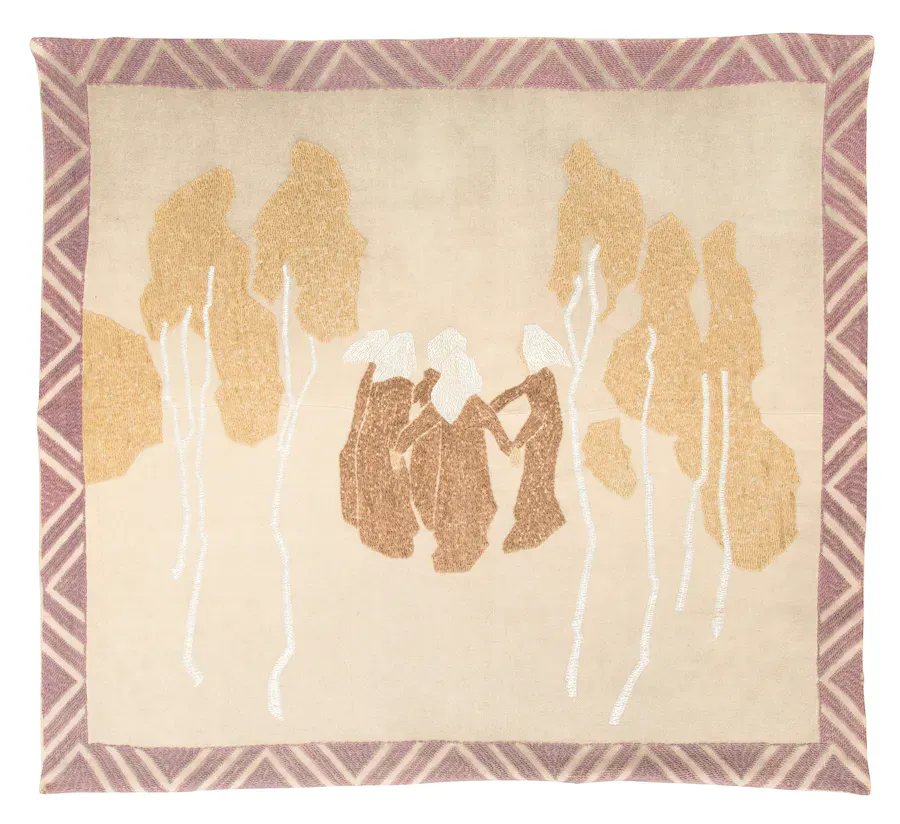
The artist Helene Schjerfbeck grew up in modest circumstances, but was already noticed as a teenager for her history painting. She was awarded scholarships which made it possible to study in Paris and travel to Italy and Russia. Once back in Helsinki, she took a job as a teacher at the Art Association's drawing school, but she was not interested in the national romantic style advocated by the school. Therefore, she quickly abandoned the post and moved to the countryside where she could devote herself to developing a more modernist painting. Even in this early wall hanging made for the Friends of Finnish Handicrafts in 1911, the expressionist expression for which she is so well known is portrayed. The tapestry has been in the same family's possession since 1930 when it was purchased for a summer house in Porkala. Art dealer Gösta Stenman, who was a big supporter of Schjerfbeck, lived next door to the family and tried to buy the tapestry several times without success. This is the first time it has gone to auction. Schjerfbeck's oeuvre has been the subject of exhibitions at, among others, the Kunstmuseum den Haag in the Netherlands and the Royal Academy of Arts in London.