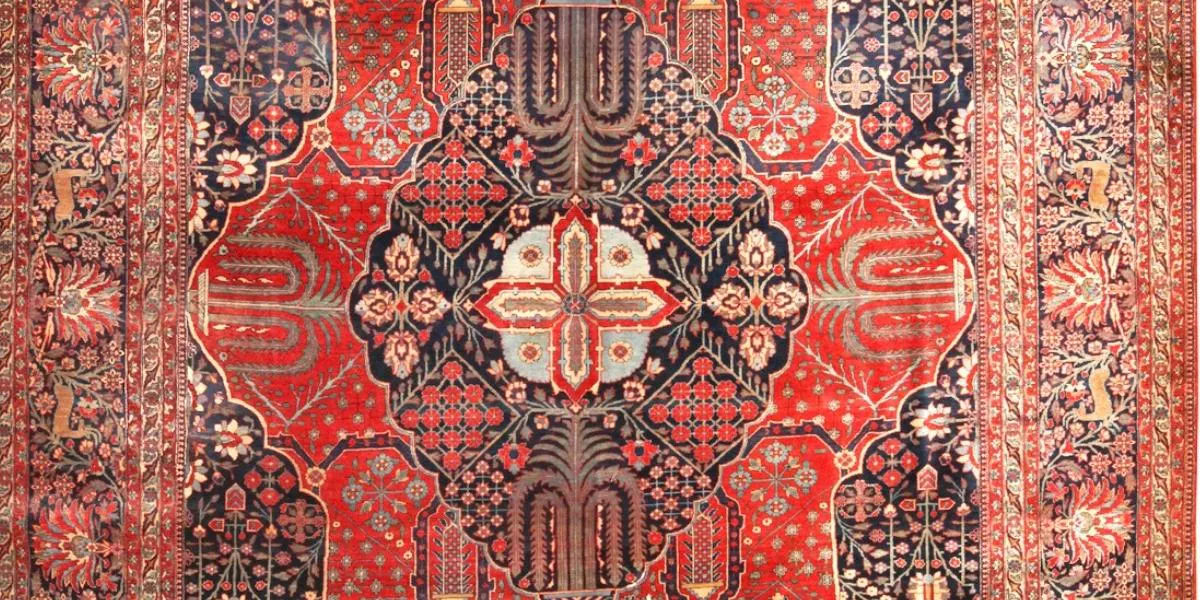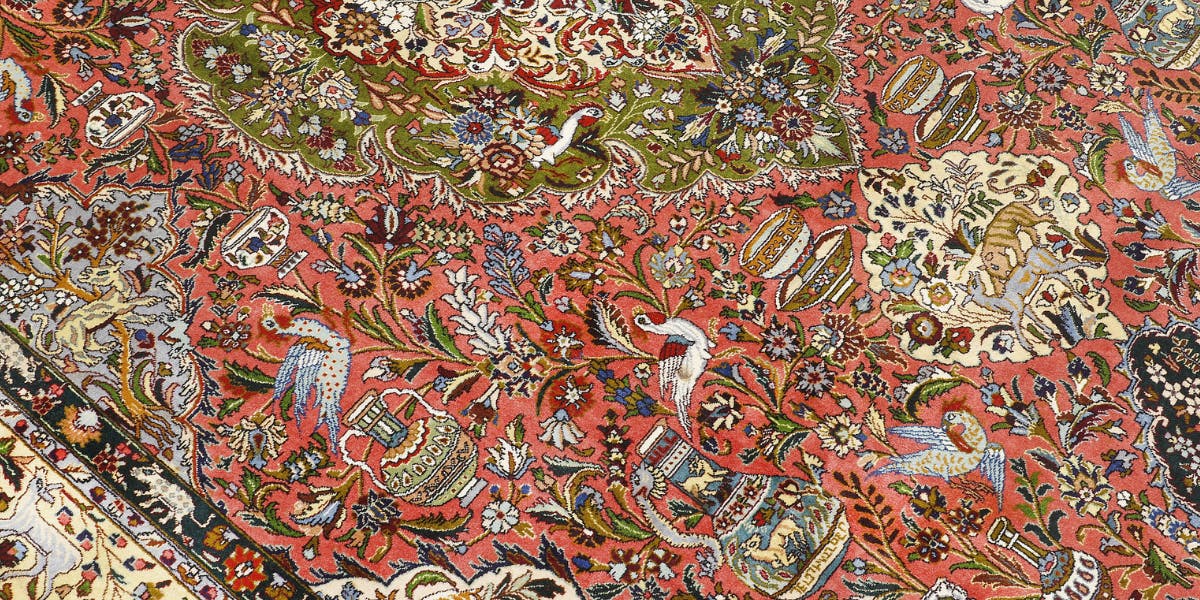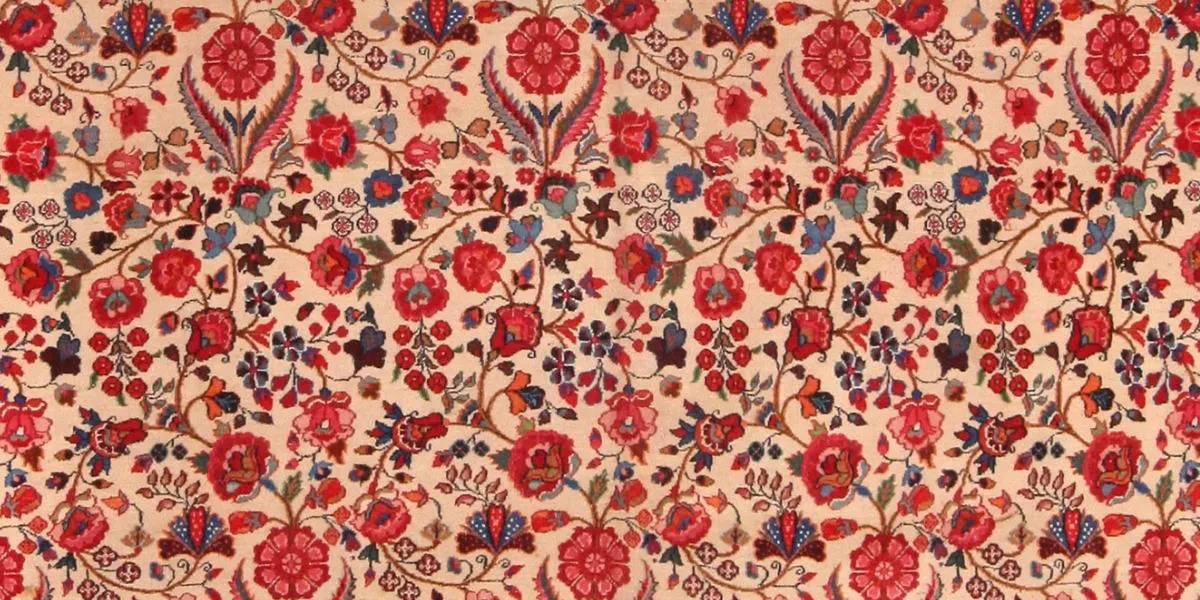
On Sunday, November 13, Nazmiyal Auctions will host their No Reserve Antique, Vintage & Modern Rug Auction with 152 rugs on offer. From China and Turkey to Scandinavia and Persia, there are rugs from all over the world in a range of sizes, colors and designs. Here are six rug highlights to keep your eyes on:
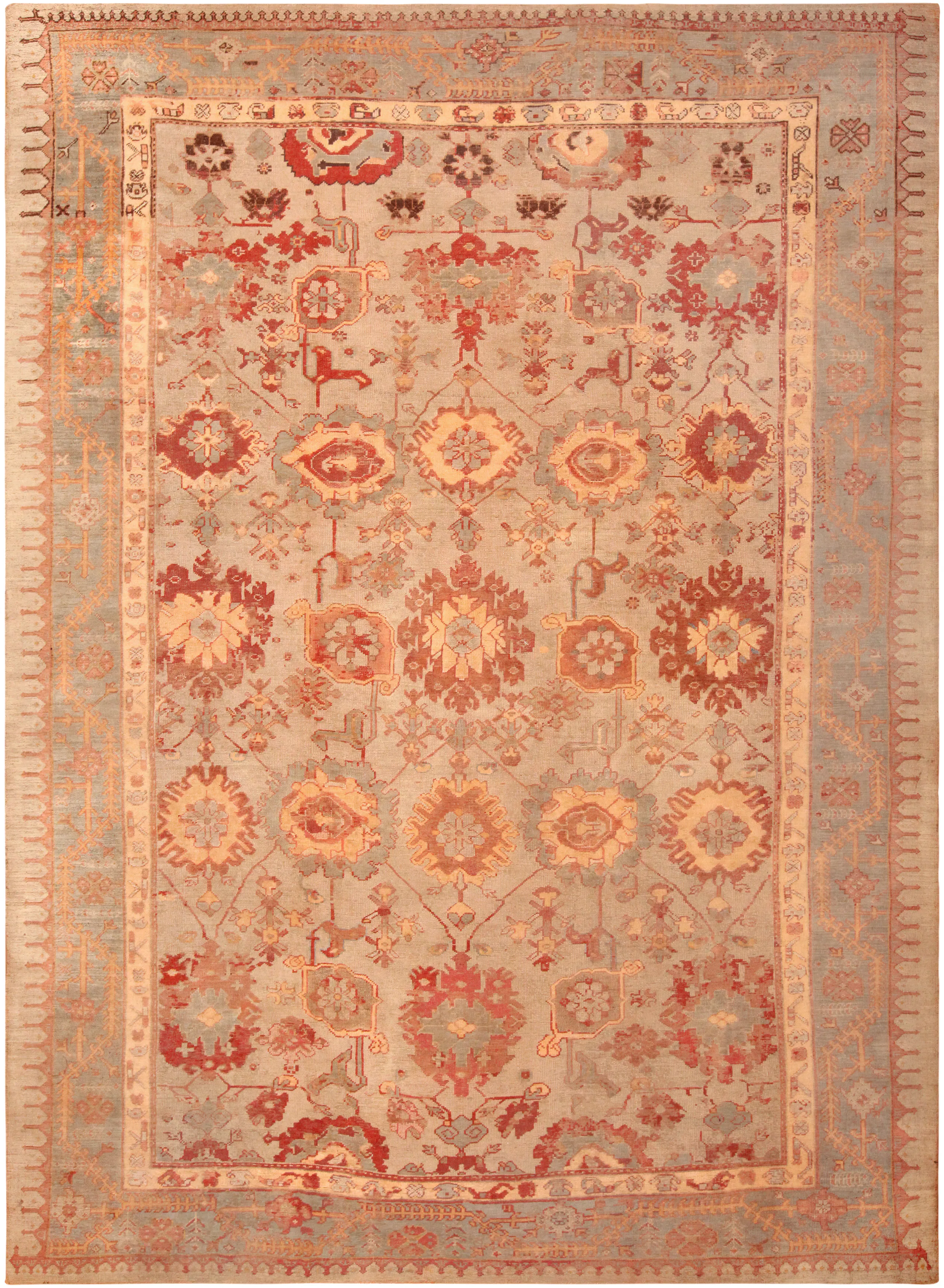
This antique Turkish Oushak rug is from around 1900. Oushak rugs are known for their distinctive design of floral medallions or stars that are inspired by Ottoman scripts. Made in western Turkey, these rugs are prized for their high quality and material, and this rug, despite being over 120 years old, is in remarkable condition with low pile and no dryness or cracking.
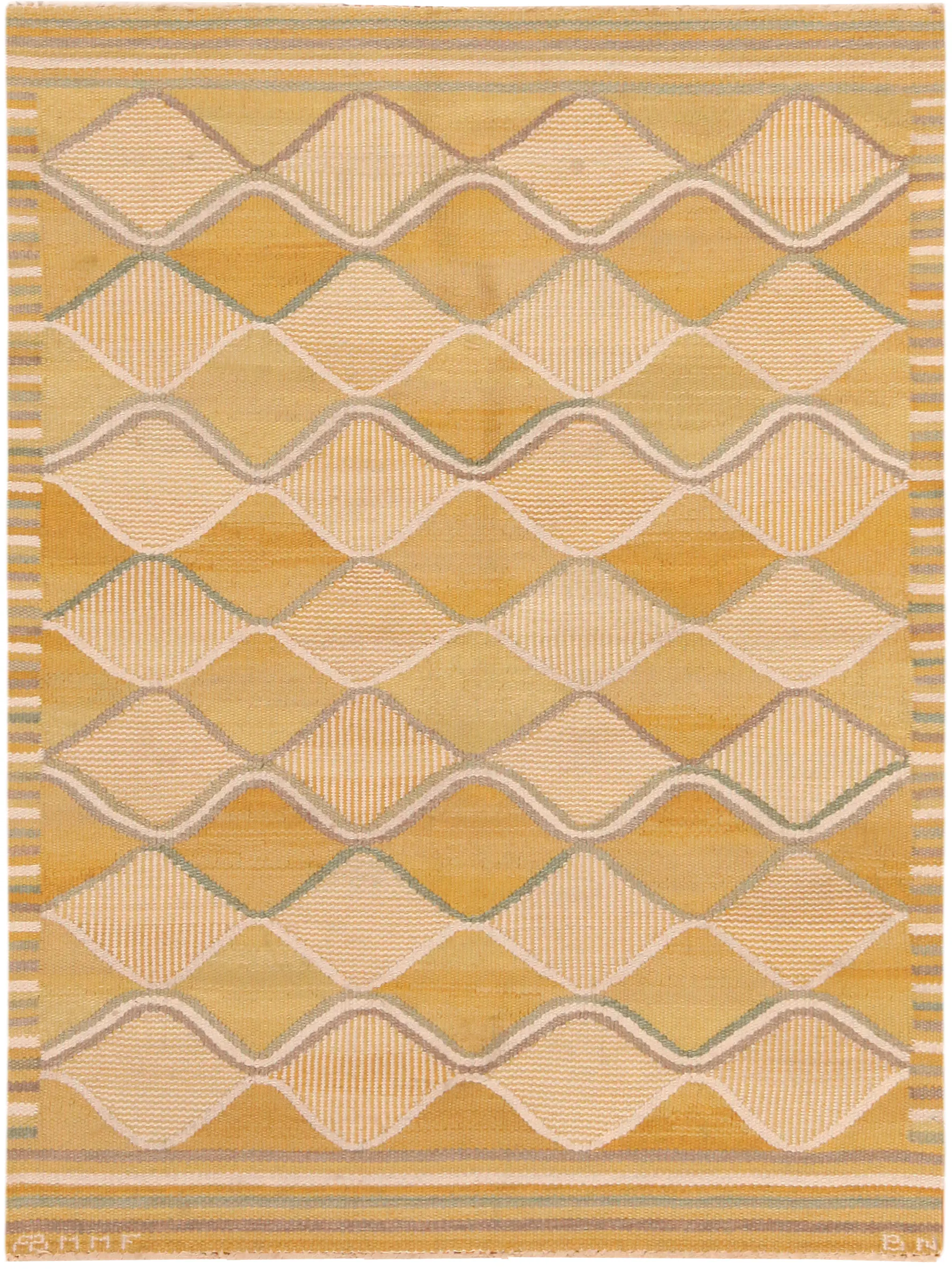
Märta Måås-Fjetterström was a leading Swedish textile designer in the first half of the 20th century, opening her own studio in 1919 that was known for rugs that combined Nordic heritage with modernist principles. This rug was designed by the head of the Märta Måås-Fjetterström, Barbro Nilsson, who was considered "the number one Swedish textile artist" during the mid-20th century. This beautiful rug with an undulating pattern in rich yellow tones is an example of her incredible craftsmanship and Scandinavian design.
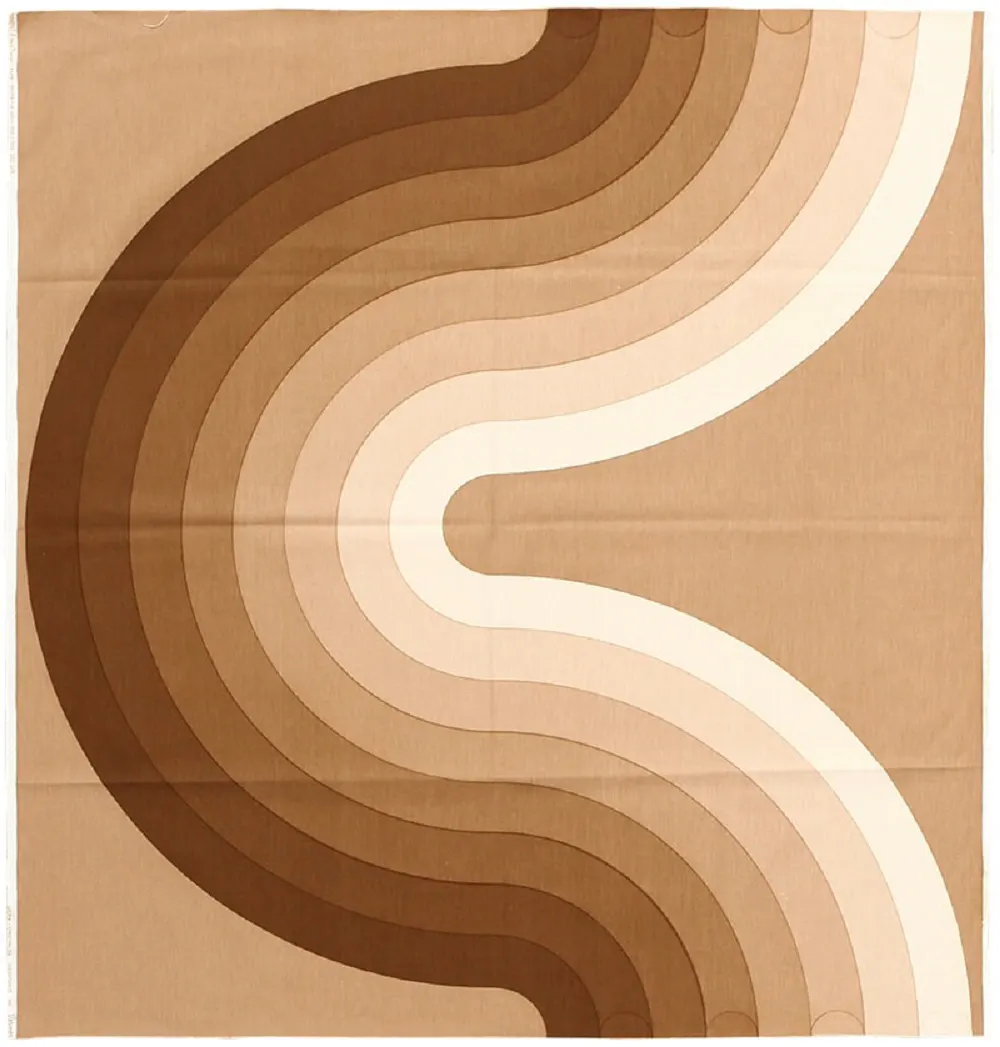
Another Scandi rug is this Verner Panton design called "Kurve." While the Danish designer is perhaps best known for his furniture, his textiles were also expressive of '60s modernism and were beloved for their free-flowing, rounded designs and intense colors.
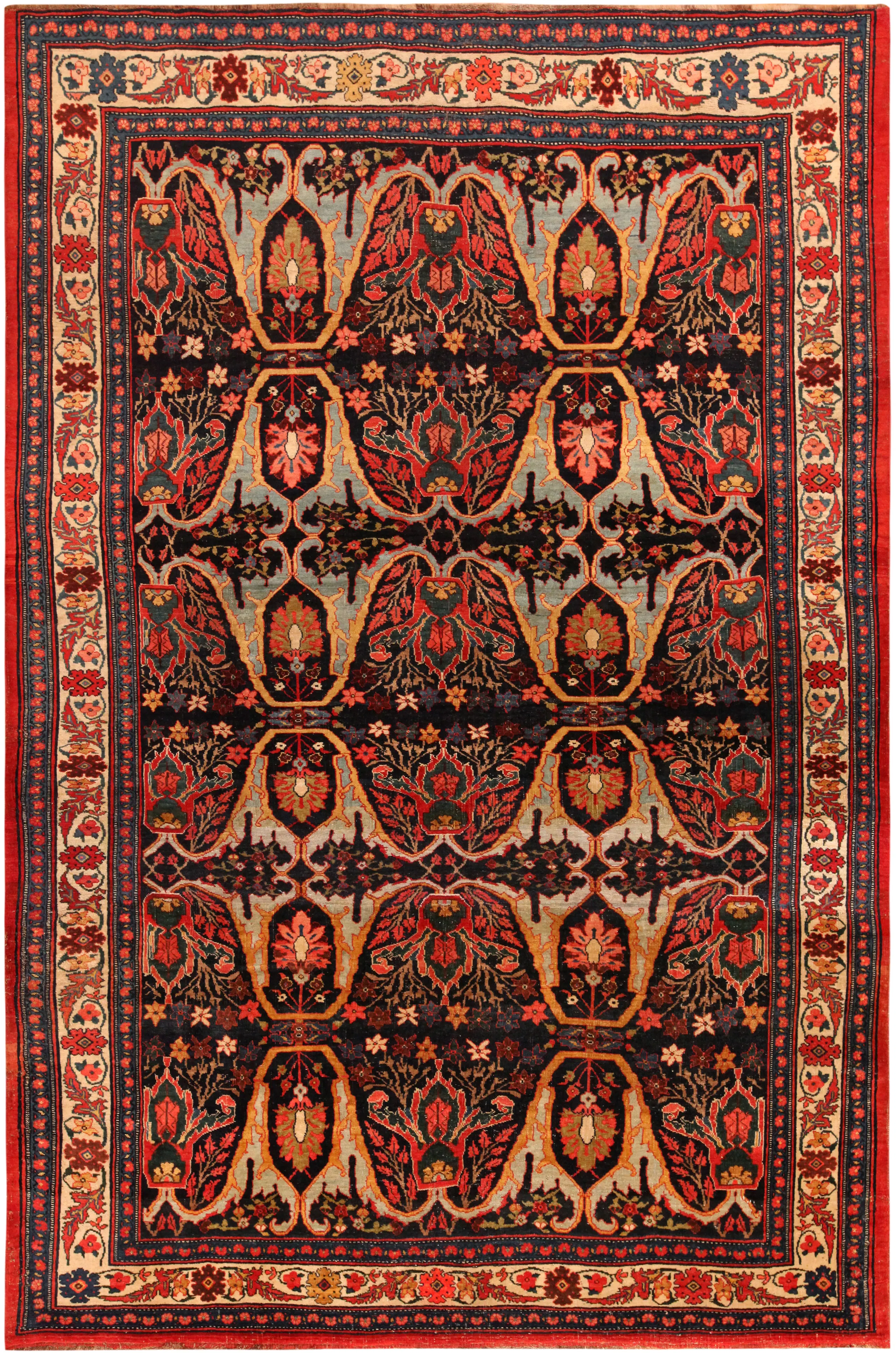
This Persian Garous design Bidjar rug was created around the turn of the 20th century and features a gorgeous, large-scale motif and vibrant colors. The Persian rugs from Bidjar are famous for their beautiful colors and heavy wool foundation. Due to a weaving technique that packs the knots down tightly, they are some of the most durable rugs ever woven. The result are extremely beautiful rugs that are also known to last generations. It is a piece of artwork for your floor that makes a statement in any space.

Jamshidi was the most famous Iranian knotter, renowned for his high quality silk carpets, and his descendants still design carpets today. Here is one of his extraordinary pieces, highly detailed and colorful from the 1920s. The center is a veritable garden of floral design with more structured sections of flower patterns around the parameter.
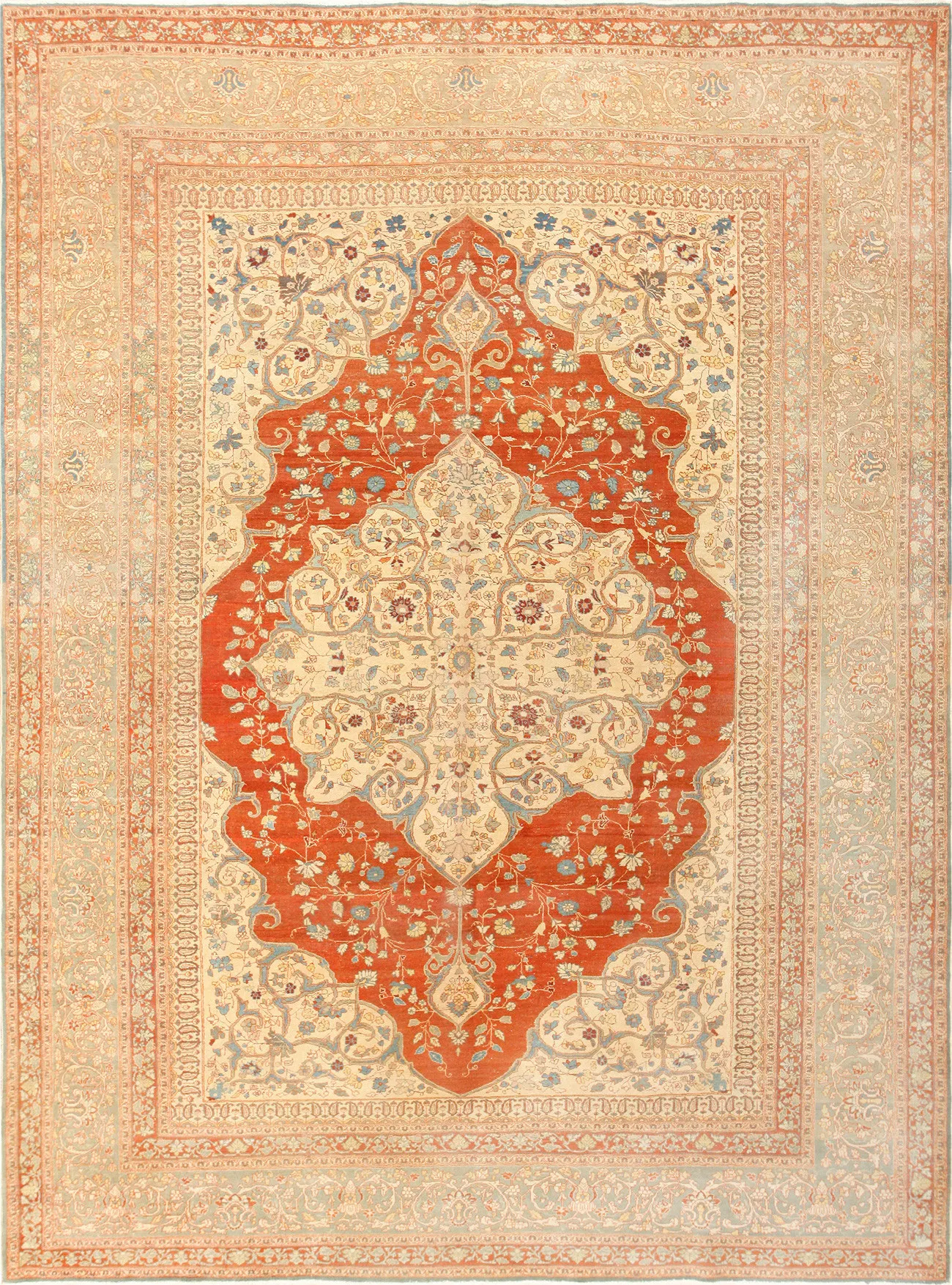
Perhaps one of the most important figures in the artistic revival of Tabriz in Persia as an important rug-making center at the end of the 19th century was the master weaver Haji Jalili, from the nearby of Marand. Haji Jalili is best known today for his incredible and unique approach to rug-making and his preference for distinctive color palettes and design elements. As portrayed in this textile, Haji Jalili was especially known for mixing lighter colors — such as pinks, golds and grays — into the design of his rugs.