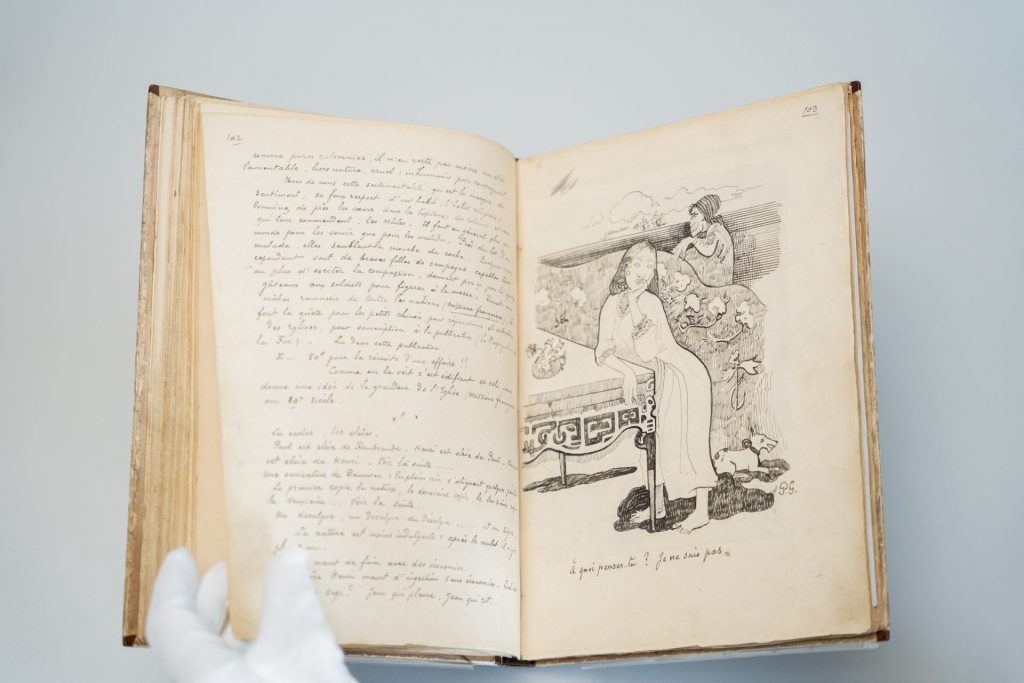
!['Non dépourvues de sentiment' ('Not without Sentiment'), drawing in black ink, and black wash, Detail from the manuscript 'Avant et après' by Paul Gauguin. Image © The Courtauld [detail]](https://images.prismic.io/barnebys/c47217c7-de30-4194-a7d6-5dfca1a75747_new+Cover.jpg?auto=compress,format)
Having been lost from view for almost a century, the re-emergence of the original manuscript for Avant et après is a sensational event.
A rare manuscript by Paul Gauguin, certainly the artist's most important to join an English public collection since World War II, has just been acquired by the Courtauld Gallery. It was settled at £6.5 million ($8.3 million).
The work consists of 213 pages, includes some thirty original drawings and is full of anecdotes about the art scene of the time. Made in Polynesia in 1903, shortly before the artist's death, the book remained in the shadows for nearly a century, changing hands in private without ever returning to the art market. The manuscript has never been exhibited, and according to The Art Newspaper, no historian has been able to browse it in nearly 50 years.
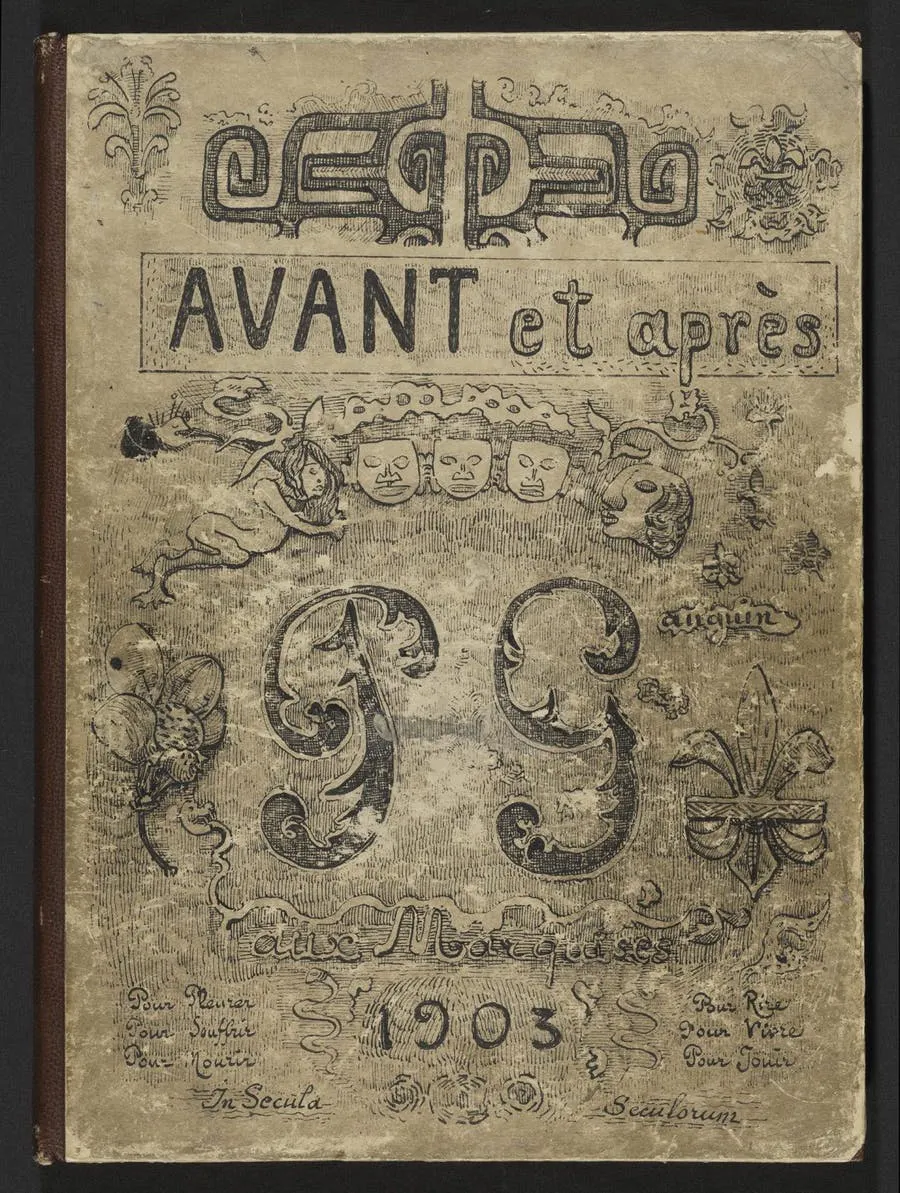
The rediscovery of Avant et après (‘Before and After’), a text between memory and manifesto, has made known precious elements of the artist's life, state of mind and relationships. We discover, for example, Gauguin’s opinions on the work of his contemporaries Camille Pissarro, Edgar Degas, Paul Signac and Paul Cézanne, as well as a description of the tormented period spent in Arles with Vincent Van Gogh, and of the violent dispute which led to the self-mutilation of the Dutch painter. Relating this episode would have been, according to historians, a way for Gauguin to justify his actions and to put the blame on his friend.
See also: The Nativity, According to Paul Gauguin
Gauguin also delivers his feelings about his own work, condemning the Parisian critics who did not know how to apprehend the modernity of his painting, and blames the French colonial and ecclesiastical authorities in Polynesia. By the end of his life, Gauguin had acquired a reputation as a troublemaker in the Marquesas Islands, chaining up trials and run-ins with the administration and the island's gendarmes. His attitude towards women even raised some protests among the Polynesians, who saw him as an opportunist who changed vahines as often as he changed shirts.
“Although he was one of the most influential artists of the 19th century, Gauguin is also a highly controversial figure. We will now ensure that this important manuscript is fully researched and made widely available as part of the reappraisal of Gauguin’s debated legacy,” said Ernst Vegelin van Claerbergen, Head of the Courtauld Gallery.
See also: The Getty's Gauguin Sculpture is a Fake
Gauguin hoped that the manuscript would be published in France after his death and, in order to do so, had sent it to his friend André Fontainas, a critic based in Paris. As the painter was not yet recognized, interest in such a publication was little and in 1907 Fontainas handed the manuscript to Mette Gauguin, the artist's ex-wife. Seven years later, Mette sold Avant et après to German publisher Kurt Wolff, who published a small facsimile print of it in 1918.
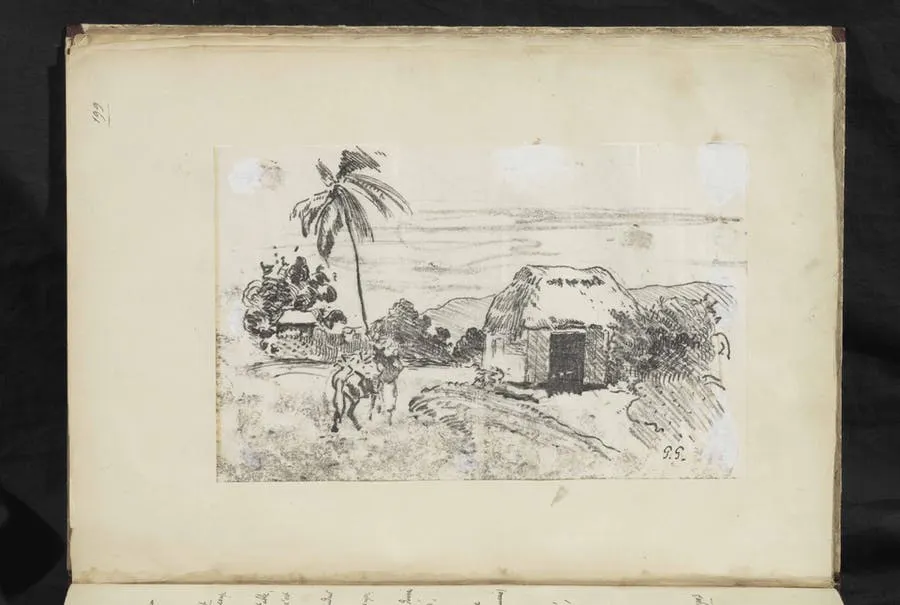
Passed into the hands of the publisher Erik-Ernst Schwabach the same year, the original manuscript was sold to the textile manufacturer Erich Goeritz who in 1934 fled Nazi Germany and sent his suitcases to Great Britain. After Goeritz's death in 1955, the book resurfaced with New York art dealer John Fleming (Rosenbach Gallery). Then valued at $85,000, Avant et après was finally returned to the artist's family after legal action.
Today, it is one of Gauguin's grandchildren who granted it to the Courtauld Gallery. The acquisition was made possible through the Government’s Acceptance in Lieu scheme administered by the Arts Council. This system allows taxpayers to transfer heritage objects and works of art to the State in order to settle their inheritance taxes. This is the same process that enabled the Royal Air Force Museum to acquire the Trenchard collection in 2018.
See also: Paul Gauguin's Earliest Known Drawing Auctioned for Over $90,000
Edward Harley, OBE, Chairman, Acceptance in Lieu Panel, said: “Avant et après, written shortly before Gauguin’s death, is richly illustrated and is the last major manuscript of Gauguin’s written works to be held in private hands. I hope this example will encourage others to use the scheme to make art and culture accessible by enriching our national collections.”
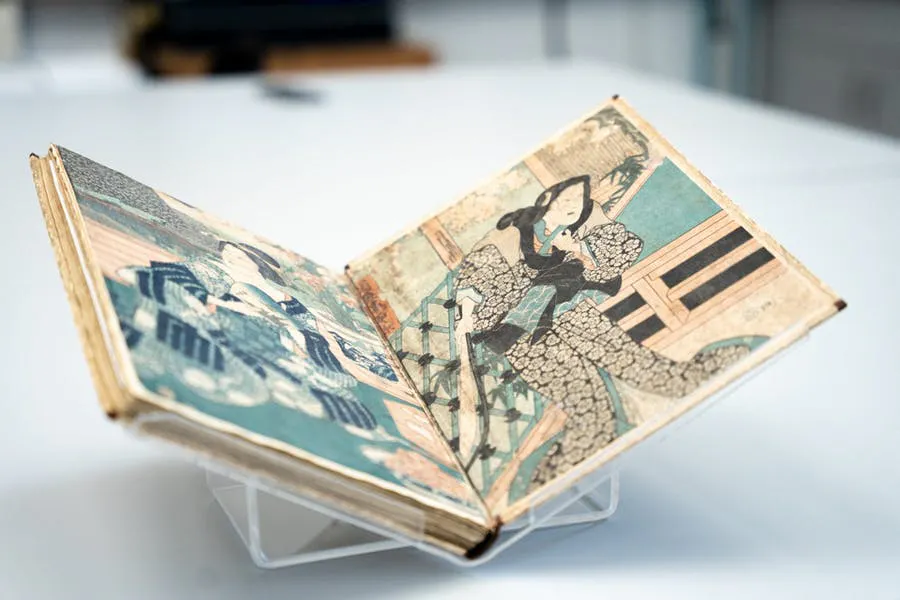
Thus, the Courtauld Gallery is expanding its Gauguin collection, the most important in the United Kingdom, and plans to exhibit the manuscript in the central room of the gallery while awaiting the end of the extension works of the institution, in 2021. Avant et après will join in particular Nevermore and Te Rerioa, other masterpieces of Gauguin’s Tahitian period preserved by the museum. It will also be digitised and made available for consultation.
“Having been lost from view for almost a century, the re-emergence of the original manuscript for Avant et après is a sensational event. Richly illustrated with drawings and prints, the odds were stacked against it surviving intact,” said Vegelin van Claerbergen.