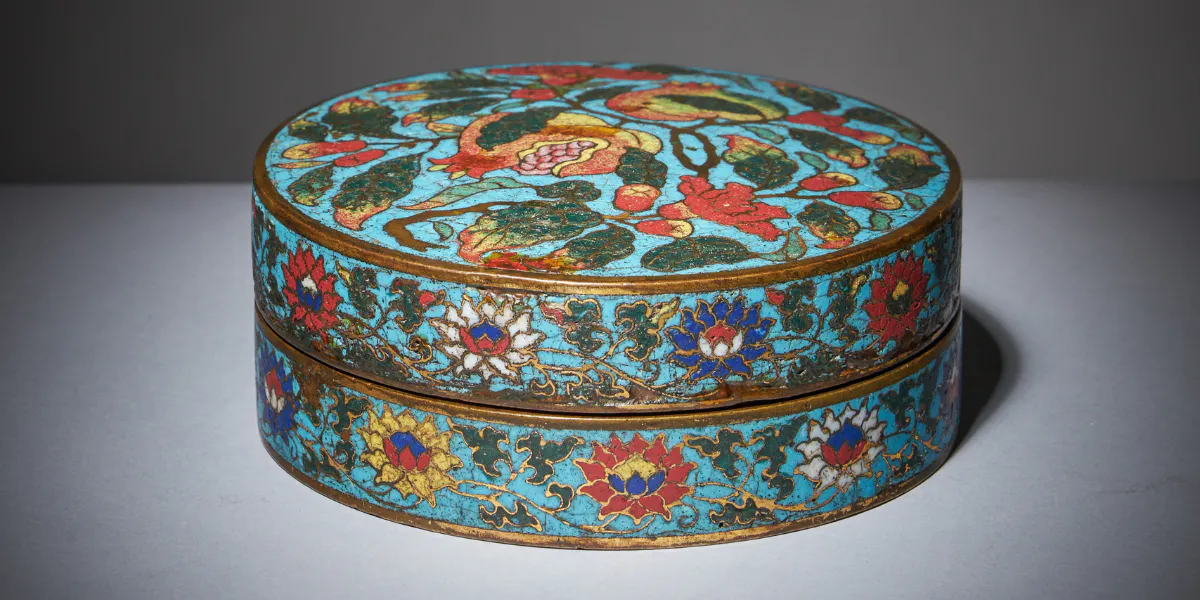
An exceptionally rare Chinese cloisonné 'pomegranate' box from the Ming period has emerged from obscurity, fetching £288,000 (about $355,000) at auction. This extraordinary find, discovered tucked away in a dust-filled attic cabinet of a family home, sold for more than a quarter of a million pounds, against a pre-sale estimate of £6,000-£10,000.

The box, which had remained unnoticed and untouched since the death of its owner, Major Edward Copleston Radcliffe (1898-1967), for over seven decades, was part of his collection alongside less valuable items. Only when Radcliffe's family decided to send the collection to Dreweatts did specialists Mark Newstead and Yingwen Tao realize its true value. It turns out, the box is one of the lost treasures commissioned by Xuande, the fifth Emperor of the Ming dynasty (1426-1435).
Related: 6 Sensational Attic Finds
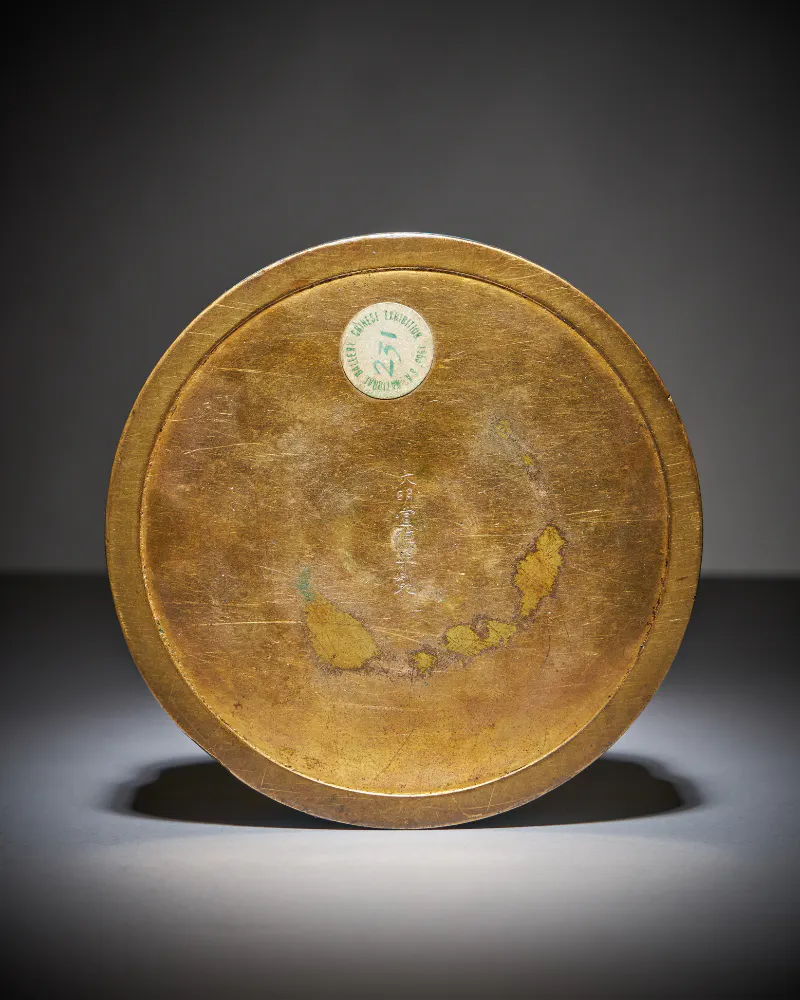
Back in 1946, Major Radcliffe acquired the box for a mere £19 at a Sotheby's auction in London. It later made its way to the National Gallery of South Africa for display during their Chinese Exhibition in Cape Town in 1953. Considered lost for years, this particular box is one of only four known examples in existence, including one housed in the prestigious Palace Museum in Beijing. The remaining three are held in museum or institutional collections, leaving only two, including this recent discovery, in the hands of private collectors. Notably, all the examples bear the distinctive Xuande reign mark on their undersides.
Want more articles like this delivered straight to your inbox? Subscribe to our free newsletter
Commenting on the sale, Mark Newstead, Director of Asian Ceramics and Works of Art at Dreweatts, said: "We are delighted with the result of this exceptionally rare Chinese cloisonné ‘pomegranate’ box, made for of Xuande, the fifth Emperor of the Ming Dynasty. Cloisonné enamel pieces from the early Ming period are exceptionally rare as production was strictly regulated by the Imperial Palace eunuchs. The fact that it was discovered in a dust-filled cabinet in the attic of a family home amongst other less valuable pieces, where it had sat since its’ owner’s death in 1967 is extraordinary and we knew it would attract world-wide attention. There was very strong bidding between nine telephone bidders, with a private collector in Asia finally winning out, thus showing the strength of the market."