With gold prices reaching an average of $4,079.76 per troy ounce in December 2025, and a 198% surge in searches for vintage engagement rings, jewelry valuation is more relevant and lucrative than ever. In fact, nearly half of US consumers are reported to consider resale value when purchasing jewelry. Whether you’re a collector, dealer, or simply want to understand your own collection, accurately appraising and pricing jewelry is essential for making informed sales. This step-by-step guide leverages Barnebys’ auction expertise and the latest market data to walk you through both DIY and professional appraisal methods.
Step 1: Distinguish Your Jewelry Type – Estate, Vintage, and Contemporary
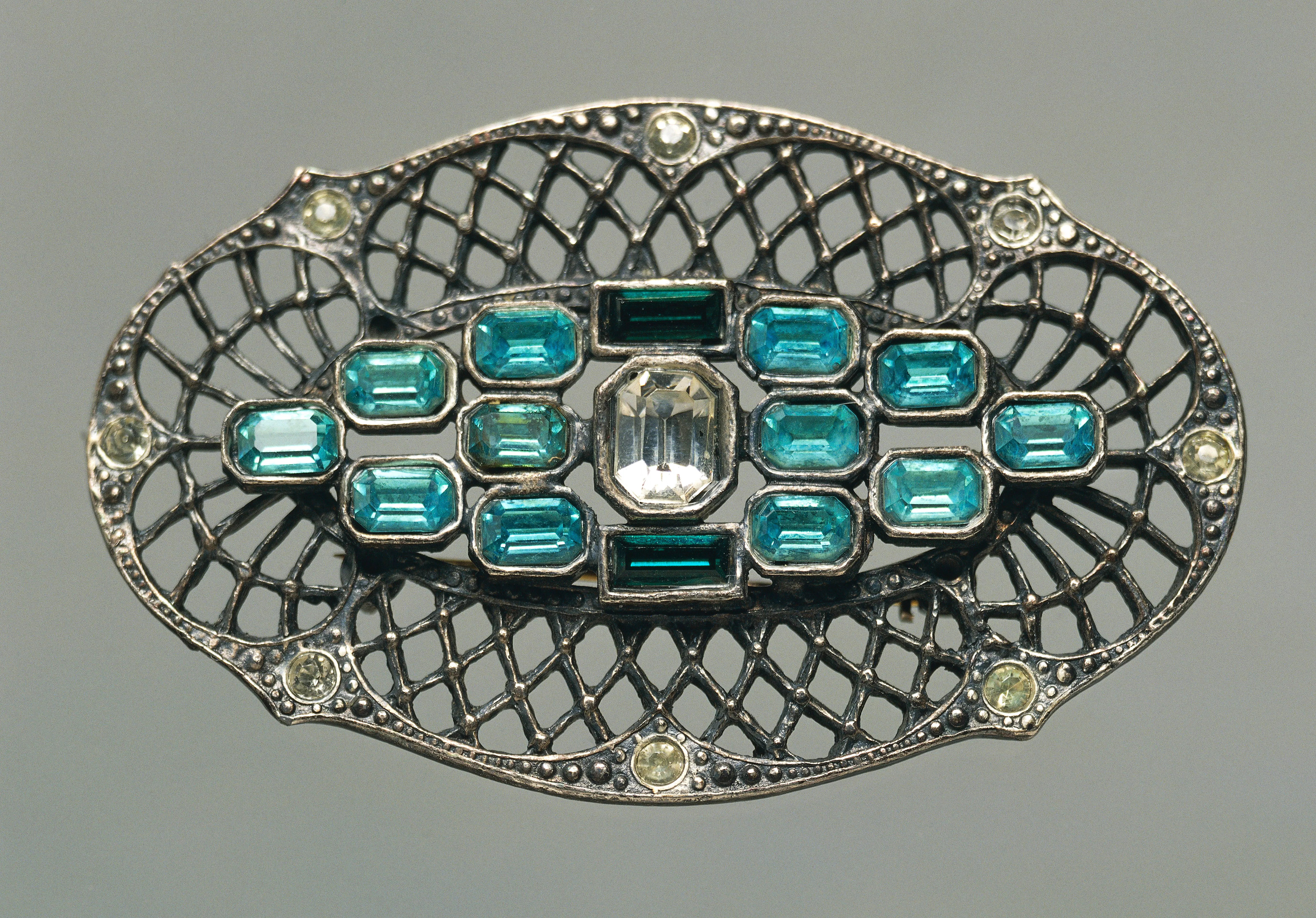
Accurate categorization is fundamental to understanding a piece’s value. Estate jewelry refers broadly to any previously owned item, regardless of its age, and can encompass both vintage and modern pieces. Vintage jewelry is typically defined as being over 20 years old and is often associated with distinct historical periods such as the Victorian, Edwardian, or Art Deco eras. For instance, a 1930s Art Deco sapphire brooch would be considered vintage. Contemporary jewelry, on the other hand, consists of modern designs, generally less than 20 years old, and is valued primarily according to material costs and the reputation of the brand.
The distinction between these categories is not merely academic; market demand varies considerably.
Step 2: Identify Key Value Factors in Your Jewelry
Once you have established the type of jewelry you own, examining the factors that determine value is essential. Materials such as gold, platinum, or high-carat diamonds remain central to pricing, especially in today’s strong precious metals market. Maker signatures, rarity, condition, and quality of craftsmanship also play significant roles. Jewelry from renowned makers such as Tiffany, Cartier, and Van Cleef & Arpels often commands premium prices at auction. For example, Cartier estate pieces regularly recover 60–70% of their original retail value in the secondary market, far outperforming most non-designer jewelry. Buyers also tend to favor pieces that remain in original condition, particularly vintage items where over-polishing or altered settings can diminish appeal. Meanwhile, documentation, including gemological reports, receipts, and original packaging, provides credibility and often supports higher selling prices.
See also: The 9 Most Popular Jewelry Brands
Step 3: Authenticate Your Jewelry
Authentication is a crucial part of the appraisal process, confirming the materials, gemstones, and maker’s marks. Begin by gently cleaning the item with a soft brush and mild detergent, avoiding harsh chemicals, especially on vintage or delicate pieces. Examining the hallmarks, typically found on clasps, inside rings, or near settings, which indicate metal purity, maker, and sometimes origin or date. A jeweler’s loupe can help verify these marks, and high-value items may also be tested with non-destructive X-ray fluorescence (XRF) for precise metal confirmation.
See also: Gemstones: 5 Interesting Facts
Gemstones should be examined to determine if they are natural, treated, lab-grown, or imitation, as this greatly affects value. Inclusions, growth patterns, and optical features can help distinguish them, while their carat weight, cut, color, and clarity provide further insight into quality. For valuable stones, verified reports from recognized labs like GIA or AGL add credibility. Finally, ensure the piece’s design and construction match its claimed period or maker, as inconsistencies may indicate alterations or reproductions.
Step 4: Document Your Jewelry
Create a thorough record by photographing the jewelry from multiple angles under natural light and meticulously noting all distinguishing features. This documentation should record the piece's size, weight, hallmarks, gemstone features, and any unique features or engravings. Include any supporting documents such as gemological reports, original receipts, and packaging.
Step 5: Conduct a DIY Jewelry Appraisal
A Do-It-Yourself (DIY) appraisal can provide a credible estimate for informal purposes. This involves researching comparable sales on reputable platforms, focusing on items with similar makers, materials, and periods. You can use Barnebys' free auction results database to compare your piece against thousands of similar items sold worldwide. When estimating a value range, contemporary pieces are often valued based on material content (e.g., gold weight multiplied by the current spot price), while vintage and estate jewelry require consideration of collector demand and provenance, which the auction results data will help inform. Remember, while a DIY appraisal can provide a credible estimate for informal purposes, professional appraisal is recommended for insurance or major sales.
Step 6: Decide When to Seek a Professional Appraisal
Professional appraisals offer authoritative documentation, which is often required for insurance, estate planning, or high-value sales. Insurance providers typically require a certified appraisal, updated every two to three years. High-value pieces, such as signed designer items, rare stones, or vintage collections, especially benefit from expert evaluation. Legal matters, including estate settlements, divorce proceedings, or charitable donation deductions, may also necessitate a professional assessment.
Step 7: Use the Barnebys' Valuation Tools
ValueMyStuff, a company owned by Barnebys, offers a streamlined approach for collectors and sellers seeking expert appraisals. Users can upload images and a description of their jewelry, select the type of valuation required, and receive a personalized certificate that includes both fair market and insurance values. These certificates are recognized by major insurers and auction houses, and the service can provide the option to consign items directly to Barnebys’ global network of auction houses. The process connects users with experienced specialists, many with backgrounds at Sotheby’s, Christie’s, and other leading institutions. Most valuations are delivered within 48 hours, with an express option available for faster turnaround.
See also: How to Value Your Objects in a Click of a Button
Step 8: Choose the Best Channel to Sell Your Jewelry
Selecting the most suitable sales venue is crucial for achieving the highest possible price. Online marketplaces offer broad exposure, particularly for estate and vintage pieces. Auction houses in particular are well-suited for rare, designer, or period jewelry. Local jewelers provide convenience and immediate payment, though typically at lower prices, while pawn shops and cash buyers offer the fastest transactions but generally at the lowest valuations. Timing can also play a significant role, with sales during bridal season or periods of high gold prices often yielding better returns.
Your Next Steps
Jewelry appraisal in 2025 is both an art and a science, and with gold and vintage jewelry demand at all-time highs, choosing the right appraisal sets you up for financial success.
For more insights, explore our guides on art and collectibles and reach out to a ValueMyStuff expert anytime.