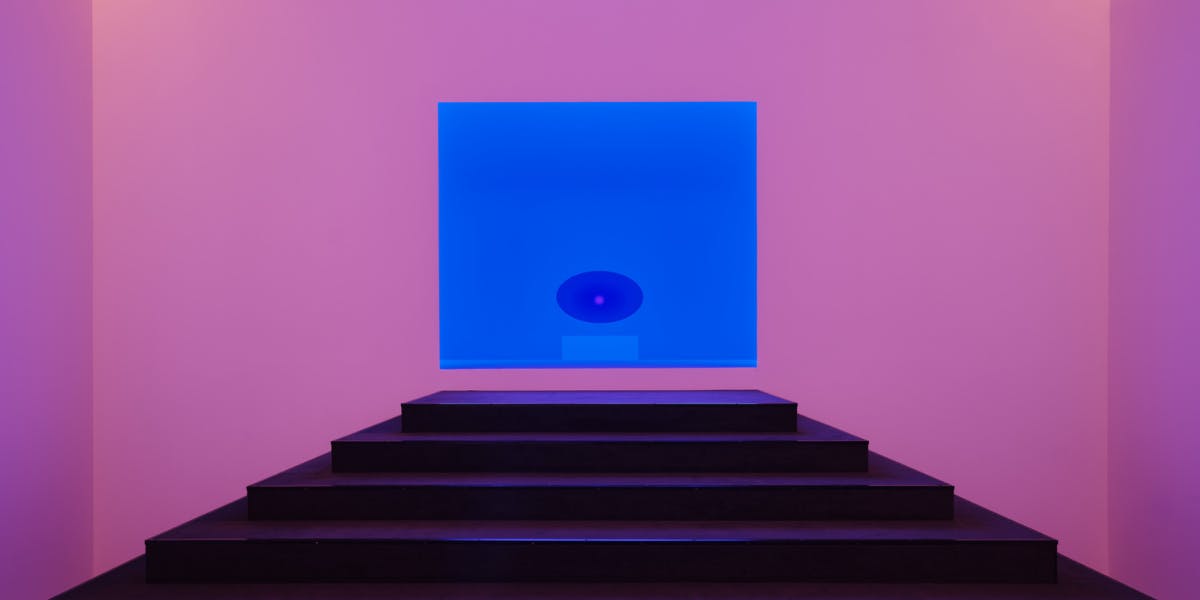
Here are eight fascinating facts about James Turrell, the artist who has made light his medium and muse.
Education and Early Work
Turrell’s academic journey is as multifaceted as his art. He studied perceptual psychology at Pomona College while also delving into mathematics, geology, and astronomy. His fascination with light and space began in earnest during his time at the University of California, Irvine, where he created early light projections. However, in 1966, his education was disrupted when he was arrested by the FBI for helping young men find ways to avoid the Vietnam draft, which led to him serving a short prison sentence.
Art as a Sensory Experience
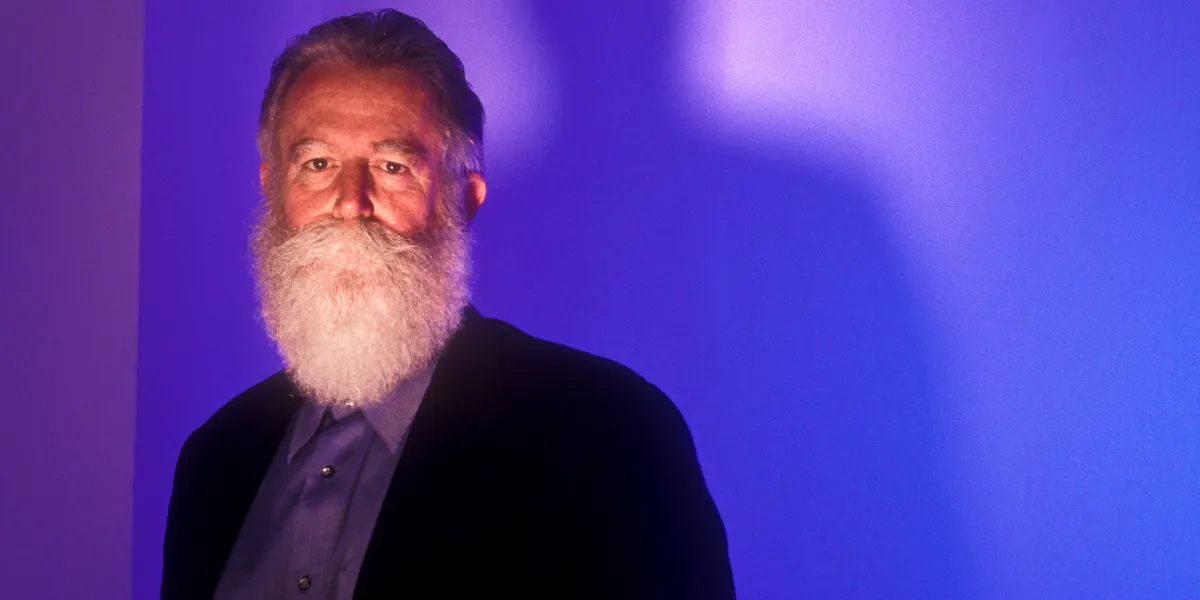
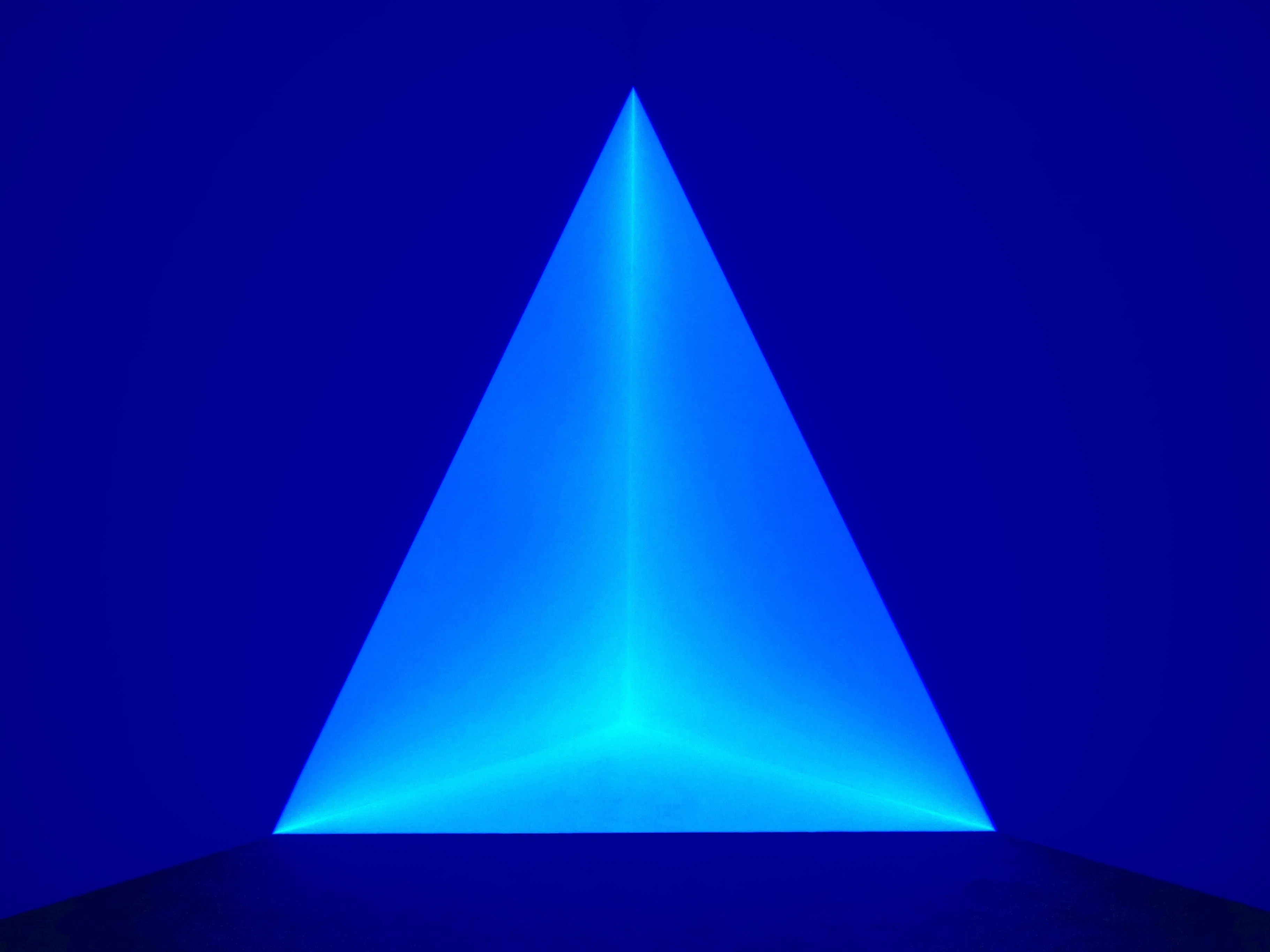
At the core of Turrell’s work is an exploration of light as a tangible medium. Building on research into sensory deprivation—particularly the Ganzfeld effect, which creates immersive fields of colour that can feel disorienting—his installations encourage viewers to experience "seeing yourself seeing." As Turrell himself puts it, “My work has no object, no image, and no focus. What you are looking at is you looking.” His art creates spaces for profound, wordless thought, elevating light to the role of both subject and substance.
See also: Why Bentonville, Arkansas is America’s Next Great Art Destination
A Pilot’s Vision
Turrell’s connection to the sky goes beyond inspiration—it’s part of his life. He earned his pilot's licence at just 16 years old and has logged over 12,000 hours of flight time. During the Vietnam War, he registered as a conscientious objector and flew Buddhist monks out of Chinese-controlled Tibet. Turrell has often said, “The sky is my studio, material, and canvas.”
Want more articles like this straight to your inbox? Subscribe to our free newsletter!
The Skyspaces and Beyond
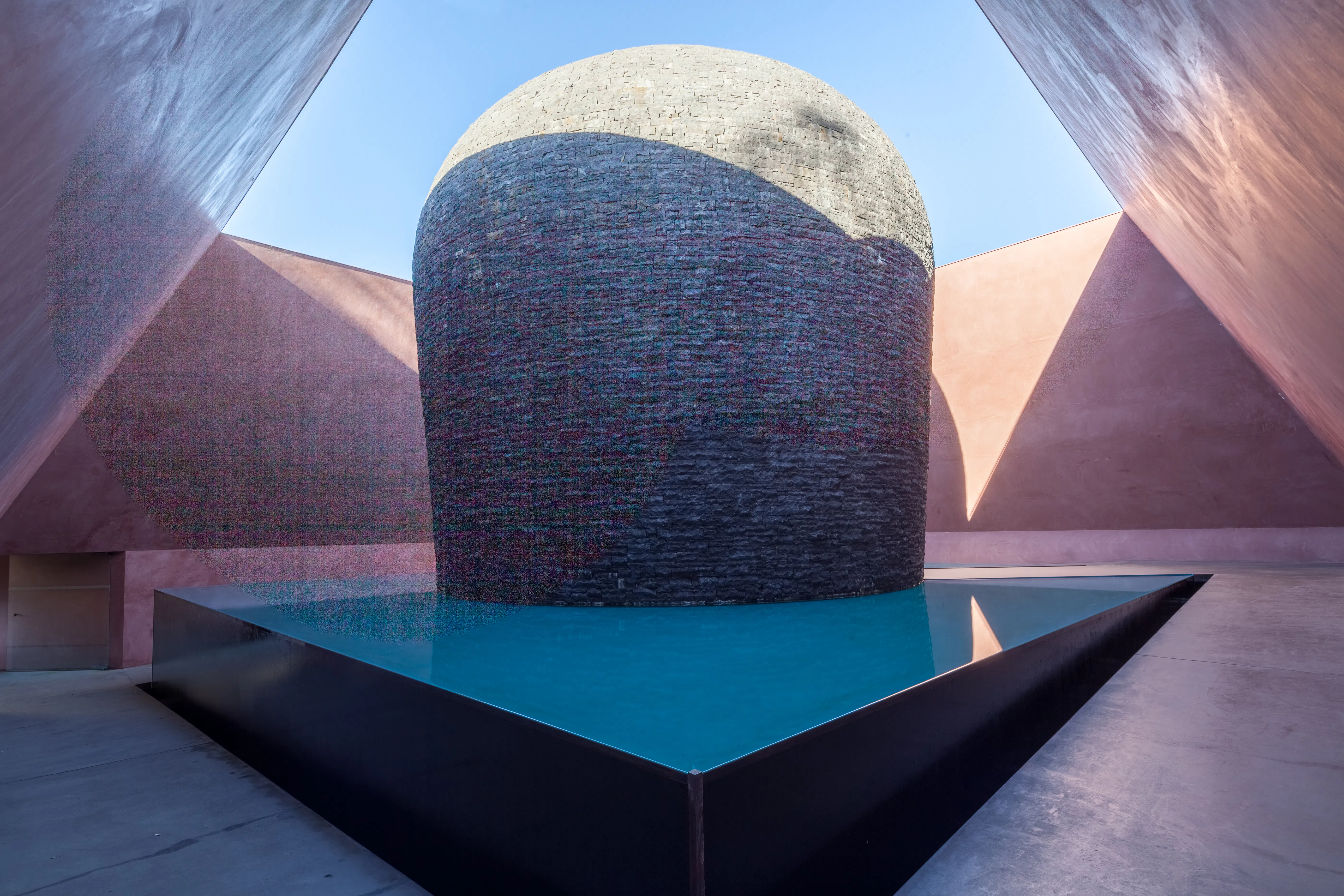
Turrell has created over 80 Skyspaces—architectural installations that frame the sky and manipulate light to alter perceptions. These works are scattered across the globe, including Outside, Insight (2011) less than an hour away from Stockholm, which features a mesmerising light performance during sunrise and sunset. His Skyspaces have become iconic, blending natural and artificial light in immersive, contemplative environments.
See also: Top 9 Art and Design-Focused Summer Escapes
The Roden Crater Project
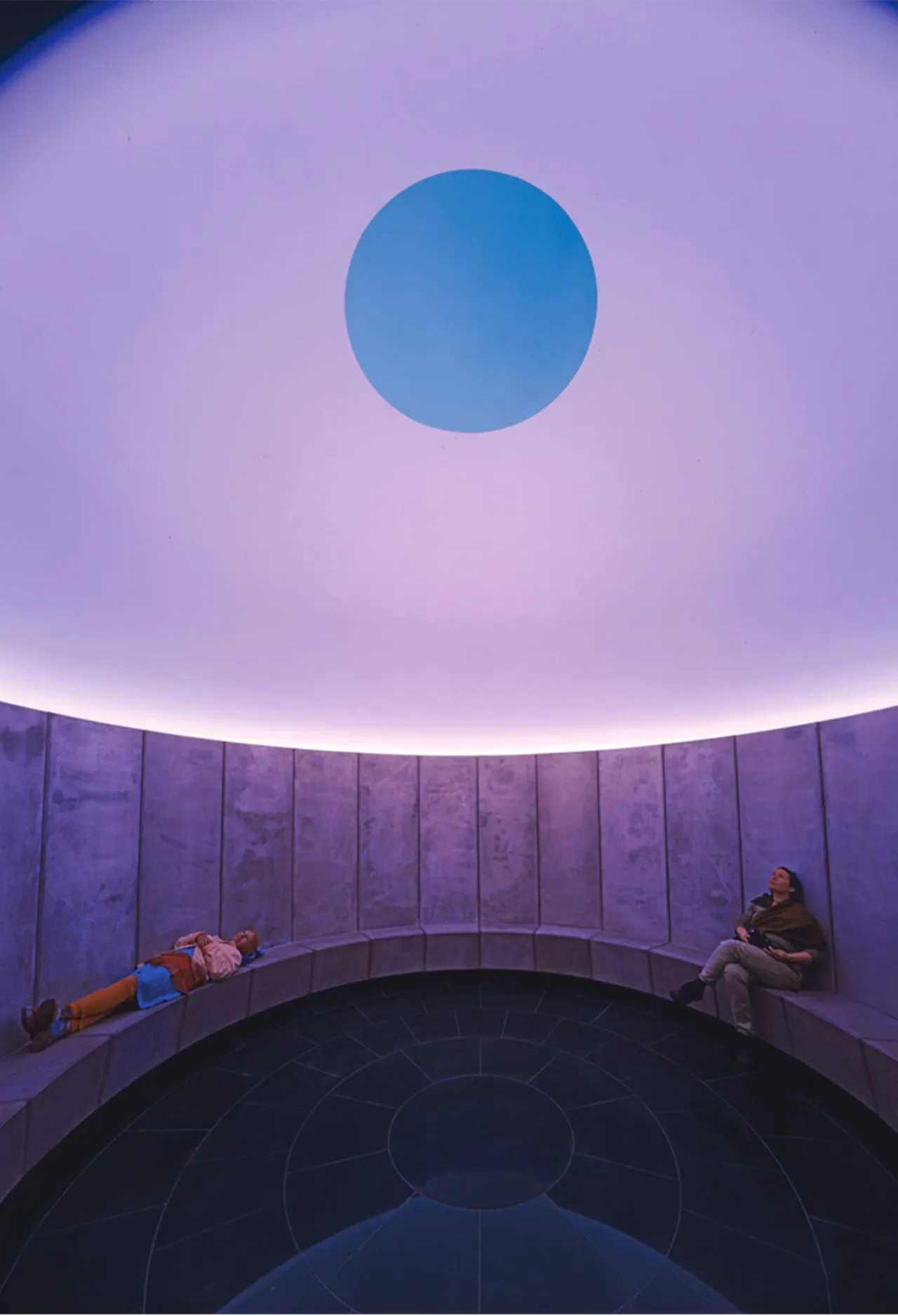
Turrell’s biggest project is Roden Crater, a dormant volcanic crater in Arizona’s Painted Desert. Purchased after three years of negotiations, the crater has been transformed into a naked-eye observatory for celestial phenomena. Turrell’s dedication to this monumental project has spanned over four decades. To fund its development, he has undertaken diverse ventures, from raising Black Angus cattle on his 155-square-mile ranch to restoring vintage aircrafts. In 2019, Kanye West donated $10 million to support the project, cementing its cultural relevance.
Accolades and Recognition
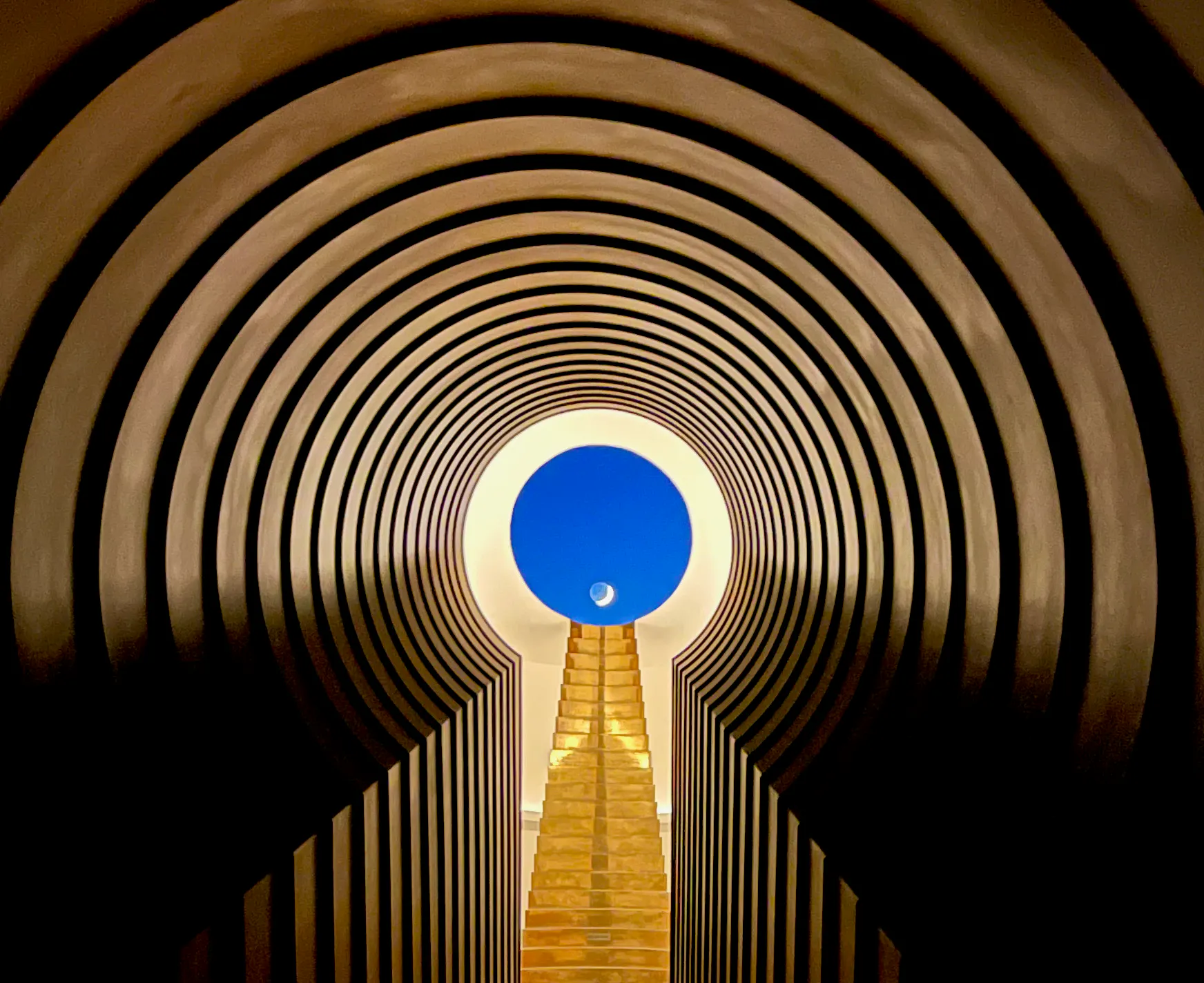
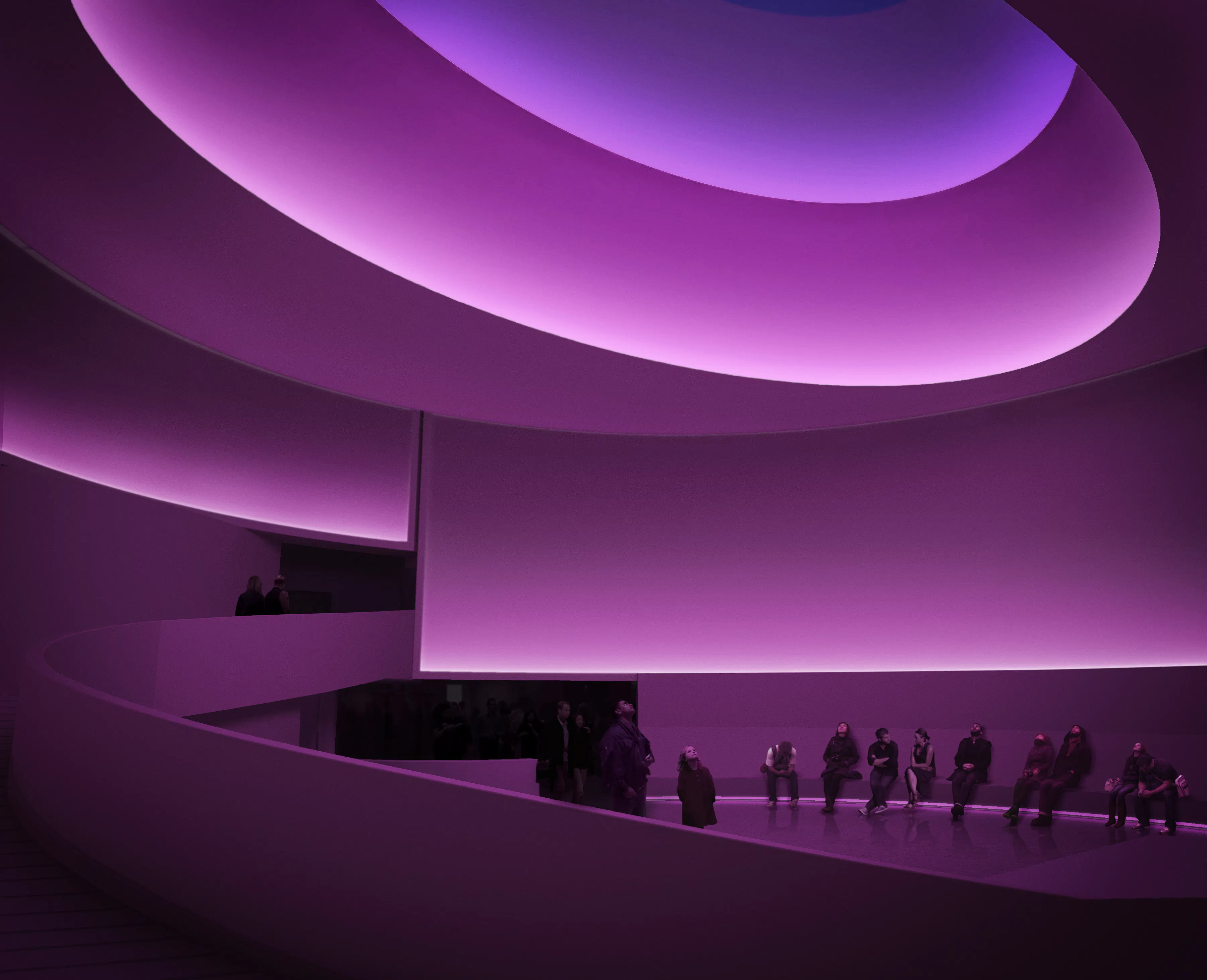
James Turrell is a celebrated artist whose work has received international acclaim. He was awarded the prestigious Guggenheim Fellowship in 1974 and has been honoured with retrospectives at major institutions, including the Guggenheim Museum and the Los Angeles County Museum of Art (LACMA). In 2014, Turrell received the National Medal of Arts from President Barack Obama.
See also: The 10 Most Expensive Living Artists
Celebrity and Pop Culture
Turrell’s work has captured the imagination of celebrities and musicians. Drake’s music video for “Hotline Bling” was filmed in different Skyspaces created by Turrell. Kanye West, who once expressed a desire to live in a James Turrell artwork, had a home designed by the artist as a birthday gift. Kendall Jenner purchased Turrell’s installation Scorpius for $750,000, and parts of Beyoncé’s Formation tour set were inspired by his light designs.