
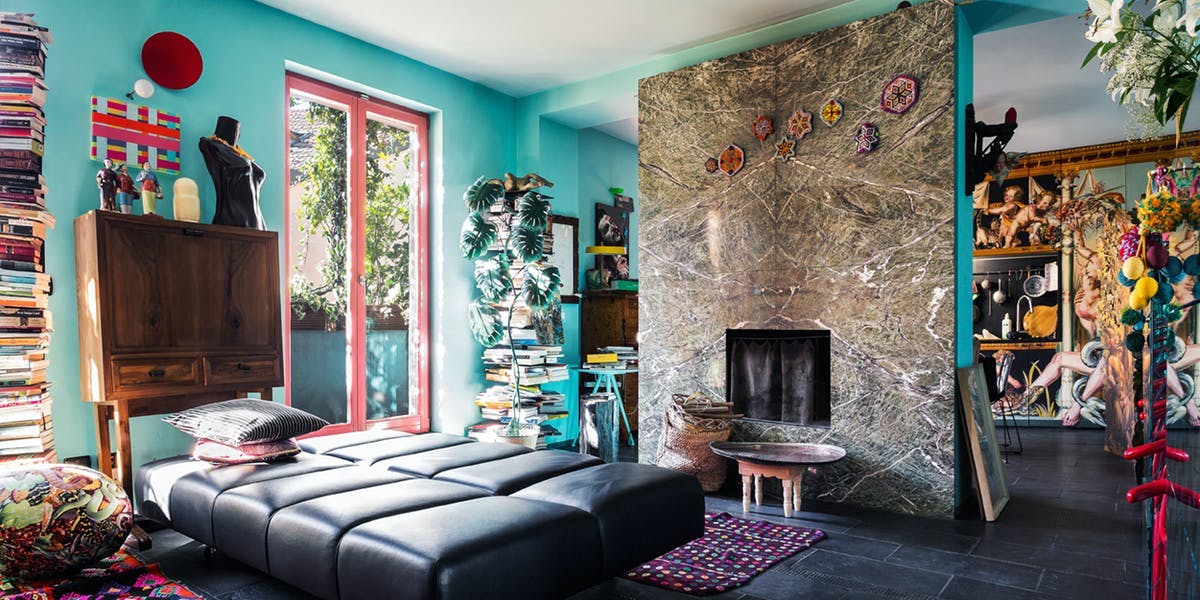
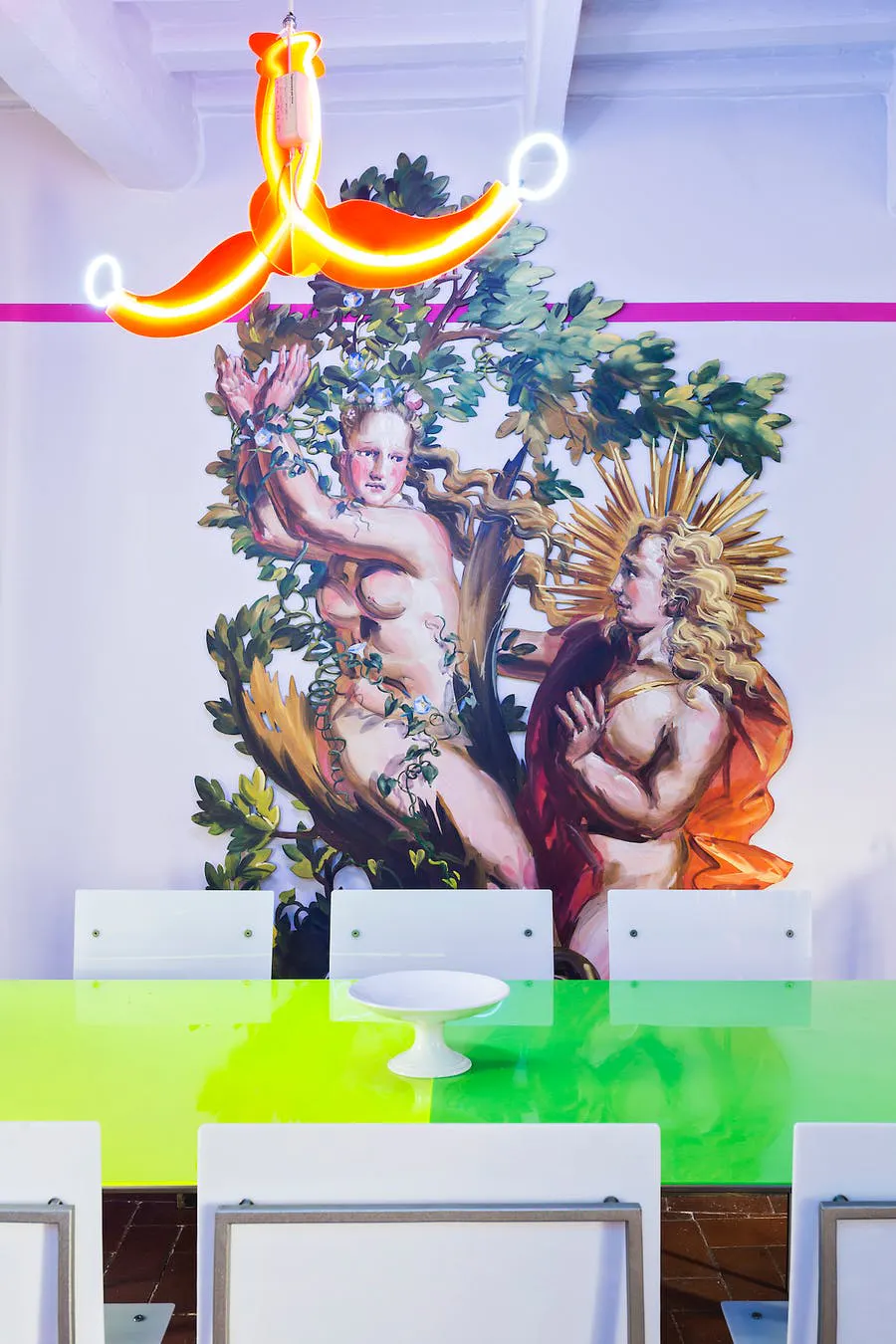
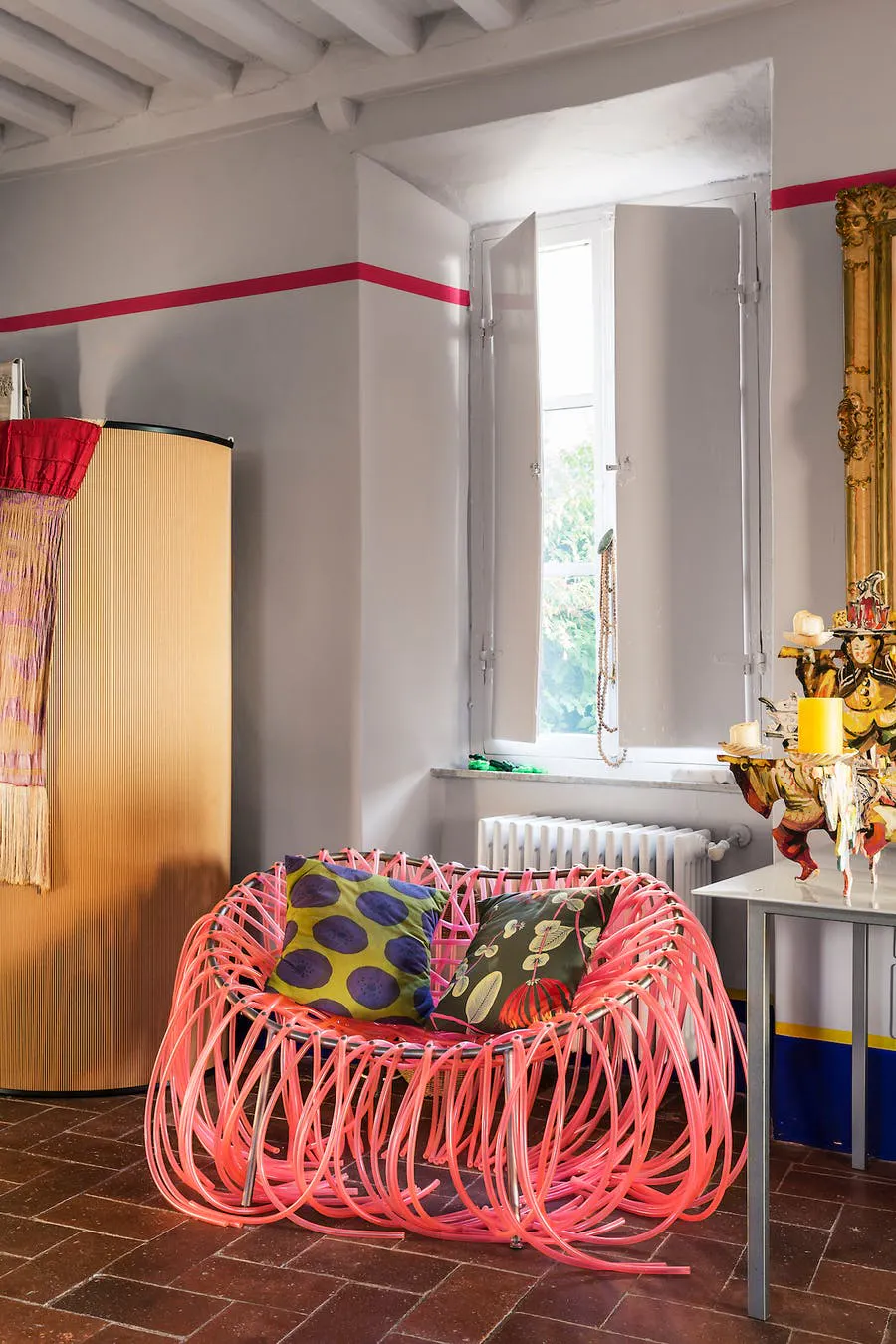
Bubblegum pink chairs and acid-green walls capture a groovy '70s feeling, materials such as Carrara marble, wool carpets and red velvet mix playfully, and a delightful swirl of eccentricity transports you directly into Hamel’s creative mind at his Tuscan villa. The international design consultant shares his design inspirations, favorite piece of furniture and the painting he wishes to acquire.
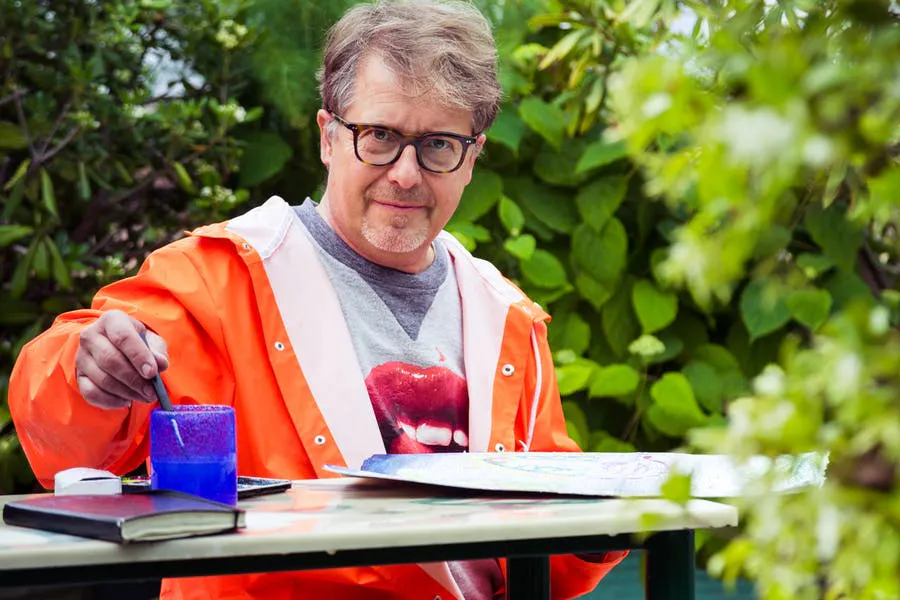
How would you describe the style in your home?
It’s difficult to define the style of my house, if not as a manifestation of my own personal style and taste! I feel like a failed punk, but it’s certainly the sublimation of punk. I collect Vivienne Westwood clothes and she is a style reference for me. Projecting tradition into the future with a strong revolutionary attitude. To find something sacred, something so important that it enters into your private sphere is not an easy exercise. Kitsch can be triumphant if you commit yourself to it. I try to be sincere, that’s my style.
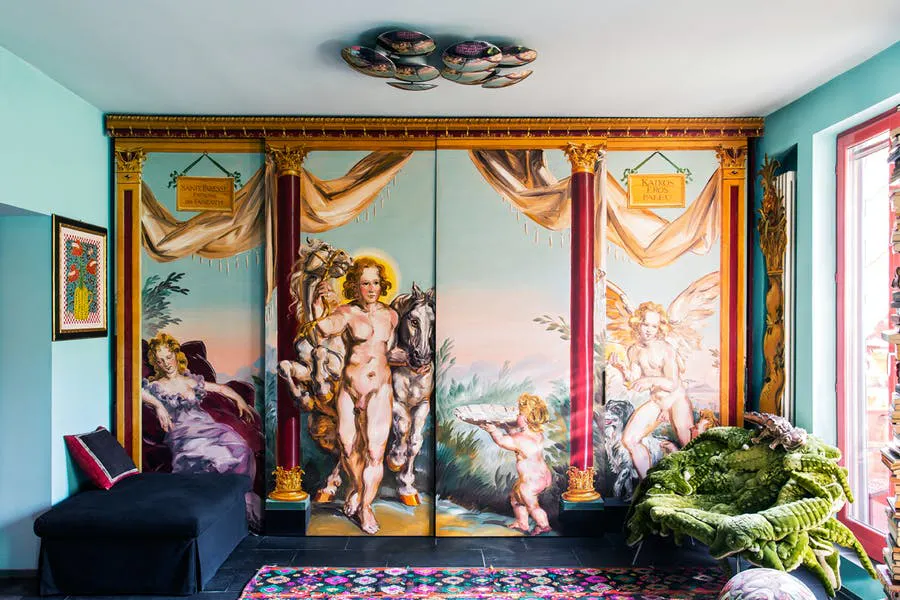
What influences you?
History is one of my fundamental inspirations. The factuality of history is fundamental, you cannot change it; events unfold and remain unchangeable at the core, despite ex-post interpretations. As nature doesn’t lie, one has to cope with the sacred, this is my latest obsession.
Related: The 10 Most Popular Furniture Designers
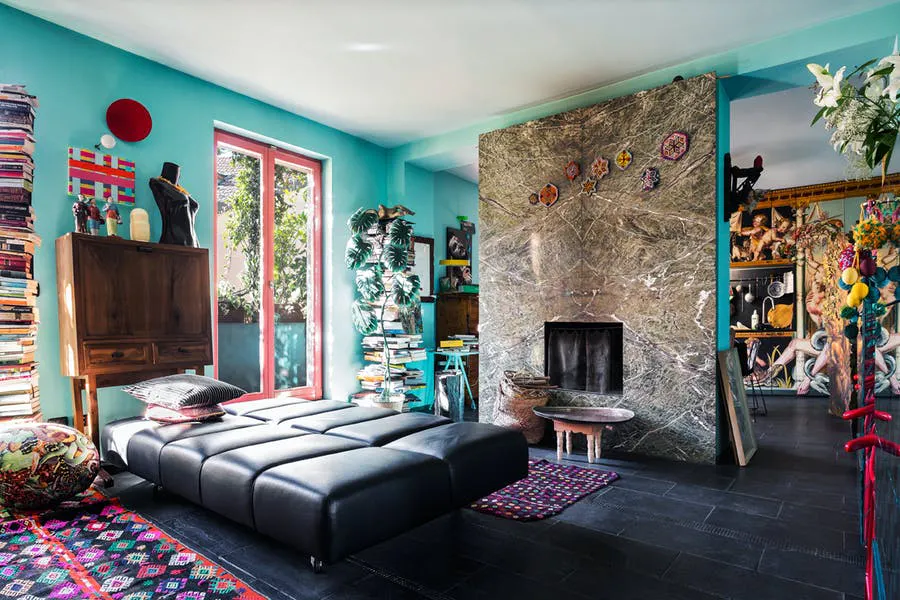
Do you have any piece of furniture or art at home that you could never part with?
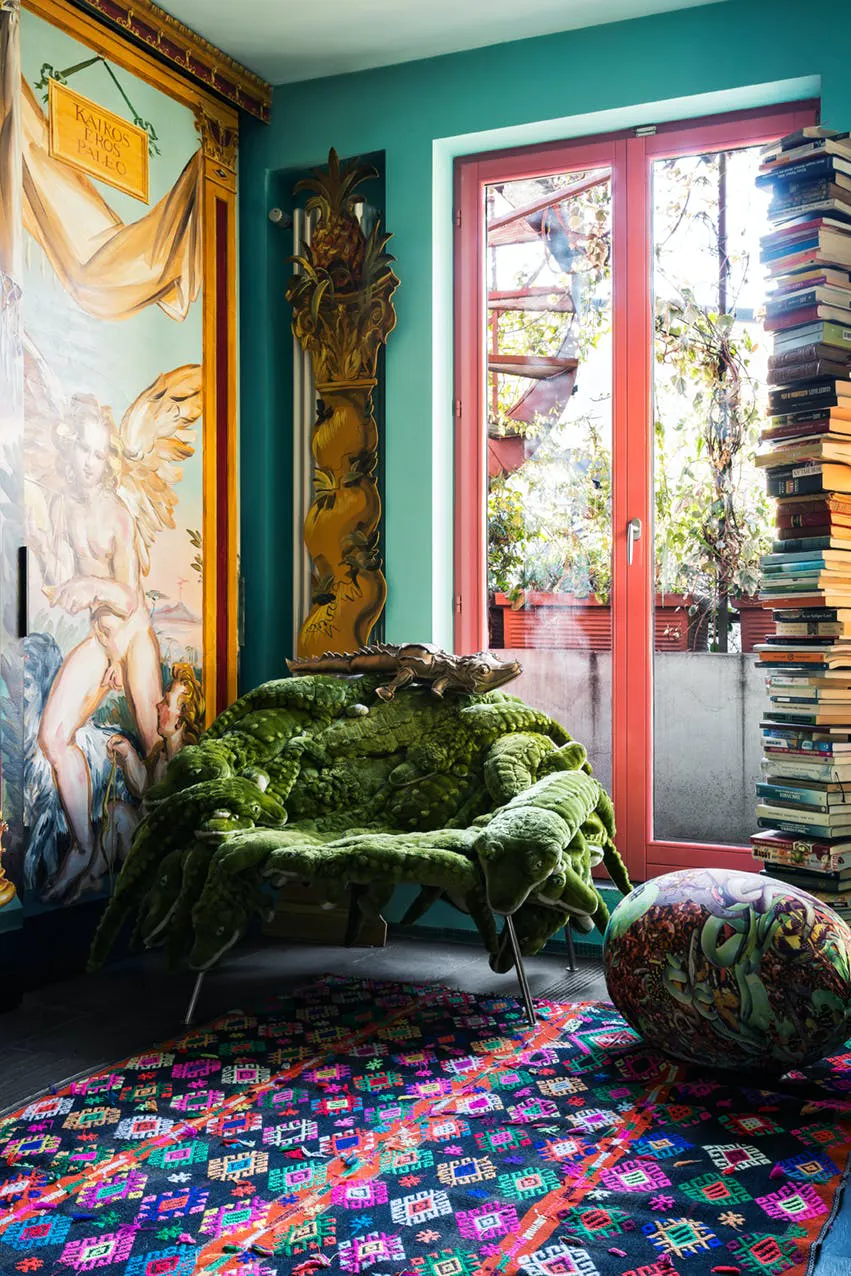
Everything is in transition, so never say never. I would be upset if I lost my crocodile chair by the Campanas or the Fontana Etruria!
Do you have any style icons (for interior design), that you always return to?
Ettore Sottsass, Alessandro Mendini, Massimo Morozzi and the Campana Brothers.
You are working with a lot of bold and vibrant colors in both your homes and in the line of carpets you are designing - where does this immense love for color come from?
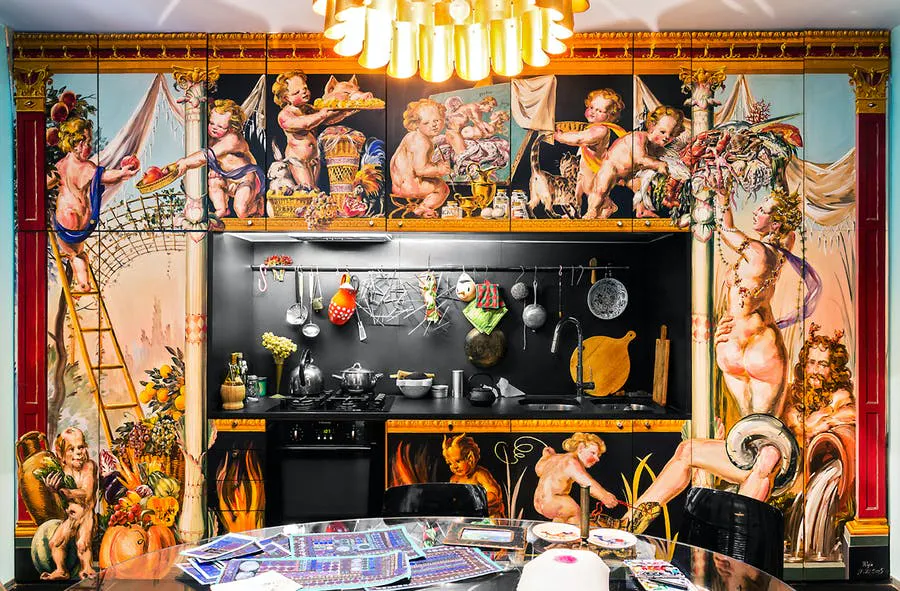
I love colors, better to say I adore colors and their power of healing! Colors are therapy, and should be used with much greater care.
One can create sensations with colors, I observe and work with colors, changing with the shades and shadows, or indeed the sunset that makes everything change.
Related: A Spectacular Art Villa Under the Tuscan Sun
You also have a big passion for nature and fashion, do these two interests influence your vision for your design projects?
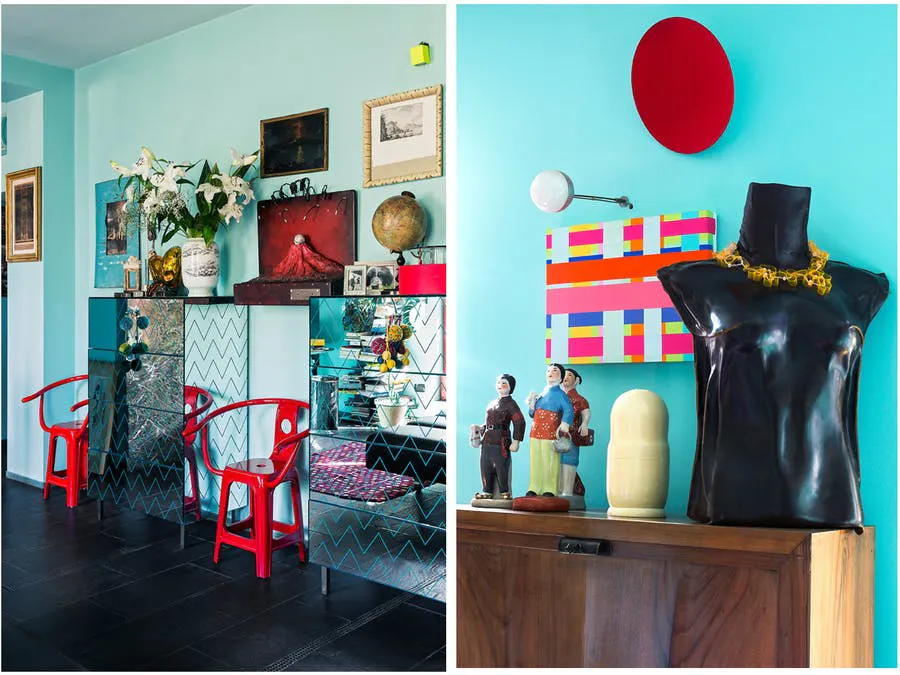
Nature is the most organic and pure inspiration! I am always trying to get nature indoors as much as possible. Fashion is not necessarily an inspiration - it influences. I would allow myself to say that design is more influencing something that was called fashion. Today it is fashionable to ignore fashion, everything is possible. To have a strong character, to know how to appear, seems to be in vogue. Hence fashion is not important for my interiors. It was important for my exteriors - through Vivienne’s influence it is now a more sentimental touch to create ones’ day.
Is there any specific time period which you find particularly inspiring for your own personal or interior style?
My preferred historical period is the present!
Related: A Designer’s Dream Hotel Becomes a Reality
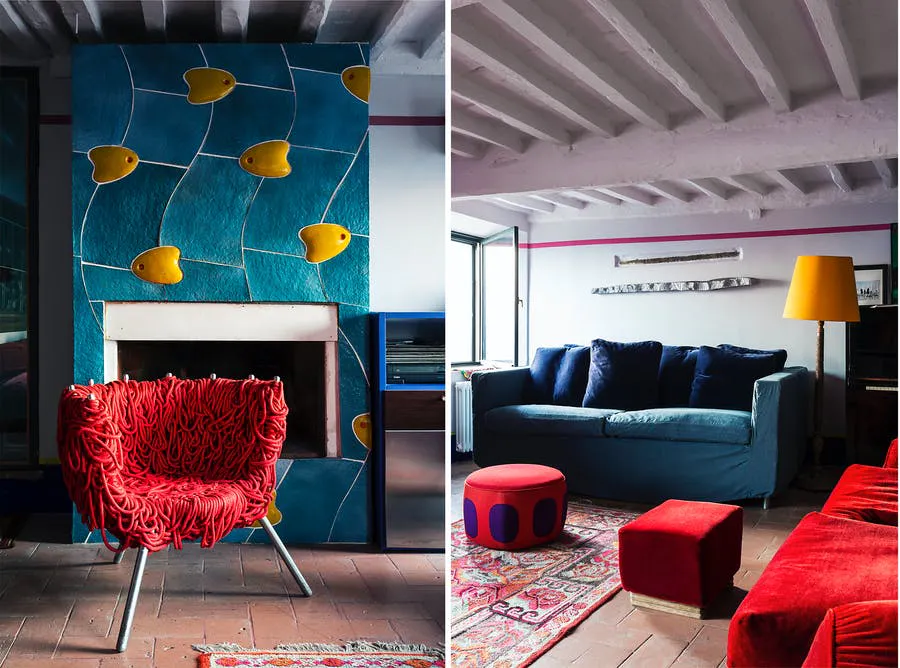
What are the essential key elements to create a beautiful home, according to you?
Creating your home is a psychological moment! You need to know what you need, what you are, and how you want to grow up. Your decorator is your analyst. If you have no will and no understanding it’s better to change hotels frequently.
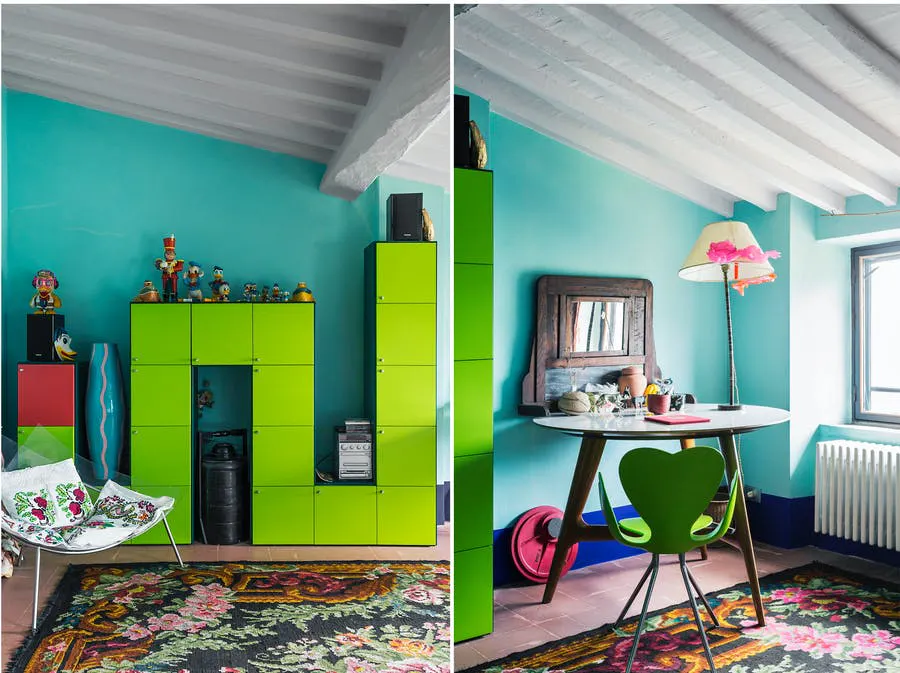
Do you usually buy vintage pieces? What is your greatest find so far?
Once I found two armchairs by Josef Frank outside my front door. An old lady in the building in Vienna where I lived had passed away and everything was left in front of her door.
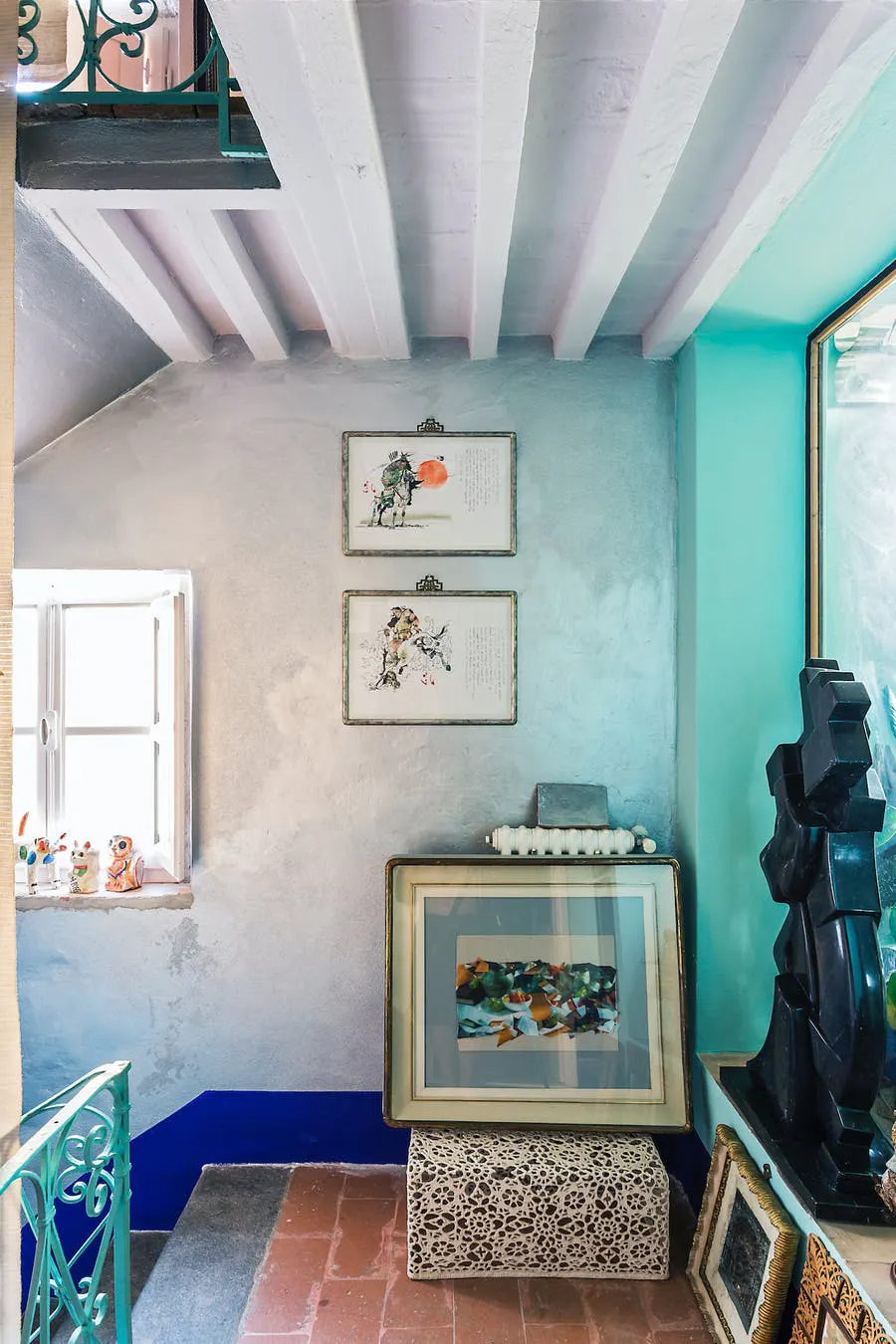
Do you plan to acquire any specific piece of art for your home?
My next art or design acquisition will surprise me when I discover it.
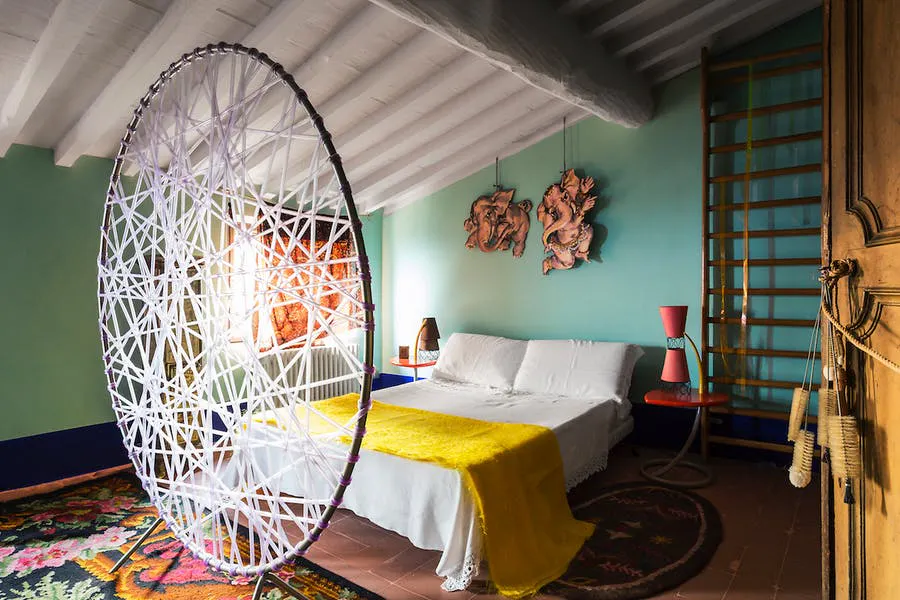
If you could have any home in the world - which one would you choose?
I would choose a big glass bubble that is transported by the wind.
Related: The World's 8 Best Art Hotels
What do you usually do on a free Sunday?
I don’t understand the concept of a free Sunday! I wish I’ll never get bored, not even when I’m dead.
What is your top piece of advice for someone who just started to acquire pieces in auction houses or vintage markets? How does one find those rare gems and desirable classics?
Nowadays everything has changed, and you do not find things by chance any more. The rare gems that I find, I discover because I know what I desire and know where to look.
If you could choose one piece of design or art work in the world to add to your own home/collection, what would you choose?
I would choose something unexpected! If I have to give a conventional answer I would choose Composition avec Arch Noir by Wassily Kandinsky.
Written by Malin Ebbing
Photographer Simone Furiosi