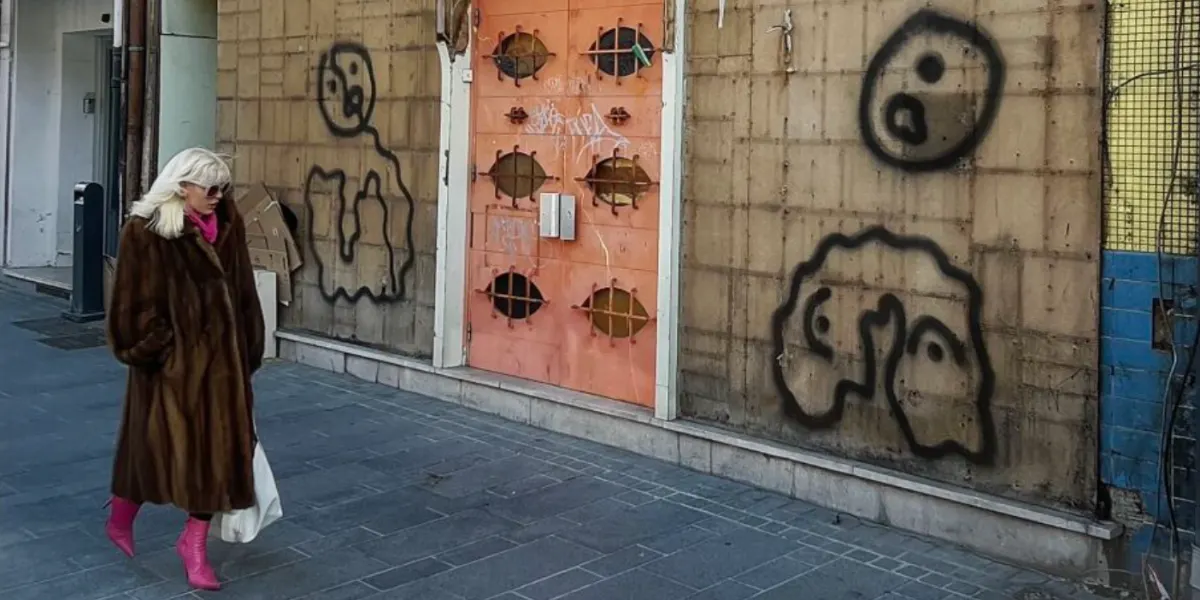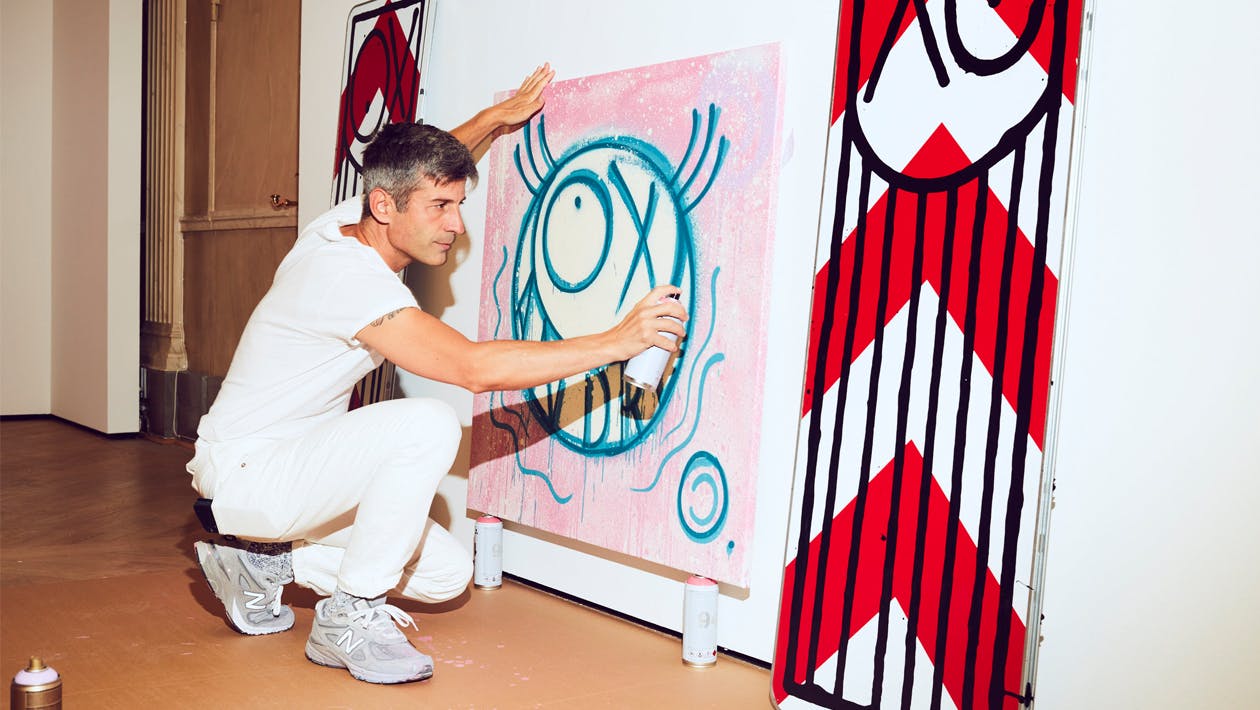
Have you met Mr A? Chances are pretty good that you have. After literally hundreds of thousands of appearances all over the world, this little, flirtatious cephalopod in a top hat has become a familiar feature of the urban landscape. The creator himself, André Saraiva, has joined a global community of street art stars, where he rubs shoulders with legends such as Keith Haring, Jean-Michel Basquiat, and Futura 2000. He recently visited Stockholm to honor Polar Prize winner Grand Master Flash by designing the party invitations for the award ceremony – and to open an exhibition at CFHILL.
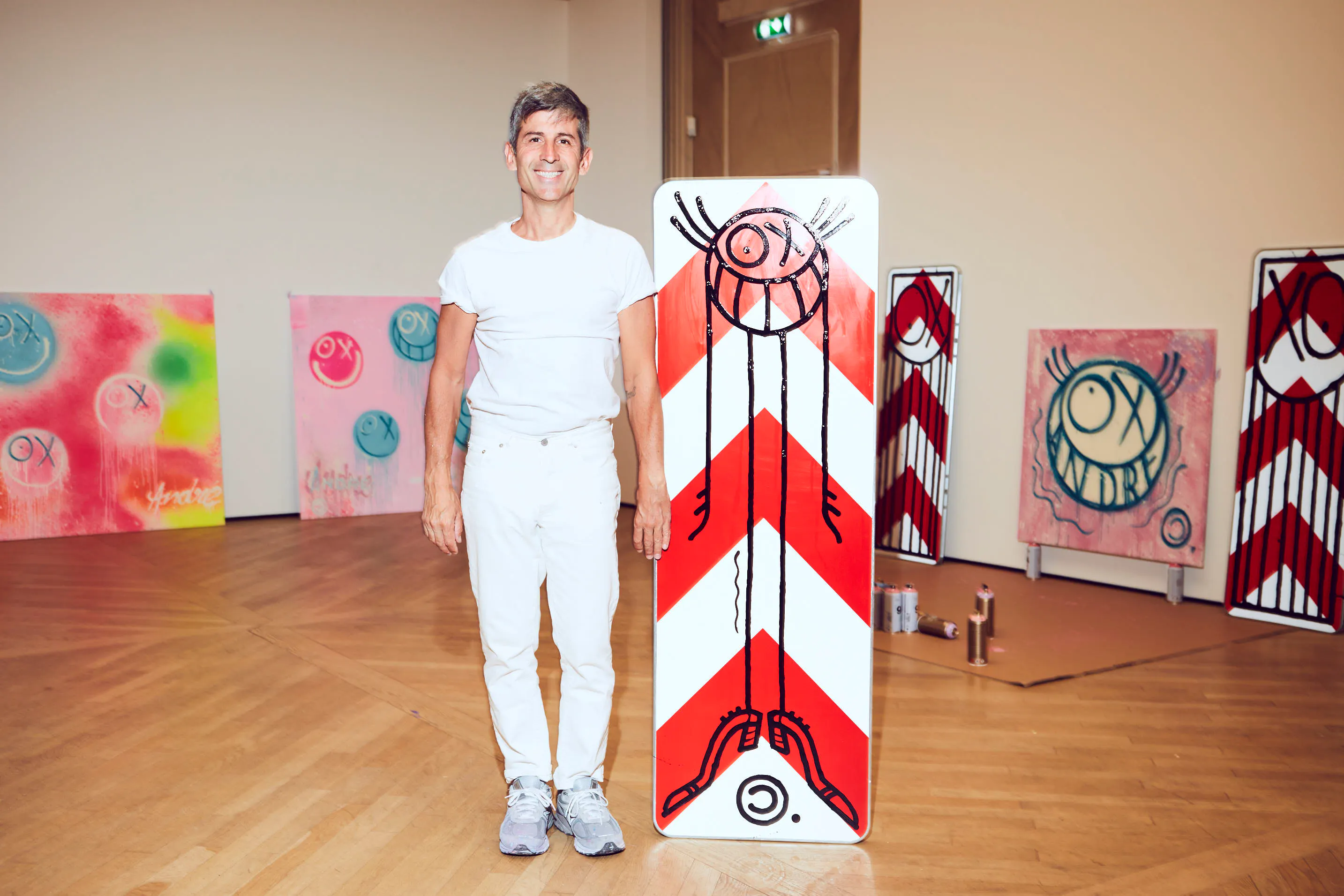
Do you remember your first Mr. A?
I started to paint my character on the walls of Paris in the late eighties. Back then, I had already covered the city with my name André. Mr. A became my signature and totally replaced my name.
You keep letting Mr. A appear all over the world. Could you try and express what makes him so lasting?
By doing a figurative and minimalist character, I felt that it could be more accessible than letters to people internationally. Anyone could understand him—no matter their language, age, culture. I always said that Mr. A was mine until I drew him on the wall, and then he would belong to the passerby.
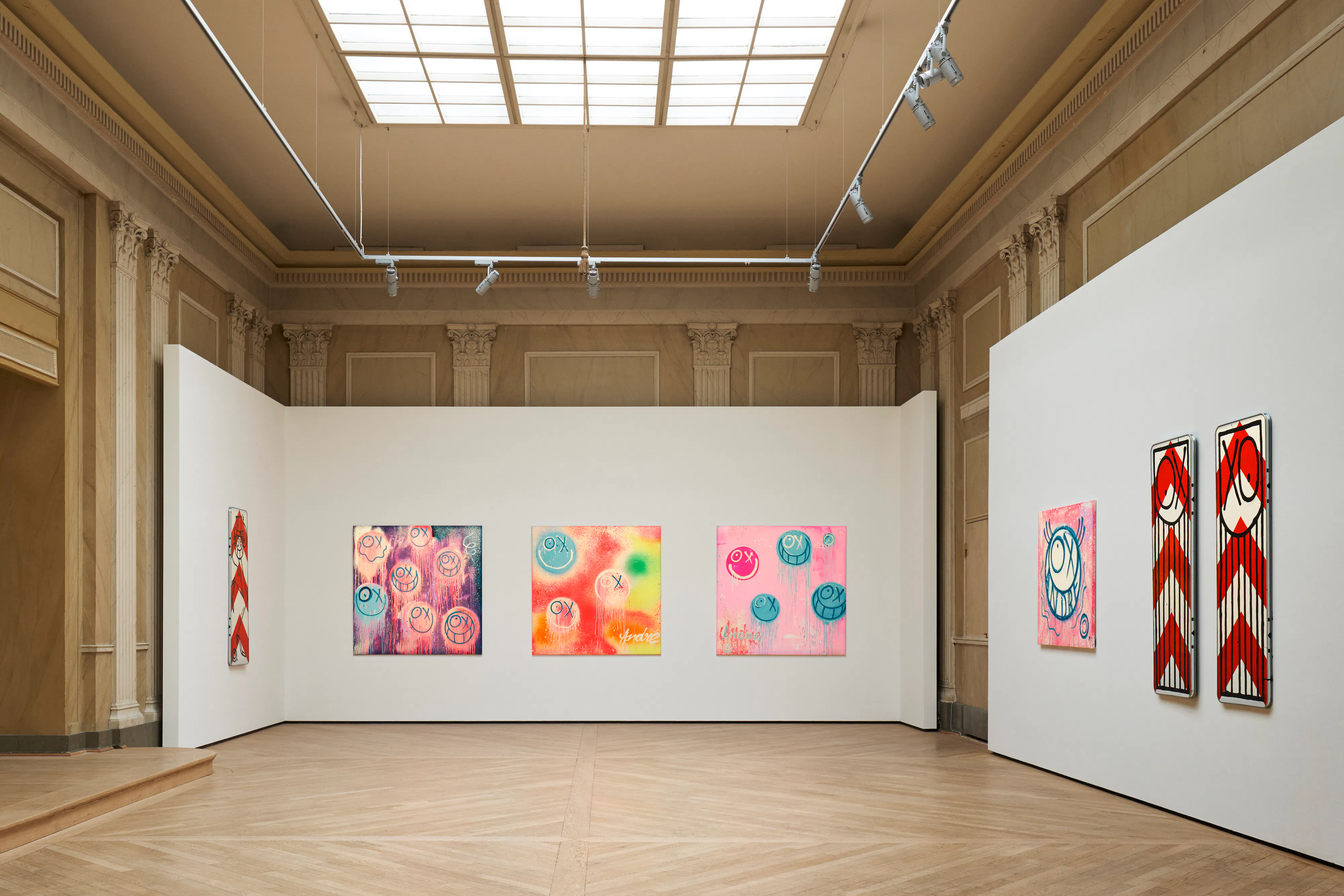
In the interview in Kulturnyheterna, Swedish Television, you mentioned that your work in the gallery (such as CFHILL or Palais de Tokyo) isn't street art, but something else. Could you elaborate on that?
I think that graffiti—and its essence for me—is an action that takes place in the streets and often illegally at night. Once I take that practice indoors to a studio or gallery, it becomes much more intimate work and a more classical art practice. Of course, the forms that develop on the canvas represent what I do on the street, but they’re not graffiti. It’s only art.
How would you describe your exhibition at CFHILL? Are the fluorescent colors and the music posters a new theme?
Coming to Sweden a week early to work on site at CFHILL to produce most of the show was amazing. I had a great selection of colors and spray cans at my disposal—more than my usual pink and blue. I think some of the painting came out more colorful and crisp due to the clean and pure Swedish air.
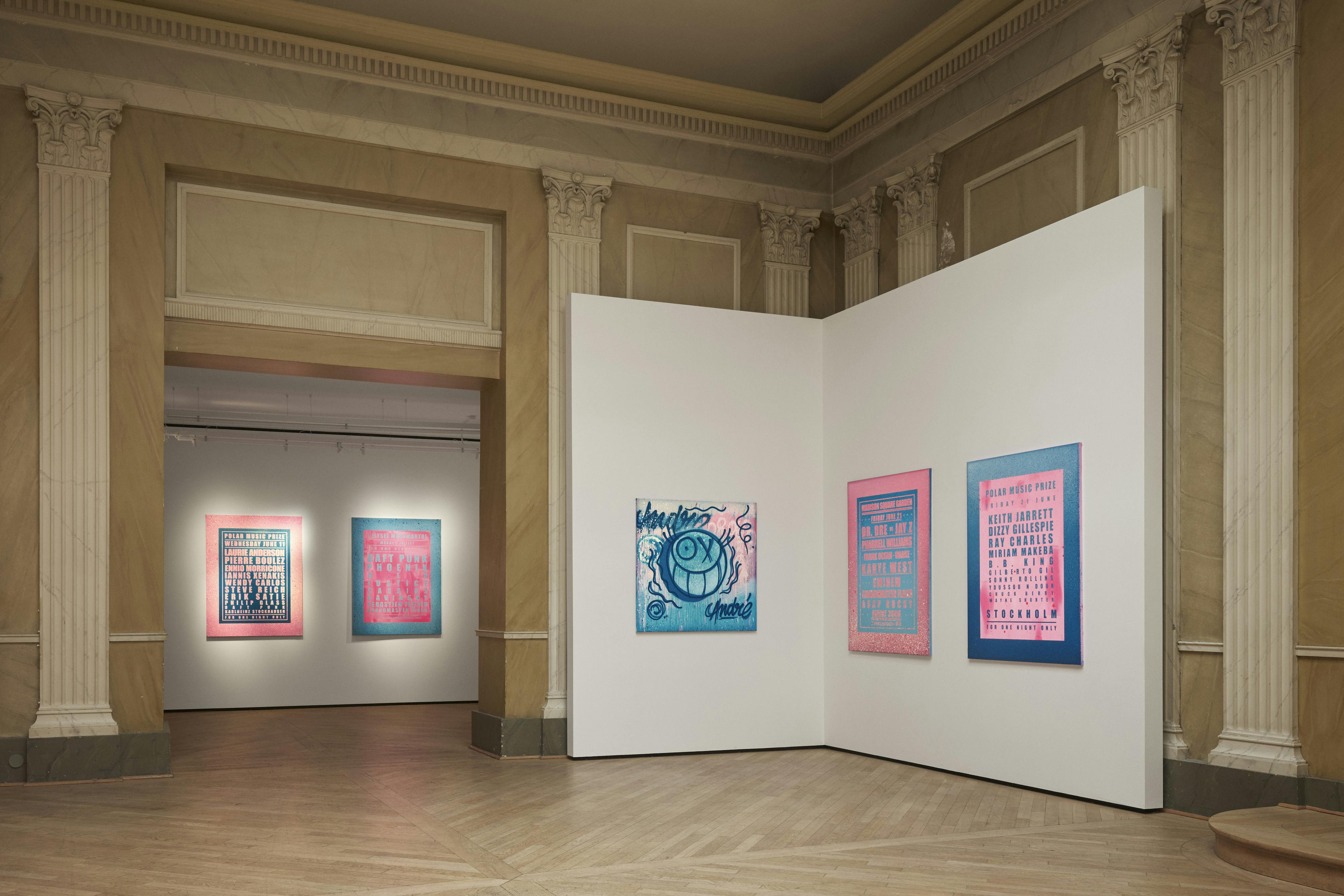
What does the color pink mean for you?
Pink has always been my color from the early days of tagging. It’s a nice color that goes with everything. It wasn’t used by many others because it wasn’t a very popular manly color. I was the only one wanting to use it.
What is your relationship to club culture in general and Grand Master Flash specifically?
I used to paint graffiti at night all around the world. The only places I could find refuge after street painting were nightclubs and bars. I always felt very comfortable and accepted there. I used to be an outsider and renegade during the day. I found a place where I was recognized for who I wanted to be. Later on, I started hosting parties and opening nightclubs to perpetuate this feeling for others. A place where outsiders and artists could reunite. Where the values were not fame or money, but real human interaction. Hip-hop has always been my favorite, too. With Grandmaster Flash, “Don’t push me ‘cause I’m close to the edge” always stuck in my head. It was the soundtrack of my life.
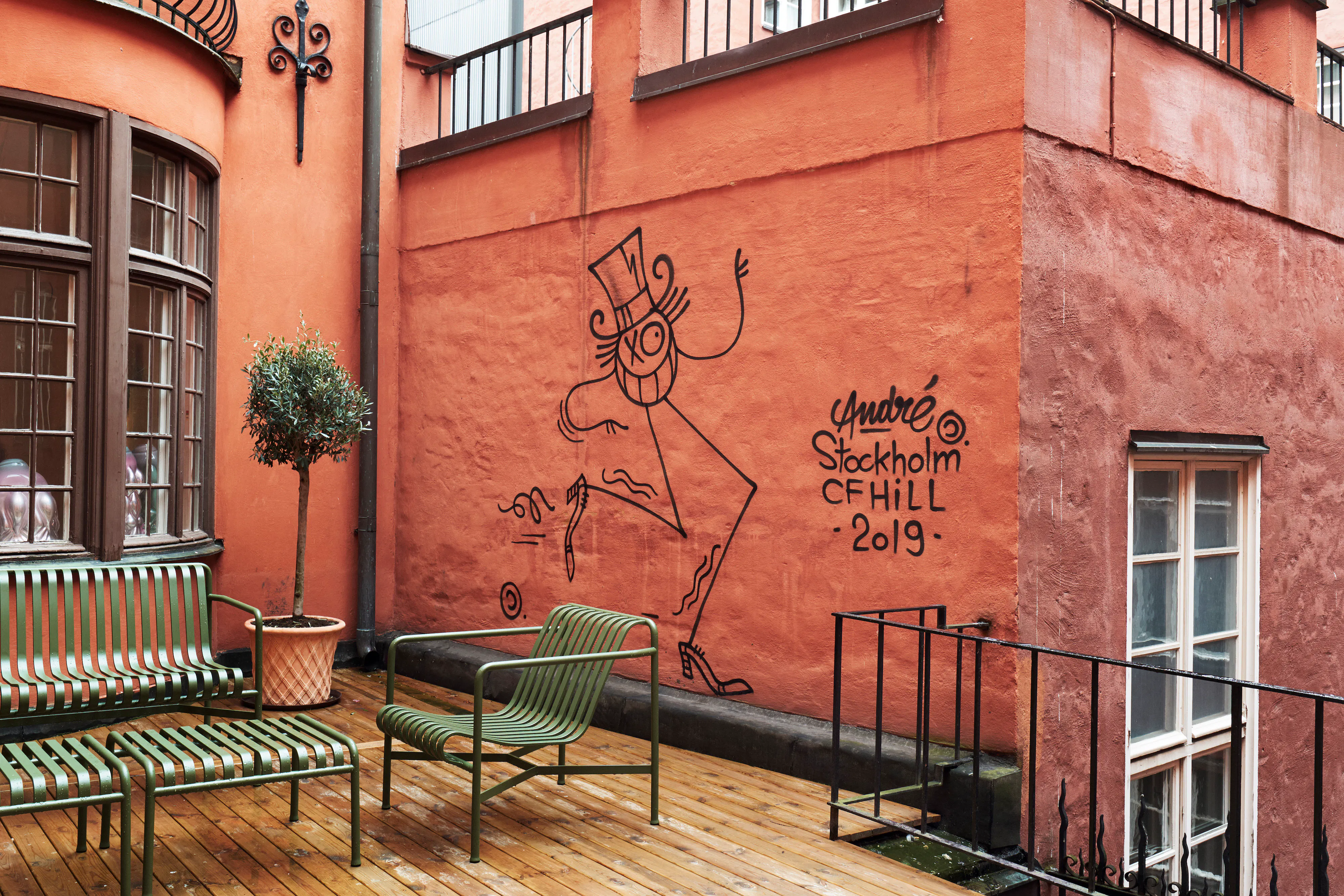
Where in culture would you place the artistic phenomenon of street art? Should society accept it or is the rebellious side important for its raison d' être?
Graffiti and street art is part of our culture today. Most adults and young people have grown up with it as part of their decor and environment. That said, I still think street art should stay illegal—it’s part of its DNA. That language, aesthetic, and meaning is part of the art today. I think graffiti is maybe the most important art movement since the Renaissance and is a beautiful and pure way of storytelling.
Do you have any thoughts on Stockholm and our street art culture?
Stockholm and Sweden were early in adopting street art culture in the eighties. Still today, they keep it very real and hardcore. You can see that it’s an important part of what builds Swedish society and culture today.
Saraiva's exhibition at CFHILL runs through July 5.
Photo: Pierre Björk and Magnus Mårding