Barnebys: What was the impetus for opening Zeit Contemporary Art?
Joan Robledo-Palop: The foremost motivation for creating Zeit Contemporary Art was to work with artists and collectors. It is truly a pleasure to be the first one seeing and presenting the work of an artist as well as to help an art enthusiast to put together an extraordinary collection. My previous experience was as a scholar and museum curator. At some point, I realized that founding a firm devoted to modern, postwar and contemporary art was a great opportunity to expand on my previous engagement with art. I was also inspired by the transformative cultural landscape led by art dealers in New York. I’m excited to be a part of a larger conversation within the art market and offer museum-quality exhibitions and scholarly publications. I’m also motivated by the idea of shaping the landscape of what we call contemporary art today. I found in the art market a stimulating juncture for research, innovation and experimentation with the new.
What do you look for in artists that you represent?
I look for the new and exciting, but also for what is here to stay. I’m interested in artists that stand out and have a powerful and well-informed dialogue with their predecessors. I understand the work of artists contributing to the history of art like scientists contributing to science. Some artists advance the notions of art a few steps while others introduce a total revolution. I’m thinking of Goya, Duchamp, Picasso, Bourgeois and Warhol, if we talk about Western Art.
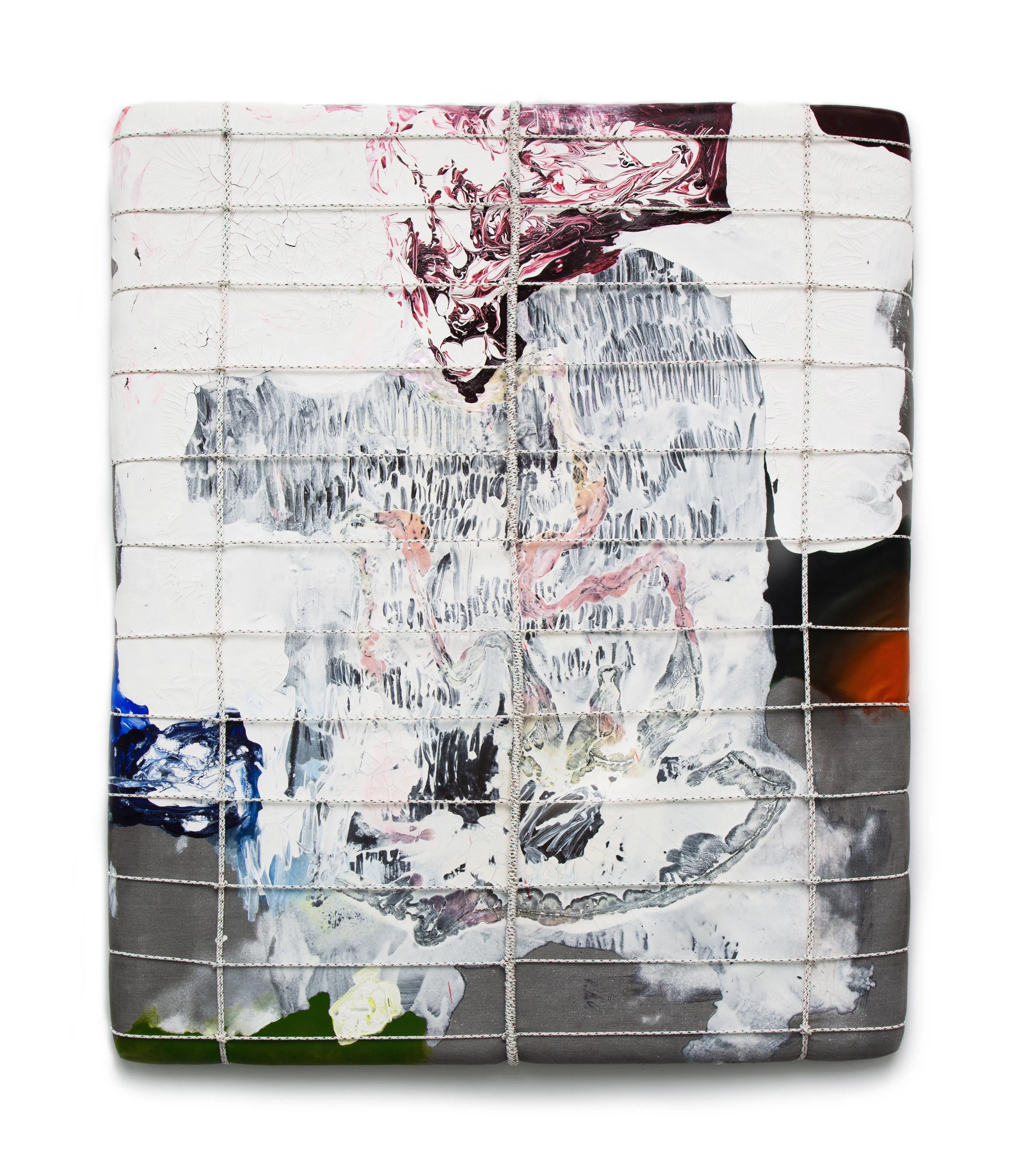
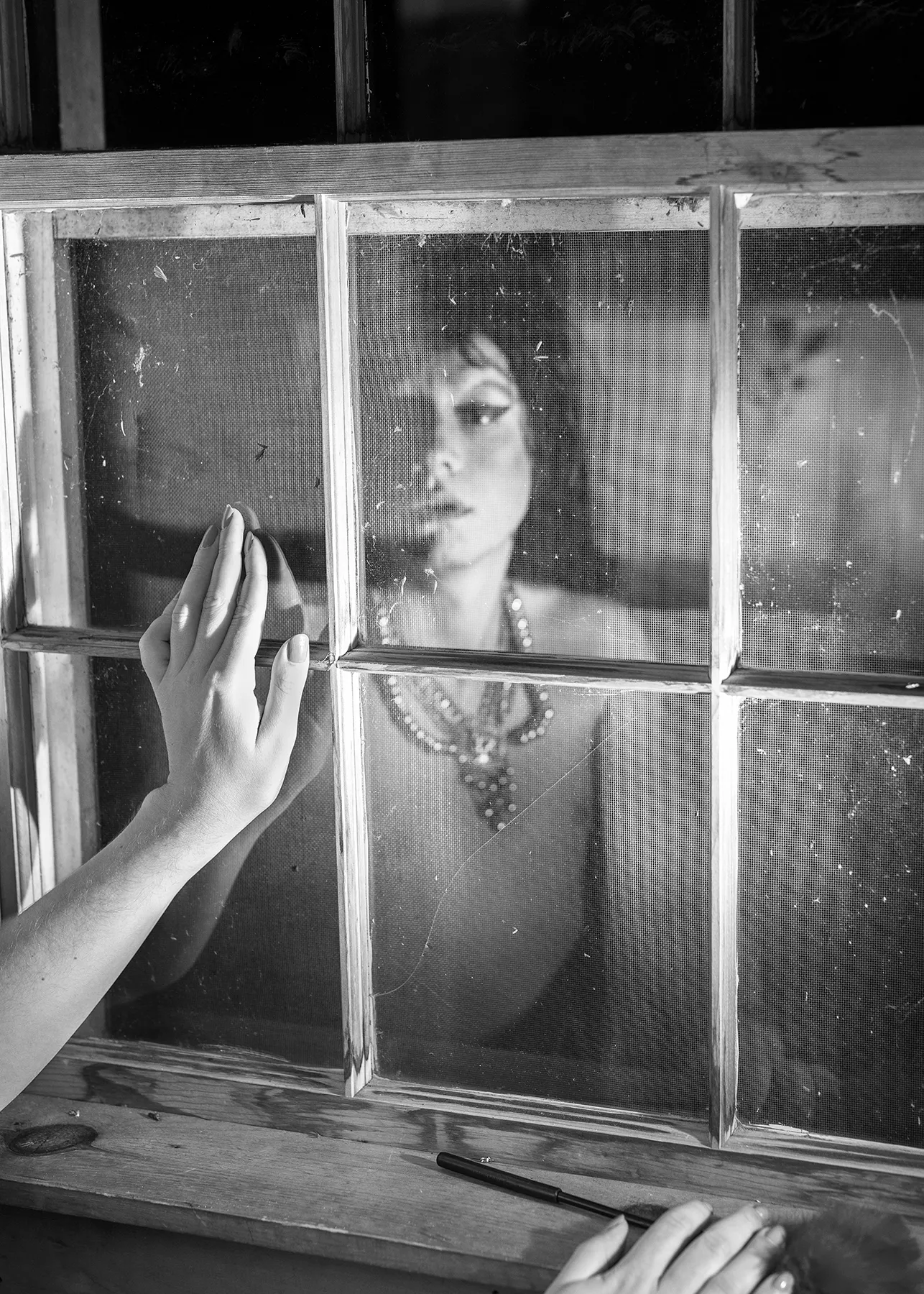
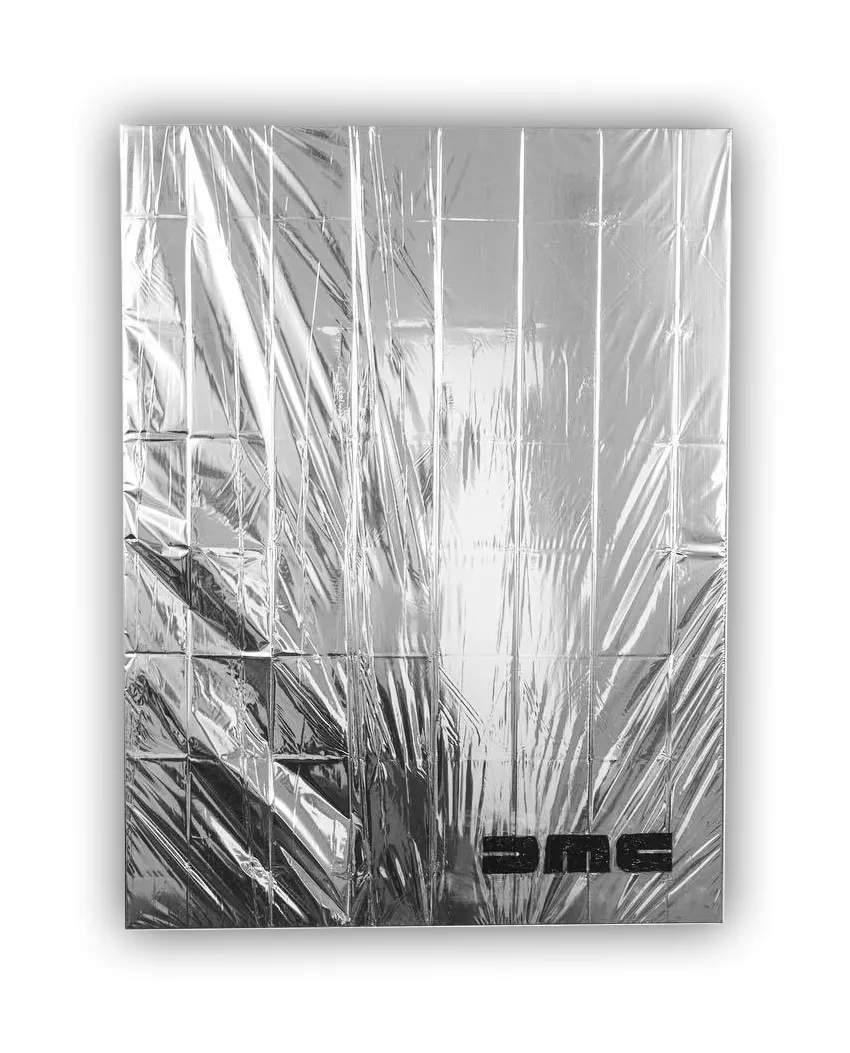
I started representing the work of Bryson Rand and Julia Rooney, two graduates from the Yale School of Art, whose work impressed me when I first discovered them at Yale. Bryson is a photographer working mostly in black and white. He has devoted the last few months to making a series of intimate portraits of friends and other artists while he was in residency at Skowhegan School of Painting & Sculpture. Julia is a painter dealing with concepts related to domestic and public spaces. Her most recent work engages with the politics of contemporary America. Most recently, we started working with Vincent Tiley, a graduate from the Art Institute of Chicago. We organized the first exhibition dedicated to his Rope Paintings, which can be described as performative objects evocative of the presence of the body. A few days ago, we just announced the representation of Erik Esso, one of the most talented and sought-after artists in Munich, Germany --he is just 20 years old, but he is already creating an important body of work.
How did you choose the subject of the current exhibit, Eduardo Chillida: On Paper?
I first discovered the work of Chillida as a child when I visited Chillida-Leku, his museum in Hernani, which is a small town a few miles from San Sebastian, Spain. Right away, I was impressed by his understanding of space and the use of heavy materials such as iron and steel. For a young child, it was fascinating to imagine how the artist was able to manipulate those industrial materials and create abstractions that follow the rhythm of nature. Chillida-Leku works as a sculpture park entirely devoted to the artist. The core of Chillida-Leku is a 16th century caserio emptied by the artist to host exhibitions and small-scale works. There, I entered the universe of his works on paper, all in black and white.
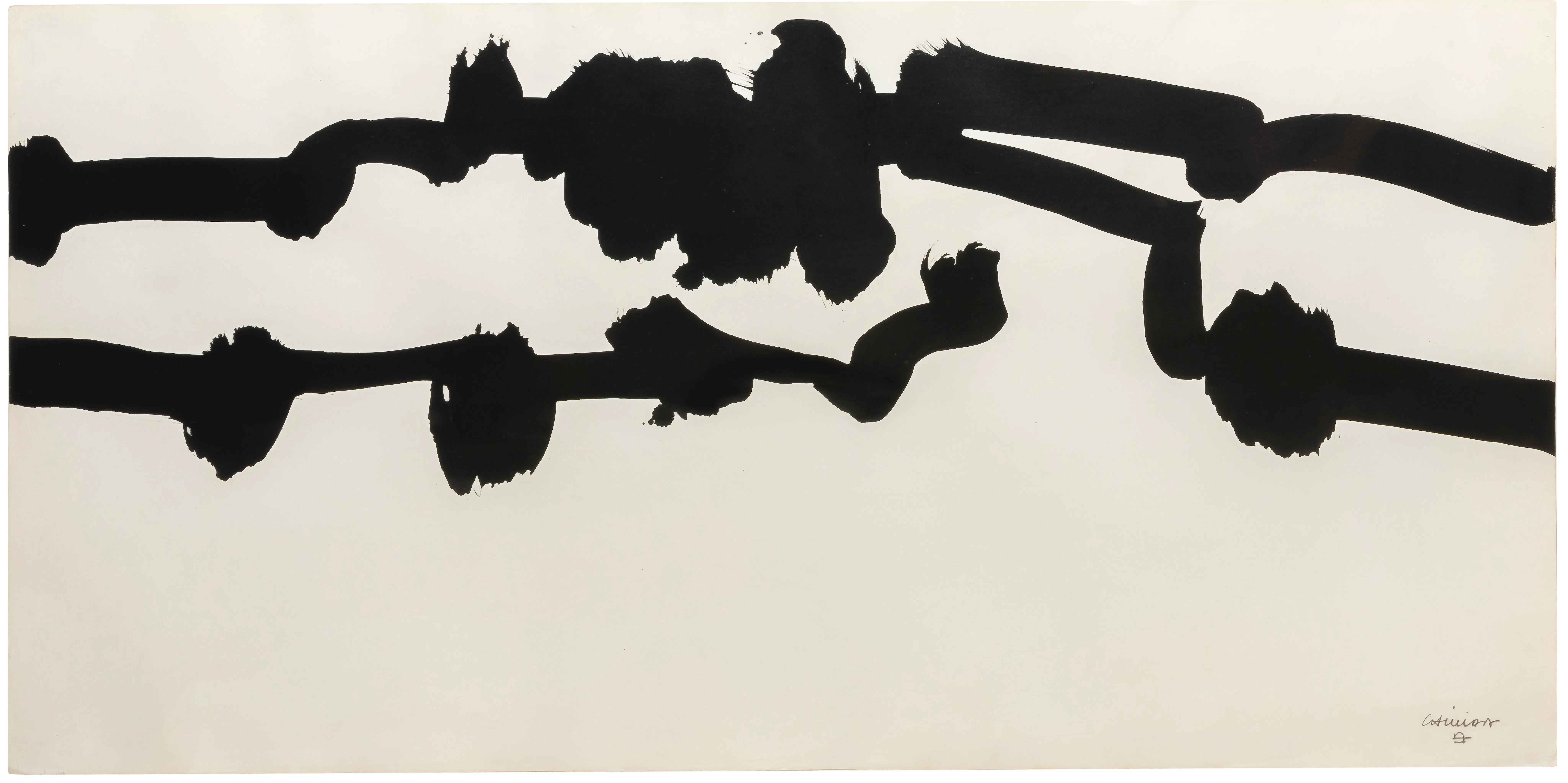
Chillida’s prints and drawings are radically different from his sculptures but they equally address concepts such as scale, materiality and the limits of space, so central to Chillida’s oeuvre. At the same time, their aesthetic and two-dimensionality was perfect to create an online exhibition. We have put together nearly 60 works, including collages, drawings and prints. The response has been huge in terms of interest, from museum institutions to private collectors around the globe.
What should a visitor to the exhibit know about Chillida and his work?
You need to know that Chillida is one of Europe’s foremost sculptors of the second half of the 20th century. I like to think of Chillida as a poet of space. Like many other important sculptors such as Julio González, Alexander Calder and Richard Serra, Chillida has devoted a significant part of his career to creating works on paper. While they are an extension of his experiments about space, they stand out as autonomous creations. He made important innovations in the field of printmaking, expanding the possibilities of woodcuts and etchings. Other things that people don’t know about Chillida is his radical contribution to collage in the 1950s. His early understanding of paper as matter gave place to his Gravitations, hanging sculptures made of stitched papers.
You wrote your thesis on Francisco Goya, but now mainly focus on modern and contemporary artists. What inspired the shift?
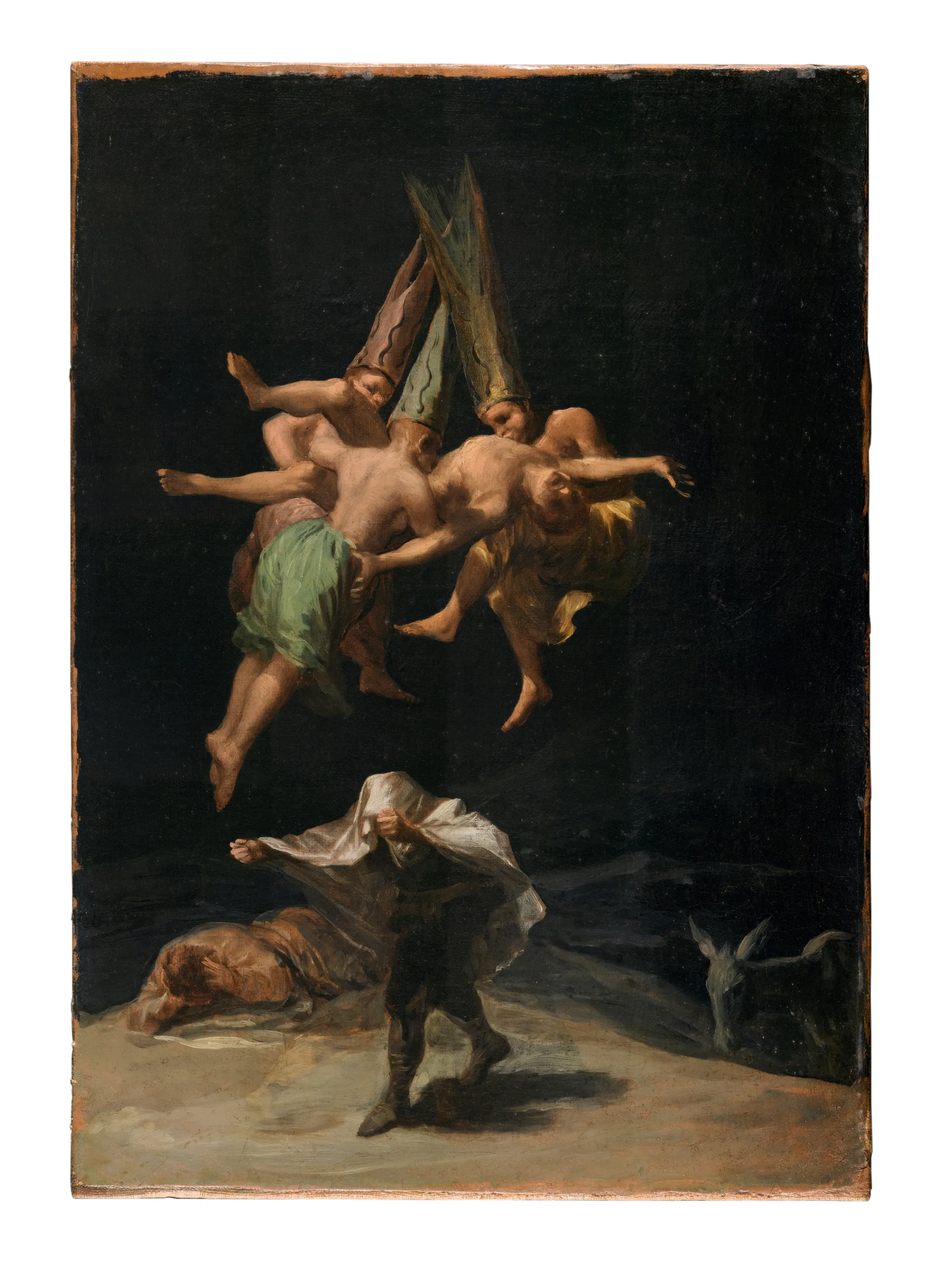
I first started working as a museum curator at a very young age. My work was to look for new acquisitions, organize exhibitions of post-war and contemporary art and publish the accompanying essays and catalogues. I was constantly asking myself about the origins of what we call modernism and its many aftermaths. When I went to Yale as a graduate student a few years later, it was the perfect opportunity to dig into the work of an artist who witnessed the transition to what we call the modern world. This artist was Francisco de Goya (1747-1828). Goya started as a painter of commissioned works for Catholic churches and royal palaces in Spain. Around the time of the French Revolution, his art gained in freedom both iconographically and in technical execution. When I go to the Museo del Prado in Madrid, I make sure to look again and again at Vuelo de brujas (Witches' Flight) from 1798. In this painting, the subjective world of the artist becomes the theme and even the brushstrokes become more fluid and less constrained by the canon of Neoclassicism.
My thesis focused on The Disasters of War, a series of 82 prints created between 1810 and 1815, and the way in which the art of Goya anticipated a new understanding of what it means to be human, a new dimension of human dignity, something we call today Human Rights. In a certain way, my work on Goya was an intellectual exercise to not only understand the history of art but also the present. I have no doubt Goya is the father of a new way of looking at the world.
What is next for you?
The first three years of Zeit Contemporary Art have been quite busy. The nature of our business is private sales. We are known for the discretion of the private viewing-room. Additionally, we organize pop-up and online exhibitions. The long-term plan is opening a permanent exhibition space in New York. We will soon participate in a few art fairs both in the United States and Europe. As a general rule, I’m not a big fan of art fairs. Art fairs are like speed-dating. The design of an art fair doesn’t offer the necessary conditions to appreciate and apprehend art in its full potential. Nevertheless, participating is going to be crucial for the artists we represent. My commitment is to give visibility to their work.