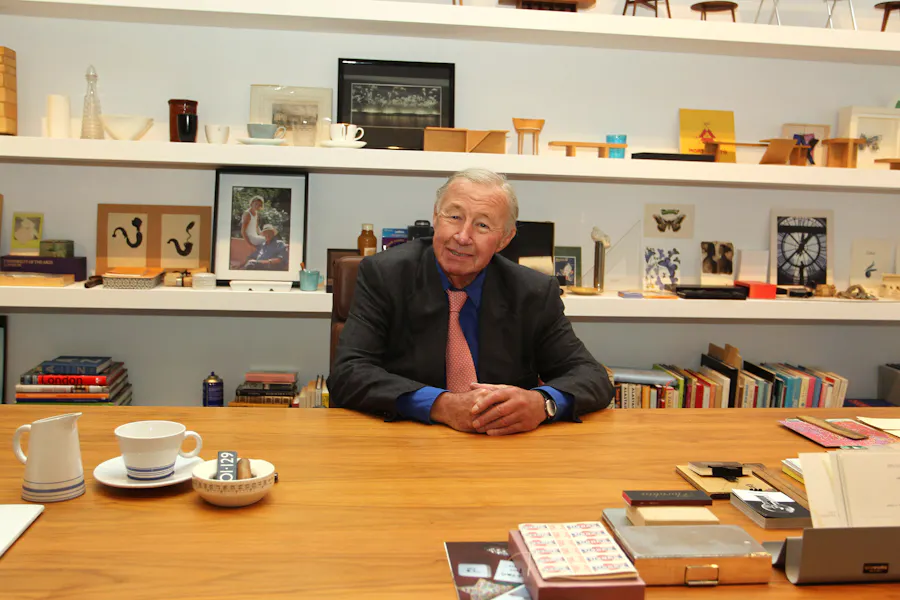
On September 12, 2020, the world lost one of the 20th century's leading design entrepreneurs, who infused a love of unique, affordable design into postwar Europe. Here, we look back on the life of Sir Terence Conran, who conceived of democratic design for all, years before IKEA.
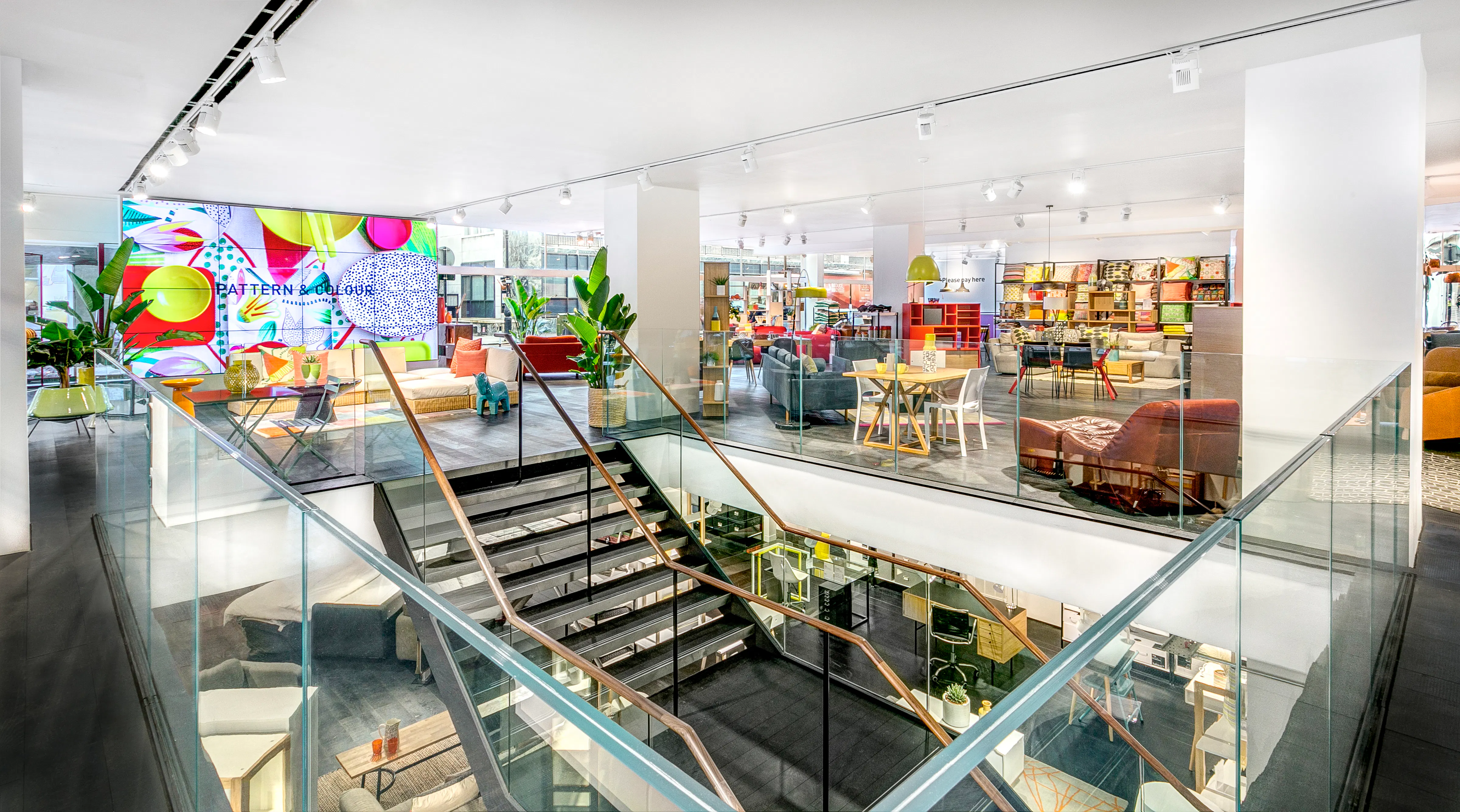
Conran was born in 1931 in London and studied textiles at the Central School of Art and Design. He then worked on the famous Festival of Britain in 1951, a post-war celebratory fair of Britain's arts and crafts achievements in London. In 1956, Conran founded his own company, Conran Design Group, which focused on contemporary interior design for shops and restaurants. Conran became a household name with the 1964 opening of his Habitat shop, a boutique of affordable and chic design homewares. Products ranged from colorfully upholstered flat-pack furniture and unique cookware to whimsical hanging lamps and pop-art printed duvets. An early precursor to an Ikea store, Conran wanted to make design accessible to everyone, believing it enhanced homes and lives especially after years of wartime challenges and rations.
Related: Ikea's Sources of Inspiration
Although he culled designs from all over, his main inspirations for his Habitat shop were from the Bauhaus and Scandinavian craftsmanship, according to The Conran Shop, his online retailer. From his Hector Bibendum Table Lamp, which takes its ridged shape from the Michelin Man's silhouette to the distinctive flair of the Matador Chair, his contemporary designs embody his functional-meets-fun aesthetic.

By the 1980s, Conran had expanded the Habitat chain into an international empire of lifestyle, fashion and design brands, collectively called Storehouse. In 1983, he was knighted by Queen Elizabeth II, changing his official title to Sir Terence Conran. He also took the helm of several major design and revival projects in London, famously including the Michelin House, the original headquarters of the tire company. Under his direction, the Art Deco behemoth was transformed into a major retailer and dining venue, with the Michelin-starred restaurant Bibendum. The Shad Thames neighborhood of London was also revived under Conran's vision, including the opening of the Design Museum in 1989. Revitalizing both London's cityscape and design scene, Conran was instrumental in establishing London as a major design-focused center in the second half of the 20th century.
Related: The 10 Most Popular Furniture Designers
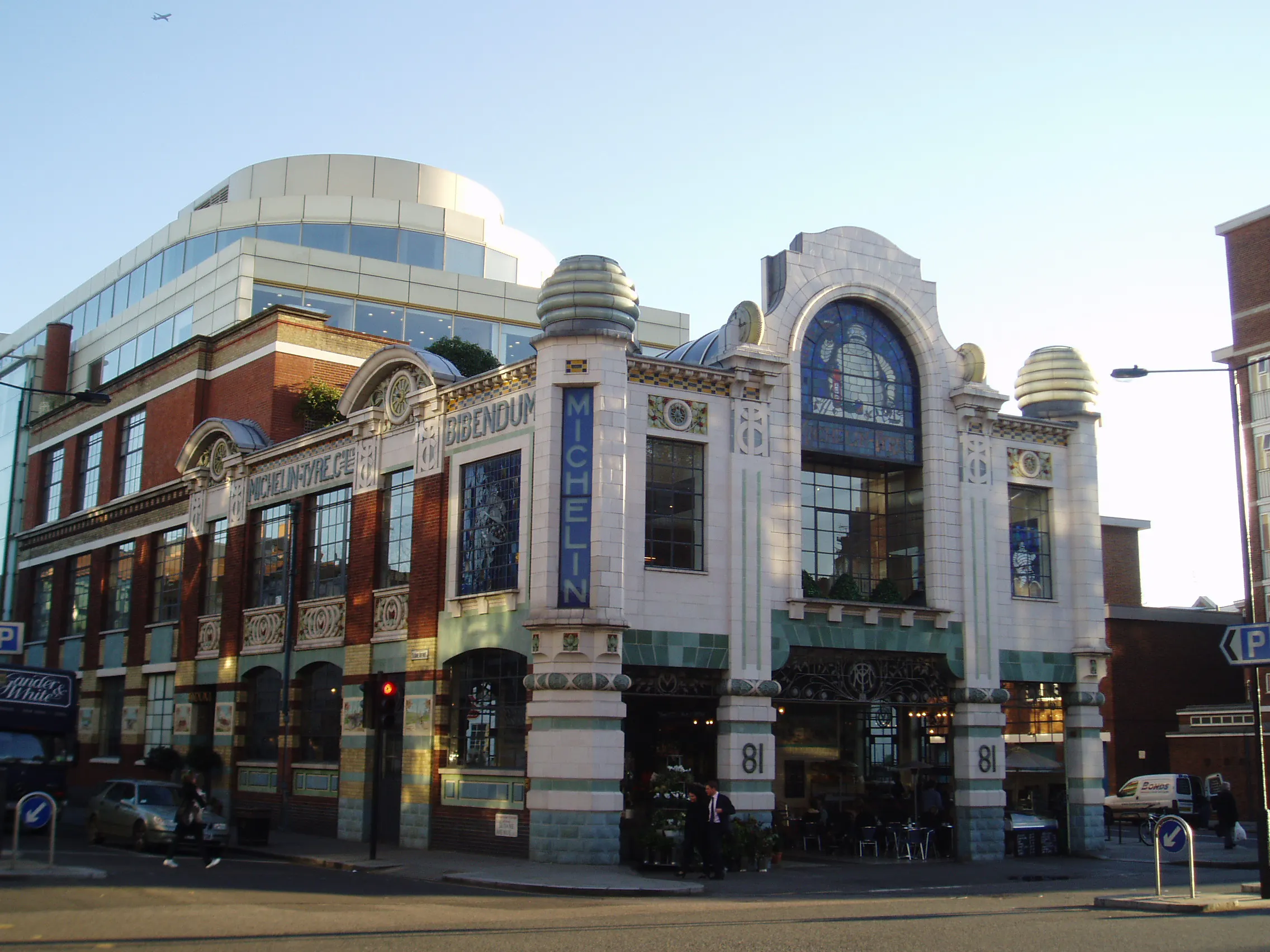
He passed his designer and entrepreneurial genes down to his five children, who work in the fashion, restaurant and interior design industries. After leaving Storehouse in 1990, he set up Conran Holdings, which included a restaurant group, London hotel and the Conrad Shop chain that continues to feature some of his furniture designs with stores in London, Paris, Seoul, and Tokyo.
Related: The Curse of the Clam Chair
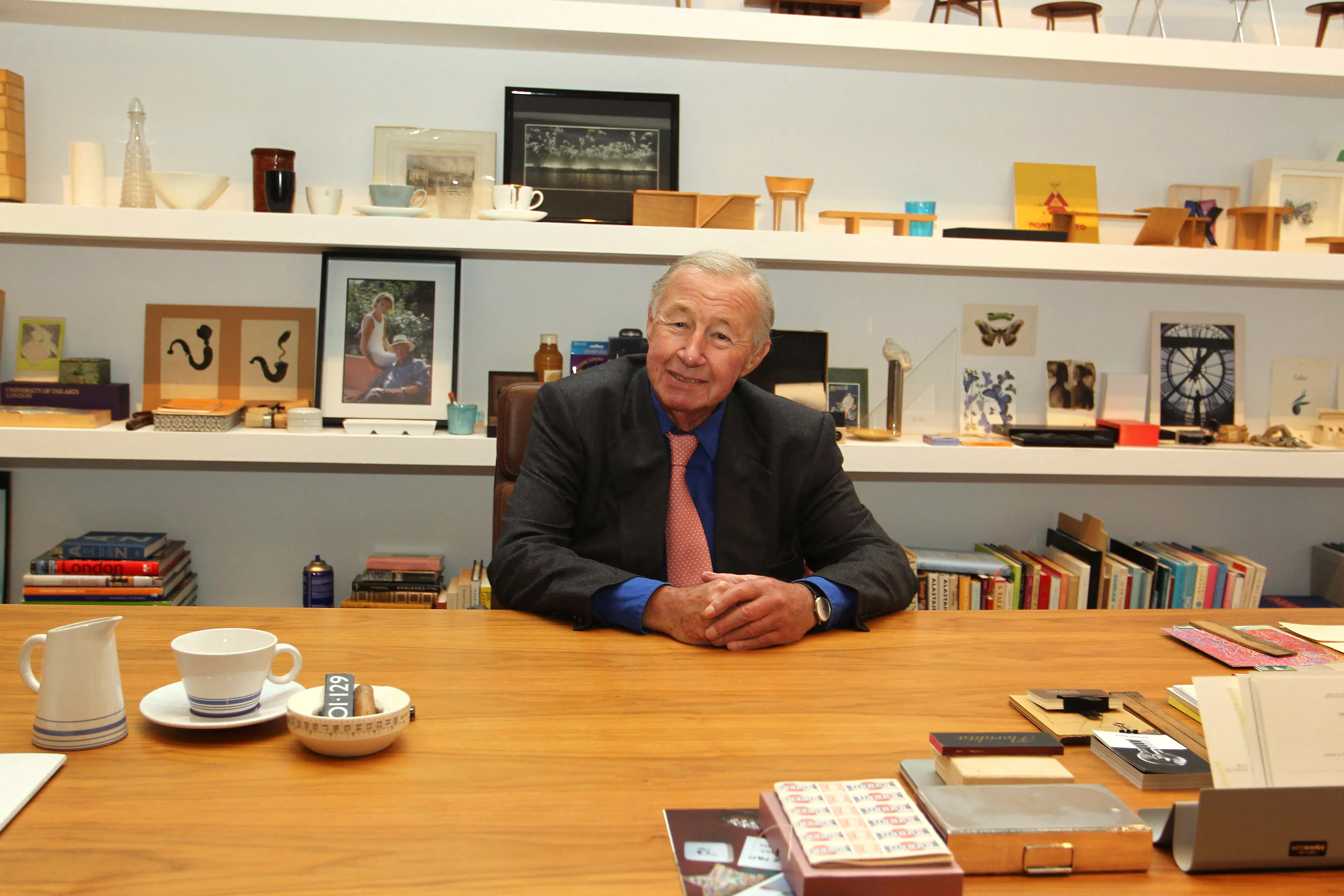
The Design Museum hosted a retrospective of Conran in 2012, and he inaugurated the museum's new space in Kensington in 2016. On September 12, 2020, Conran died at the age of 88, leaving behind a legacy of democratic design and architecture, business acumen and a thriving artistic scene in London.