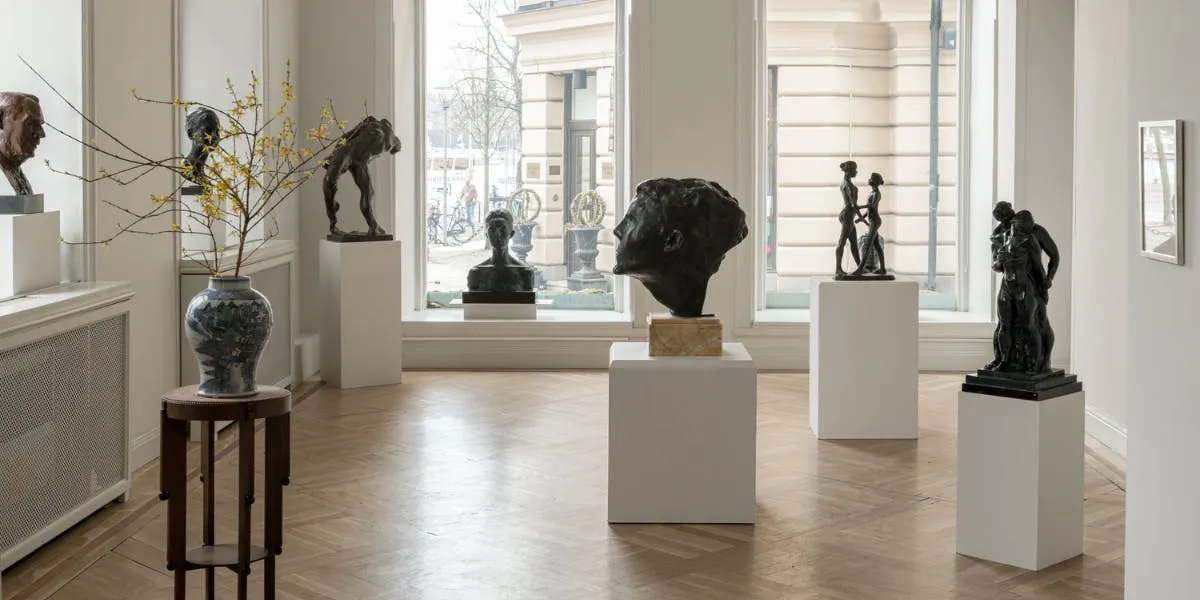
Until March 22, a piece of modern cultural history will be shown at Berzelii Park 1 in Stockholm. Bukowskis has opened a retrospective exhibition of Gudmar Olovson's art and is hosting an online auction where more than a hundred works by the legendary sculptor will be sold.
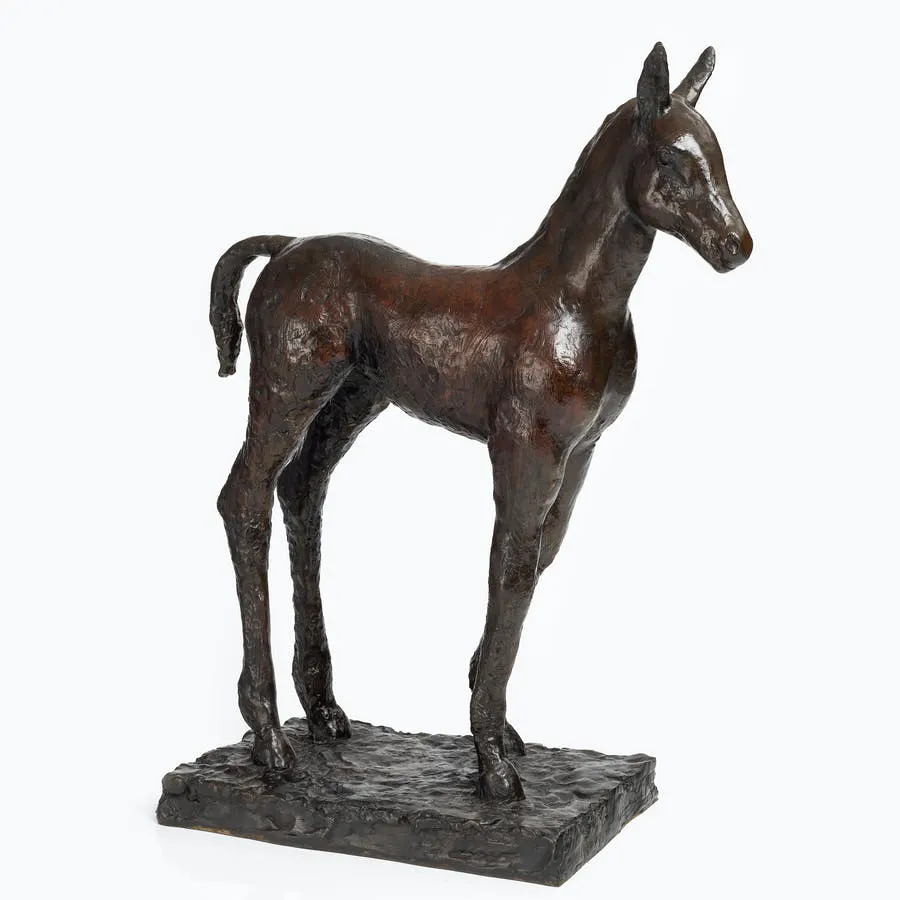
Gudmar Olovson (1936-2017) worked in the French classical tradition and his monumental works can be found in several public places around the world. His sculptures pay homage to and reflect the love of human nature, and for his artistic work he was awarded countless prizes and awards.
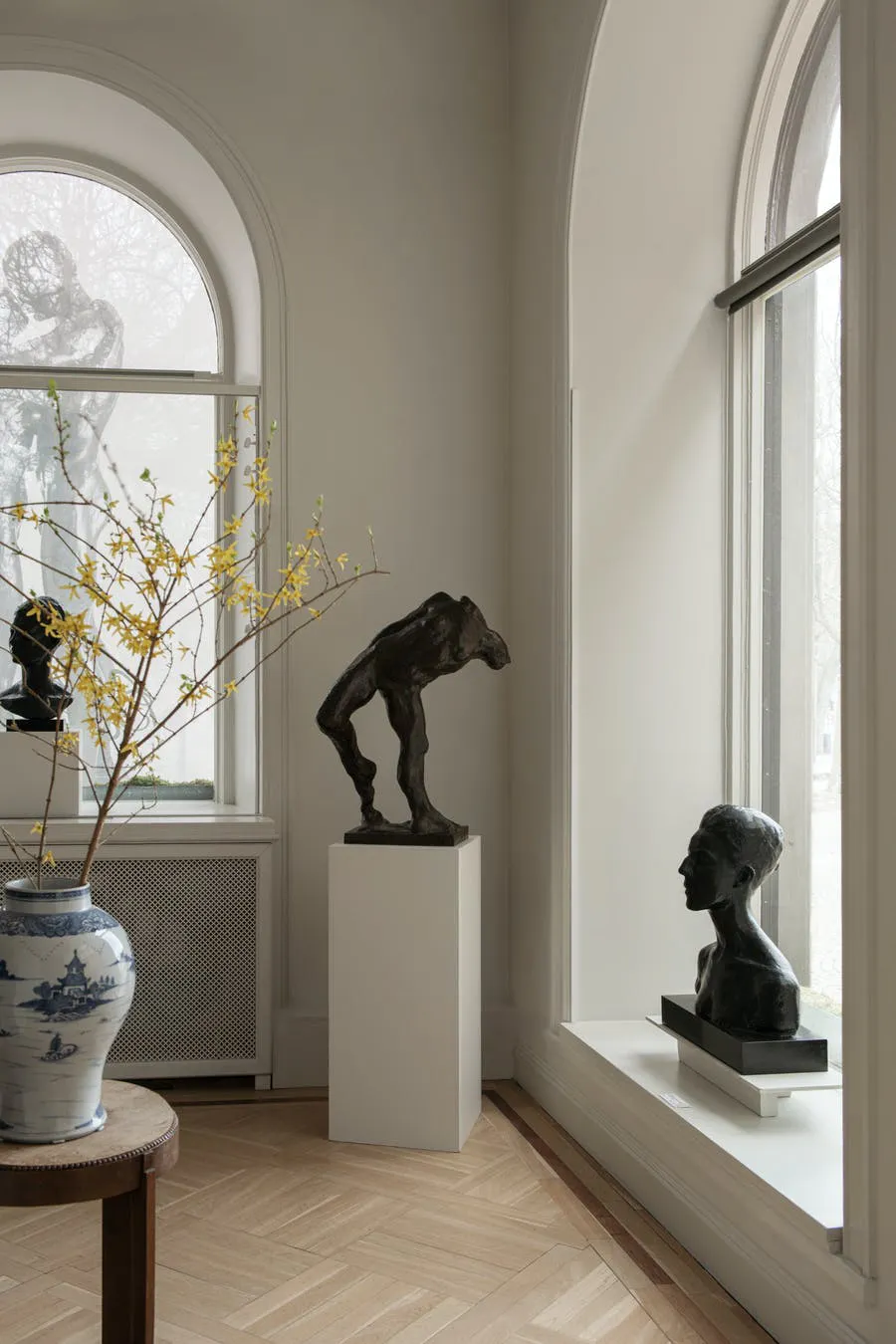
Here, Barnebys talks to Lisa Gartz, a specialist in sculpture and painting at Bukowskis, about the exhibition and Gudmar Olovson's art.
I suppose this is the most extensive exhibition with Gudmar Olovson's sculptures ever shown?
Yes, that's right, there are over a hundred works of art from seven decades, so this retrospective exhibition at Bukowskis is the largest exhibition ever made with his work. During his life he had several major international exhibitions, at the Grand Palais, the Grand Prix de la Sculpture and the Musée Rodin in Paris, the Kennedy Galleries in New York, the Cercle Munster in Luxembourg, and the Exposition des Artistes du Groupe in Yvelines to name a few. But this is a unique opportunity to see so many gathered at once.
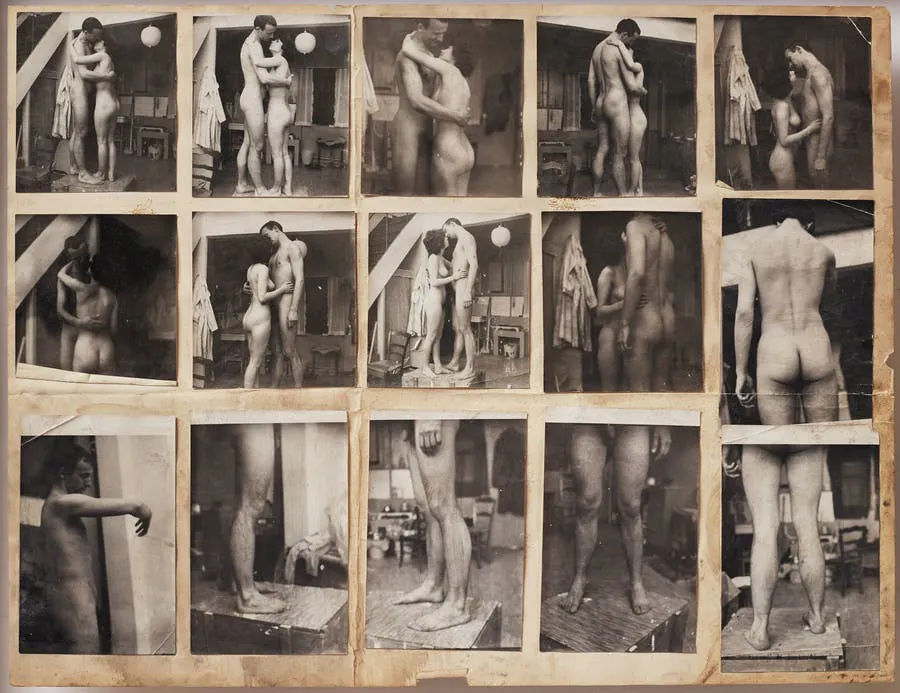
What is it like to see an artist's life work that spans seven decades interact on your premises?
You feel humility and joy at the same time. It is really with a great deal of reverence that we have, in close collaboration with Gudmar's children, taken on the task, and we try to do his work justice. We are also grateful to have been able to borrow some important works of art in private ownership that the public can now see. It is very exciting to see how the works interact with each other and we also are showing a film produced by the filmmaker Erik Fägerwall, who followed Gudmar for many years. It depicts everything from the casting process to the placement and inauguration of monumental sculptures around the world.
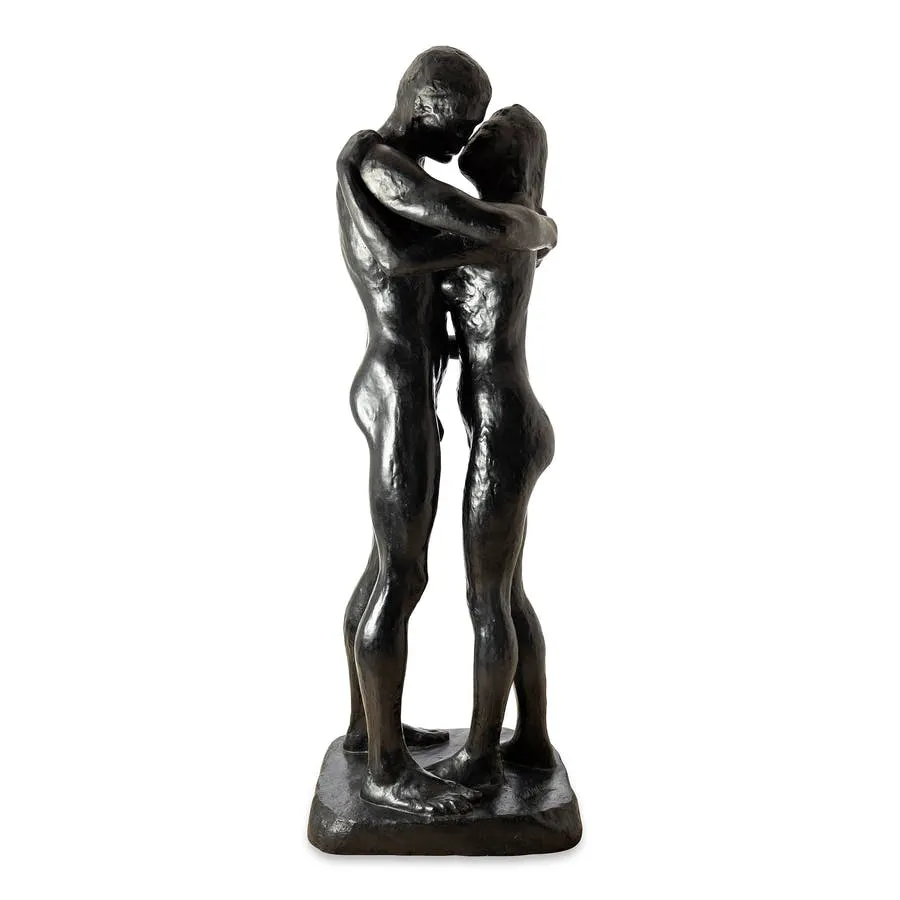
Gudmar Olovson was for many a hidden gem here at home, at the same time as he was a giant in Paris. What significance has he had in sculpture and how can one describe his work?
Maybe not many people recognize his name here in Sweden, but if you mention the beautiful sculpture in the park at Ersta Hospital that looks out over the water towards Djurgården, or the impressive and tender sculptures in Höllviken's sculpture park, many have seen and enjoyed them without perhaps knowing the artist's name. And his works are in several private collections, including his interesting portraits of everyone from Ingrid Bergman to the King of Sweden, several French presidents, artists, business giants and the pope. He worked in the classical tradition and when he left Sweden for France he found himself in a country that pays homage to this tradition from Rodin to Degas, Wlérick to Despiau, and his work is a very good representative of this tradition.
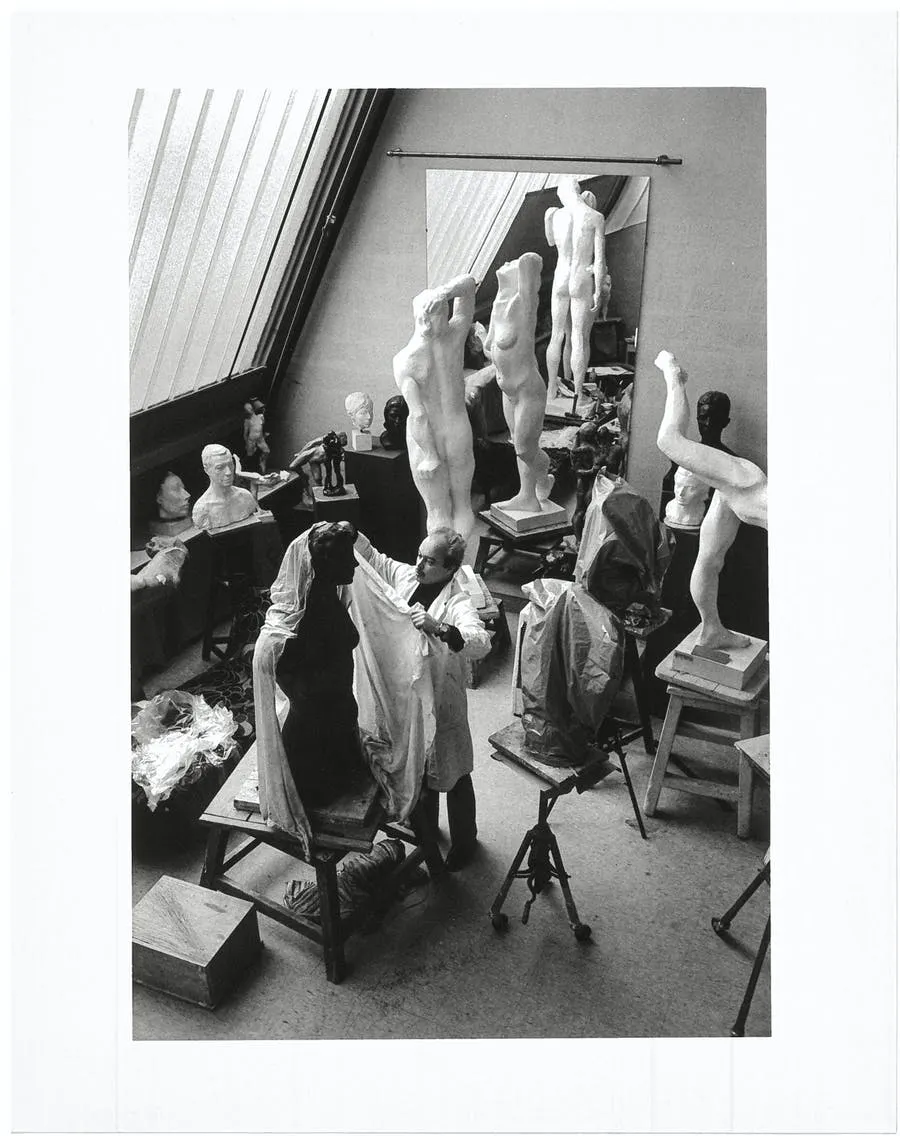
Barnebys talked to Gudmar's children: Magnus Olovson and Susanne Olovson.
What was it like growing up with a father who was a recognized artist?
It was of course a part of our everyday life and at the same time a privilege. Dad was loving and very concerned that we had what we needed, even though it was almost always financially difficult. Later in life, Dad shared a lot: experiences, care, a good wine or a good dish he cooked; he loved to cook on his two electric hotplates in the studio under the stairs! It could also be a new slimming method (a glass of apple cider vinegar in the morning was a favorite), a visit to the bronze caster or frequent phone calls.
Father hung out unhindered with both counts and princes, artist friends, plaster casters, singers and collectors. And mixed them happily and often! It was extremely enriching for us children.
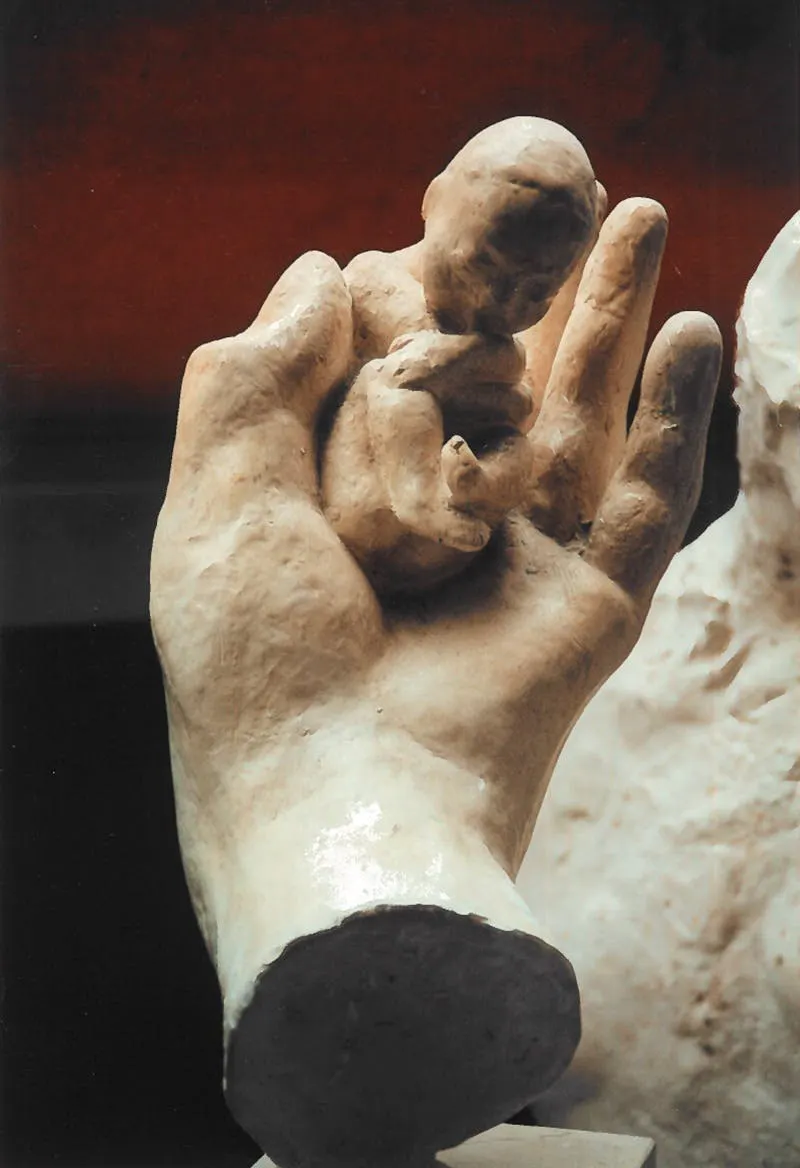
What do you appreciate most about your dad's artistry?
The beauty and honesty. And the continuity. Father's solid knowledge of and great respect for the various ancient crafts that surround classical sculpture, such as plaster casting, magnification and all the parts of bronze casting up to the patination. His father's oldest friend was the enlarger ("l'agrandisseur") Georges Bigel, who started his career as a 13-year-old in Montparnasse in the 1930s, became a prisoner of war in Germany where he worked for Arno Brecker and worked until his death in his father's studio on rue Saint Charles.
Our father created in and around the four elements: The earth he creates from the Air the work lives in The fire it is cast in the Water that purifies the metal and in which the sculpture is reflected
And so we are all left free to interpret the works as we ourselves want… no intellectual explanation is really needed.
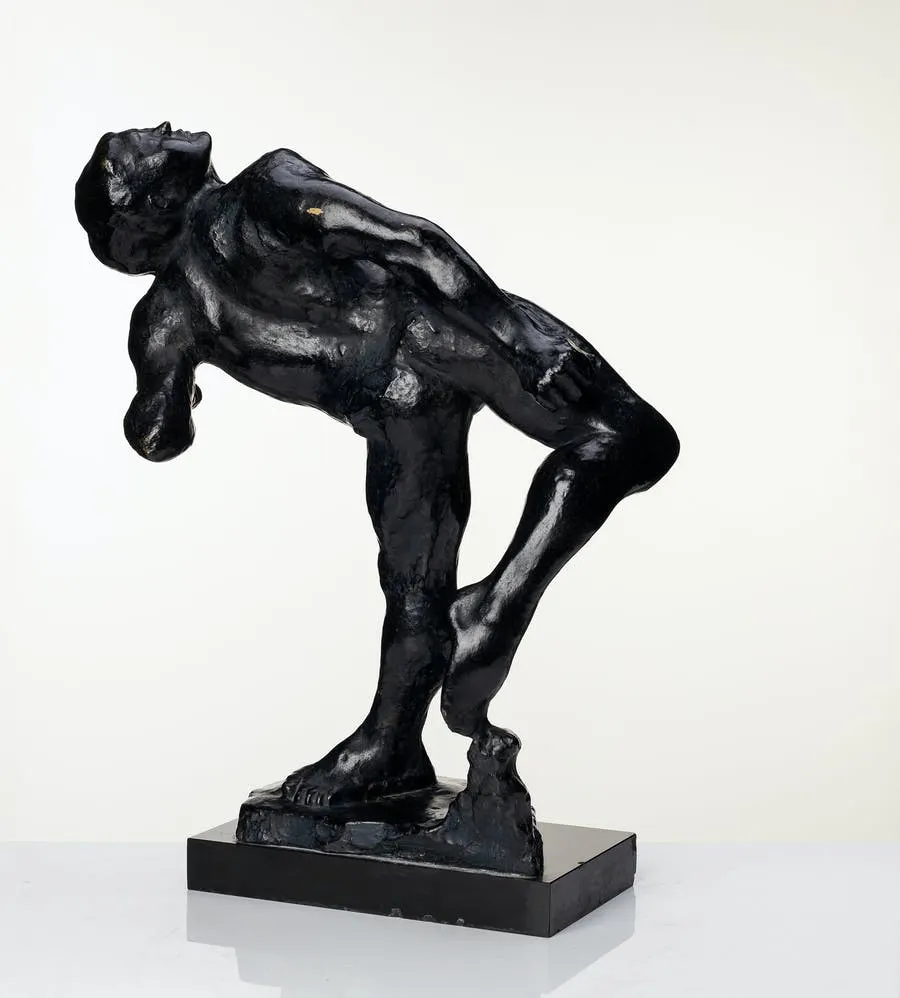
Is there a sculpture that you have a special relationship with?
Captivité precisely because he handles the body in an unreal and impossible position while the expression of the work so simply and deeply reflects "captivity". A wonderful posture so far from a man sitting with his arms crossed!
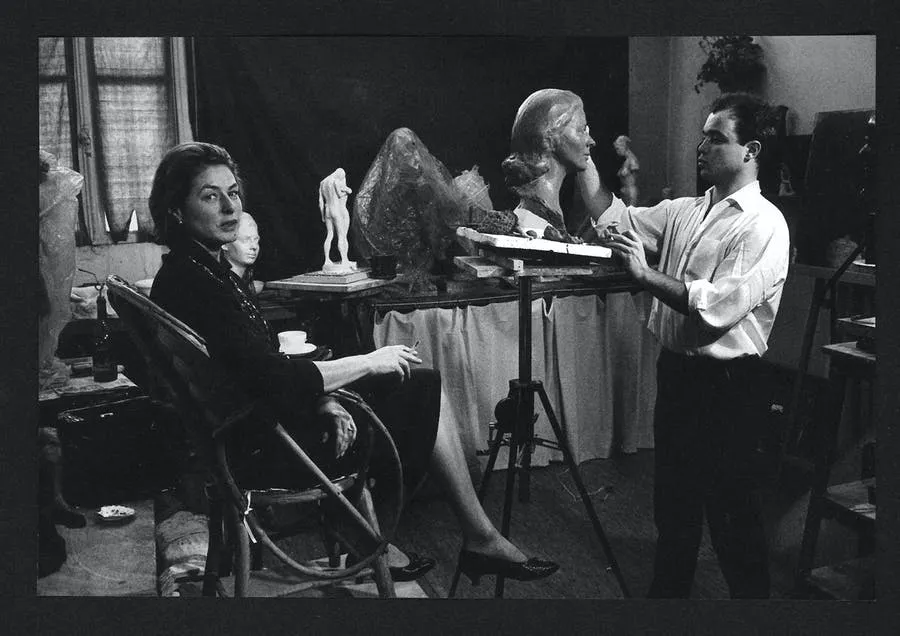
Did you get to be in the studio and if so, what was it like to enter your father's innermost world?
Among molds, plaster, sculptures, stairs, dust, wine glasses, laughter and tools, father created a home for us when our parents separated in 1981. There was the kitchen, the shower with hot water for 20 seconds thanks to the pipe that warmed at the element, beds, an old sofa and a tiny garden. No TV for 40 years!
There were busts around us with those who sat as models laughing among candles, including ourselves! You may think it was fun and purely magical. Not to mention the many wonderful parties we attended, and which we arranged, but which father also arranged for us and our friends.
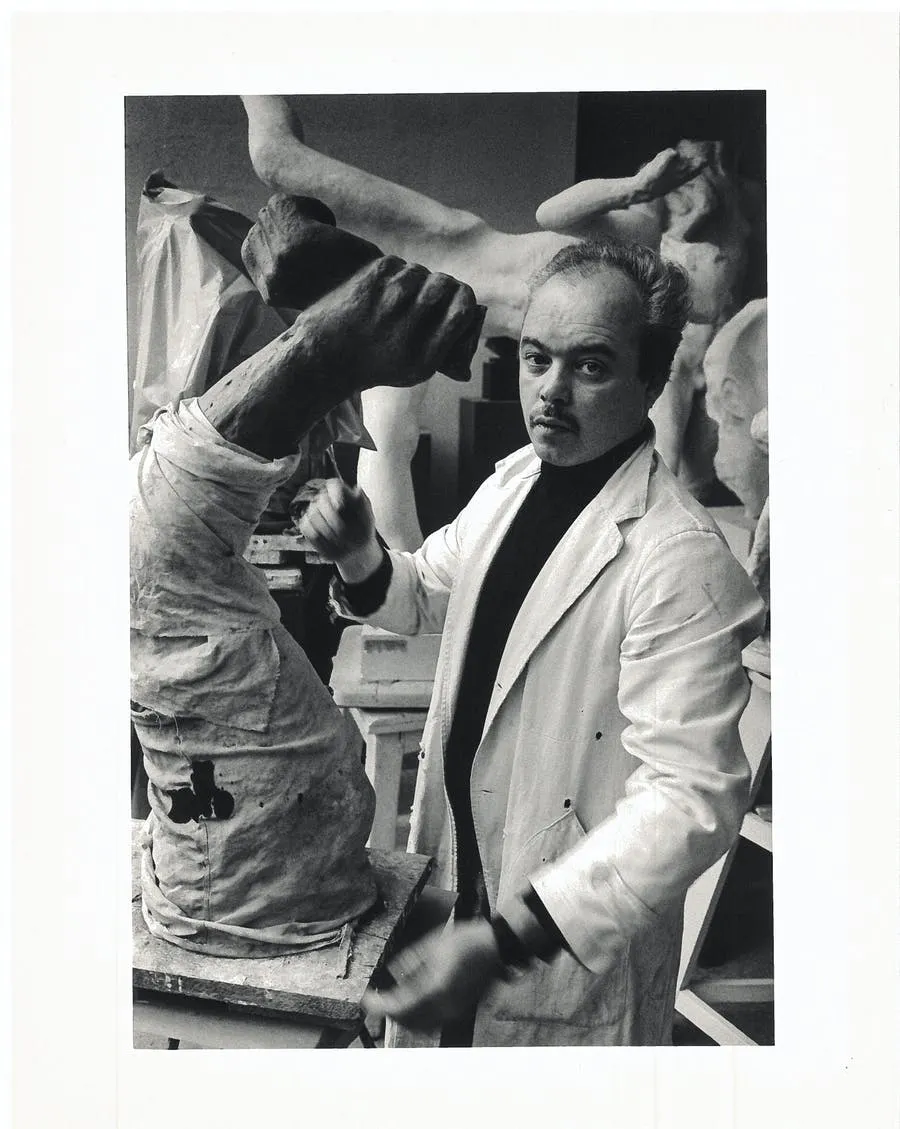
Do you have an anecdote from your father that you want to share?
Father was a telephone operator. He called us at least 2-3 times a week while we two children lived on different continents. He would mix up the time zones and call one in the morning and say good evening, for no other reason than to hear our voices.
More than an anecdote is that father was a free man, free as much as possible in a civilized society. He was also a Renaissance man who loved architecture and poetry which inspired most of his larger works. He also loved, and perhaps most importantly, the woman he most often portrayed as a goddess.