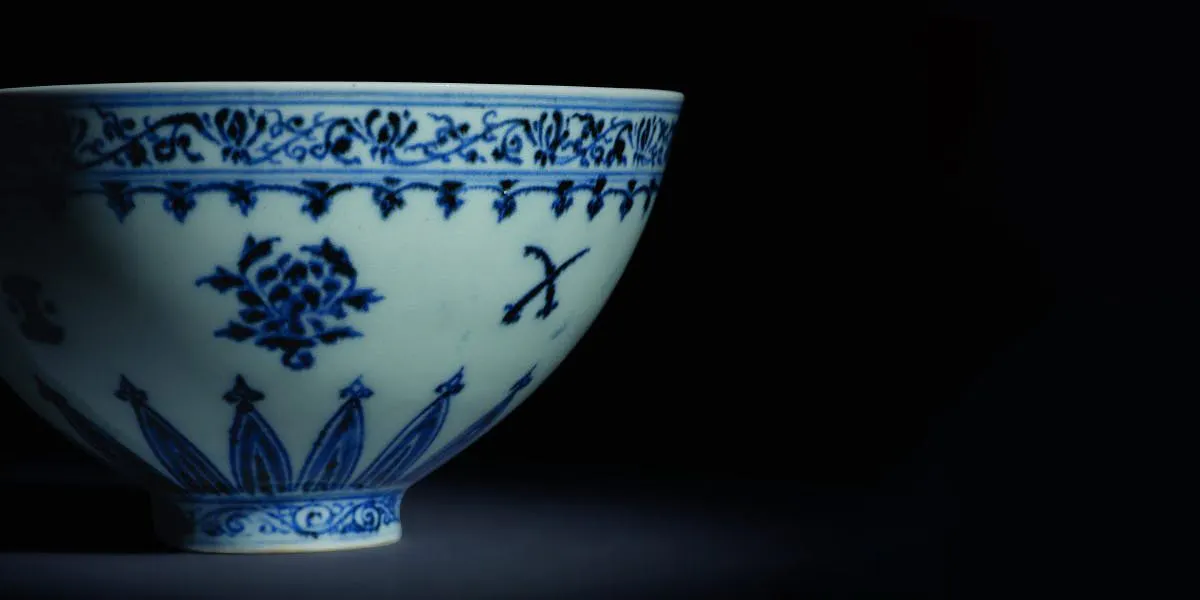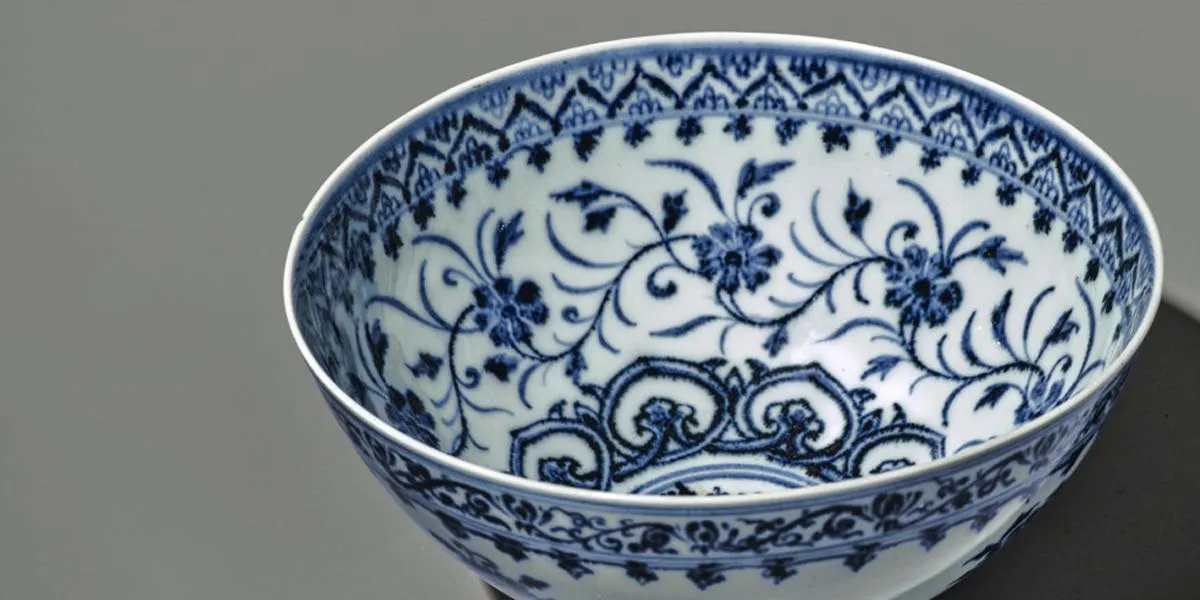
It’s always really exciting for us as specialists when something we didn’t even know existed here appears seemingly out of nowhere.
“It was immediately apparent to both of us that we were looking at something really very, very special,” said Angela McAteer, Senior Vice President of Sotheby’s and Head of Department of Chinese Works of Art. "The style of painting, the shape of the bowl, even just the color of the blue is quite characteristic of that early, early 15th-century period of porcelain”.
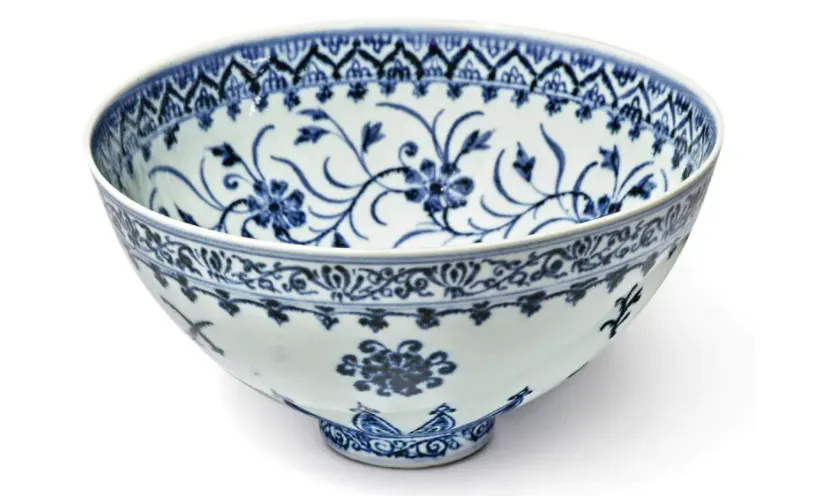
The astonishing discovery dates back to last year: when browsing a garage sale in the New Haven, Connecticut area, an antiques lover lingered over a small white bowl adorned with cobalt blue flowers. Thinking he had something special, he bought it for $35, then called in experts at Sotheby's for an estimate.
Asian arts experts Angela McAteer and Hang Yin receive many such emails every week, but this one was among those that did not go unnoticed.
Related: Charges Dropped Over Stolen Klimt Painting
The small bowl, about 16 cm in diameter, had all the characteristics of a valuable artifact. During an in-person examination, trained eyes and hands of specialists discovered a bowl that was very smooth to the touch, with a silky glaze, and colors and patterns characteristic of the early Ming period, the 1400s. “All the characteristics and hallmarks are there that identify it as a product of the early Ming period,” said Angela McAteer.
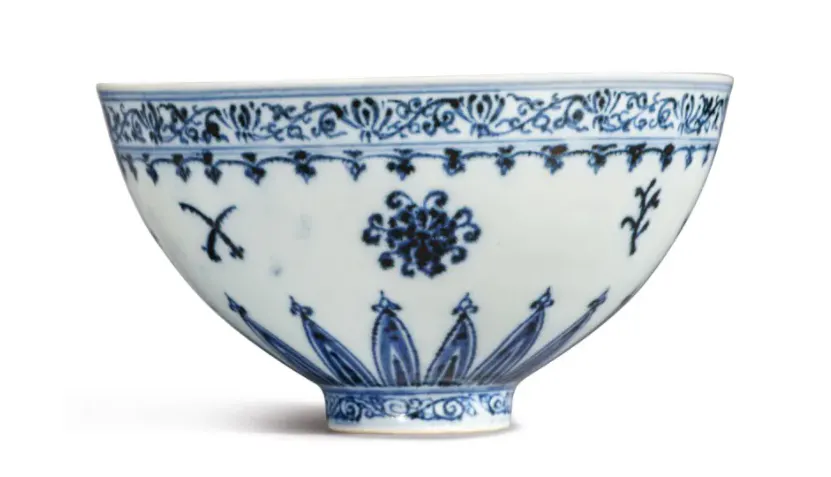
The artifact was made for the court of Emperor Yongle, the third ruler of the Ming Dynasty. Yongle Court introduced a very distinctive new style to porcelain kilns in Jingdezhen, Jiangxi. The instantly recognizable style of this period has, according to historians, never been surpassed. The bowl, a quintessential Yongle product, combines the material, paint and slightly exotic design that characterizes Imperial porcelain of this period.
Experts have claimed that this is one of seven such bowls known to the world. The majority of the other six copies are kept in museums, such as the National Palace Museum in Taipei, Taiwan, the National Museum of Iran in Tehran, and two institutions in London. None have been found in the United States to date.
Related: 8 Sensational Flea Market Finds
The bowl will be auctioned in New York on March 17 as part of Asian Art Week with an estimate between $300,000 and $500,000. Sotheby's has not disclosed the identity of the owner, but Angela McAteer revealed in a telephone interview with CNN that the man "didn’t haggle over the $35 asking price”.
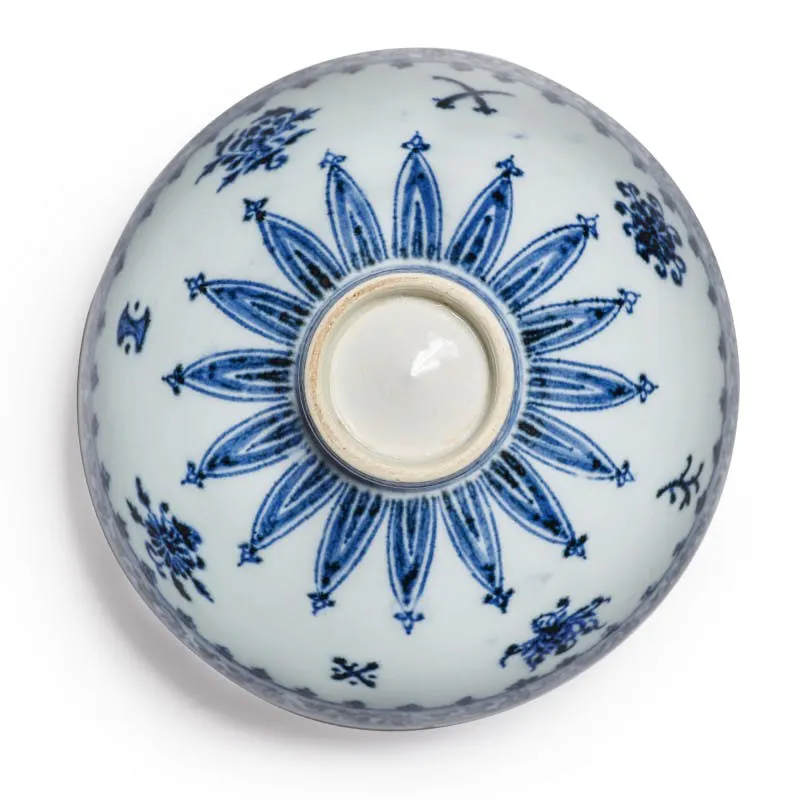
Why the bowl landed in a Connecticut yard sale remains a mystery. The auction house suggests that it was passed down from generation to generation by a single family who did not know how important it was.
“It’s always quite astounding to think that it kind of still happens, that these treasures can be discovered. It’s always really exciting for us as specialists when something we didn’t even know existed here appears seemingly out of nowhere,” concluded the specialist.