I am for all art that takes its form from the lines of life itself, that twists and extends and accumulates and spits and drips, and is heavy and coarse and blunt and sweet and stupid as life itself.
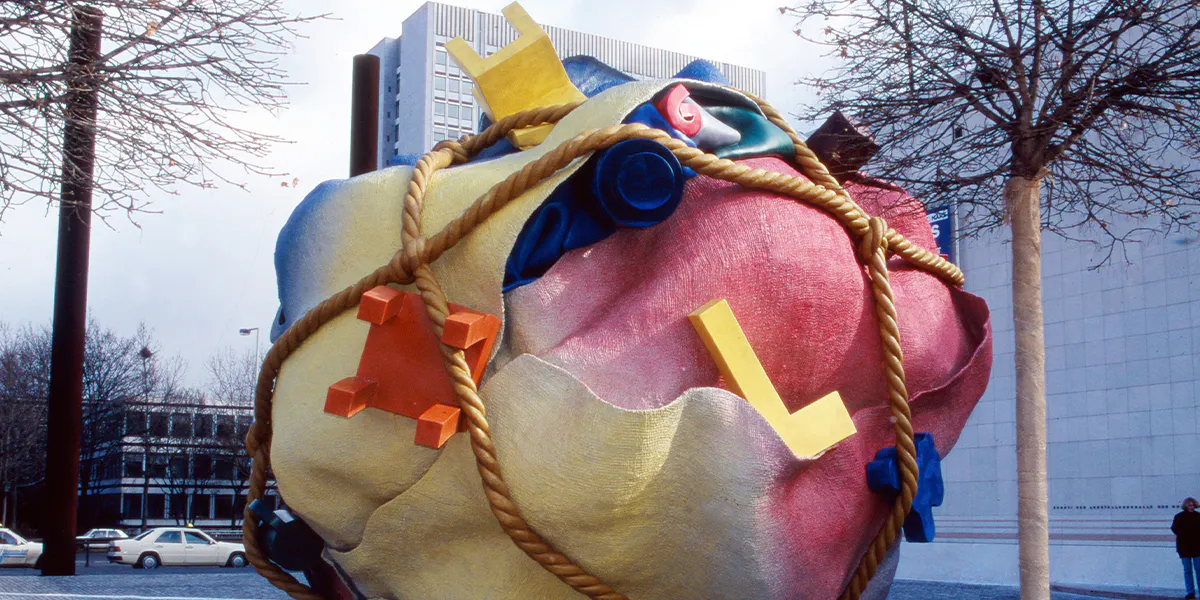
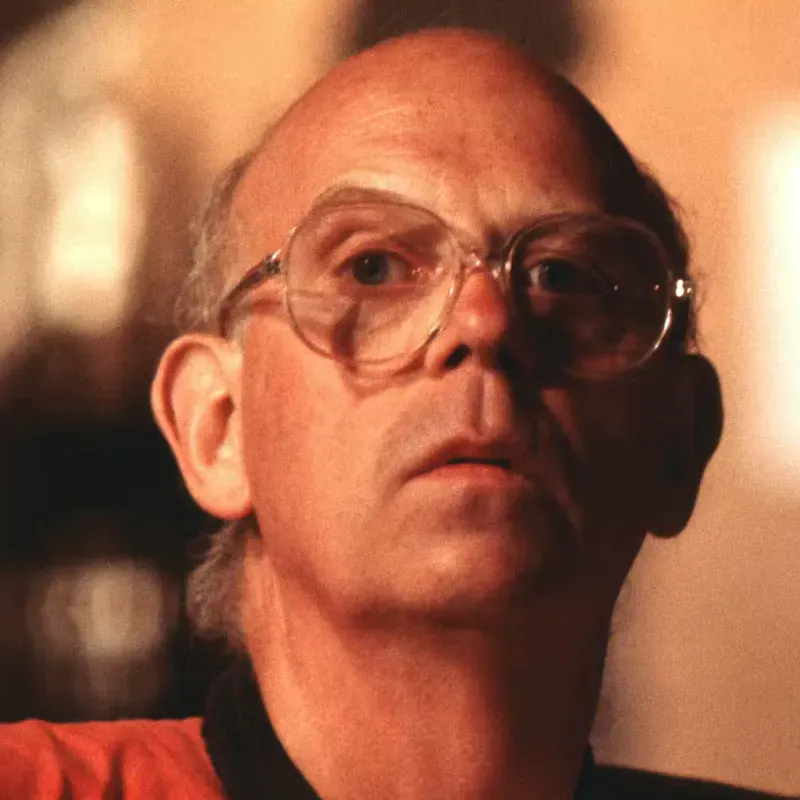
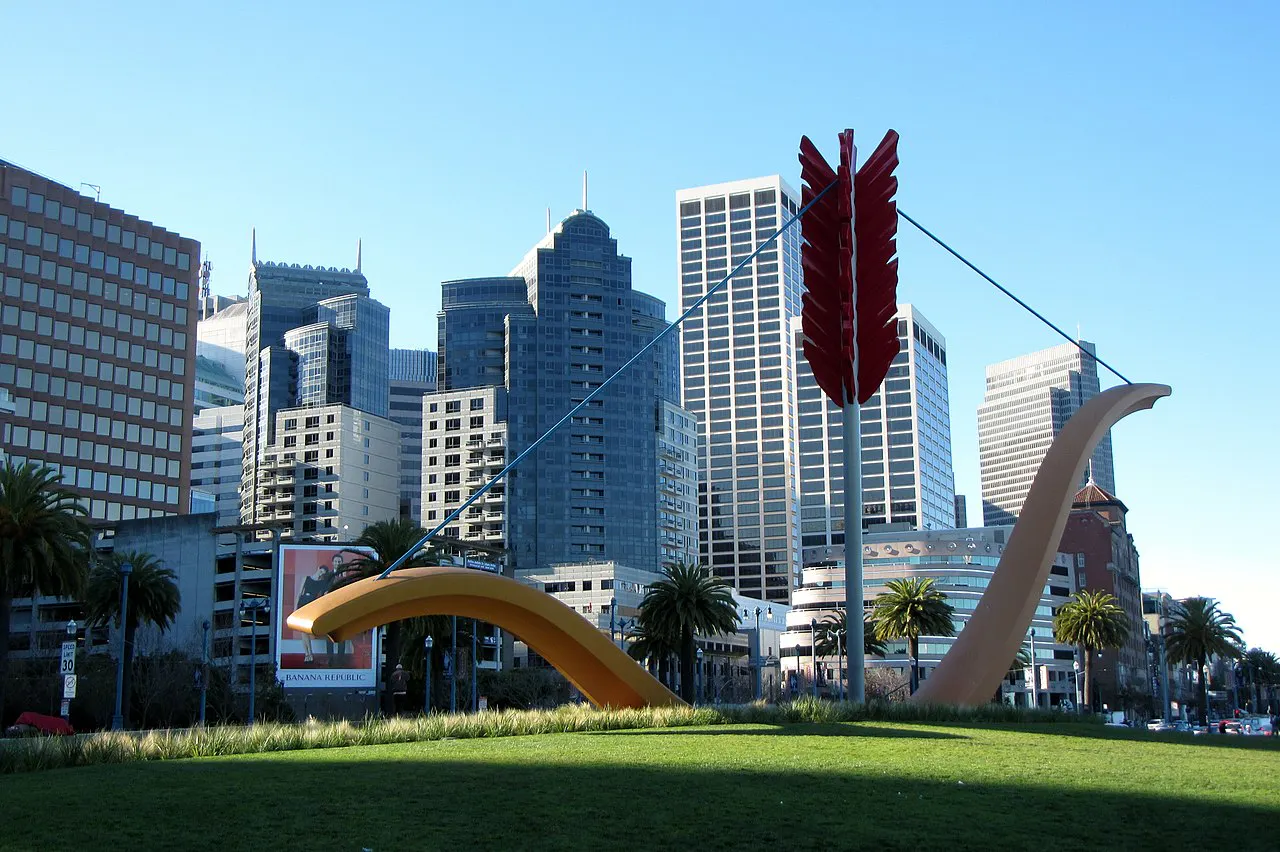
Born in Stockholm and raised in Chicago, Claes Oldenburg was one of the greatest exponents of Pop Art and one of the key figures of the New York art scene in the 1950s and 1960s. No other artist belonging to this movement, not even his most famous colleagues Andy Warhol and Roy Lichtenstein, managed to create a body of public works to rival his. His 'soft statues' in fabric and plastic and his whimsical giant sculptures, depicting everyday objects, are considered among the most famous in America. One of his most famous sculptures is his 1969 work Lipstick (Ascending) on Caterpillar Tracks, a lipstick mounted on a tank, which was installed as a satire against the Vietnam War on Yale University's campus, where he studied English literature and art history.
Related: ‘Big Eyes’ Artist Margaret Keane Has Died at the Age of 94
As a young man, Oldenburg met the American artist Allan Kaprow, who was one of the founders of the so-called Happening and an exponent of performance art. This meeting, together with his wife Coosje van Bruggen, also an artist, led him to experiment with new expressive techniques. Oldenburg created works born as a denunciation of food consumerism, a phenomenon typical of American society at the time. His pieces figured painted plaster sculptures of food, such as hamburgers and sweets of various kinds. Later, especially from the second half of the 1970s, he concentrated on serial reproductions of objects of common use, with monumental works installed in urban spaces. His works were often presented in front of the public, in real outdoor exhibitions.
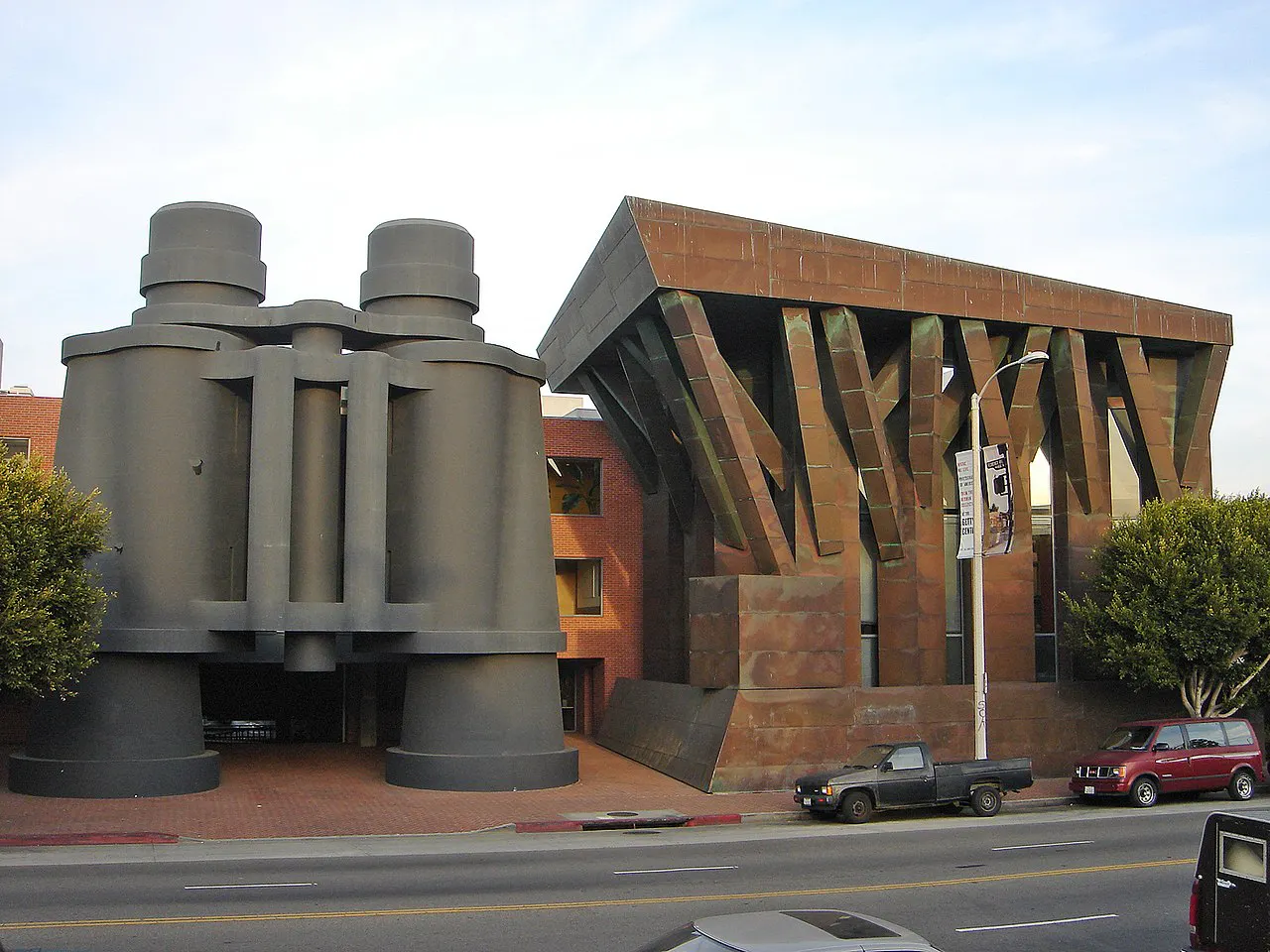
One of his most famous performances was The Course of the Knife, held in Venice in 1985. In 1991 he exhibited Binoculars Building, this time in the Venice of Los Angeles, where the artist created a building in the shape of binoculars that has since 2011 housed some Google offices.
Want more articles like this delivered straight to your inbox? Subscribe to our free newsletter
Related: Yayoi Kusama: The Queen of Cool
Oldenburg's works have enjoyed success in the auction market: in May 2009 a 1976 sculpture depicting a giant round eraser, Typewriter Eraser, set a record, reaching $2.2 million at a Christie's Modern and Contemporary Art auction in New York.
Another record work is Clothespin, a giant clothespin 'stuck' in front of Philadelphia's City Hall, which he created in 1976, on the occasion of the bicentenary of the Declaration of Independence. One of its models, Clothespin Ten Foot (1974), was sold in 2015 at Christie's in New York for $3.6 million.
The artist's latest monumental sculpture, Dropped Bouquet, debuted last year at Pace Gallery in New York. The work consists of a giant aluminium sculpture reproducing a bunch of colored flowers thrown on the ground, with the petals sadly wrapped around themselves, like the metaphor of a pop art, or perhaps of a love story, now withered.
The visionary Oldenburg, who has always used his vivid imagination to create imaginary universes since childhood, left this world at 93. After the death of his beloved wife, taken away by a tumor in 2009, the artist had increasingly limited his appearances in public. His health had recently declined due to a broken femur following a fall, and he passed away on Monday, July 18, at his studio home in New York. However, he leaves us an immense, or rather monumental, artistic legacy – like many of his works.