In 1868, Berthe Morisot (1841-1895), who copied the great masters in the Louvre, met her fellow painter Édouard Manet (1832-1883). Morisot came from a wealthy middle-class family, in which the artistic education of the three daughters was compulsory. Berthe, her sisters and younger brother had been exposed to the Parisian artistic and literary scene from an early age, as their mother often mingled with the educated elites of Paris.
Related: Berthe Morisot Emerges from the Shadows
Madame Manet, who in addition to Édouard had given birth to two other sons, often organized evening parties for similar audiences. Belonging to the same social class, the Morisots used to frequent them as well. On such occasion at the house of Madame Manet, Berthe met Edgar Degas (1834-1917), who, like his friend Édouard Manet, painted Berthe several times.
While a friendship based on mutual artistic admiration developed between Berthe and Édouard, something more romantic developed between Berthe and the middle of the three Manet brothers, Eugène (1833-1892). Eugène painted as well, but was less successful than his elder brother, and spent his time (secured by the extensive inheritance of his father, who died in 1862) posing for him and for other painters of their circle of friends.
Want more articles like this delivered straight to your inbox? Subscribe to our free newsletter
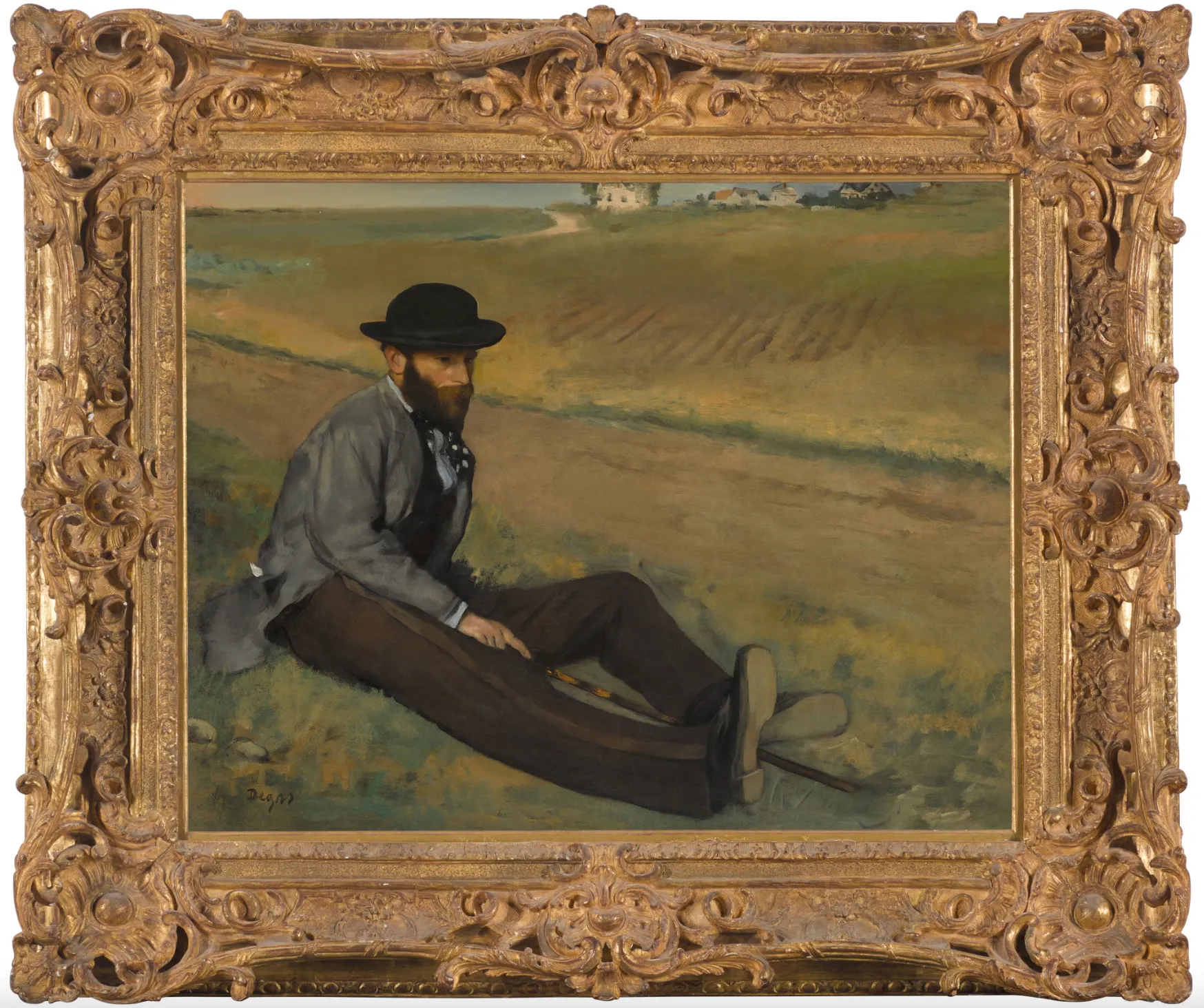
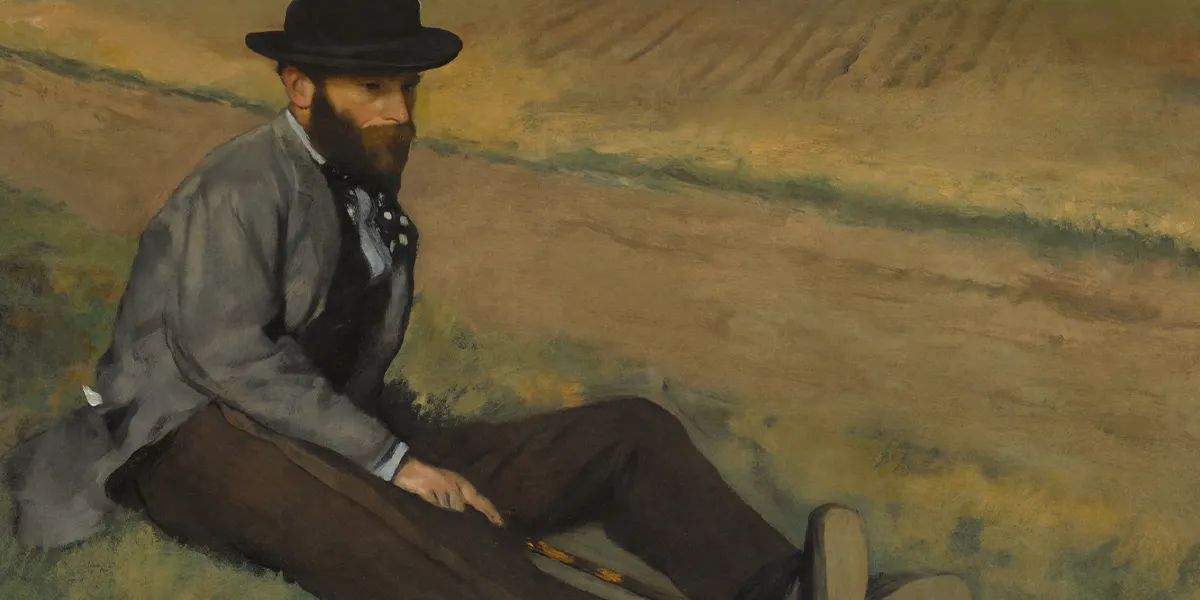
In 1873, during a holiday on the Normandy coast, Eugène's relationship with Berthe Morisot deepened. The following year, on December 22, 1874, the couple got married. For the wedding, Edgar Degas gave the newlyweds a portrait of Eugène that he had painted earlier in the year. It depicts the 40-old taking a break by the side of a road during a rural hike – although the portrait of Eugène was created in the Morisots' apartment, while the landscape in the background was entirely the fruit of Degas' imagination.
Related: The Scandal Behind Degas' Little Dancer
This personal work by Edgar Degas will be auctioned next December, with an estimate of £4-6 million, as one of the top lots in the collection of Hong Kong businessman, philanthropist and collector Sir Joseph Hotung, who died in 2021. The auction is presented by Sotheby's and will take place in two parts, first in Hong Kong in early October and then in London in early December. More than 400 exquisite objects are up for auction, including many pieces from Sir Joseph's excellent collection of Chinese art, as well as English furniture, silver, Old Masters and Impressionist works.
Commenting on Degas' portrait of Eugène Manet, Thomas Boyd-Bowman, Head of Impressionist & Modern Art Evening Sales at Sotheby's London, said in a press release: “This extraordinary group of works by Degas reveals Sir Joseph Hotung’s intensely focused approach to collecting, and his ability to hone in on certain aspects of the artist’s works that he admired. Portraits were of great importance to Degas, and often those of his works he valued most – they were painted for his own pleasure and often given away as presents, such as the superb portrait of Eugène Manet – which commemorated his marriage to Berthe Morisot most fittingly.”
Find all the latest news from the art world with Barnebys Magazine