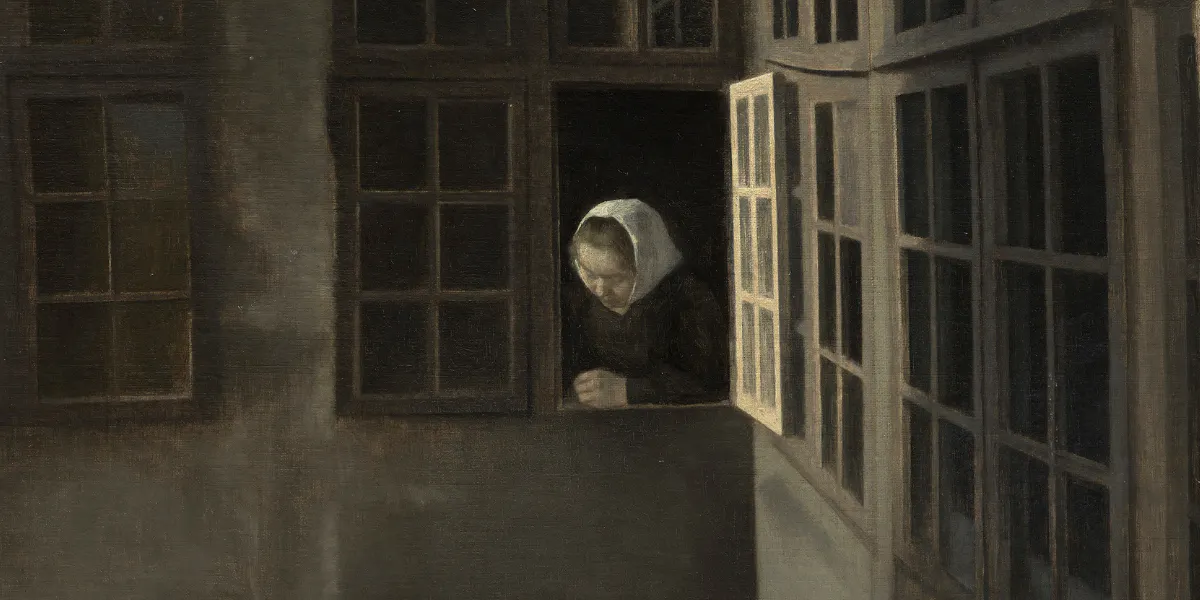
Vilhelm Hammershøi (1864-1916) is renowned for his tranquil interiors featuring women with their backs and faces turned away and subdued color palettes. While already well-known in Denmark, his signature paintings have now crossed the Atlantic to be showcased in an exciting new context.
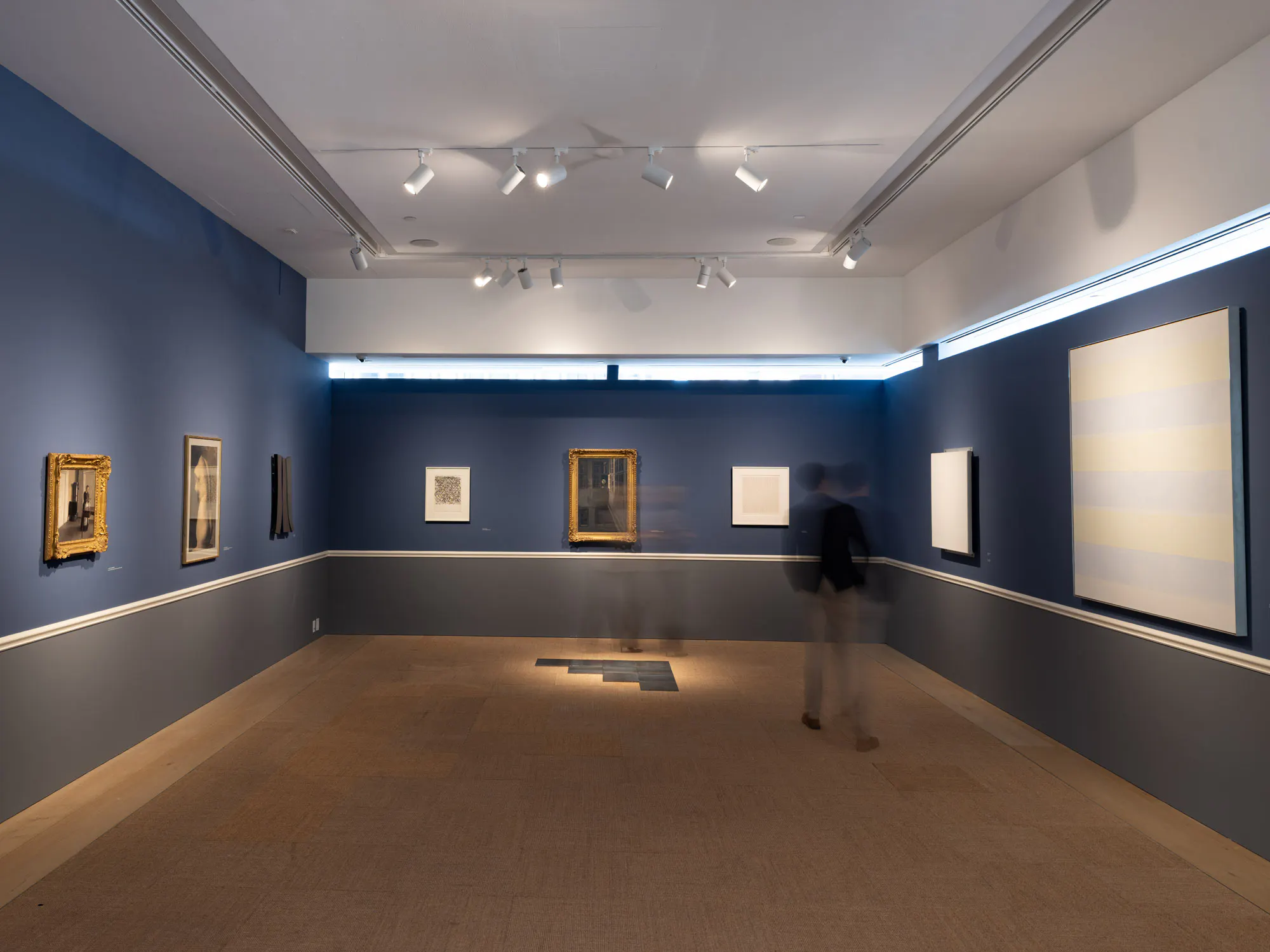
'Stillness: Hammershøi and American Minimalism' will be on display at Phillips New York at 432 Park Ave until May 17. The exhibition explores the connections between Hammershøi's work and that of American minimalists, who share a similar style through composition and minimal use of color.
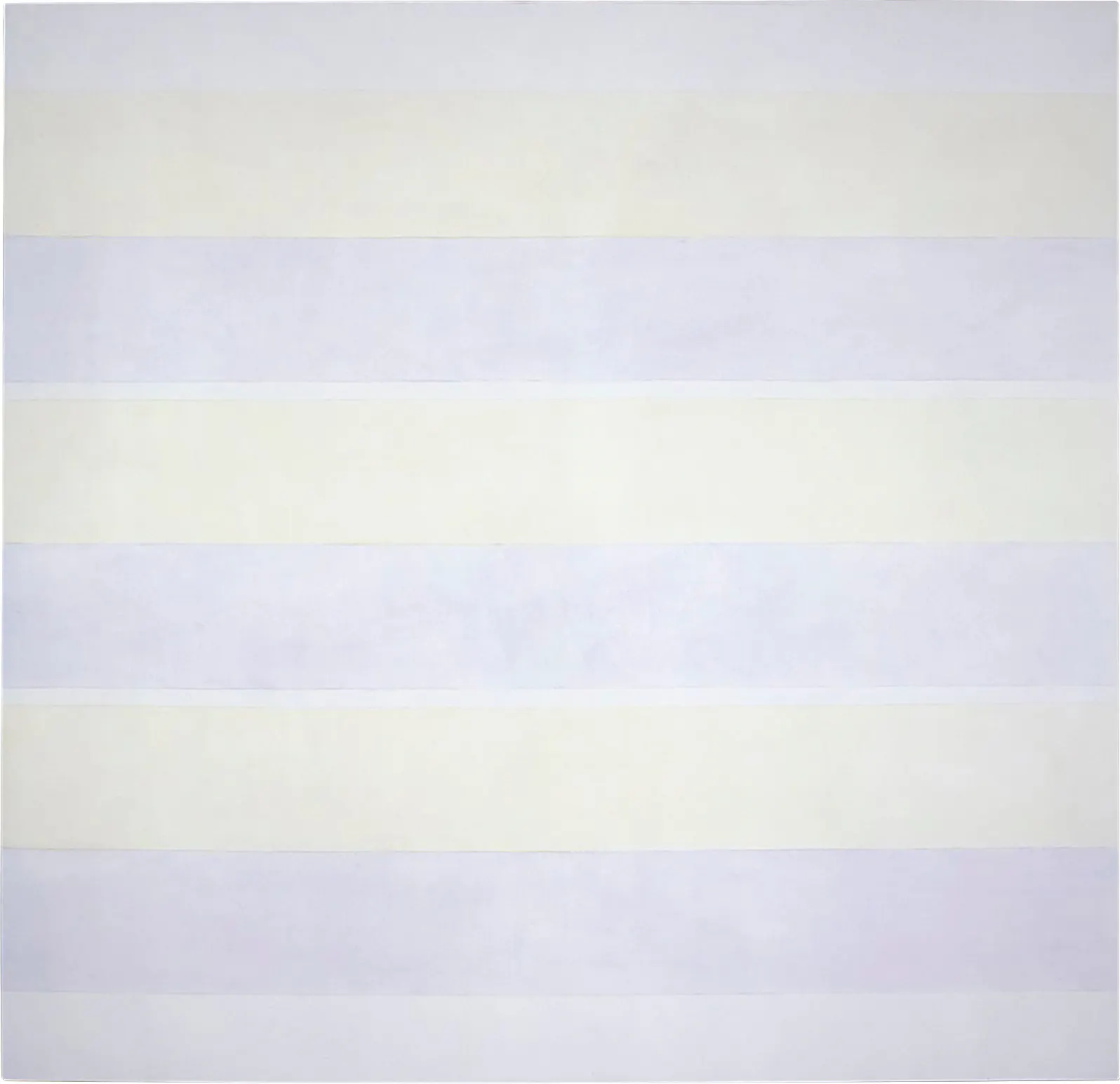
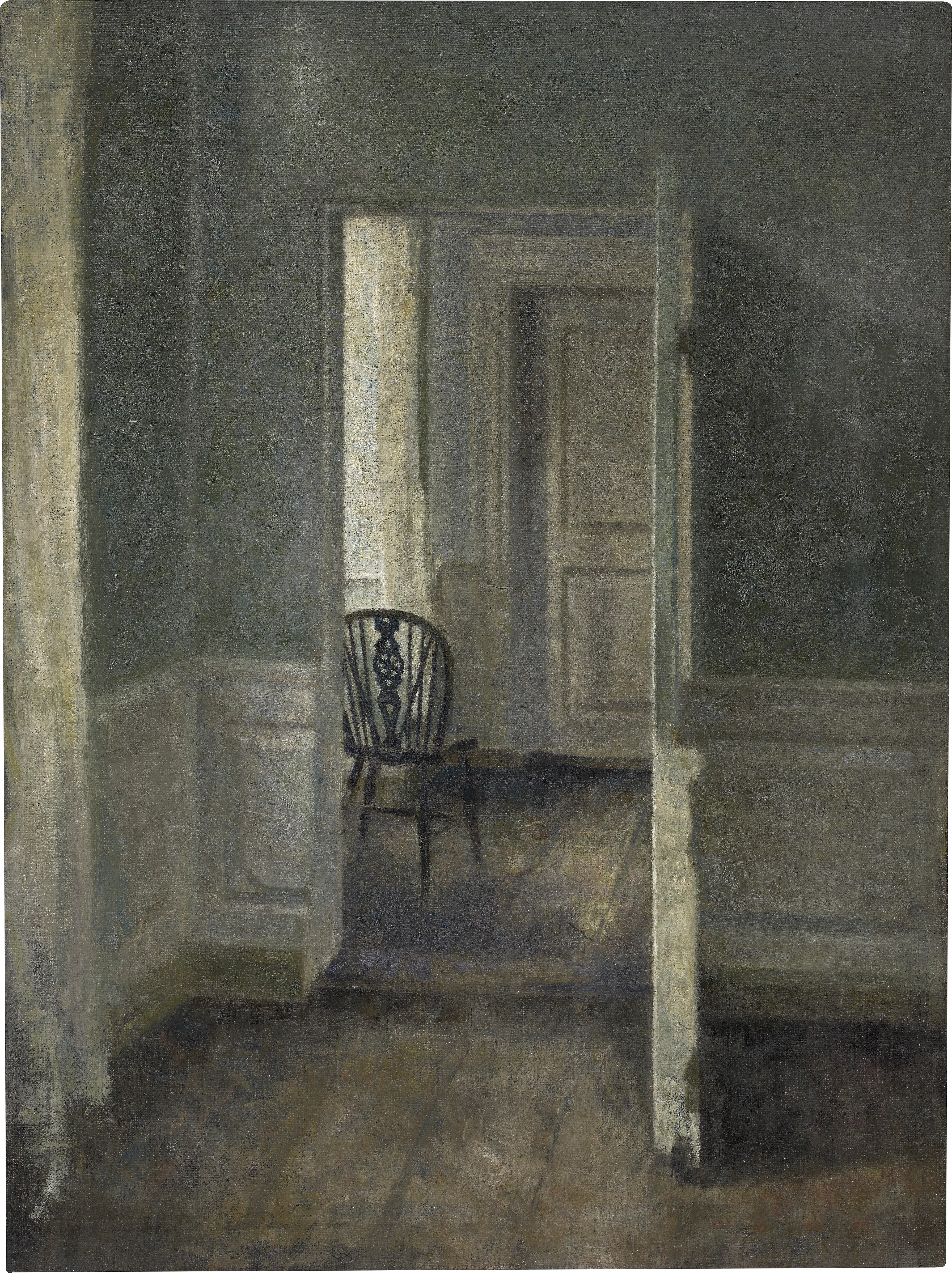
The exhibition displays Robert Mangold's Square Within a Square (Warm-grey) (1974) and Agnes Martin's Untitled #10' (1998) alongside Hammershøi's Study of a Standing Woman, Seen from Behind (1884/1888) and Interior with Windsor Chair (1913). Clear connections emerge between the different artistic movements: a muted color palette and a series-like approach.
Related: The 15 Most Expensive Female Artists
Several of Hammershøi's works are part of the John L. Loeb Jr. collection. Loeb, who served as the U.S. Ambassador to Denmark from 1981 to 1983, built an impressive collection of Danish art during those years that constitutes the largest outside of Danish museums.
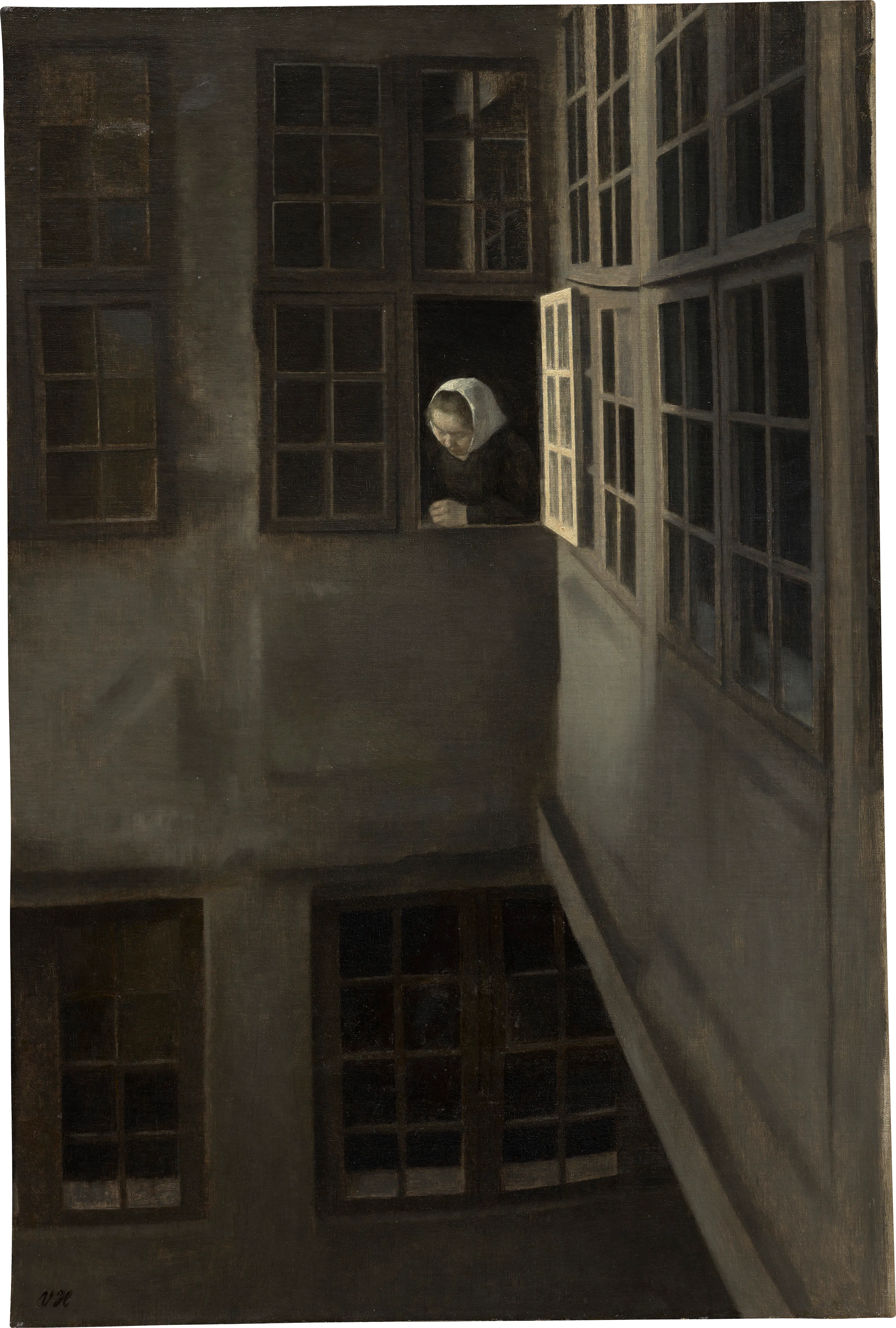
The oil painting Courtyard Interior at Strandgade 30 (1905) is a highlight of the exhibition from Loeb’s collection. Around the time of its creation, Hammershøi rented the first-floor apartment at Strandgade 30 in Copenhagen, where he lived with his wife Ida from 1898 to 1909. It was here that he painted some of his most iconic works.
Related: Flora Danica Porcelain: Serving the Art of Botany

The painting depicts a woman, characteristically turned away from the viewer, looking out of a window. The window panes in the work form a grid — a motif echoed by American minimalists, highlighting the interplay between Hammershøi’s use of grids and the minimalists' later adoption of this feature.
Related: Josef Albers: Thinking Outside the Box
Hammershøi was strongly influenced by 17th century Dutch artist Jan Vermeer. Like Vermeer, Hammershøi preferred interiors with a limited color palette, with figures engaged in serene everyday activities such as reading. He has also been compared to Vermeer for his skillful use of light.
Related: Jan Vermeer: The Mysterious Master of Light
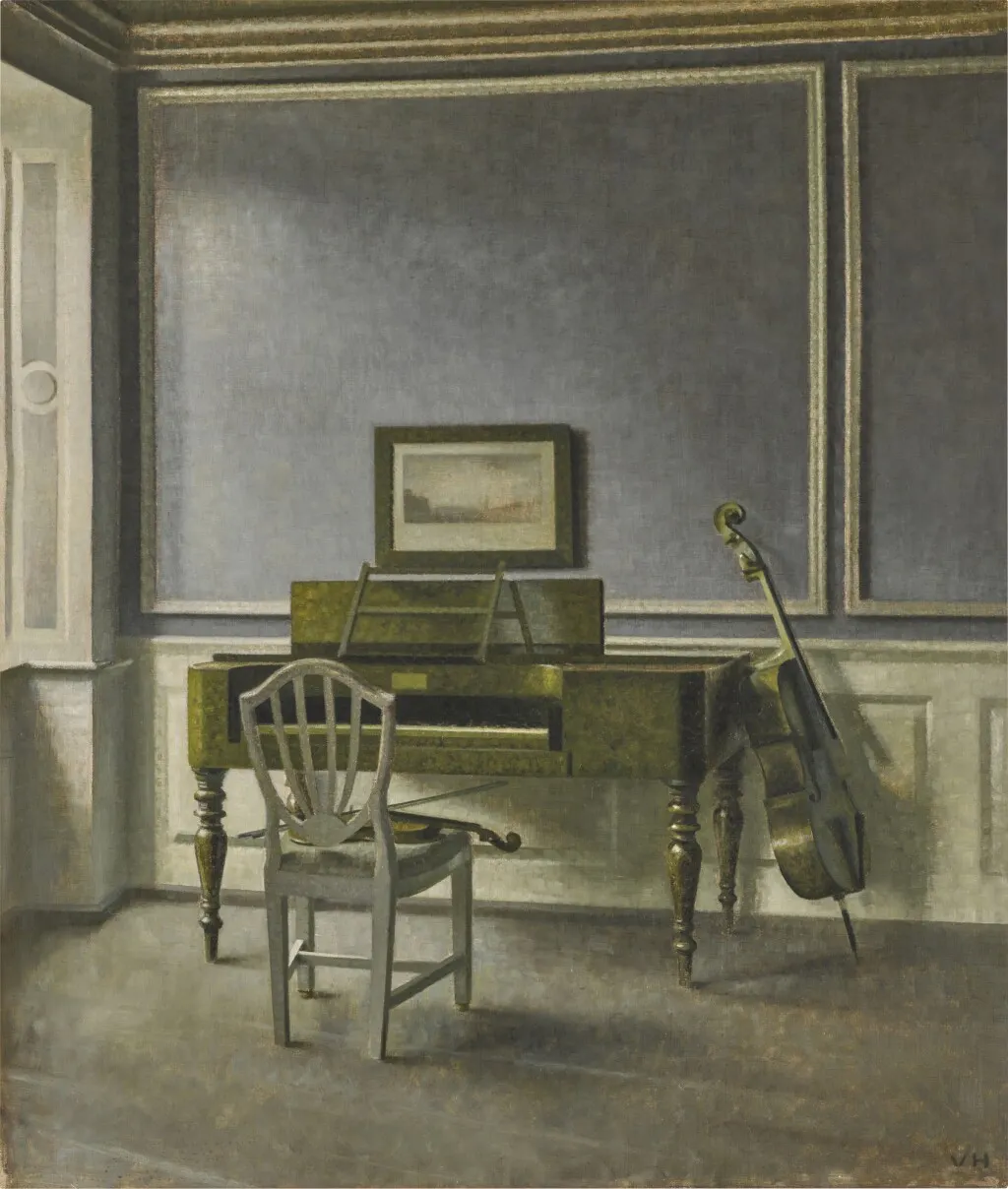
Hammershøi's paintings are sold for millions; last year the artist achieved a record price: The painting, Interior. The Music Room, Strandgade 30 (1907) sold for an astonishing $9.1 million.
Related: Hammershøi's Tranquil Interior Could Set a Record
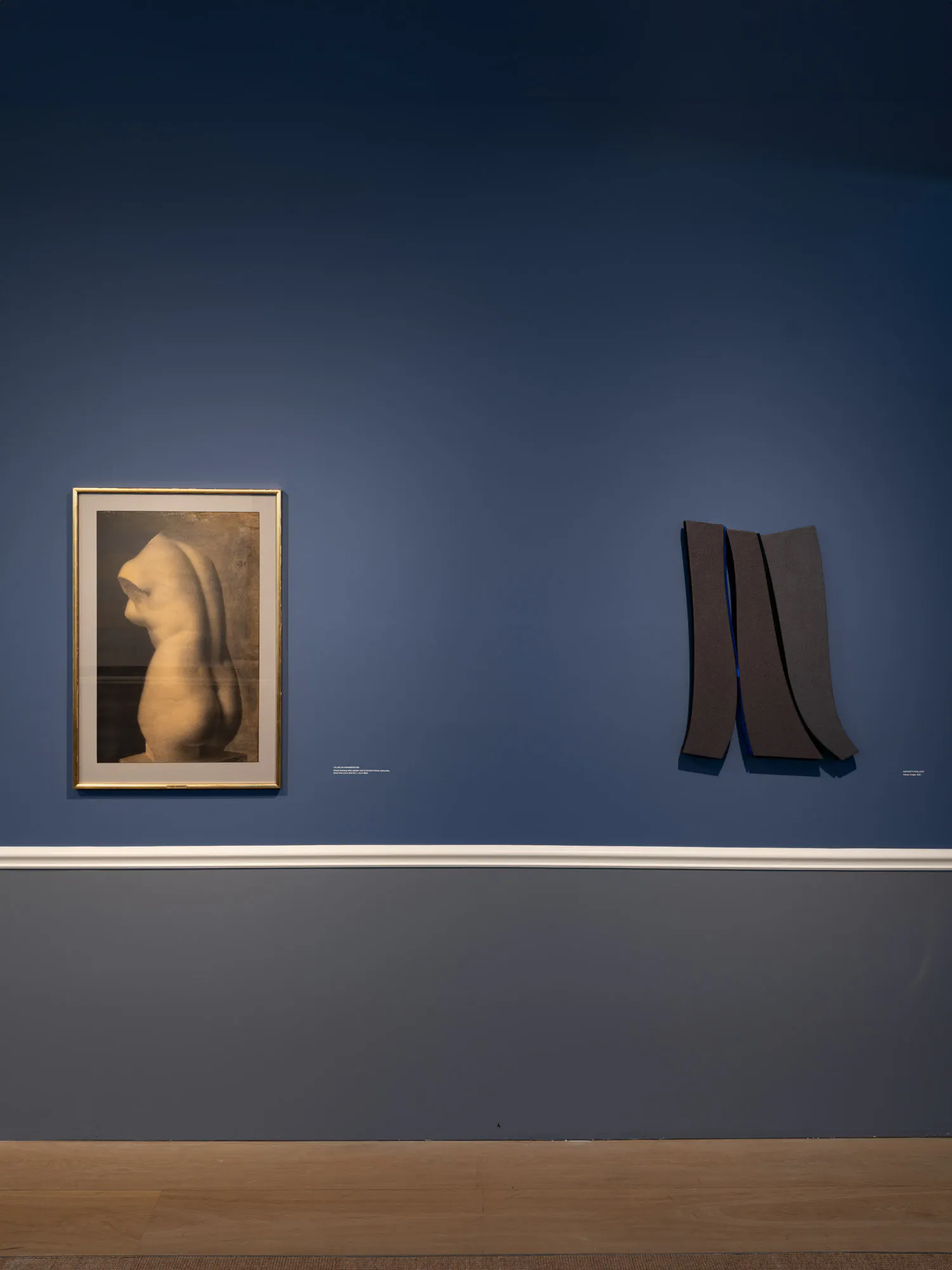
Leading global institutions are increasingly adding Hammershøi's works to their collections. This summer, his paintings will be featured at Art Basel by the Swiss gallery Hauser & Wirth. But if you're in New York over the next few weeks, don't miss the Phillips exhibition 'Stillness: Hammershøi and American Minimalism', which is open until May 17.