
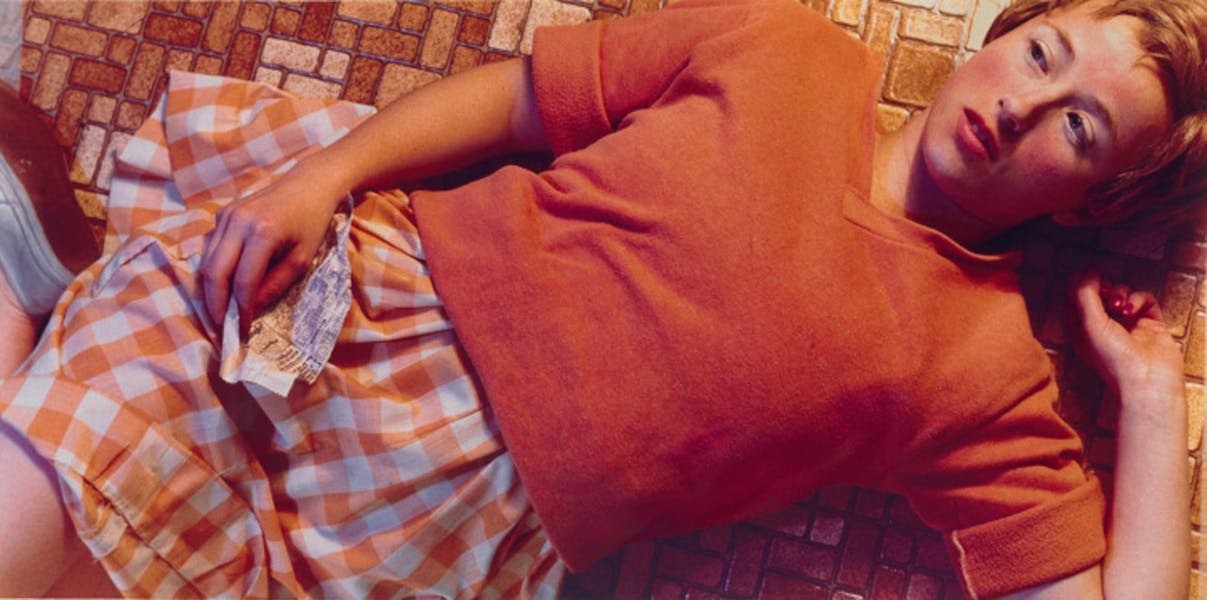
Born on January 19, 1954 in New Jersey, Sherman grew up in New York and attended the State University College of Buffalo, where she studied painting. However, she soon turned her attention to photography as a tool for conceptual art, inspired by her compatriot Duane Michals as well as the postmodernist John Baldessari. After graduating in 1976, she moved to Manhattan and shared a studio-gallery with the painter Robert Longo, whom she had met at university.
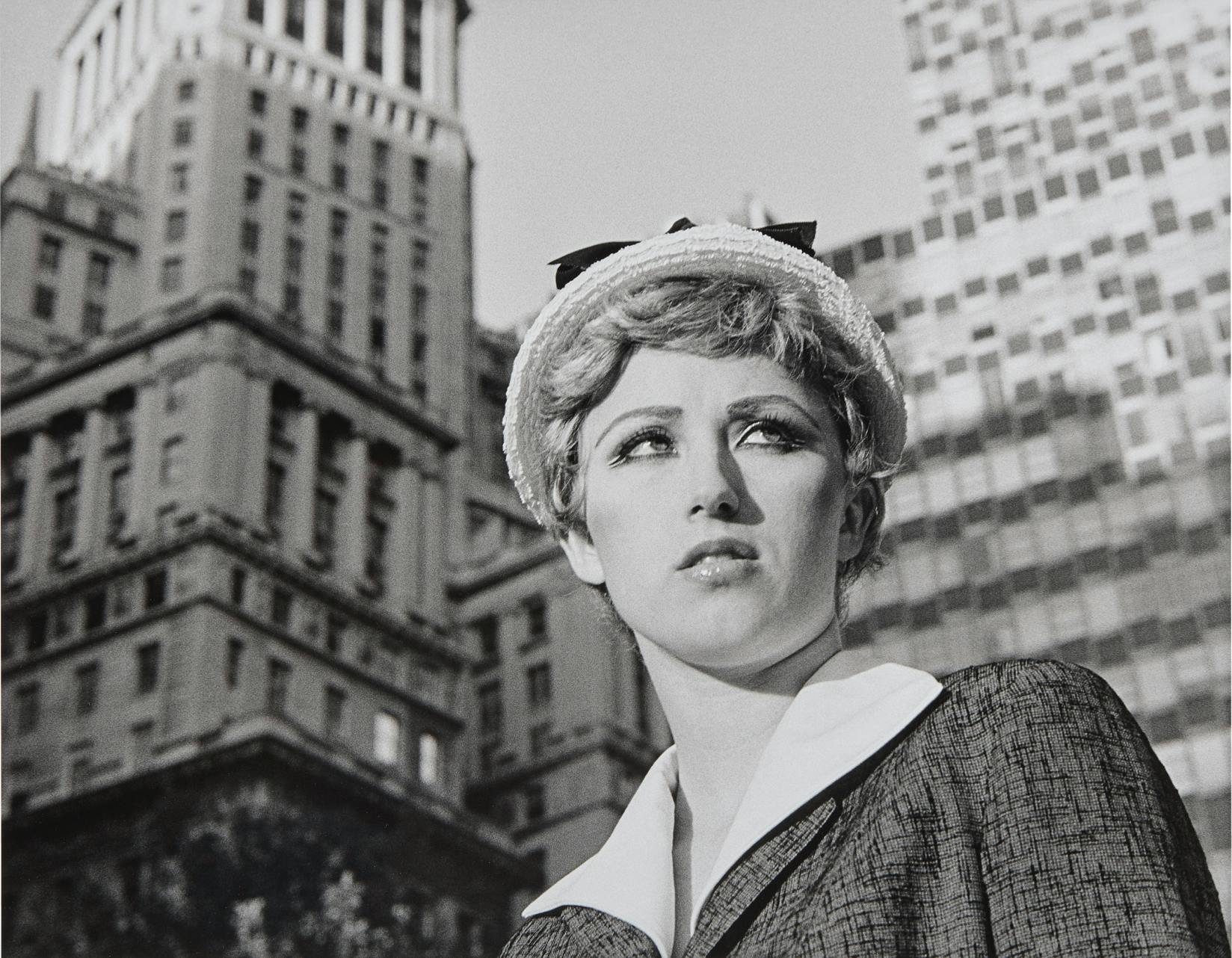
Even in her first exhibition in 1979, her photographic work clearly caricatured the society of appearances. The subjects and stylizations and provoked analysis of identity, both collective and individual, a theme that would run through her work for the next four decades.
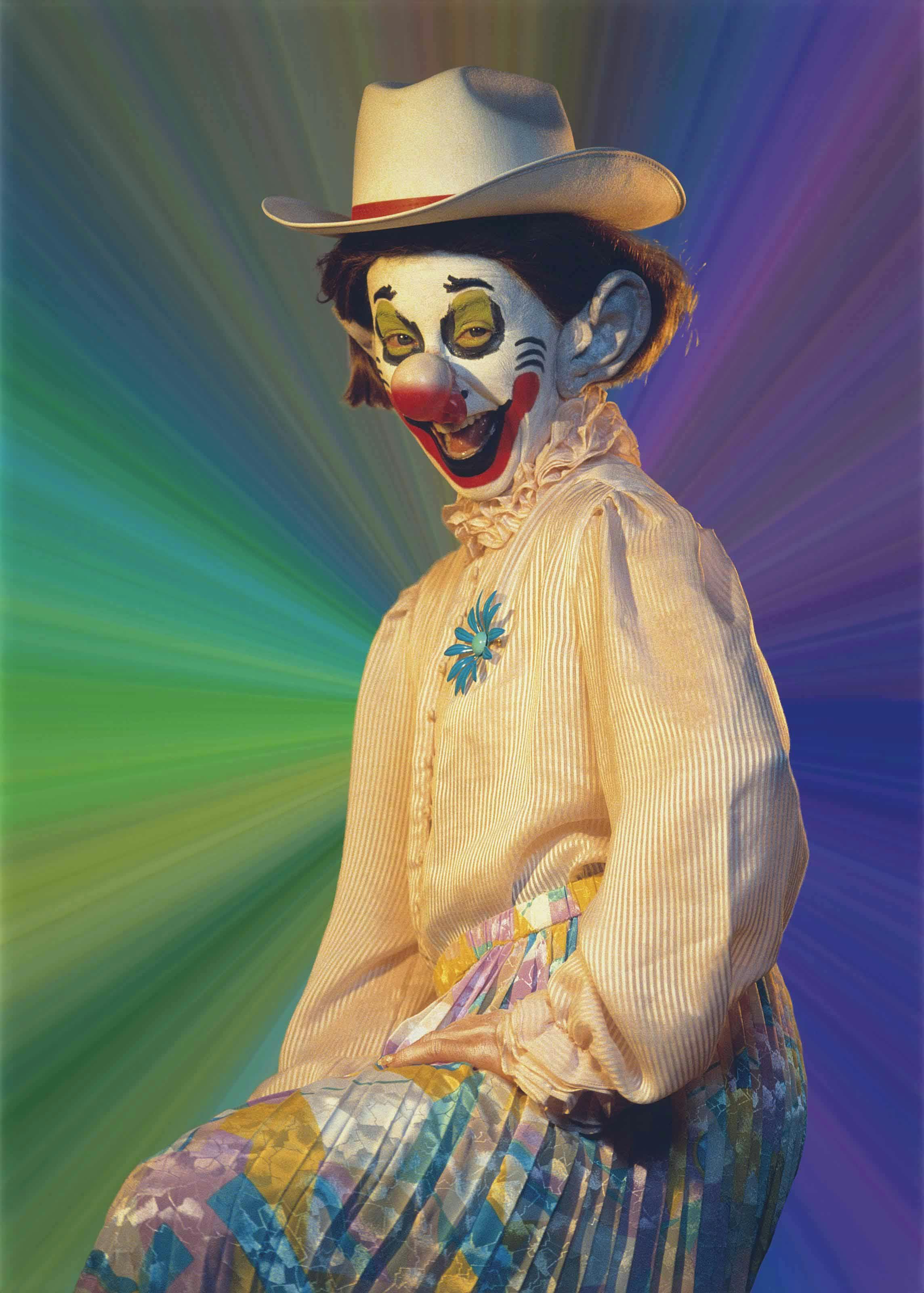
Although Sherman exhibits herself in her photographs, her self-portraits do not aim to establish any particular formal or psychological state, but rather to reflect on humans in general (and women in particular), in terms of social, cultural and environmental conventions. In her first series, her black-and-white ‘Untitled Film Stills’, her photographs parodied scenes and clichéd female characters from American B movies or noir films of the 1950s and ‘60s. Through the postures of her heroines, Sherman critiques the stereotypes behind these characters, as well as the societal constraints and conventions that they were subject to. Alternating between color and black-and-white film from the 1980s onwards, Sherman would go on to appropriate costumes, makeup, accessories and backdrops from the world of performance, as well as adopting imagery from sources such as men’s magazines, fashion stills, and advertising.
See also: Georgia O’Keeffe’s Flower Power
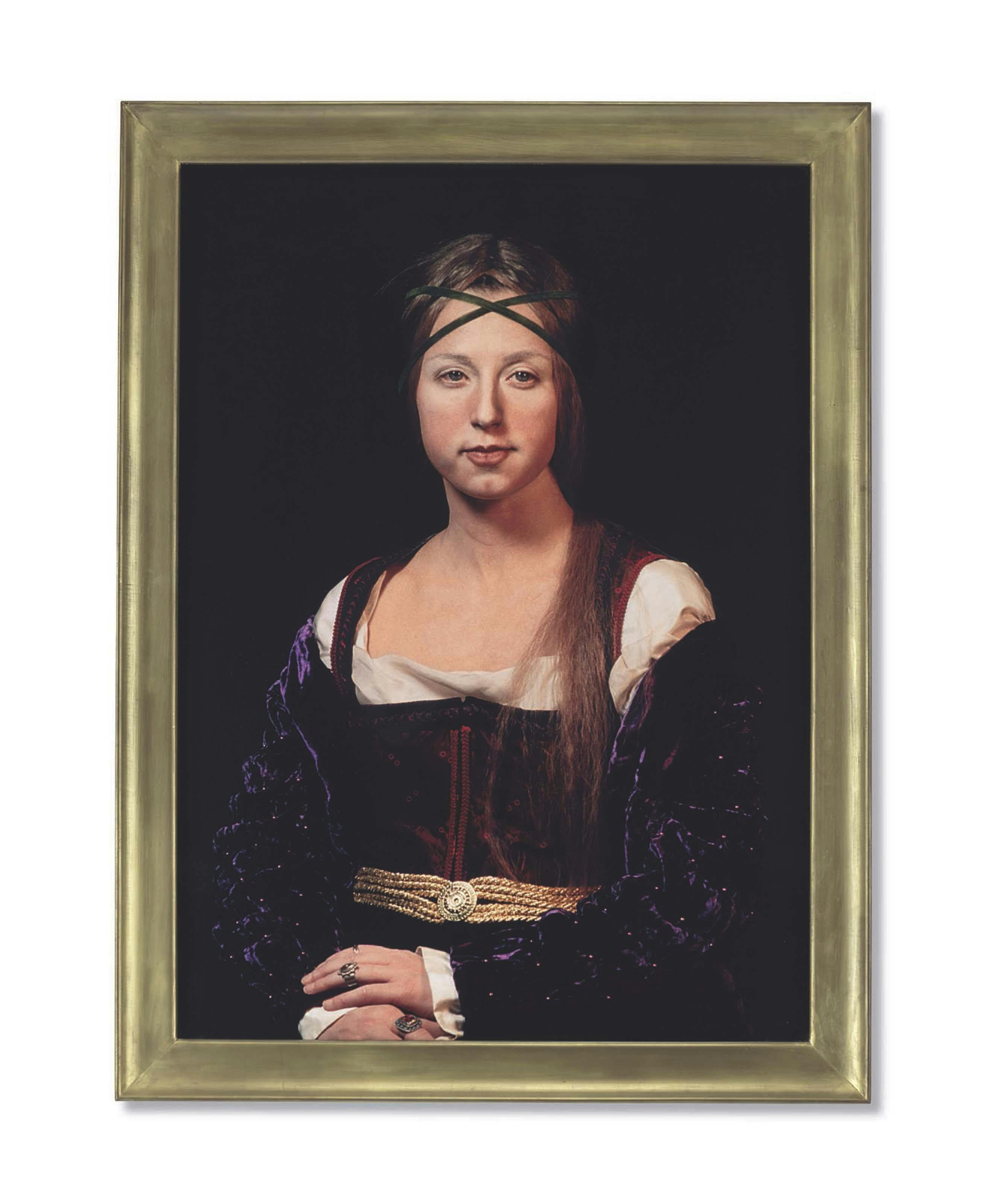
Modern consumer culture wasn’t Sherman’s only source of inspiration, either. In her series ‘History Portraits / Old Masters’ (1988-90), she endeavored to demystify the world of art by delving into paintings by European masters. By exaggerating her caricatures through props, makeup and prosthetics, Sherman blends a Postmodern consciousness with the timelessness of the paintings (or at least the tropes they represent), creating works that are clearly artificial yet still reference the appearance and styles of paintings from the Middle Ages and the Renaissance.
See also: The 14 Most Expensive Female Artists
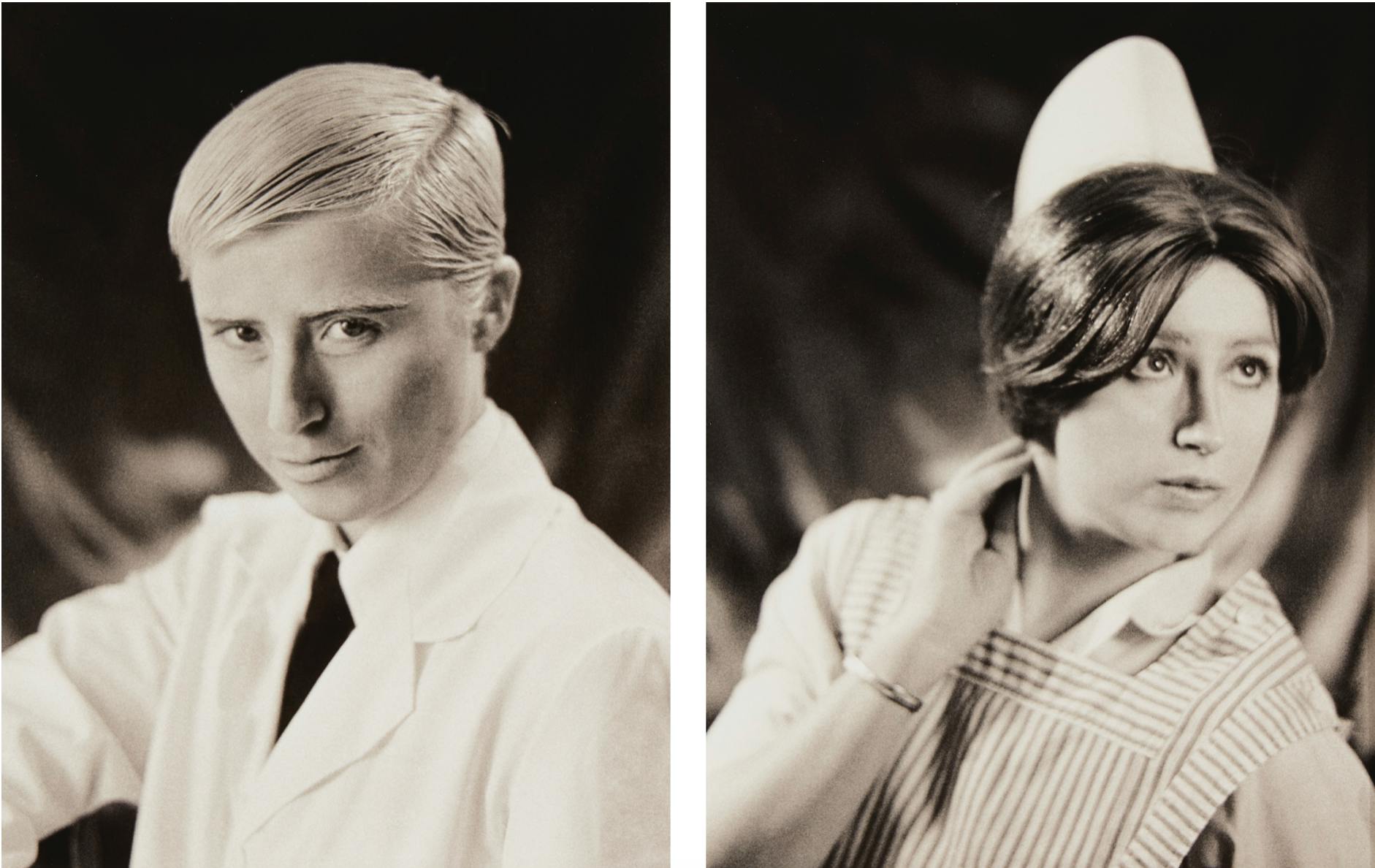
Sex, gender, and how they are related to the formation of identity, is one of Sherman’s favorite themes to explore. Aiming to disturb and provoke, her figures stir reflection on the notions of femininity and feminism while simultaneously targeting the superficiality of these icons. Even if she doesn’t consider her work feminist in the strictest sense, Sherman acknowledges that “everything in it was drawn from my observations as a woman in this culture”. While her multiple ‘anonymous identities’ and method of societal critique quickly pushed Sherman to the fore of both the American and international art scenes, they also caused the artist to struggle with her own identity.
Saying little about herself outside her art, she has admitted to weakness and doubts about her work, particularly some of her color shots. Her dressing up is almost a form of clownishness, and the costumes and masks in her work highlight how the ‘American way of life’ (and modern Western society in general) is overly focused on appearances that may be deceptive.
See also: Yayoi Kusama: The Queen of Cool
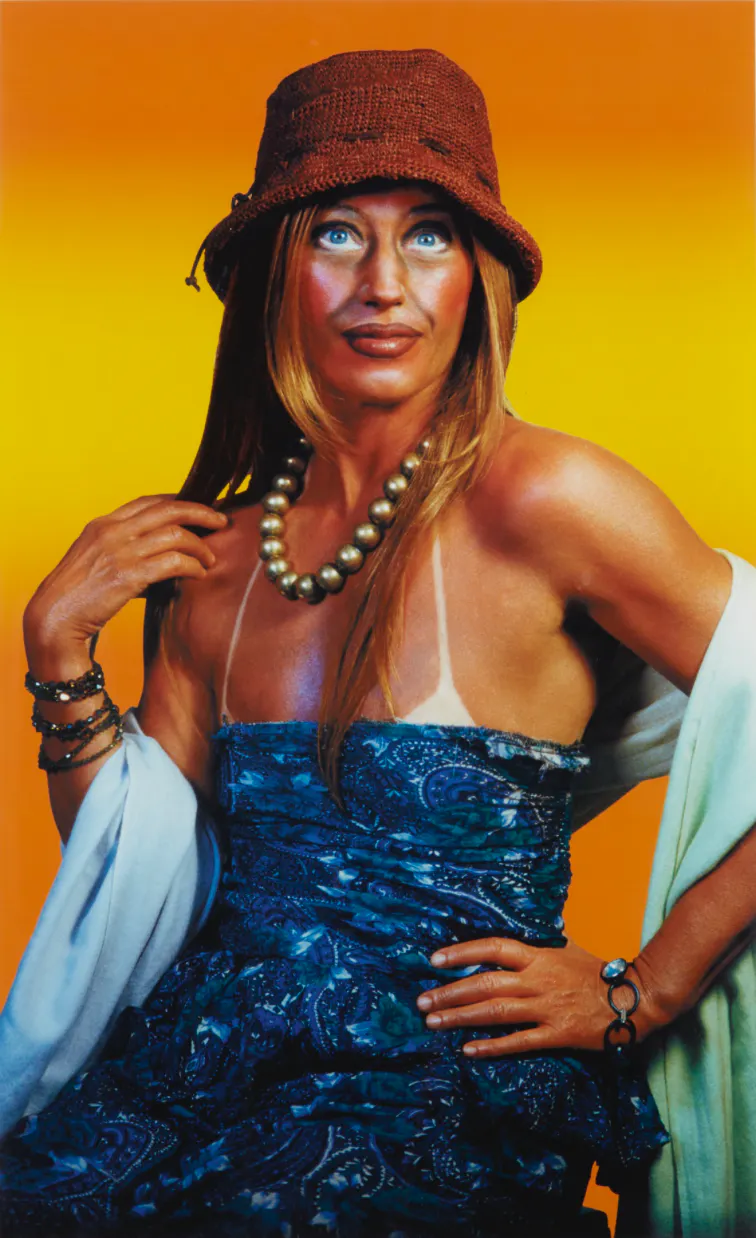
Sherman’s work has earned her numerous prizes and distinctions, including the Hasselblad Award for photography in 1999, the Roswitha Haftmann prize for visual arts in 2012, and the Praemium Imperiale global arts prize awarded by the Japan Art Association in 2016. After taking a brief sabbatical, The Broad Museum in Los Angeles presented her newest series, ‘The Imitation of Life’, in 2016.
In the self-portraits, Sherman positions herself as an aging starlet, emulating the glamour shots of old Hollywood icons, such as Gloria Swanson. Most recently, the artist has adopted Instagram as a new platform for posting and displaying her photography, continuing the themes that thread through her life’s work by taking on the self-obsession and superficiality of the digital world.