
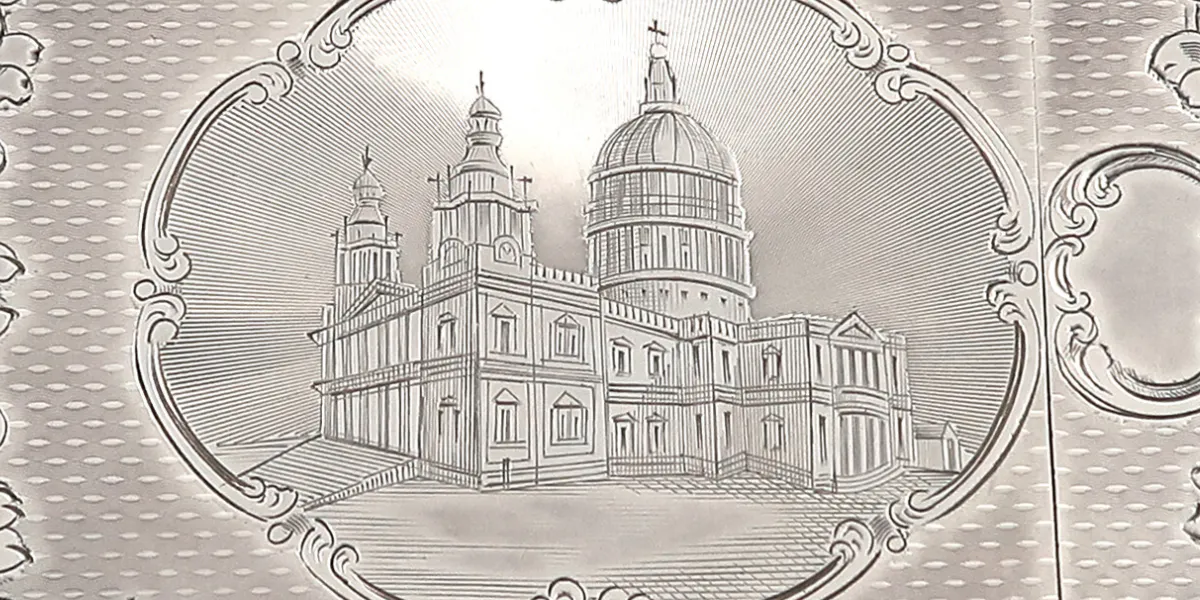
A calling card, or visiting card, was an essential accessory used by the higher classes of Europe, Russia and North America. From the 1820s, it became common practice, particularly among middle and upper classes, to leave a visiting card in the drawing rooms of Europe.
Related: The Story of the Staffordshire Dog Figurines
Before the 18th century, visitors would leave handwritten notes in the homes of their guests, and by the 1760s, Italian and French upper classes used printed cards decorated with images on one side and a blank space for writing on the other side. As printing technology developed, elaborate designs became more frequent. Upperclass Victorians adopted the French custom of 'une carte d'adresse' and popularized the calling card.
Calling cards were no simple affair, and there were many practices and expectations surrounding the little rectangles of paper. Knowing the 'rules' of calling cards was an indicator of one's social status. For example, Rules of Etiquette and Home Culture, published in 1886, explained: "The cards of unmarried and married men should be small. For married persons, a medium size is in better taste than a large card. The engraving in simple writing is preferred and without flourishes."
Related: The Art of Ornamentation: Van Vianen Silver
In the 19th century, calling cards became an essential part of etiquette with a strict code of conduct. Simply showing up to visit someone was not acceptable; instead, prior arrangement was required, and this is where the calling card played its role. The mistress of the household or her servant would deliver the card to the residence of the person she wished to visit, thus showing her intention. The mistress of the receiving household could then choose to accept, and if she did, she would reciprocate with a card of her own.
Calling cards were also not to be confused with business cards – if one should leave their business card on a social visit, this would have been considered bad-mannered. A business card left with a servant or in the drawing room would signify that the visit had been business, and not pleasure.
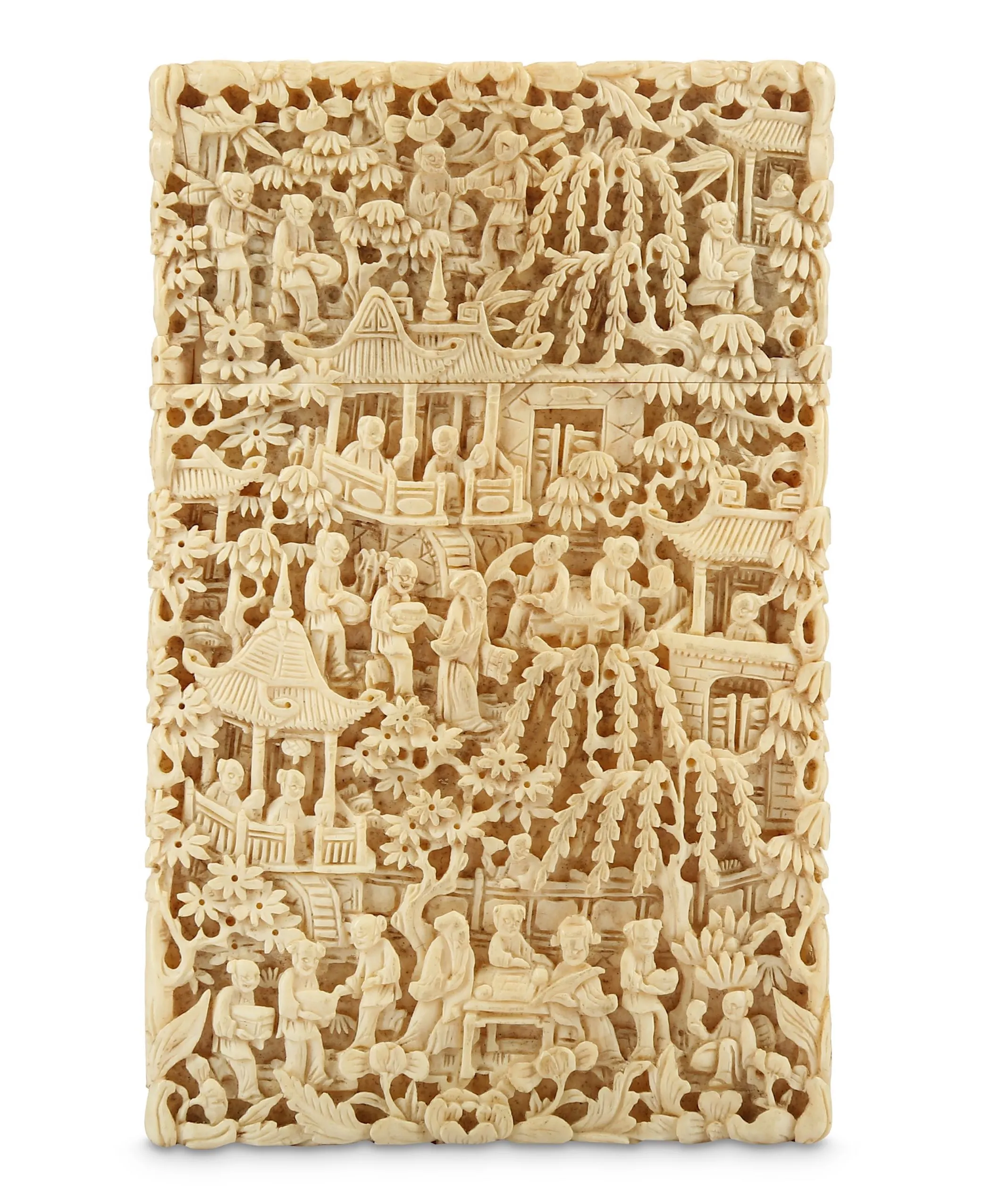
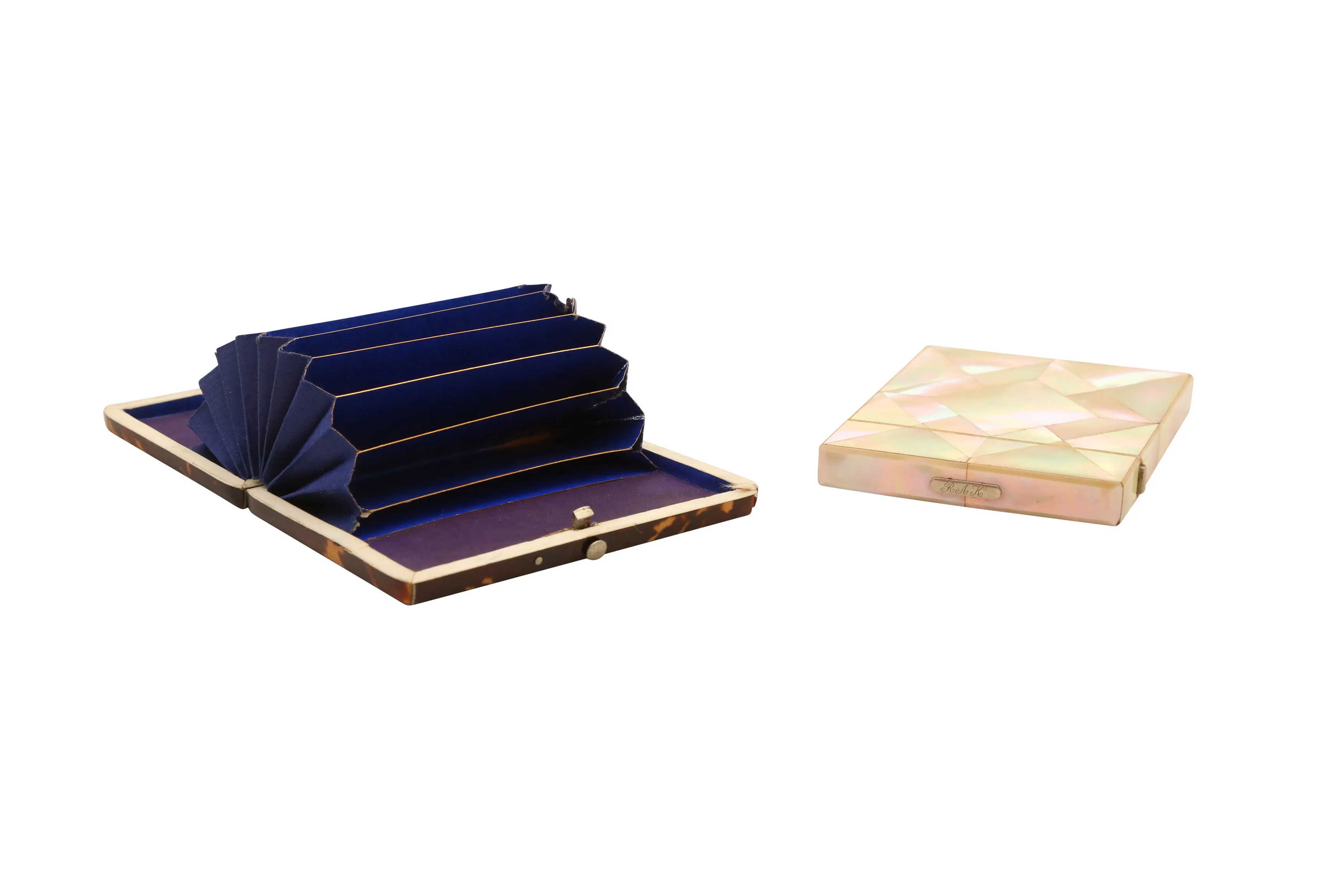
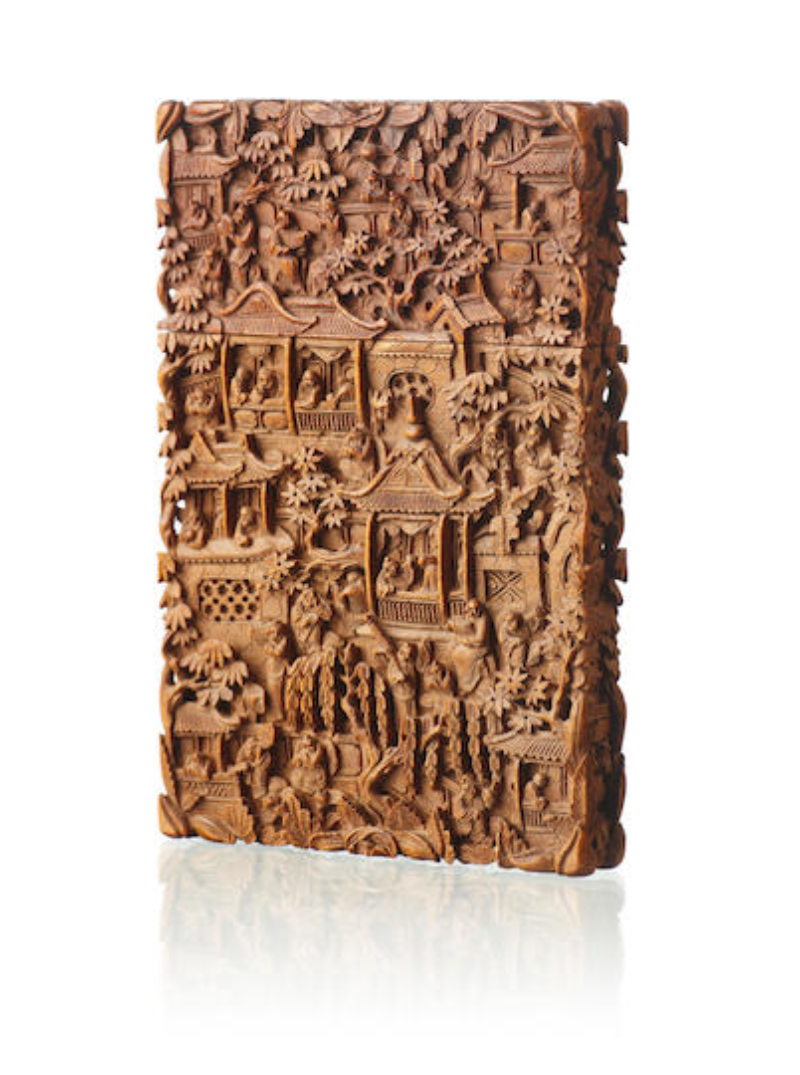
As the popularity of calling cards increased, so did the need for elegant card cases. Card cases were most commonly made of mother-of-pearl and tortoiseshell, but for those wanting to show off their international connections, a card case of the finest Moroccan leather or ivory from China would make them stand out.
Related: A Brief History of Furniture Design
Card cases came in all of the materials popular during the Regency, Victorian and Edwardian periods, including Middle-Eastern sandalwood, Scottish tartan, French porcelain, lacquer, papier-mâché and even sharkskin.
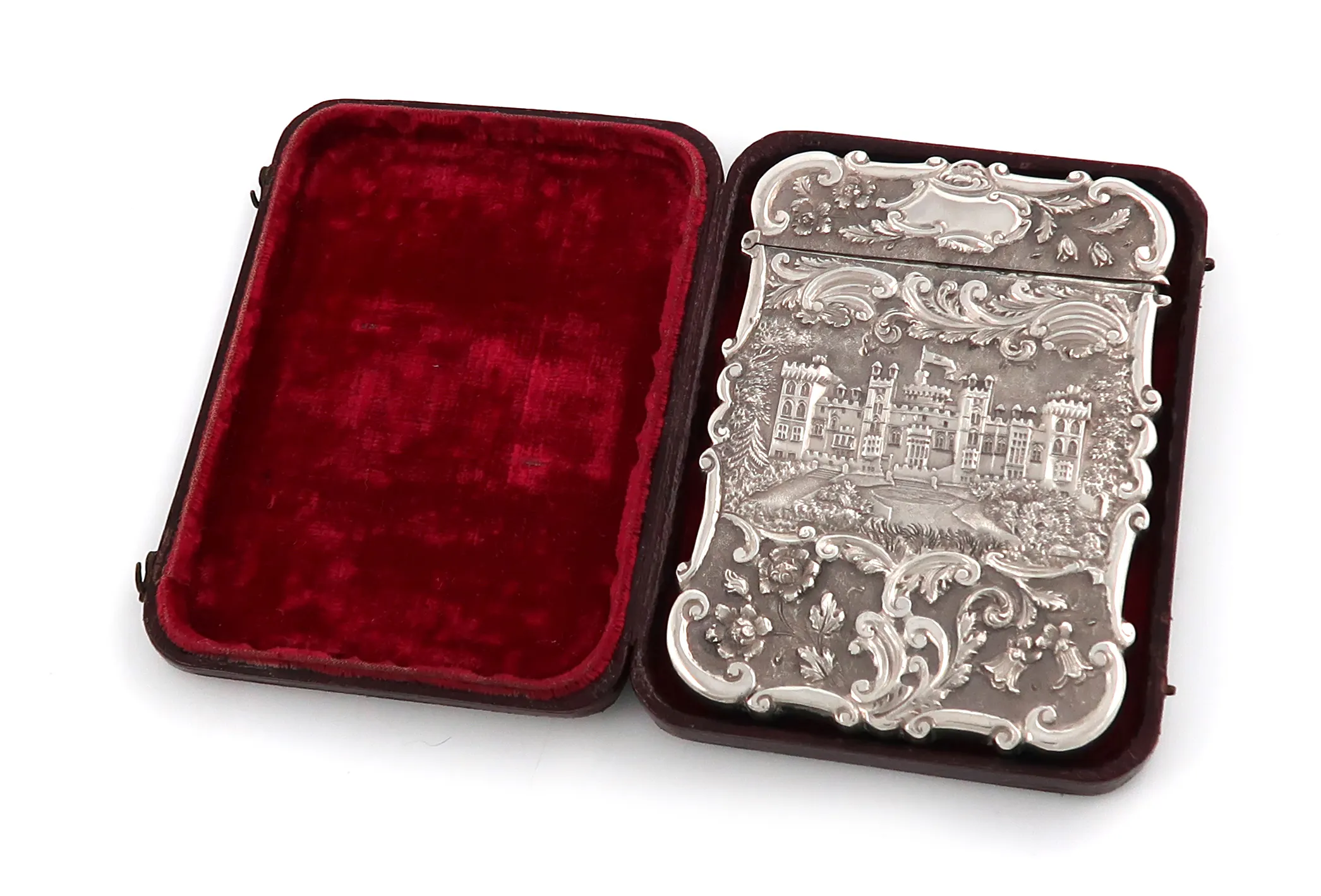
The crème de la crème of card cases were produced in Victorian England. Also known as 'castle-tops', they were made in silver and engraved or die-stamped by makers in Birmingham. Nathaniel Mills, a silversmith also known for excellent snuff boxes and vinaigrette boxes, was the most revered of castle top makers. Other popular silversmiths were Taylor and Perry, Joseph Wilmore, and Hilliard and Thomason.
Related: Snuff Bottles: Still up to Snuff
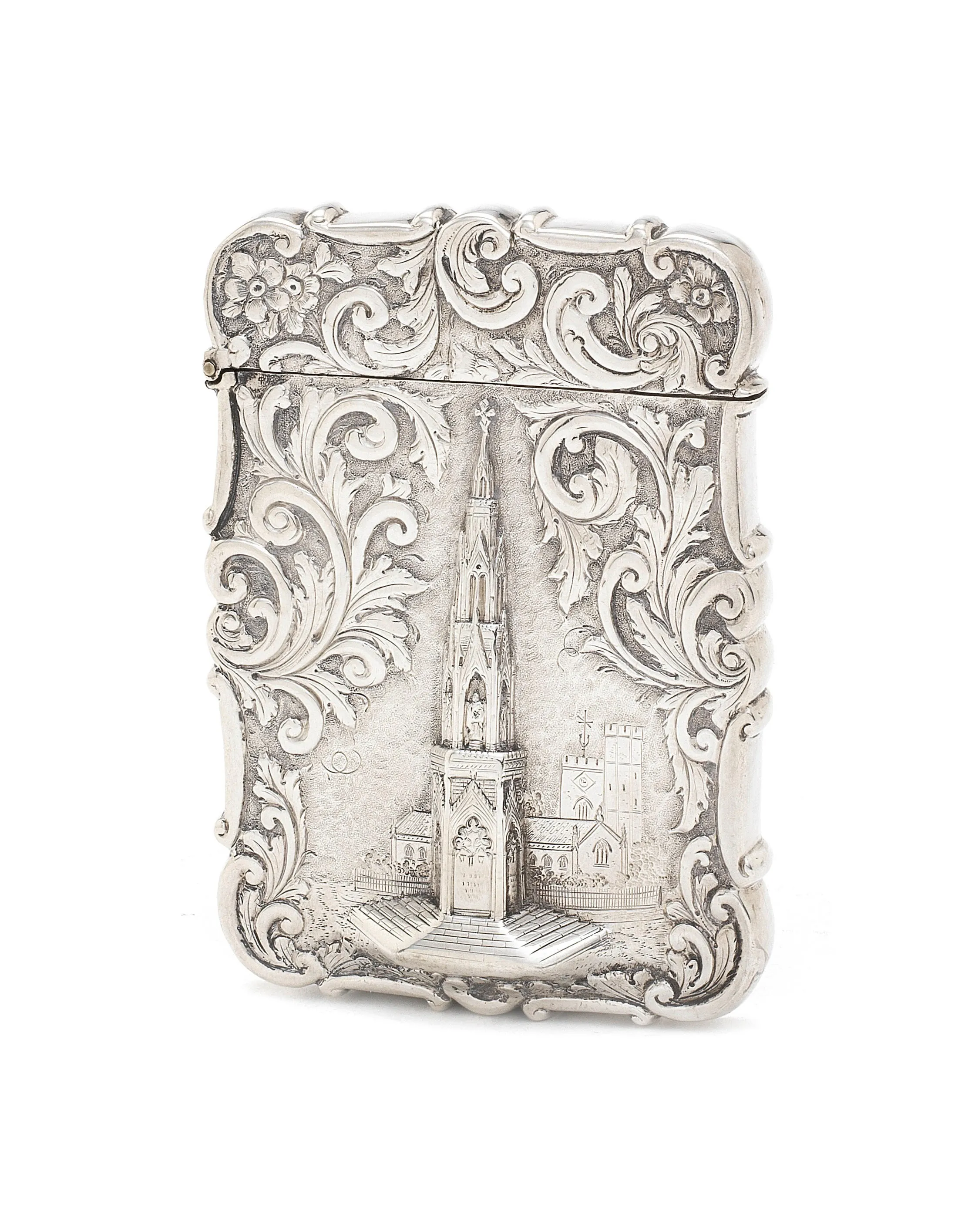
On the auction market, most card cases go for between $50 to $500, depending on the material and rarity. Some castle-top cards decorated with famous landmarks, such as British cathedrals and castles, can go for around £1000. The rarer the landmark, the higher the price, with some castle-tops reaching as high as $10,000.


