Henry VIII and his six wives remain one of the best-known chapters in English history, continuing to inspire novels, documentaries and films.
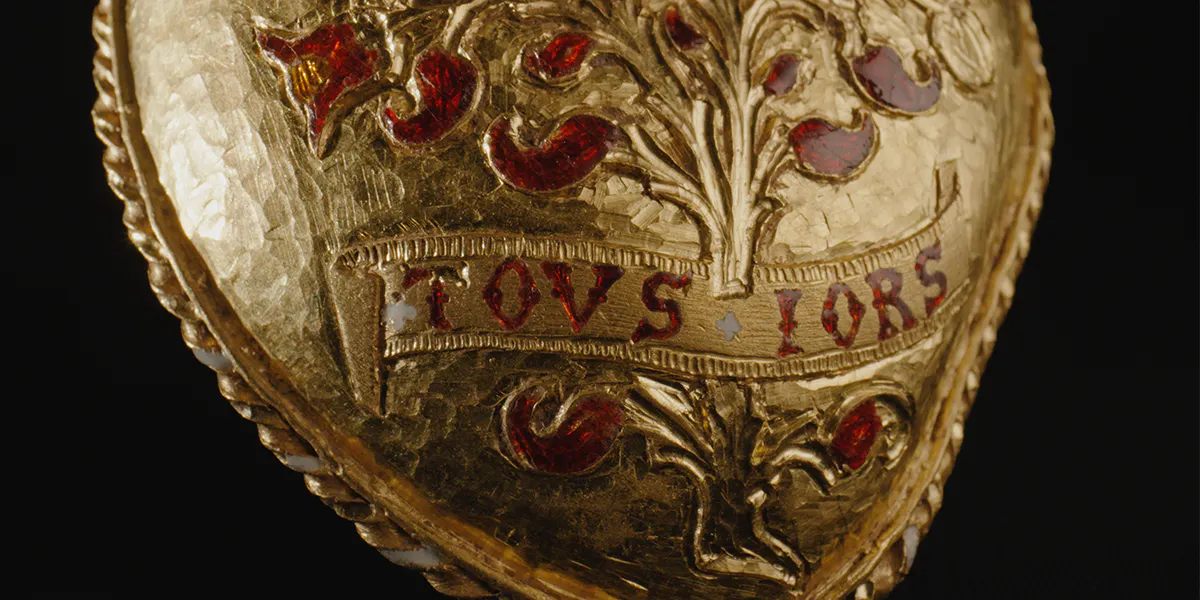
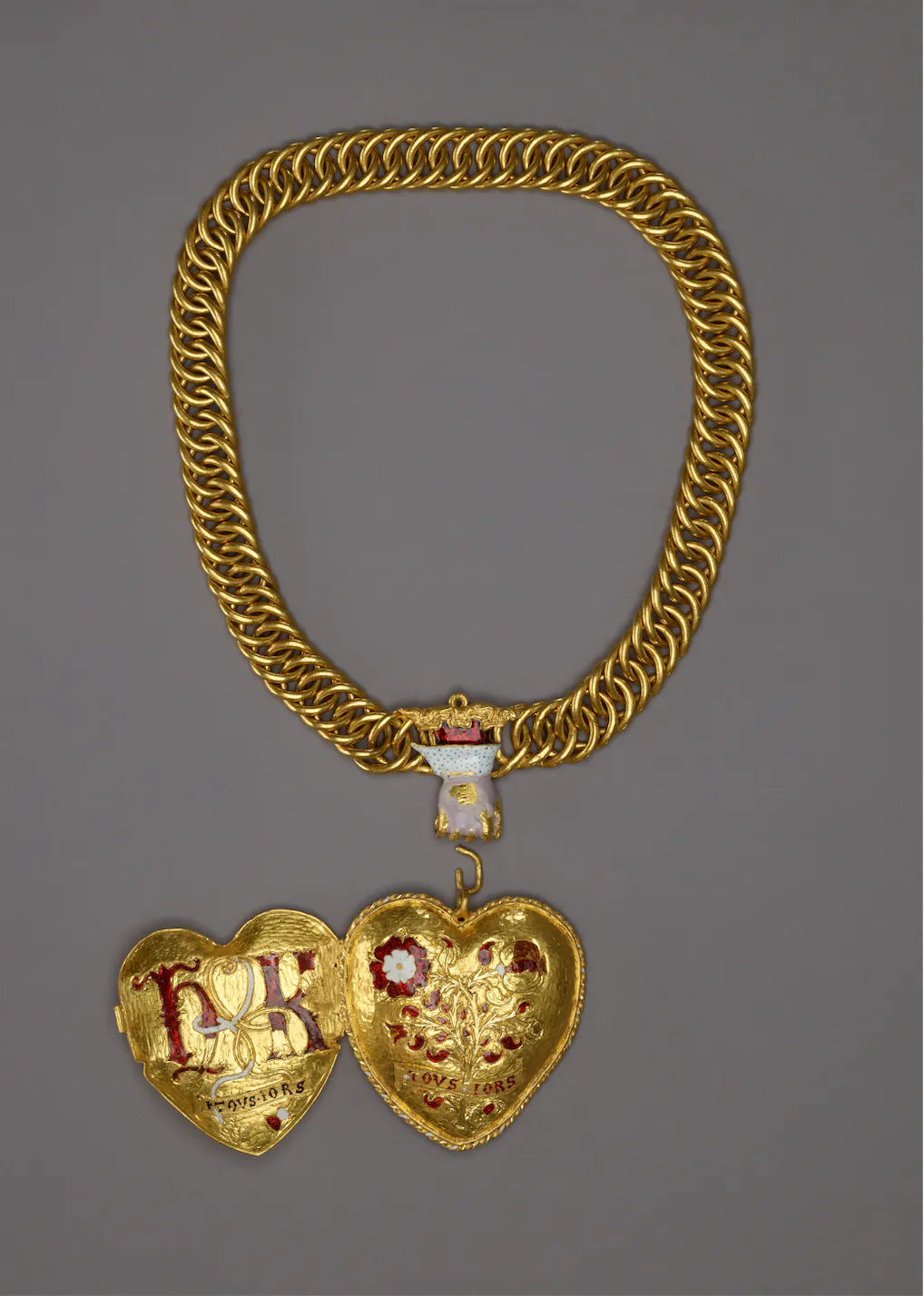
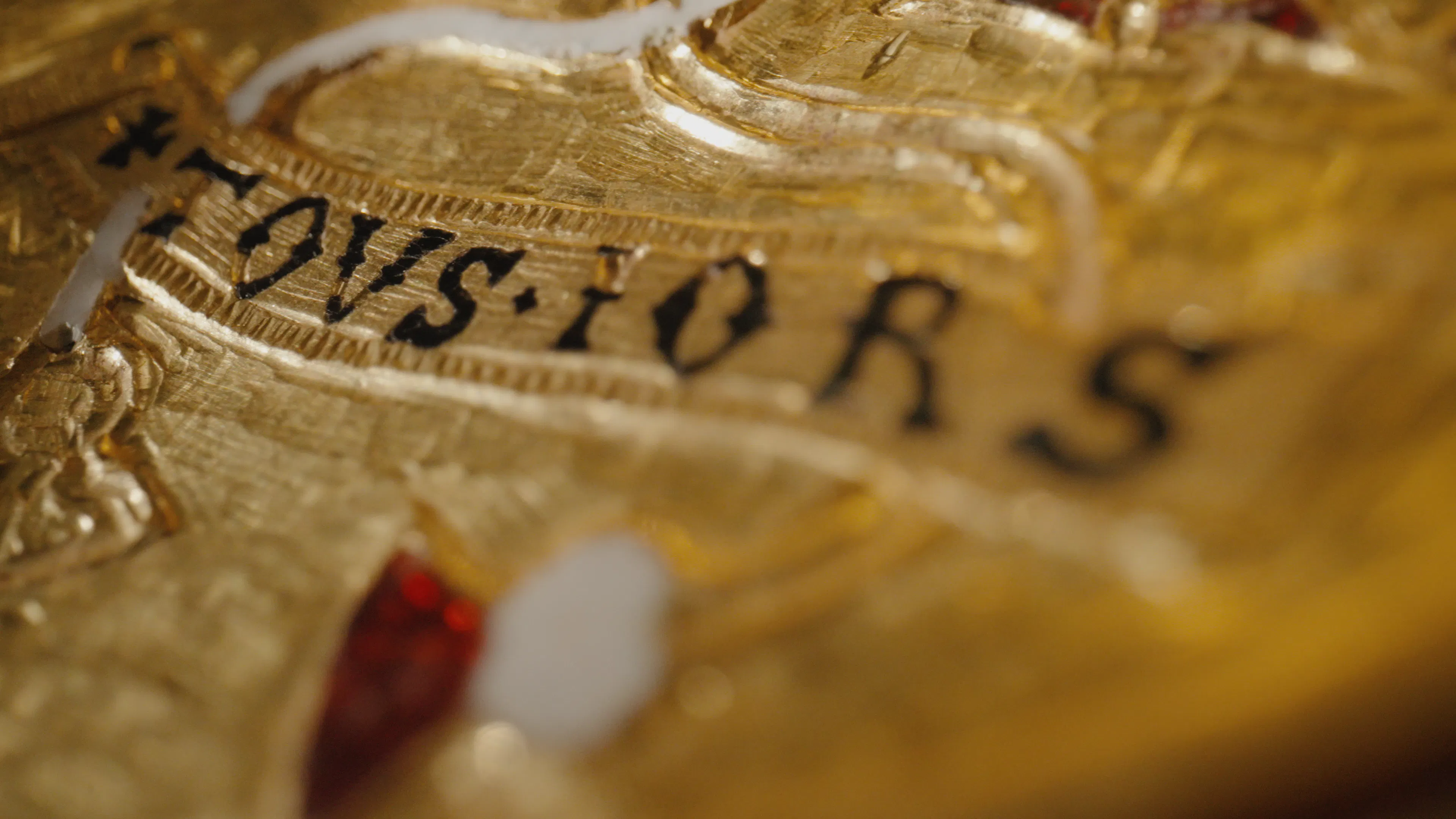
A new episode in this story emerged in 2019, when an amateur metal detectorist made an unusual discovery in a field in Warwickshire: a heart-shaped locket of 24-carat gold on a gold chain. Experts at the British Museum later identified the piece as a rare memento of Henry VIII’s first marriage to Catherine of Aragon. The connection is confirmed by the engraved letters H and K and the couple’s emblems, the Tudor rose for Henry and the pomegranate for Catherine.
See also: A Tudor Gold Treasure Discovered by Metal Detector
Such discoveries in England, Wales and Northern Ireland fall under the Treasure Act 1996, which governs how historically significant finds are handled. The first step is to determine whether an object qualifies as treasure. The locket meets the criteria, as it is more than 300 years old and contains at least 10 per cent gold or silver. Once an item is classified as treasure, the finder must offer it to a museum for purchase. The price is set by the Treasure Valuation Committee, which in this case valued the necklace at £3.5 million. If no institution expresses interest or raises sufficient funds, the finder is free to keep the object or sell it privately.
Want more articles like this straight to your inbox? Subscribe to our free newsletter!
The British Museum, which had been displaying the pendant while a decision was pending, sought to acquire the piece but initially lacked the necessary funds. To secure the object for the collection and ensure public access, the museum launched a fundraising campaign last October, aiming to raise the required sum by April 2026. The campaign also received support from actor Damian Lewis, who portrayed Henry VIII in the 2015 television series Wolf Hall.
See also: A Portrait of Henry VIII's Last Queen Sells for 4x Estimate
The appeal attracted strong public backing, with around £380,000 donated by 45,000 individuals. Further contributions included £500,000 from the Julia Rausing Trust, £400,000 from the Art Fund together with the Rought Fund, and £300,000 from the American Friends of the British Museum. A grant of £1.75 million from the National Heritage Memorial Fund ultimately enabled the museum to announce the campaign’s success last week.
Dr Nicholas Cullinan OBE, Director of the British Museum, said: "I want to say a heartfelt thank you to everyone who supported our campaign and to the National Heritage Memorial Fund for so generously awarding £1.75 million. The success of the campaign shows the power of history to spark the imagination and why objects like the Tudor Heart should be in a museum. This beautiful survivor tells us about a piece of English history few of us knew, but in which we can all now share. I am looking forward to saying more soon on our plans for it to tour the UK in the future."