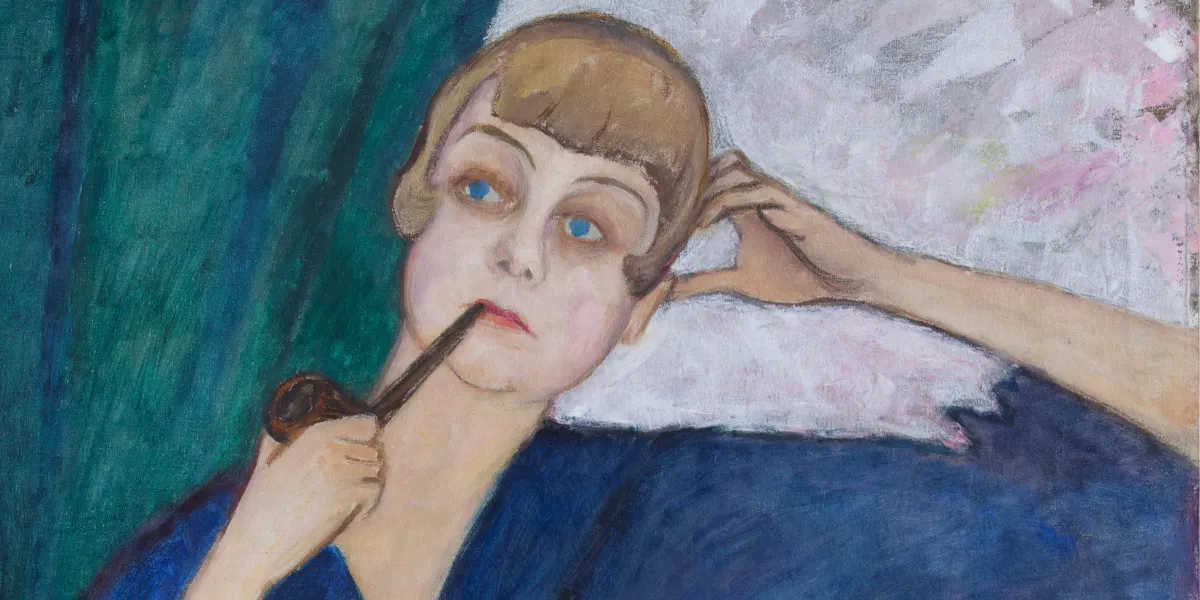
I extract the most expressive aspects of reality and depict them simply, to the point, with no frills...the forms gather in outlines, the colors become fields, and contours – images – of the world emerge.
'Making Modernism' brings together seven artists active in Germany in the early 20th century in a moving and enlightening exhibition. Curated by Dorothy Price, Professor of Modern and Contemporary Art at The Courtauld Institute of Art and Sarah Lea, Curator at The Royal Academy of Arts, it focuses on Paula Modersohn Becker, Käthe Kollwitz, Gabriele Münter and Marianne Werefkin, with additional works by Ottilie Reylaender, Erma Bossi and Jacob van Heemskerck. Although less familiar than their male counterparts, these women were all successful practicing artists who exhibited nationally and internationally, belonging to wider networks of figures who shaped the intellectual milieu of the 20th century. Having overcome the legal and societal barriers their gender imposed – as women could not, for example, study at the main academies of art – they created and exhibited works that generated new ideas and opportunities.
Related: Barnebys Visits: Cézanne at Tate Modern
The exhibition is arranged thematically. Modernism’s key preoccupations and themes around self-portraiture, still-life, and urban and rural scenes are re-examined through the primary lenses of the female body, childhood, and motherhood.
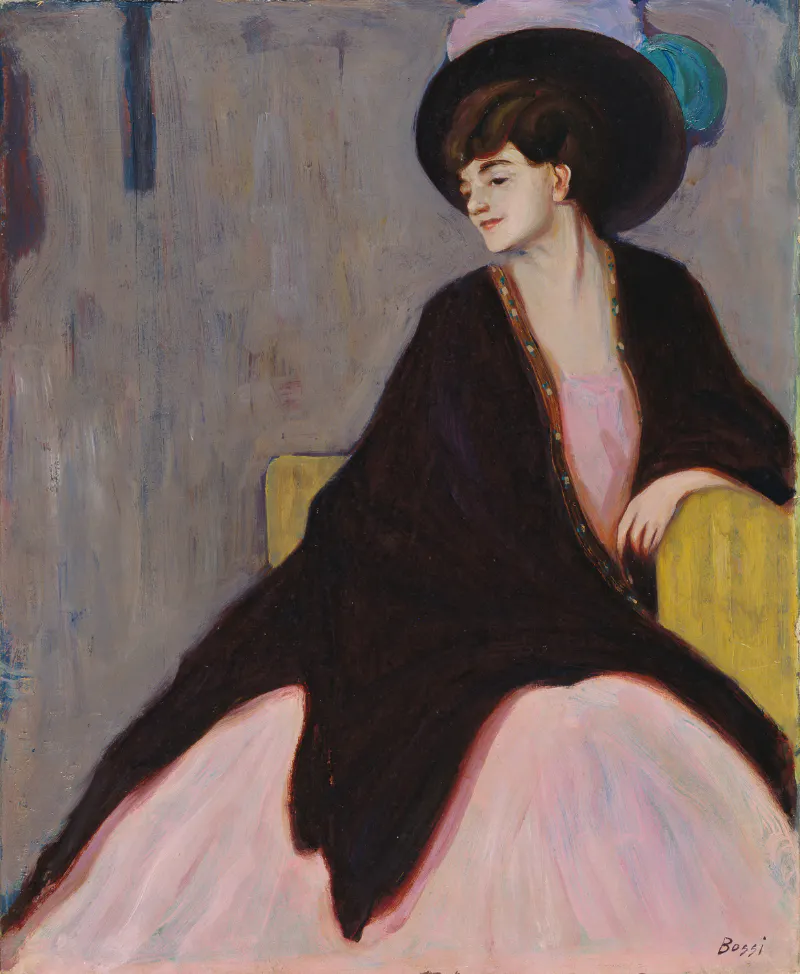
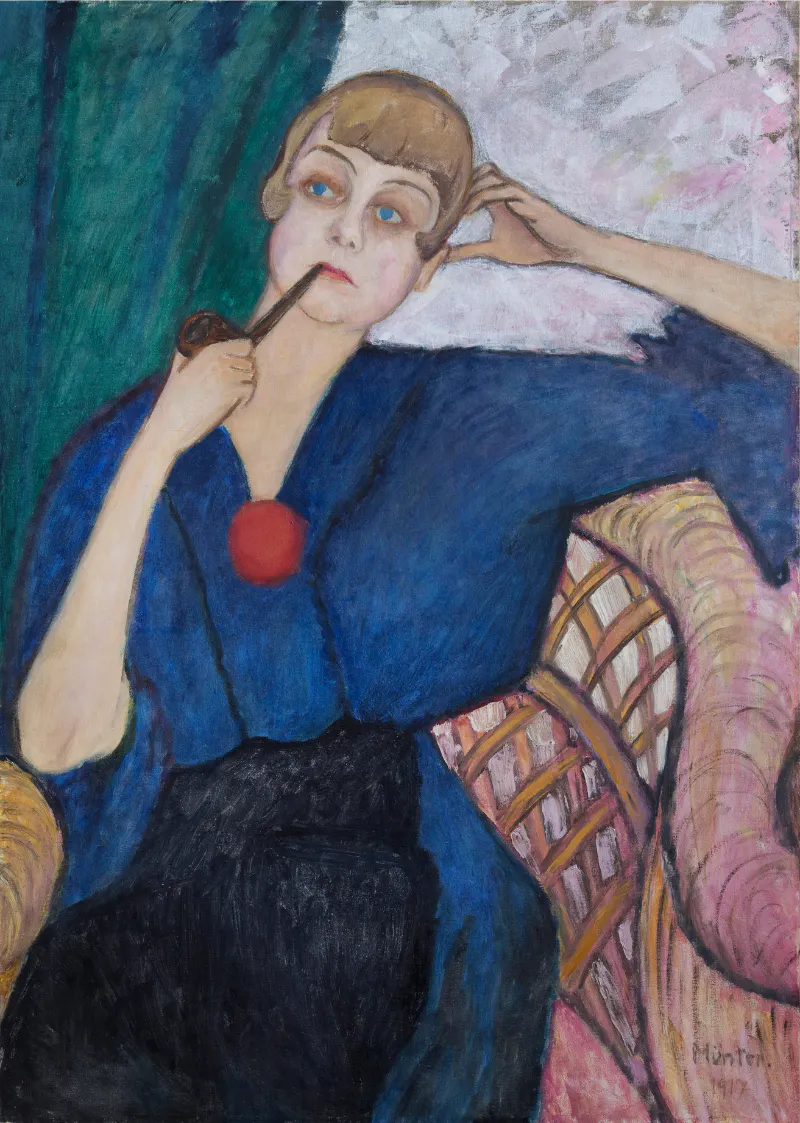
The exhibition opens with Ourselves and Others, a room that features self-portraits and portraits, a key medium for these female artists to explore questions of identity and assert presence in public life. Highlight works include Erma Bossi’s Portrait of Marianne Werefkin (1910) and Gabriele Münter’s Portrait of Anna Rosalind (1917). The room exemplifies the circle of interconnections that the artists frequented, from Münter’s portrait of Kandinsky and Erma Bossi debating at a table to an interior scene depicting Paul Klee sitting in an armchair.
Related: 10 Artist Couples You Should Know
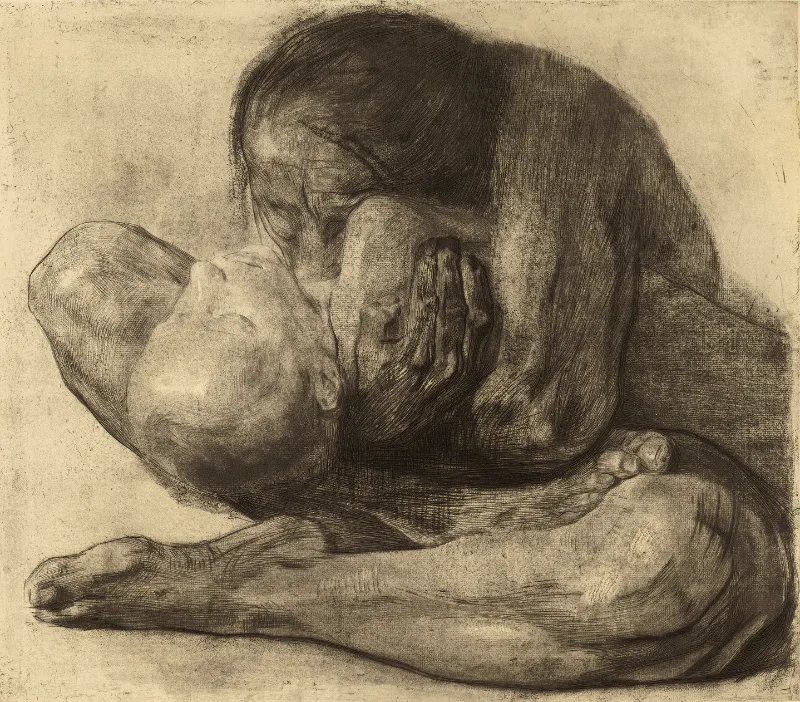
The second section, The Century of the Child, named after the eponymous text written in 1900 by the Swedish feminist Ellen Key, explores each artist’s depiction of children. Although domestic themes had been well-explored in art, the Modernists’ treatment of childhood steers away from the sentimental to explore the melancholic, tense, and conflictual aspects of infancy. Key works include Kollwitz’s Woman with Dead Child (1903) and Münter’s Portrait of a Boy (1908-9), as well as Modersohn-Becker’s Girl with a Child (1902). For Kollwitz, infant mortality cut a deep wound in the artist’s life, and the theme is explored throughout the exhibition in moving etchings.
Building on The Century of the Child, Sites of Intimacy delves further into the private lives of Modersohn-Becker and Kollwitz, who explore themes of motherhood, the female body, intimacy, and eroticism through various self-portraits. One of the most radical paintings in the whole exhibition is Modersohn-Becker’s Self-portrait as a Standing Nude with Hat (1906), as well as her painting Mother with Child on Her Arm, Nude II (1906), where the artist illustrates secular femininity by re-envisioning the ‘Madonna and Child’ motif. In this room, intimate moments on both paper and sculpture by Kollwitz are presented with all their elegiac quality.
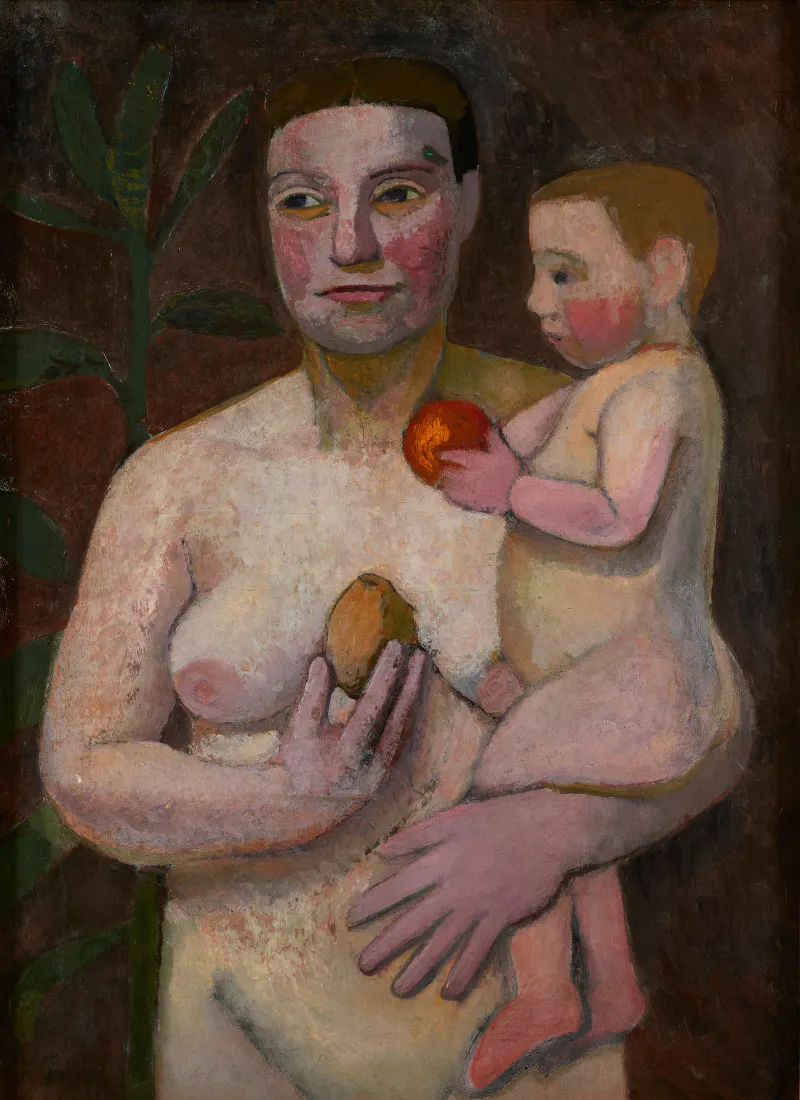
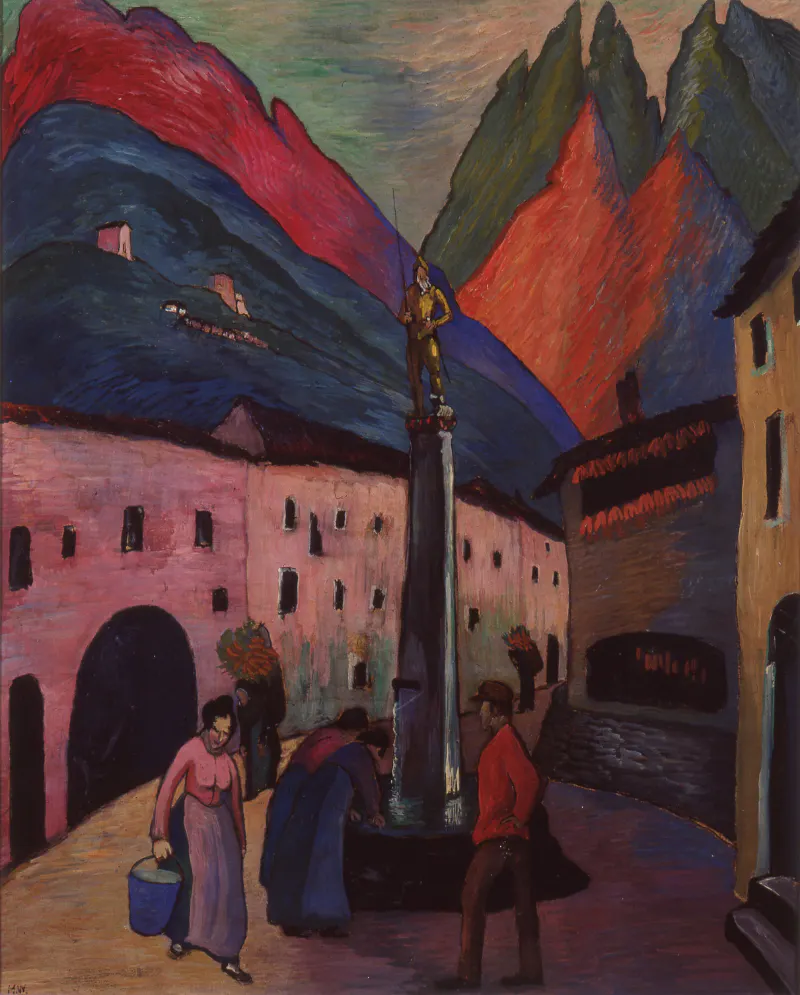
City and Country: Journey and Migrations presents paintings of urban life, exploring the roles of women in various contexts. The works chart the artists’ perspective on modernity, from Münter’s portraits of people encountered on public transport to Werefkin’s lyrical landscapes with figures absorbed by the surrounding environment, and Modersohn-Becker’s depiction of the rural artists' colony of Worpswede.
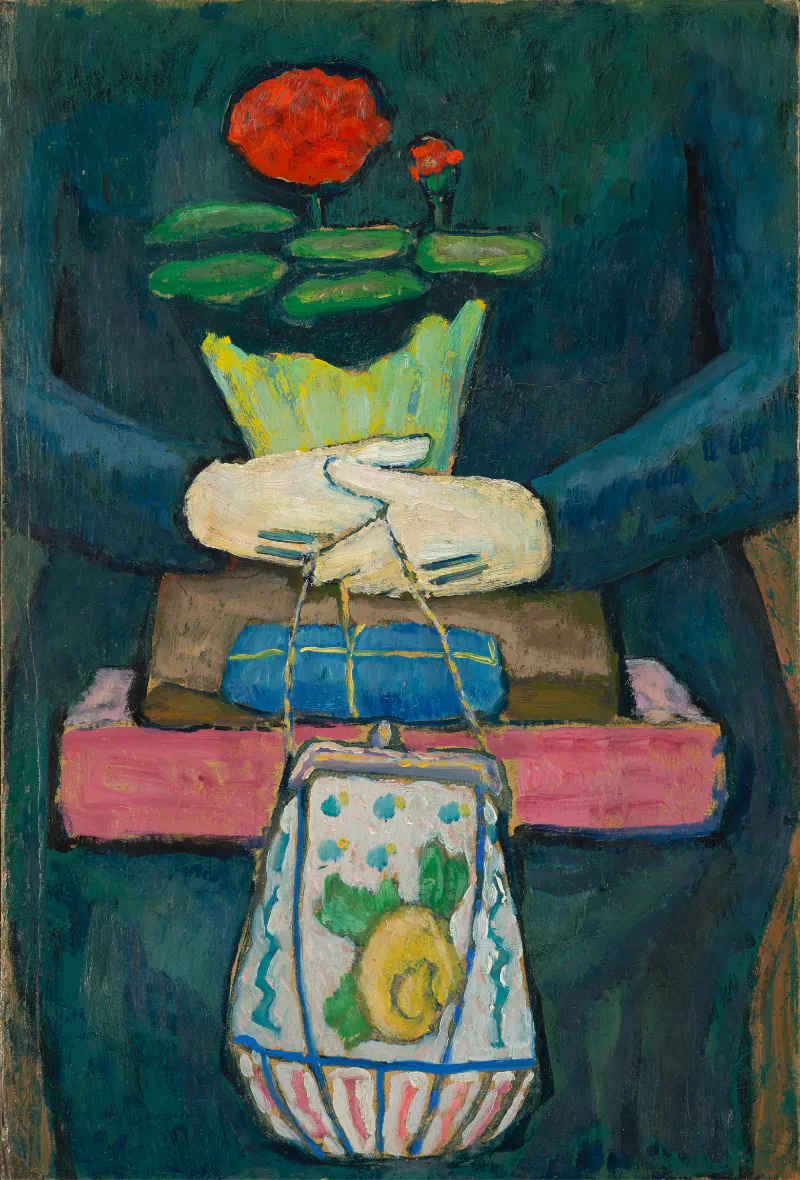
Concluding the exhibition are a number of works examining the role of still life in the artists’ oeuvre. Meditative works challenge the academic tradition by experimenting with form and color. Still lives are infused with emotion and imagination. With Münter, the domestic world becomes a medium for artistic experimentation. For Modersohn-Becker, still lives are filled with enigmatic references that imbue them with spiritual meaning.
Want more recommendations delivered straight to your inbox? Subscribe to our free newsletter!
Making Modernism shines a light on the female trailblazers of Expressionist art who shaped the course of modernism.
The exhibition takes place at the Royal Academy, in London, and is open from Tuesday to Sunday until February 12, 2023.