
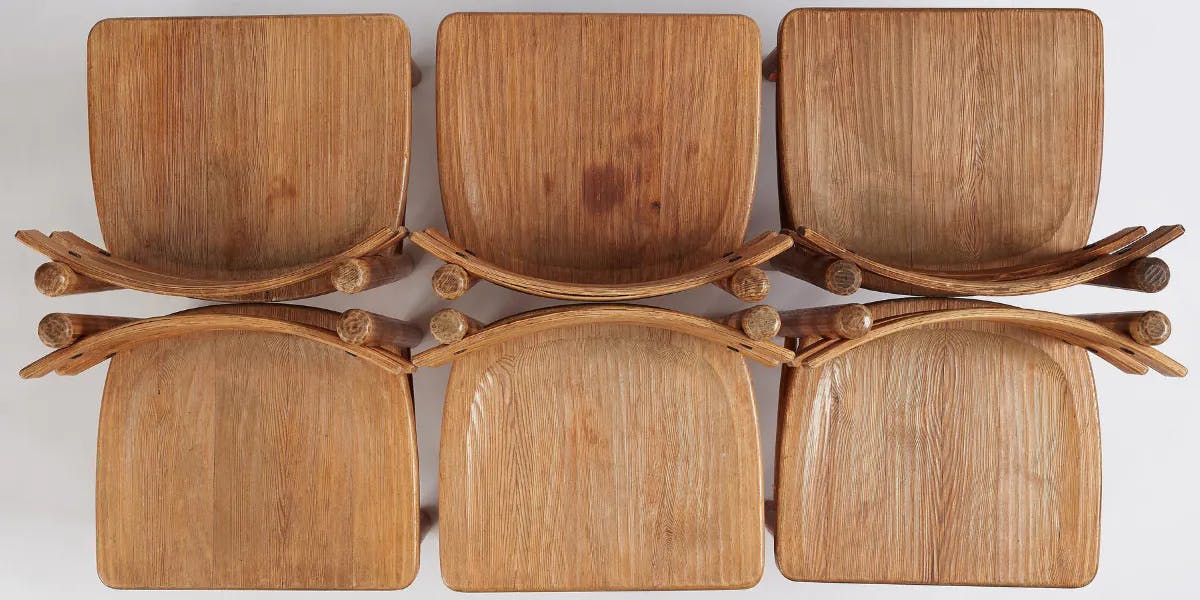
Axel Einar Hjorth was a pioneer in aesthetic development and had a unique sense of craftsmanship, details and proportions, qualities that made his design language desirable and easily placed in today's modern interiors.
Surprisingly little is known about Axel Einar Hjorth. There are hardly even any photographs of him. What is known is that he was born in 1888 outside Norrköping and that he grew up in simple circumstances with his single mother. As a 12-year-old, the young Axel was placed in foster care, fortunately with a family that gave him the opportunity at the age of 20 to study furniture architecture at the Higher Art School (today Konstfack). He never finished his studies, as two years later the death of his foster father forced him to become self-supporting. He began his career as a furniture architect in 1910, and 17 years later he became chief architect at luxury department store Nordiska Kompaniet in Stockholm.
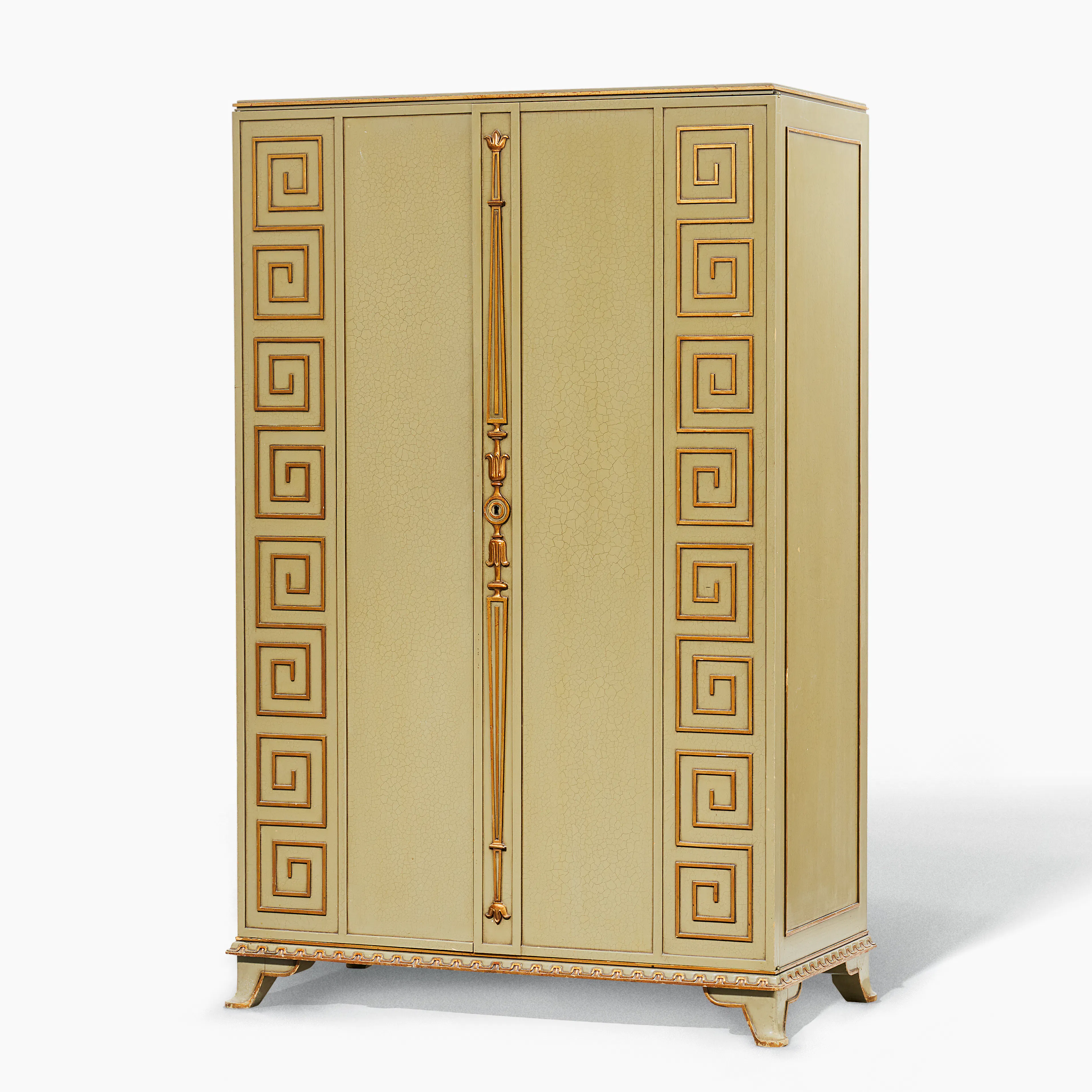
When he started as chief architect at Nordiska Kompaniet in 1927, the department store had a top position in fashion, design and furniture manufacturing. Being chief architect for Sweden's most important producer of the latest trends was undoubtedly the most prestigious assignment of the time.
Related: This Is the Most Expensive Piece of Ikea Furniture
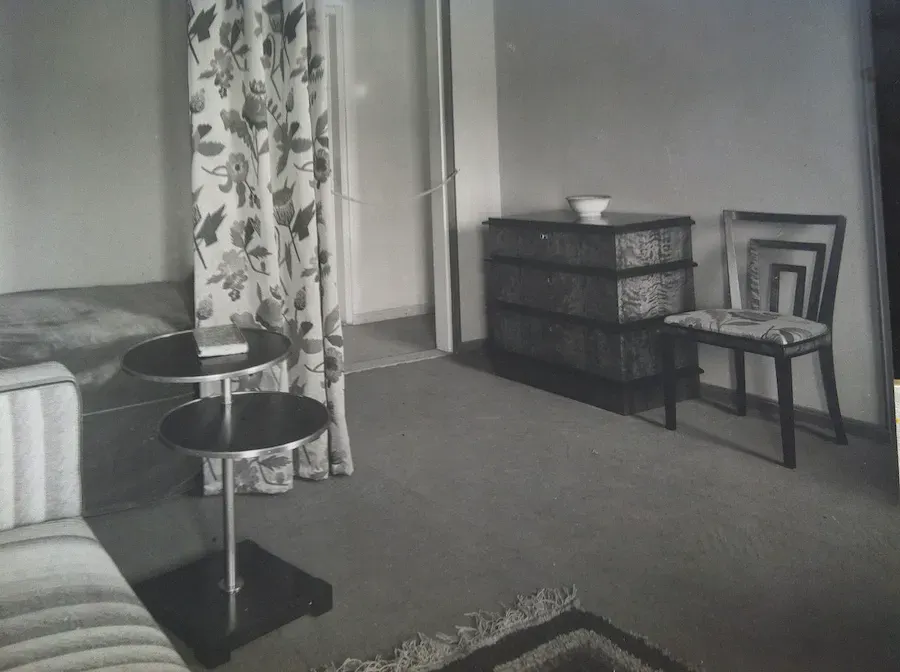
The World Exhibitions in Paris in 1925 and in Barcelona in 1929, as well as the Stockholm Exhibition in 1930, put Swedish design on the world map, and Nordiska Kompaniet together with Axel Einar Hjorth represented the Swedish design ideals of functionalism over classicism.
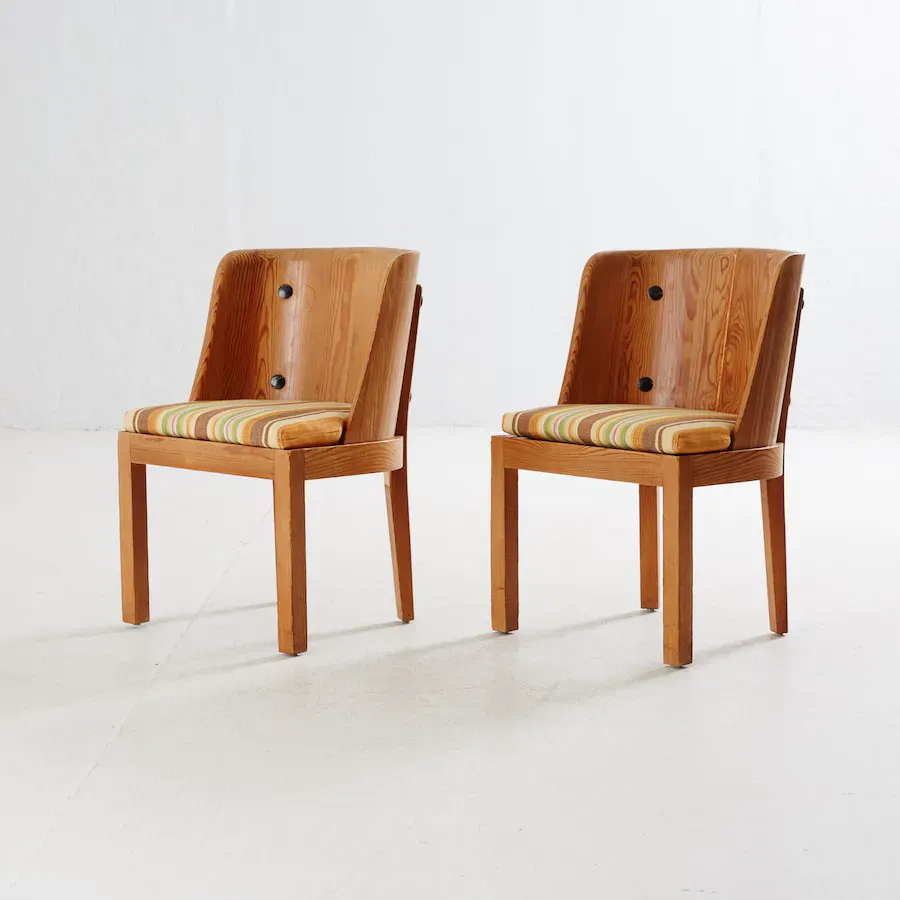
The sports cabin furniture that has become some of the most popular Hjorth furniture at auction in recent years has its background in the interwar period in the 1920s and '30s. With the debate on statutory holiday rights, Nordiska Kompaniet predicted an increased demand for furniture for holiday homes, and Axel Einar Hjorth created series such as Utö, Lovö and Sandhamn.
Related: World Record for Swedish Pine Sofa
Axel Einar Hjorth's furniture was given space at the major fairs; in New York in 1927, Barcelona in 1929, Stockholm in 1930, London in 1931, Chicago in 1933, Brussels in 1935 and in Paris in 1937, before he had to leave his post in 1938. His name became widely known and the clients were joined by some of the foremost collectors and financial elite of the time. Connoisseurs such as Torsten Kreuger and Ivar Kreuger, the Wallenberg family, Zarah Leander, Gösta Ekman and the Royal House furnished their floors and offices with Axel Einar Hjorth's super exclusive and well-crafted furniture.
Related: Swedish Design Classics
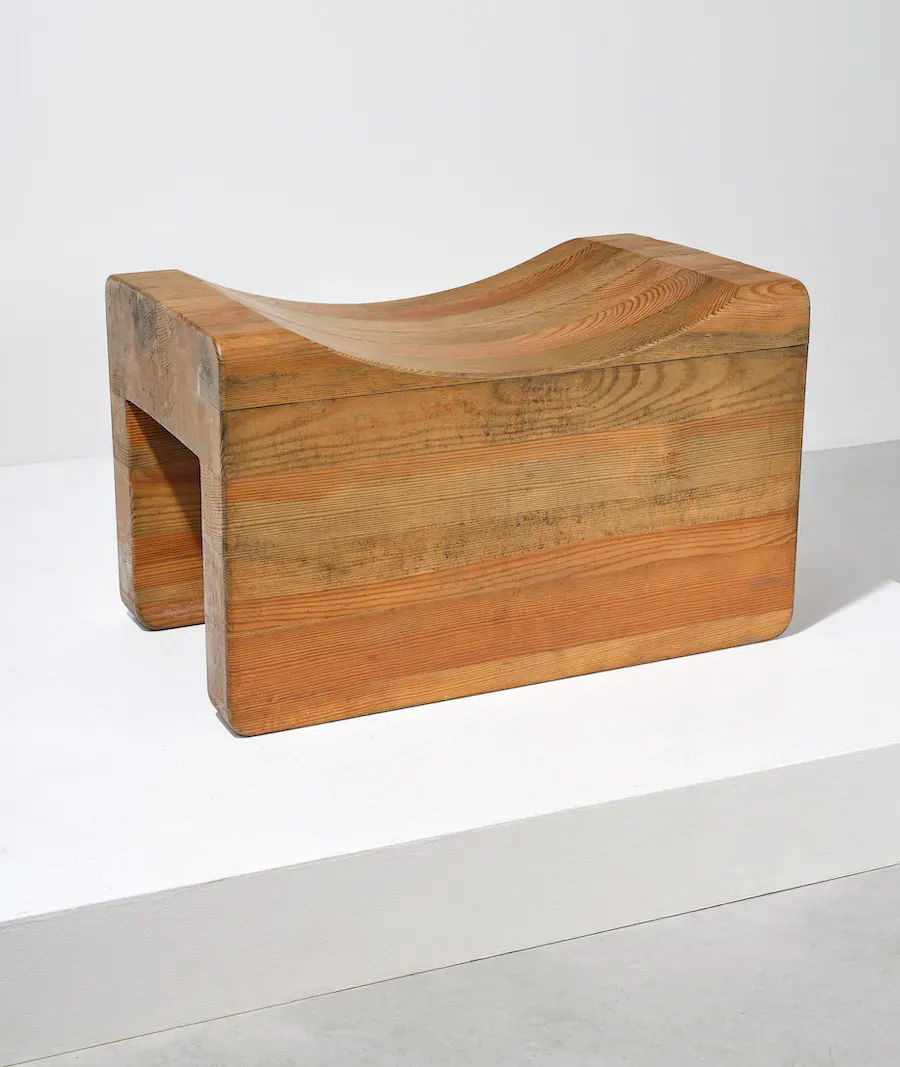
When Axel Einar Hjorth died in 1959, he is largely erased from Swedish furniture history. It is thanks to NK's archive, a few dealers and Christian Björk, Eric Ericson and Thomas Ekström, authors of Axel Einar Hjorth: Möbelarkitekt. who compiled the only real information available.
Related: Barnebys' Guide to Vintage Scandinavian Design
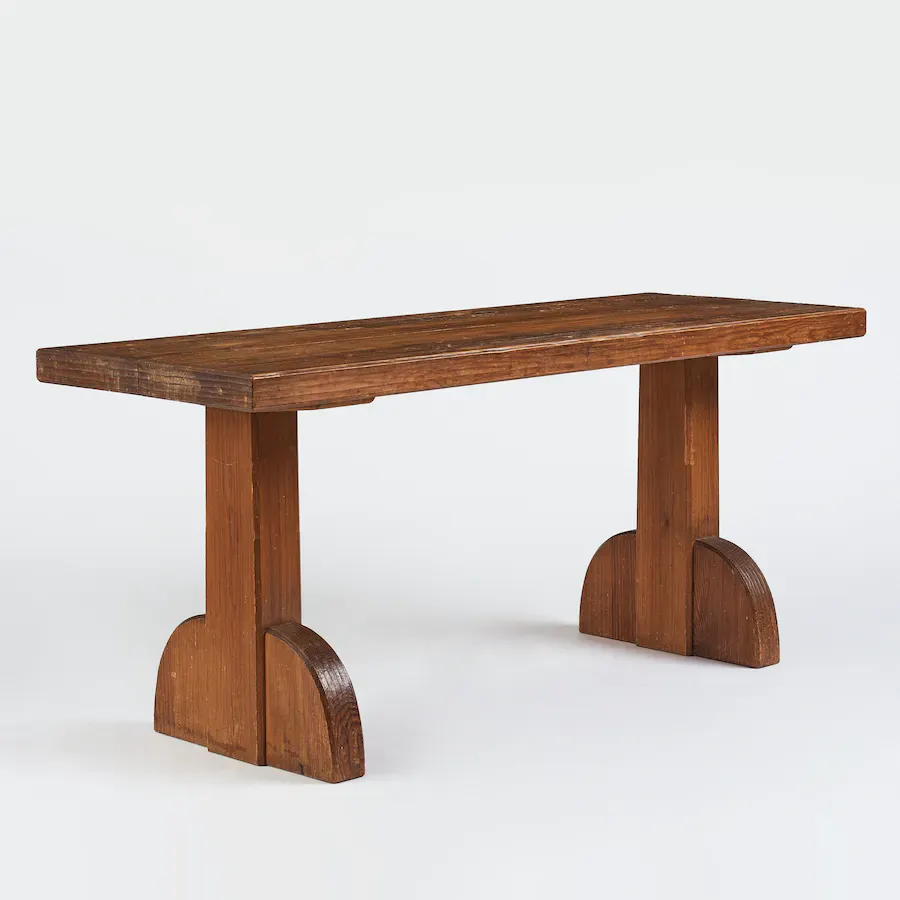
Want more articles straight to your inbox? Subscribe to our newsletter here!
However, his legacy lives on in his works that can sell for up to six figures at auction today. His current record was set in 2014 when one of his ceiling lights sold for $204,085 at Phillips. However, on Barnebys you can discover his furniture for more reasonable prices as well.


